Marie Besse – författare
Visar alla böcker från författaren Marie Besse. Handla med fri frakt och snabb leverans.
5 produkter
Campaniforme en France
Analyse de la céramique d'accompagnement
Av Marie Besse
Häftad, 1996
399 kr
Lägg i varukorg
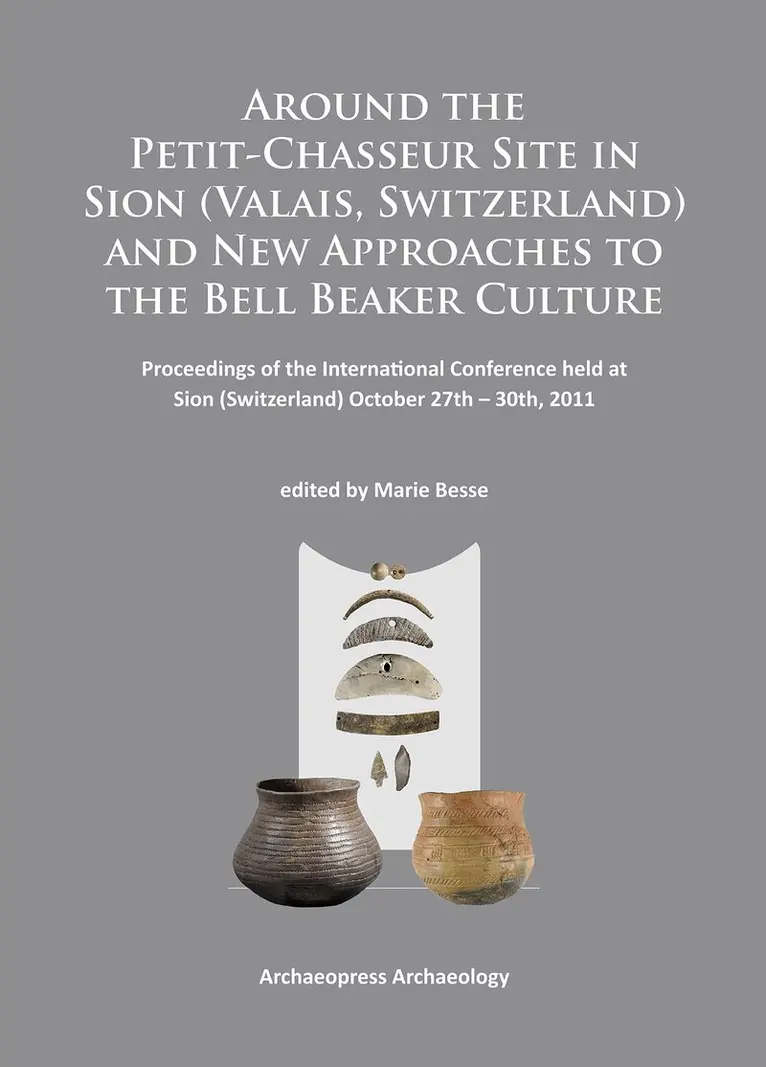
Around the Petit-Chasseur Site in Sion (Valais, Switzerland) and New Approaches to the Bell Beaker Culture
Proceedings of the International Conference (Sion, Switzerland – October 27th – 30th 2011)
Av Marie Besse
Häftad, 2014
731 kr
Lägg i varukorg
To commemorate the 50th anniversary of the discovery of the megalithic necropolis of Petit- Chasseur in Sion (Valais, Switzerland), an international conference was organised from the 27th to the 29th of October 2011 in Sion. This book constitutes the conference proceedings. The necropolis of …
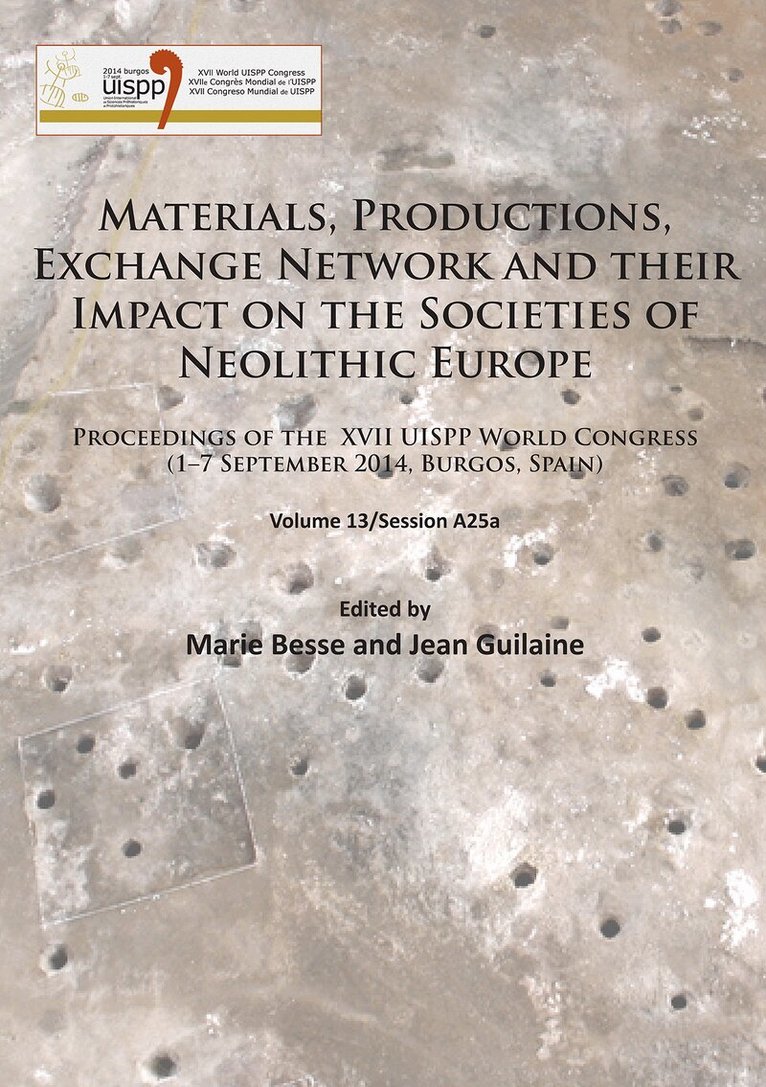
Materials, Productions, Exchange Network and their Impact on the Societies of Neolithic Europe
Proceedings of the XVII UISPP World Congress (1–7 September 2014, Burgos, Spain) Volume 13/Session A25a
Häftad, 2017
385 kr
Lägg i varukorg
Scholars who will study the historiography of the European Neolithic, more particularly with regards to the second half of the 20th century and the beginning of the 21st century, will observe a progressive change in the core understanding of this period. For several decades the concept of ‘culture’ …
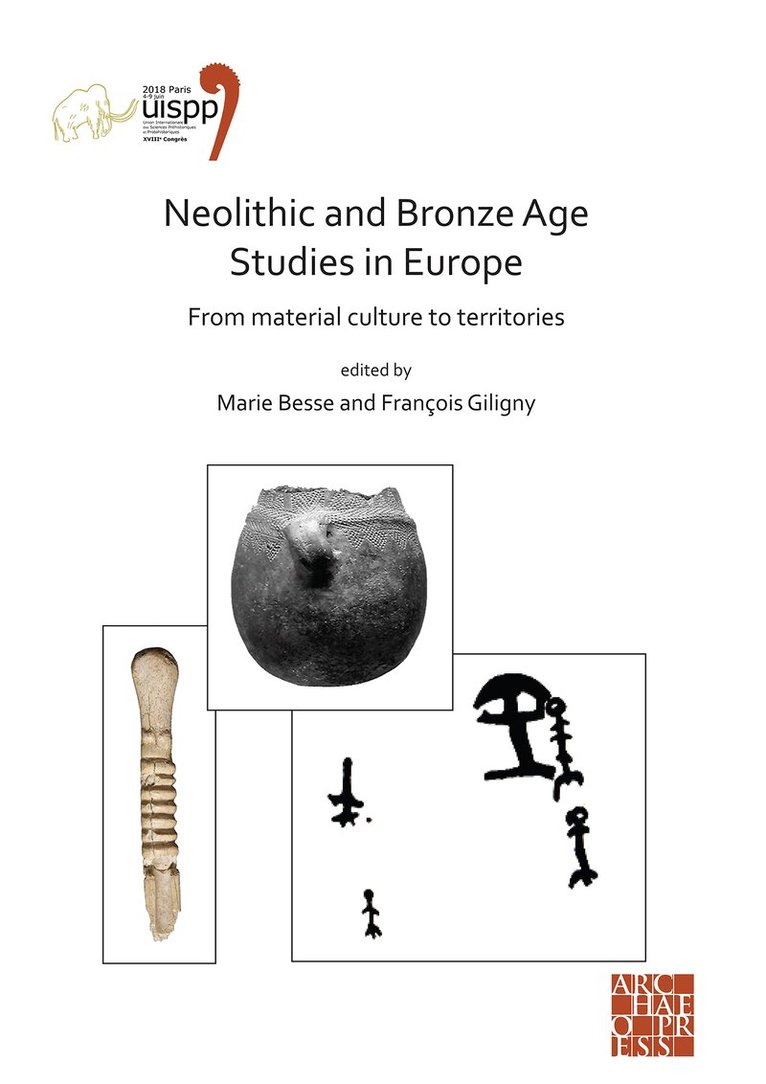
Neolithic and Bronze Age Studies in Europe: From Material Culture to Territories
Proceedings of the XVIII UISPP World Congress (4-9 June 2018, Paris, France) Volume 13 Session I-4
Av Marie Besse, François Giligny
Häftad, 2021
432 kr
Lägg i varukorg
Neolithic and Bronze Age Studies in Europe: from material culture to territories presents eight papers from the 2018 UISPP Congress. Topics include the neolithisation process in the Iberian Peninsula; faunal exploitation in early Neolithic Italy; the economic and symbolic role of animals in eastern …
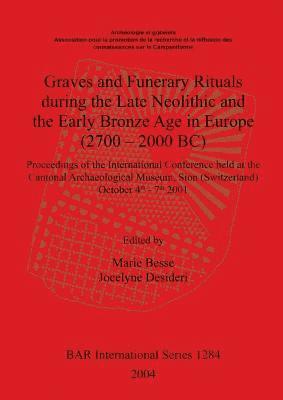
Graves and Funerary Rituals during the Late Neolithic and the Early Bronze Age in Europe (2700 - 2000 BC)
Proceedings of the International Conference held at the Cantonal Archaeological Museum Sion (Switzerland) October 4th - 7th 2001
Av Marie Besse, Jocelyne Desideri
Häftad, 2004
399 kr
Lägg i varukorg