Studies in American Constitutional Heritage - Böcker
Visar alla böcker i serien Studies in American Constitutional Heritage. Handla med fri frakt och snabb leverans.
9 produkter
9 produkter
259 kr
Skickas inom 10-15 vardagar
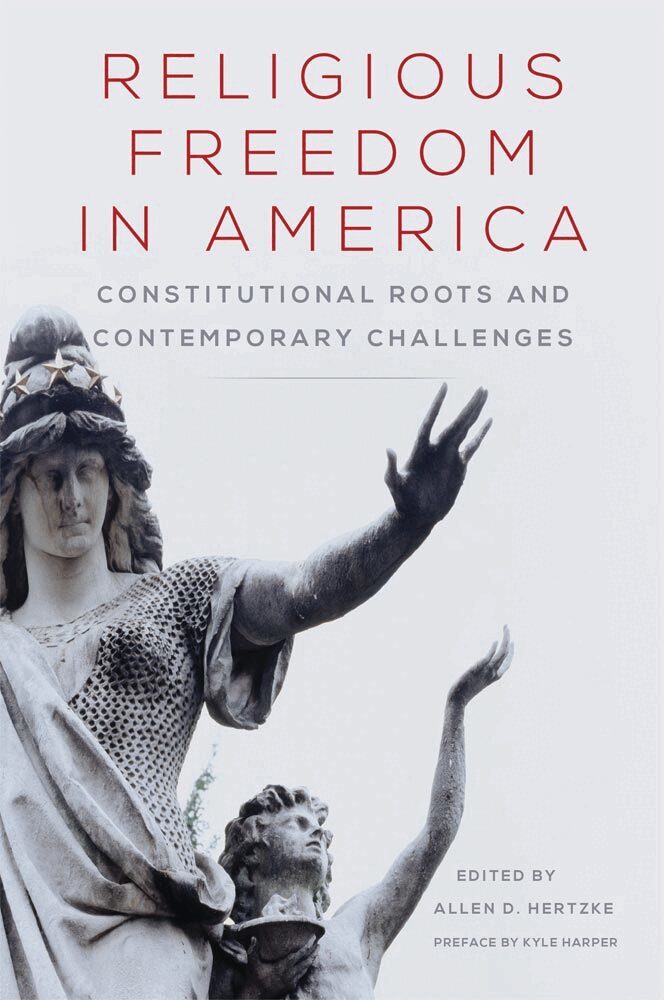
All Americans, liberal or conservative, religious or not, can agree that religious freedom, anchored in conscience rights, is foundational to the U.S. democratic experiment. But what freedom of conscience means, what its scope and limits are, according to the Constitution - these are matters for heated debate. At a moment when such questions loom ever larger in the nation's contentious politics and fraught policy-making process, this timely book offers invaluable historical, empirical, philosophical, and analytical insight into the American constitutional heritage of religious liberty.As the contributors to this interdisciplinary volume attest, understanding religious freedom demands taking multiple perspectives. The historians guide us through the legacy of religious freedom, from the nation's founding and the rise of public education, through the waves of immigration that added successive layers of diversity to American society. The social scientists discuss the swift, striking effects of judicial decision making and the battles over free exercise in a complex, bureaucratic society. Advocates remind us of the tensions abiding in schools and other familiar institutions, and of the major role minorities play in shaping free exercise under our constitutional regime. And the jurists emphasize that this is a messy area of constitutional law. Their work brings out the conflicts inherent in interpreting the First Amendment - tensions between free exercise and disestablishment, between the legislative and judicial branches of government, and along the complex and ever-shifting boundaries of religion, state, and society.What emerges most clearly from these essays is how central religious liberty is to America's civic fabric - and how, under increasing pressure from both religious and secular forces, this First Amendment freedom demands our full attention and understanding.
335 kr
Skickas inom 10-15 vardagar
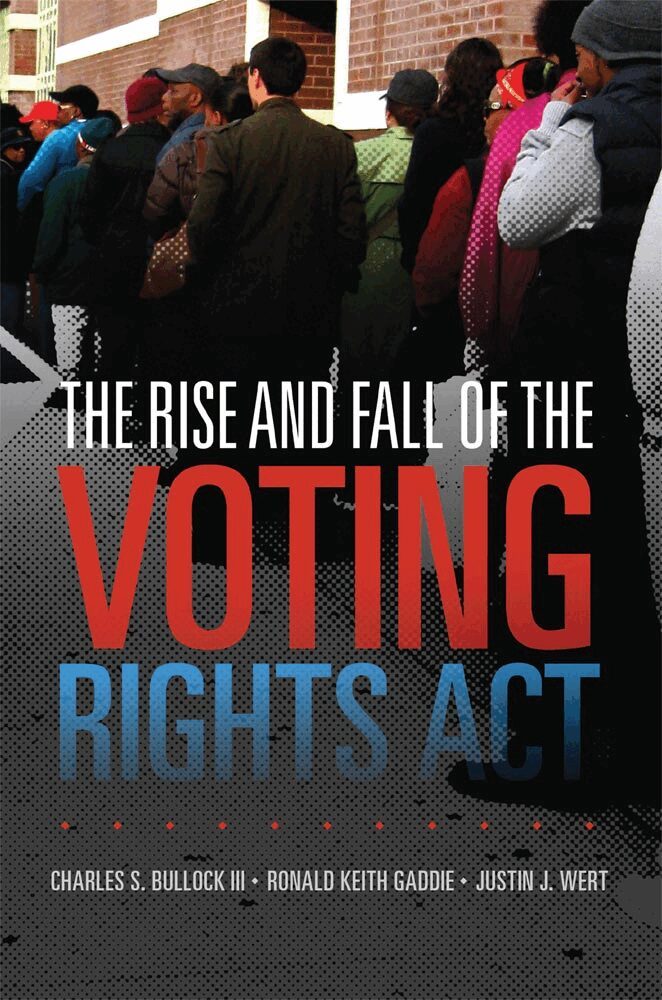
On June 25, 2013, the U.S. Supreme Court handed down its decision in Shelby County v. Holder, invalidating a key provision of voting rights law. The decision - the culmination of an eight-year battle over the power of Congress to regulate state conduct of elections - marked the closing of a chapter in American politics. That chapter had opened a century earlier in the case of Guinn v. United States, which ushered in national efforts to knock down racial barriers to the ballot. A detailed and timely history, The Rise and Fall of the Voting Rights Act analyzes changing legislation and the future of voting rights in the United States.In tracing the development of the Voting Rights Act from its inception, Charles S. Bullock III, Ronald Keith Gaddie, and Justin J. Wert begin by exploring the political and legal aspects of the Jim Crow electoral regime. Detailing both the subsequent struggle to enact the law and its impact, they explain why the Voting Rights Act was necessary. The authors draw on court cases and election data to bring their discussion to the present with an examination of the 2006 revision and renewal of the act, and its role in shaping the southern political environment in the 2008 and 2012 presidential elections, when Barack Obama was chosen. Bullock, Gaddie, and Wert go on to closely evaluate the 2013 Shelby County decision, describing how the ideological makeup of the Supreme Court created an appellate environment that made the act ripe for a challenge.Rigorous in its scholarship and thoroughly readable, this book goes beyond history and analysis to provide compelling and much-needed insight into the ways voting rights legislation has shaped the United States. The Rise and Fall of the Voting Rights Act illuminates the historical roots - and the human consequences - of a critical chapter in U.S. legal history.
238 kr
Skickas inom 10-15 vardagar
On June 25, 2013, the U.S. Supreme Court handed down its decision in Shelby County v. Holder, invalidating a key provision of voting rights law. The decision - the culmination of an eight-year battle over the power of Congress to regulate state conduct of elections - marked the closing of a chapter in American politics. That chapter had opened a century earlier in the case of Guinn v. United States, which ushered in national efforts to knock down racial barriers to the ballot. A detailed and timely history, The Rise and Fall of the Voting Rights Act analyzes changing legislation and the future of voting rights in the United States.In tracing the development of the Voting Rights Act from its inception, Charles S. Bullock III, Ronald Keith Gaddie, and Justin J. Wert begin by exploring the political and legal aspects of the Jim Crow electoral regime. Detailing both the subsequent struggle to enact the law and its impact, they explain why the Voting Rights Act was necessary. The authors draw on court cases and election data to bring their discussion to the present with an examination of the 2006 revision and renewal of the act, and its role in shaping the southern political environment in the 2008 and 2012 presidential elections, when Barack Obama was chosen. Bullock, Gaddie, and Wert go on to closely evaluate the 2013 Shelby County decision, describing how the ideological makeup of the Supreme Court created an appellate environment that made the act ripe for a challenge.Rigorous in its scholarship and thoroughly readable, this book goes beyond history and analysis to provide compelling and much-needed insight into the ways voting rights legislation has shaped the United States. The Rise and Fall of the Voting Rights Act illuminates the historical roots - and the human consequences - of a critical chapter in U.S. legal history.
836 kr
Skickas inom 10-15 vardagar
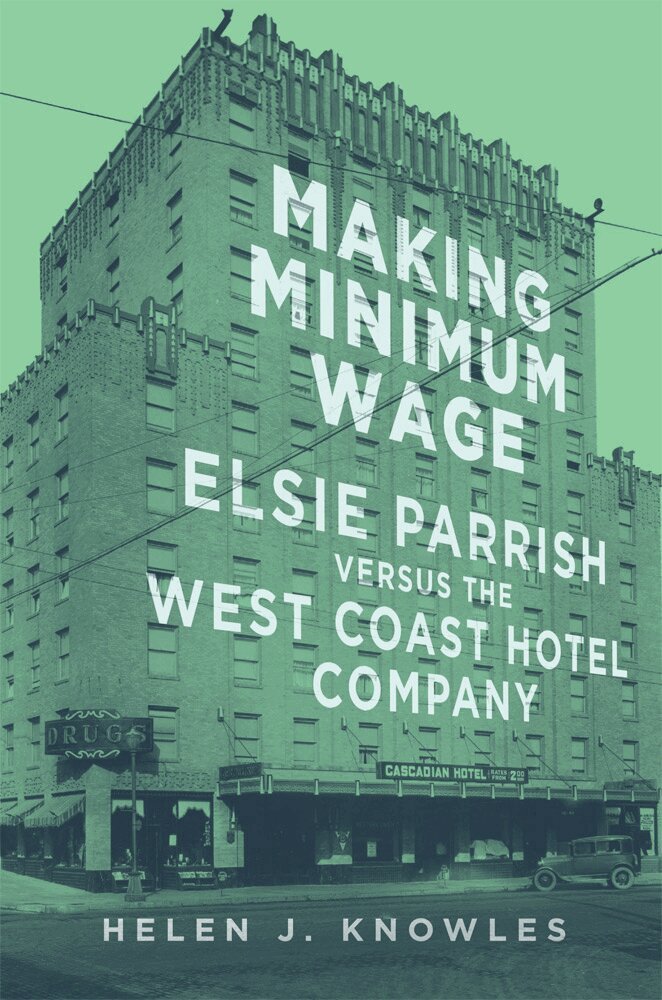
The US Supreme Court’s 1937 decision in West Coast Hotel v. Parrish, upholding the constitutionality of Washington State’s minimum wage law for women, had monumental consequences for all American workers. It also marked a major shift in the Court’s response to President Franklin D. Roosevelt’s New Deal agenda. In Making Minimum Wage, Helen J. Knowles tells the human story behind this historic case.West Coast Hotel v. Parrish pitted a Washington State hotel against a chambermaid, Elsie Parrish, who claimed that she was owed the state’s minimum wage. The hotel argued that under the concept of “freedom of contract,” the US Constitution allowed it to pay its female workers whatever low wages they were willing to accept. Knowles unpacks the legal complexities of the case while telling the litigants’ stories. Drawing on archival and private materials, including the unpublished memoir of Elsie’s lawyer, C. B. Conner, Knowles exposes the profound courage and resolve of the former chambermaid. Her book reveals why Elsie-who, in her mid-thirties was already a grandmother-was fired from her job at the Cascadian Hotel in Wenatchee, and why she undertook the outsized risk of suing the hotel for back wages.Minimum wage laws are “not an academic question or even a legal one,” Elinore Morehouse Herrick, the New York director of the National Labor Relations Board, said in 1936. Rather, they are “a human problem.” A pioneering analysis that illuminates the life stories behind West Coast Hotel v. Parrish as well as the case’s impact on local, state, and national levels, Making Minimum Wage vividly demonstrates the fundamental truth of Morehouse Herrick’s statement.
250 kr
Skickas inom 10-15 vardagar
The US Supreme Court’s 1937 decision in West Coast Hotel v. Parrish, upholding the constitutionality of Washington State’s minimum wage law for women, had monumental consequences for all American workers. It also marked a major shift in the Court’s response to President Franklin D. Roosevelt’s New Deal agenda. In Making Minimum Wage, Helen J. Knowles tells the human story behind this historic case.West Coast Hotel v. Parrish pitted a Washington State hotel against a chambermaid, Elsie Parrish, who claimed that she was owed the state’s minimum wage. The hotel argued that under the concept of “freedom of contract,” the US Constitution allowed it to pay its female workers whatever low wages they were willing to accept. Knowles unpacks the legal complexities of the case while telling the litigants’ stories. Drawing on archival and private materials, including the unpublished memoir of Elsie’s lawyer, C. B. Conner, Knowles exposes the profound courage and resolve of the former chambermaid. Her book reveals why Elsie-who, in her mid-thirties was already a grandmother-was fired from her job at the Cascadian Hotel in Wenatchee, and why she undertook the outsized risk of suing the hotel for back wages.Minimum wage laws are “not an academic question or even a legal one,” Elinore Morehouse Herrick, the New York director of the National Labor Relations Board, said in 1936. Rather, they are “a human problem.” A pioneering analysis that illuminates the life stories behind West Coast Hotel v. Parrish as well as the case’s impact on local, state, and national levels, Making Minimum Wage vividly demonstrates the fundamental truth of Morehouse Herrick’s statement.
321 kr
Skickas inom 10-15 vardagar
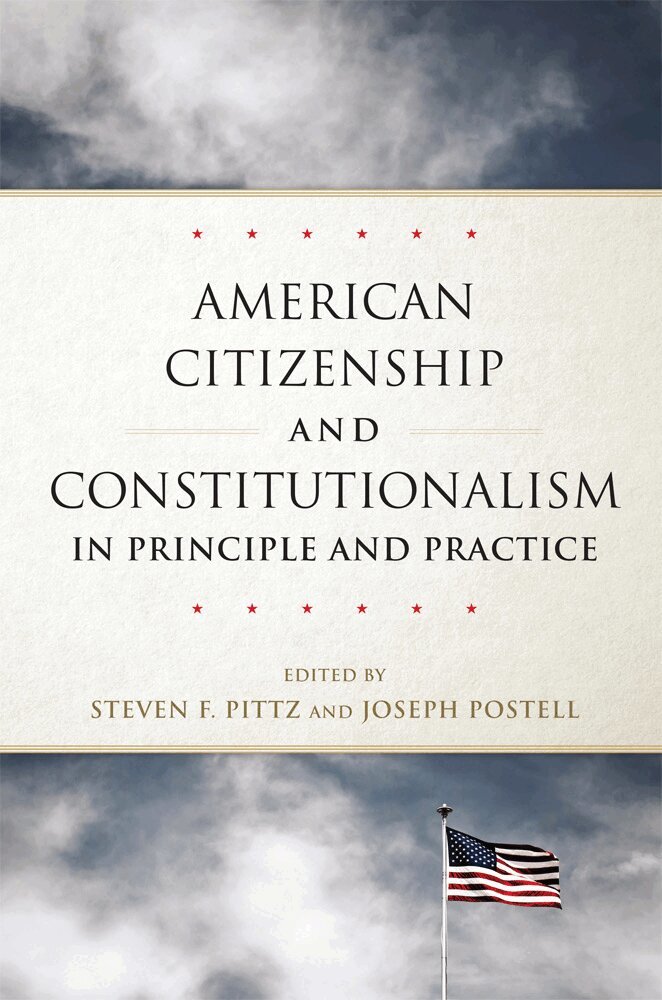
Questions at the very heart of the American experiment—about what the nation is and who its people are—have lately assumed a new, even violent urgency. As the most fundamental aspects of American citizenship and constitutionalism come under ever more powerful pressure, and as the nation’s politics increasingly give way to divisive, partisan extremes, this book responds to the critical political challenge of our time: the need to return to some conception of shared principles as a basis for citizenship and a foundation for orderly governance. In various ways and from various perspectives, this volume’s authors locate these principles in the American practice of citizenship and constitutionalism.Chapters in the book’s first part address critical questions about the nature of U.S. citizenship; subsequent essays propose a rethinking of traditional notions of citizenship in light of the new challenges facing the country. With historical and theoretical insights drawn from a variety of sources—ranging from Montesquieu, John Adams, and Henry Clay to the transcendentalists, Cherokee freedmen, and modern identitarians—American Citizenship and Constitutionalism in Principle and Practice makes the case that American constitutionalism, as shaped by several centuries of experience, can ground a shared notion of American citizenship. To achieve widespread agreement in our fractured polity, this notion may have to be based on “thin” political principles, the authors concede; yet this does not rule out the possibility of political community.By articulating notions of citizenship and constitutionalism that are both achievable and capable of fostering solidarity and a common sense of purpose, this timely volume drafts a blueprint for the building of a genuinely shared political future.
499 kr
Skickas inom 10-15 vardagar
Questions at the very heart of the American experiment—about what the nation is and who its people are—have lately assumed a new, even violent urgency. As the most fundamental aspects of American citizenship and constitutionalism come under ever more powerful pressure, and as the nation’s politics increasingly give way to divisive, partisan extremes, this book responds to the critical political challenge of our time: the need to return to some conception of shared principles as a basis for citizenship and a foundation for orderly governance. In various ways and from various perspectives, this volume’s authors locate these principles in the American practice of citizenship and constitutionalism.Chapters in the book’s first part address critical questions about the nature of U.S. citizenship; subsequent essays propose a rethinking of traditional notions of citizenship in light of the new challenges facing the country. With historical and theoretical insights drawn from a variety of sources—ranging from Montesquieu, John Adams, and Henry Clay to the transcendentalists, Cherokee freedmen, and modern identitarians—American Citizenship and Constitutionalism in Principle and Practice makes the case that American constitutionalism, as shaped by several centuries of experience, can ground a shared notion of American citizenship. To achieve widespread agreement in our fractured polity, this notion may have to be based on “thin” political principles, the authors concede; yet this does not rule out the possibility of political community.By articulating notions of citizenship and constitutionalism that are both achievable and capable of fostering solidarity and a common sense of purpose, this timely volume drafts a blueprint for the building of a genuinely shared political future.
499 kr
Skickas inom 10-15 vardagar
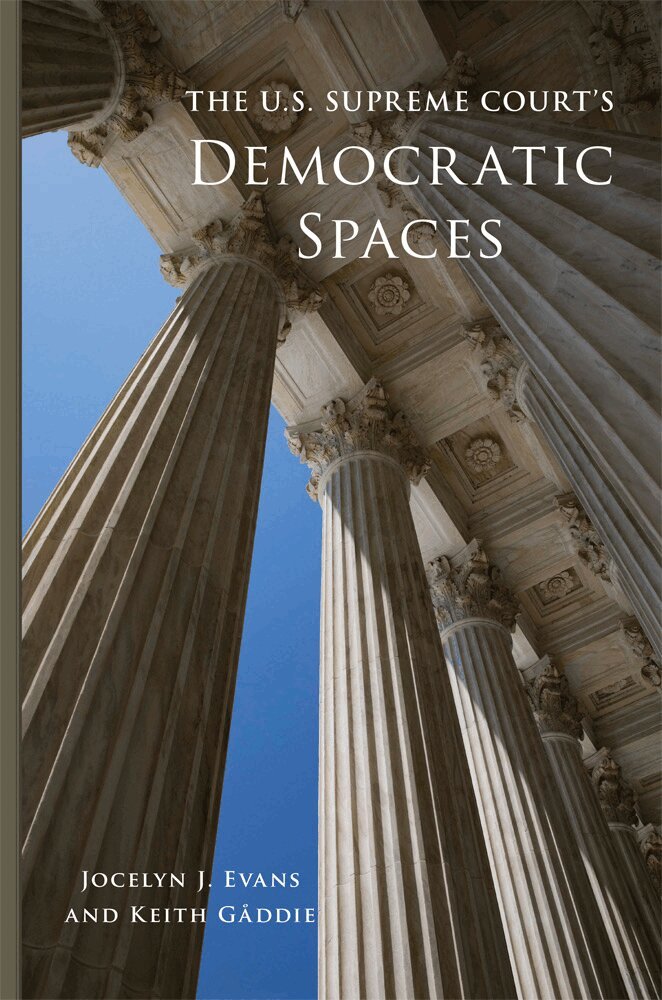
Atop broad stone stairs flanked by statues of ancient lawgivers, the U.S. Supreme Court building stands as a shining temple to the American idea of justice. As solidly as the building occupies a physical space in the nation’s capital, its architecture defines a cultural, social, and political space in the public imagination. Through these spaces, this book explores the home of the most revered institution of U.S. politics-its origin, history, and meaning as an expression of democratic principles.The U.S. Supreme Court building opened its doors in 1935. Although it is a latecomer to the capital, the Court shares the neoclassical style of the older executive mansion and capitol building, and thus provides a coherent architectural representation of governmental power in the capital city. More than the story of the construction of one building or its technical architectural elements, The U.S. Supreme Court’s Democratic Spaces is the story of the Court’s evolution and its succession of earlier homes in Washington, D.C., Philadelphia, and New York.This timely study of how the Supreme Court building shapes Washington as a space and a place for political action and meaning yields a multidimensional view and deeper appreciation of the ways that our physical surroundings manifest who we are as a people and what we value as a society.
321 kr
Skickas inom 10-15 vardagar
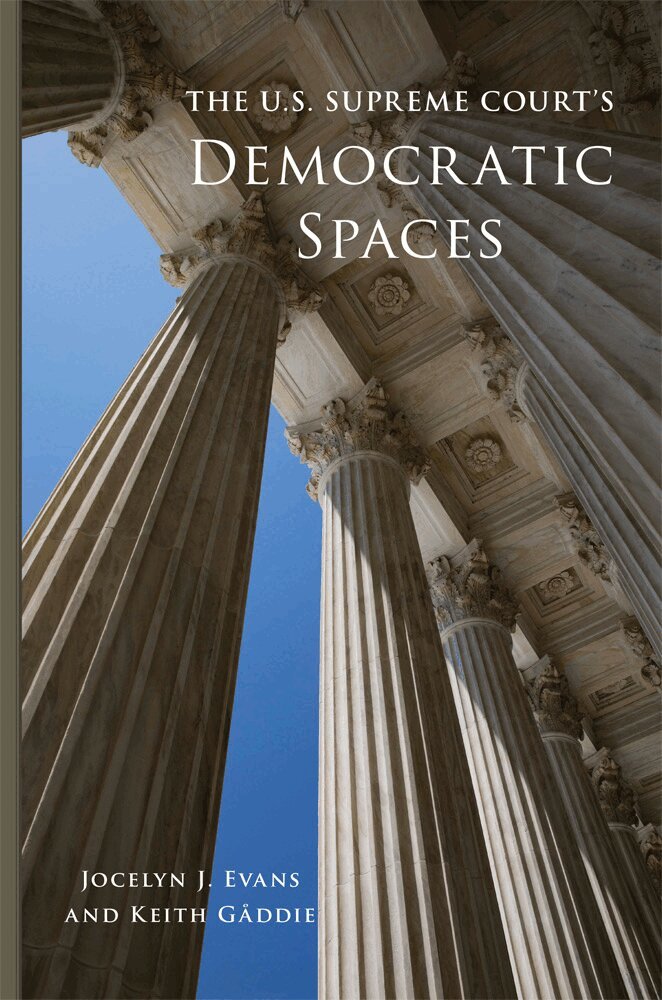
Atop broad stone stairs flanked by statues of ancient lawgivers, the U.S. Supreme Court building stands as a shining temple to the American idea of justice. As solidly as the building occupies a physical space in the nation’s capital, its architecture defines a cultural, social, and political space in the public imagination. Through these spaces, this book explores the home of the most revered institution of U.S. politics—its origin, history, and meaning as an expression of democratic principles.The U.S. Supreme Court building opened its doors in 1935. Although it is a latecomer to the capital, the Court shares the neoclassical style of the older executive mansion and capitol building, and thus provides a coherent architectural representation of governmental power in the capital city. More than the story of the construction of one building or its technical architectural elements, The U.S. Supreme Court’s Democratic Spaces is the story of the Court’s evolution and its succession of earlier homes in Washington, D.C., Philadelphia, and New York.This timely study of how the Supreme Court building shapes Washington as a space and a place for political action and meaning yields a multidimensional view and deeper appreciation of the ways that our physical surroundings manifest who we are as a people and what we value as a society.