Techniques of the Moving Image - Böcker
Visar alla böcker i serien Techniques of the Moving Image. Handla med fri frakt och snabb leverans.
18 produkter
18 produkter
480 kr
Skickas inom 7-10 vardagar
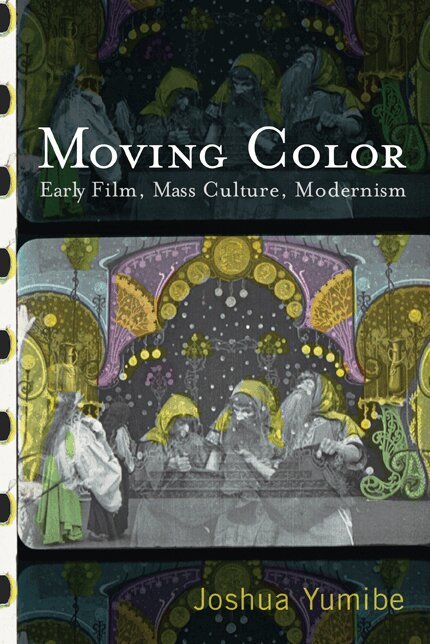
Color was used in film well before The Wizard of Oz. Thomas Edison, for example, projected two-colored films at his first public screening in New York City on April 23, 1896. These first colors of early cinema were not photographic; they were applied manually through a variety of laborious processes-most commonly by the hand-coloring and stenciling of prints frame by frame, and the tinting and toning of films in vats of chemical dyes. The results were remarkably beautiful.Moving Color is the first book-length study of the beginnings of color cinema. Looking backward, Joshua Yumibe traces the legacy of color history from the beginning of the nineteenth century to the cinema of the early twentieth century. Looking forward, he explores the implications of this genealogy on experimental and contemporary digital cinemas in which many colors have become, once again, vividly unhinged from photographic reality. Throughout this history, Moving Color revolves around questions pertaining to the sensuousness of color: how color moves us in the cinema-visually, emotionally, and physically.
426 kr
Skickas inom 7-10 vardagar
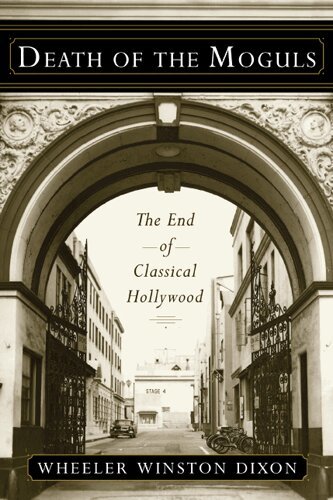
Death of the Moguls is a detailed assessment of the last days of the “rulers of film.” Wheeler Winston Dixon examines the careers of such moguls as Harry Cohn at Columbia, Louis B. Mayer at MGM, Jack L. Warner at Warner Brothers, Adolph Zukor at Paramount, and Herbert J. Yates at Republic in the dying days of their once-mighty empires. He asserts that the sheer force of personality and business acumen displayed by these moguls made the studios successful; their deaths or departures hastened the studios’ collapse. Almost none had a plan for leadership succession; they simply couldn't imagine a world in which they didn’t reign supreme.Covering 20th Century-Fox, Selznick International Pictures, Metro-Goldwyn-Mayer, Paramount Pictures, RKO Radio Pictures, Warner Brothers, Universal Pictures, Republic Pictures, Monogram Pictures and Columbia Pictures, Dixon briefly introduces the studios and their respective bosses in the late 1940s, just before the collapse, then chronicles the last productions from the studios and their eventual demise in the late 1950s and early 1960s. He details such game-changing factors as the de Havilland decision, which made actors free agents; the Consent Decree, which forced the studios to get rid of their theaters; how the moguls dealt with their collapsing empires in the television era; and the end of the conventional studio assembly line, where producers had rosters of directors, writers, and actors under their command.Complemented by rare, behind-the-scenes stills, Death of the Moguls is a compelling narrative of the end of the studio system at each of the Hollywood majors as television, the de Havilland decision, and the Consent Decree forced studios to slash payrolls, make the shift to color, 3D, and CinemaScope in desperate last-ditch efforts to save their kingdoms. The aftermath for some was the final switch to television production and, in some cases, the distribution of independent film.
452 kr
Skickas inom 7-10 vardagar
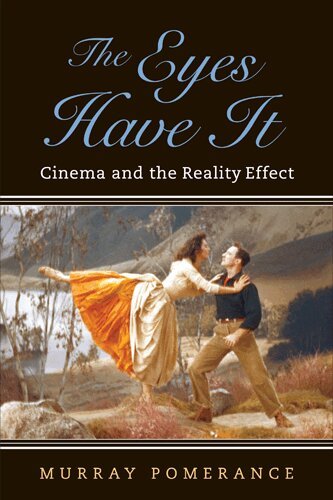
The Eyes Have It explores those rarified screen moments when viewers are confronted by sights that seem at once impossible and present, artificial and stimulating, illusory and definitive. Beginning with a penetrating study of five cornfield sequences-including The Wizard of Oz, Arizona Dream, and Signs-Murray Pomerance journeys through a vast array of cinematic moments, technical methods, and laborious collaborations from the 1930s to the 2000s to show how the viewer's experience of "reality" is put in context, challenged, and willfully engaged.Four meditations deal with “reality effects” from different philosophical and technical angles. “Vivid Rivals” assesses active participation and critical judgment in seeing effects with such works as Defiance, Cloverfield, Knowing, Thelma & Louise, and more. “The Two of Us” considers double placement and doubled experience with such films as The Prestige, Niagara, and A Stolen Life. “Being There” discusses cinematic performance and the problems of believability, highlighting such films as Gran Torino, The Manchurian Candidate, In Harm’s Way, and other films. “Fairy Land” explores the art of scenic backing, focusing on the fictional world of Brigadoon, which borrows from both hard-edged realism and evocative landscape painting.
452 kr
Skickas inom 7-10 vardagar
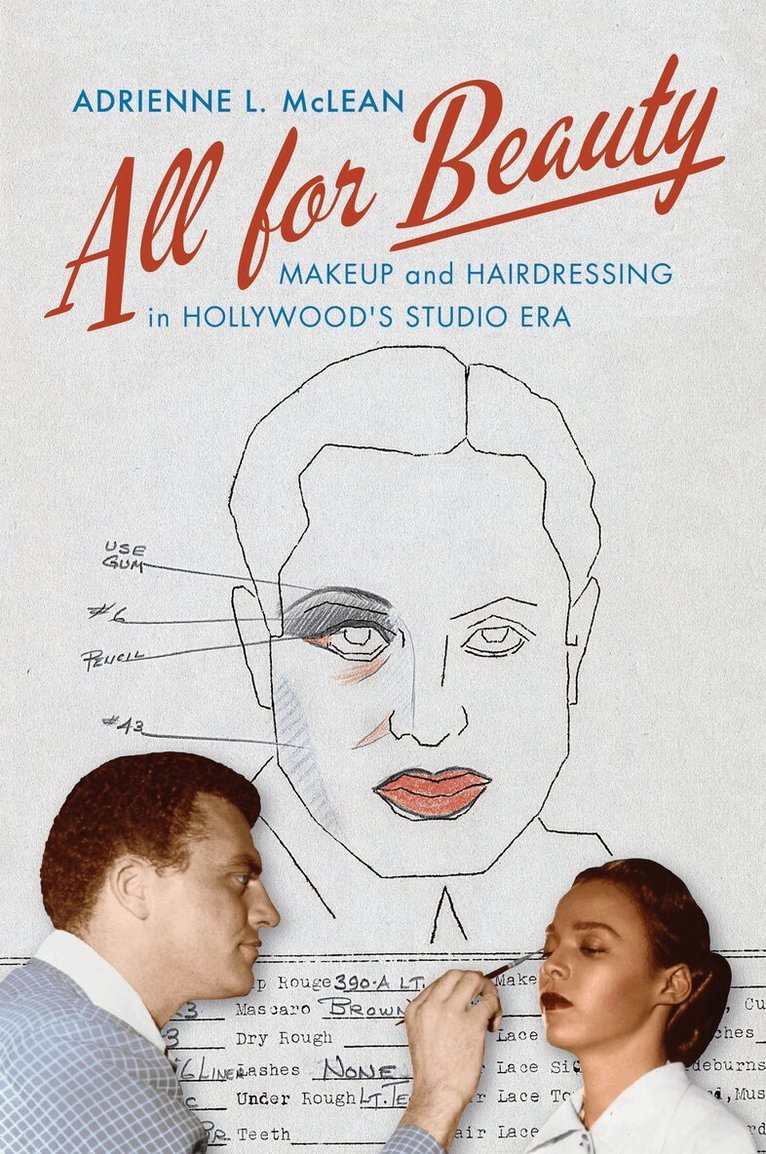
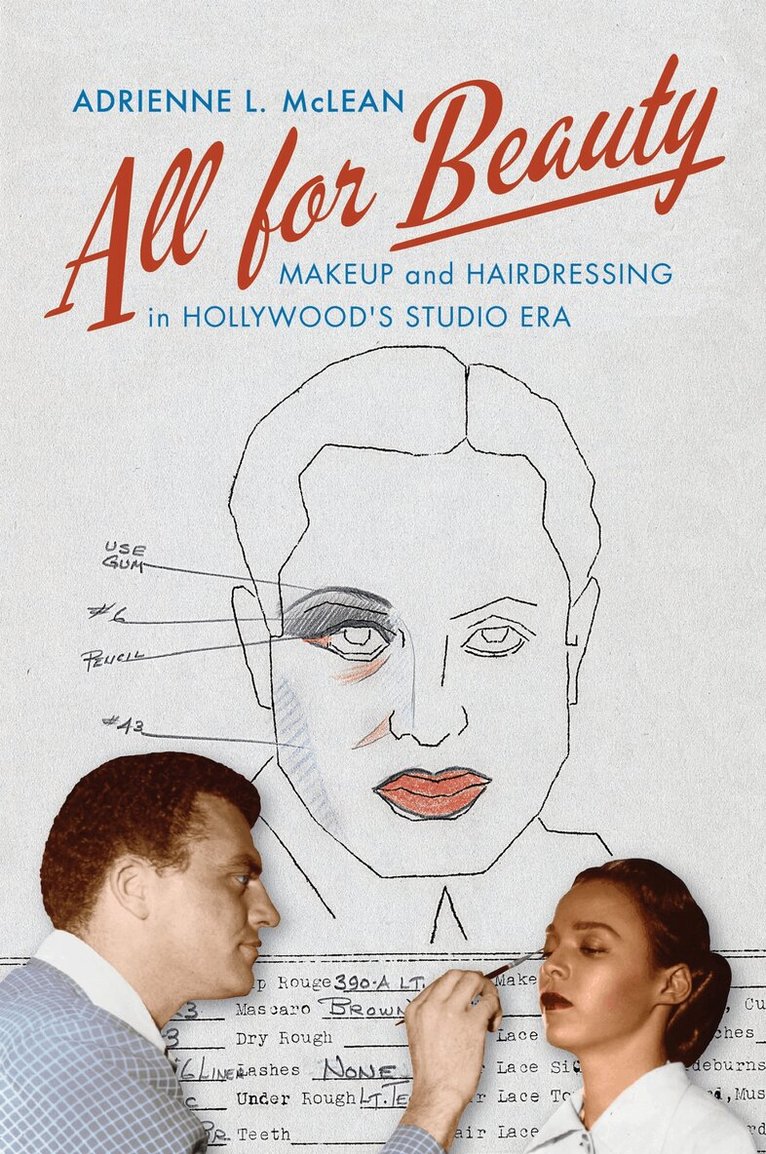
Ever wonder why so many stars and featured players, male or female, in movies of Hollywood’s “Golden Age” look like they just stepped out of a beauty parlor even if the story places them in a jungle, a hospital bed, or the ancient past? All for Beauty examines how and why makeup and hairdressing evolved as crafts designed partly to maintain the white flawlessness of men and women as a value in the studio era. The book pays particular attention to the labor force, exploring the power and influence of cosmetics inventor and manufacturer Max Factor and the Westmore dynasty of makeup artists but also the contributions of others, many of them women, whose names are far less known. At the end of the complex, exciting, and at times dismaying chronicle, it is likely that readers will never again watch Hollywood films without thinking about the roles of makeup and hairdressing in creating both fictional characters and stars as emblems of an idealized and undeniably mesmerizing visual perfection.
452 kr
Skickas inom 7-10 vardagar
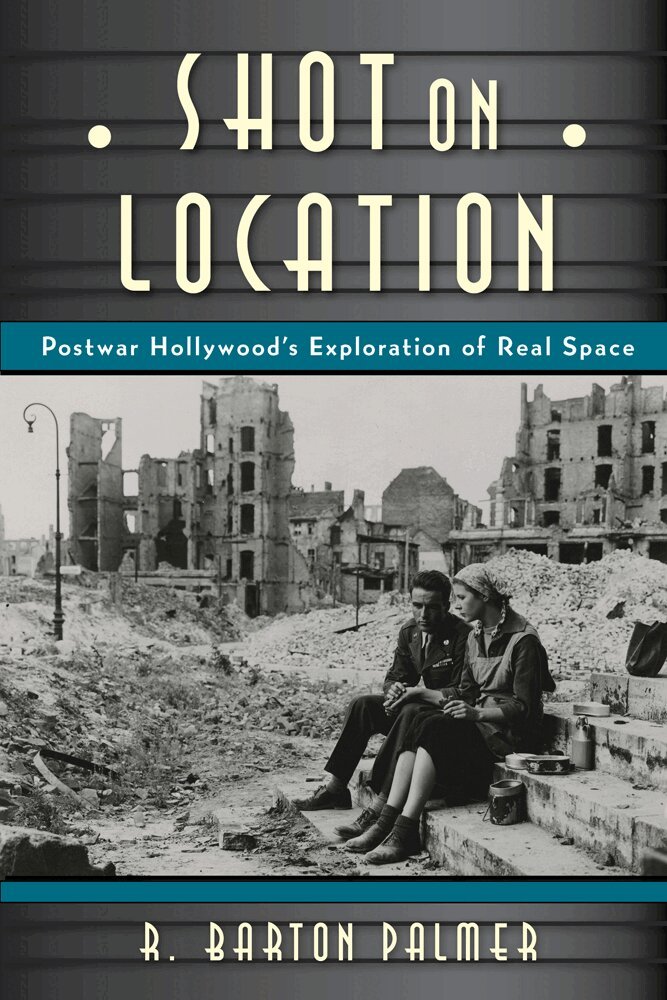
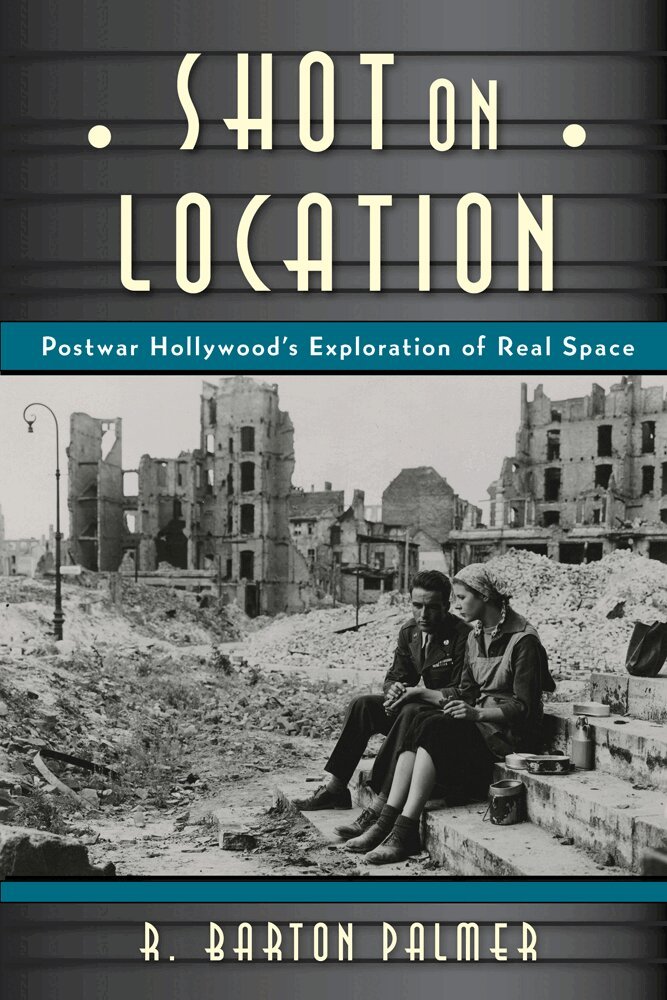
In the early days of filmmaking, before many of Hollywood’s elaborate sets and soundstages had been built, it was common for movies to be shot on location. Decades later, Hollywood filmmakers rediscovered the practice of using real locations and documentary footage in their narrative features. Why did this happen? What caused this sudden change? Renowned film scholar R. Barton Palmer answers this question in Shot on Location by exploring the historical, ideological, economic, and technological developments that led Hollywood to head back outside in order to capture footage of real places. His groundbreaking research reveals that wartime newsreels had a massive influence on postwar Hollywood film, although there are key distinctions to be made between these movies and their closest contemporaries, Italian neorealist films. Considering how these practices were used in everything from war movies like Twelve O’Clock High to westerns like The Searchers, Palmer explores how the blurring of the formal boundaries between cinematic journalism and fiction lent a “reality effect” to otherwise implausible stories. Shot on Location describes how the period’s greatest directors, from Alfred Hitchcock to Billy Wilder, increasingly moved beyond the confines of the studio. At the same time, the book acknowledges the collaborative nature of moviemaking, identifying key roles that screenwriters, art designers, location scouts, and editors played in incorporating actual geographical locales and social milieus within a fictional framework. Palmer thus offers a fascinating behind-the-scenes look at how Hollywood transformed the way we view real spaces.
1 676 kr
Skickas inom 7-10 vardagar
In the early days of filmmaking, before many of Hollywood’s elaborate sets and soundstages had been built, it was common for movies to be shot on location. Decades later, Hollywood filmmakers rediscovered the practice of using real locations and documentary footage in their narrative features. Why did this happen? What caused this sudden change? Renowned film scholar R. Barton Palmer answers this question in Shot on Location by exploring the historical, ideological, economic, and technological developments that led Hollywood to head back outside in order to capture footage of real places. His groundbreaking research reveals that wartime newsreels had a massive influence on postwar Hollywood film, although there are key distinctions to be made between these movies and their closest contemporaries, Italian neorealist films. Considering how these practices were used in everything from war movies like Twelve O’Clock High to westerns like The Searchers, Palmer explores how the blurring of the formal boundaries between cinematic journalism and fiction lent a “reality effect” to otherwise implausible stories. Shot on Location describes how the period’s greatest directors, from Alfred Hitchcock to Billy Wilder, increasingly moved beyond the confines of the studio. At the same time, the book acknowledges the collaborative nature of moviemaking, identifying key roles that screenwriters, art designers, location scouts, and editors played in incorporating actual geographical locales and social milieus within a fictional framework. Palmer thus offers a fascinating behind-the-scenes look at how Hollywood transformed the way we view real spaces.
400 kr
Skickas inom 7-10 vardagar
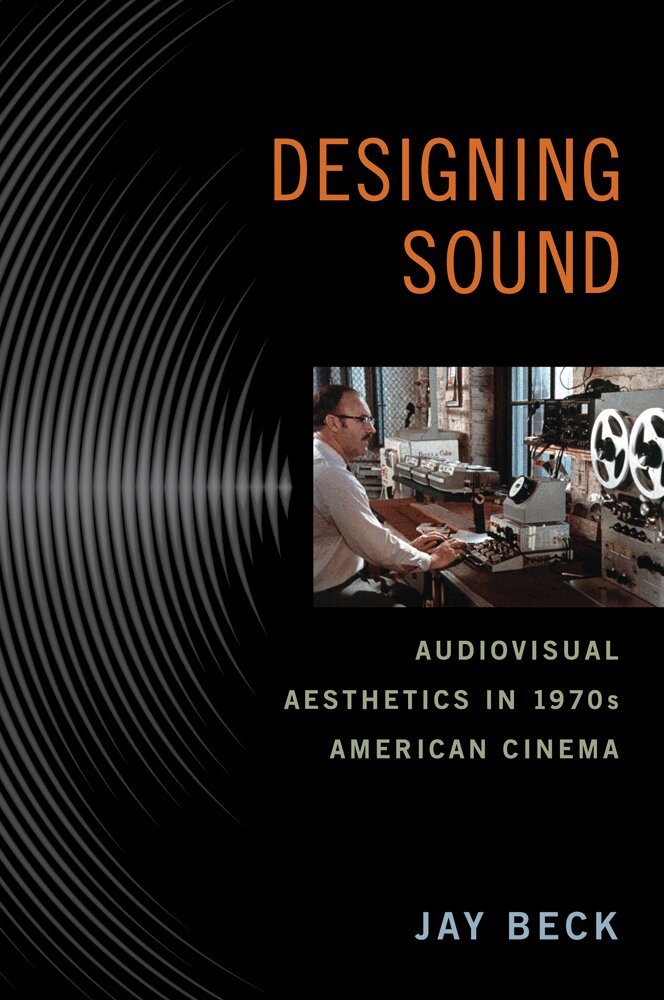
The late 1960s and 1970s are widely recognized as a golden age for American film, as directors like Francis Ford Coppola, George Lucas, and Martin Scorsese expanded the Hollywood model with aesthetically innovative works. As this groundbreaking new study reveals, those filmmakers were blessed with more than just visionary eyes; Designing Sound focuses on how those filmmakers also had keen ears that enabled them to perceive new possibilities for cinematic sound design. Offering detailed case studies of key films and filmmakers, Jay Beck explores how sound design was central to the era’s experimentation with new modes of cinematic storytelling. He demonstrates how sound was key to many directors’ signature aesthetics, from the overlapping dialogue that contributes to Robert Altman’s naturalism to the wordless interludes at the heart of Terrence Malick’s lyricism. Yet the book also examines sound design as a collaborative process, one where certain key directors ceded authority to sound technicians who offered significant creative input. Designing Sound provides readers with a fresh take on a much-studied era in American film, giving a new appreciation of how artistry emerged from a period of rapid industrial and technological change. Filled with rich behind-the-scenes details, the book vividly conveys how sound practices developed by 1970s filmmakers changed the course of American cinema.
1 626 kr
Skickas inom 7-10 vardagar
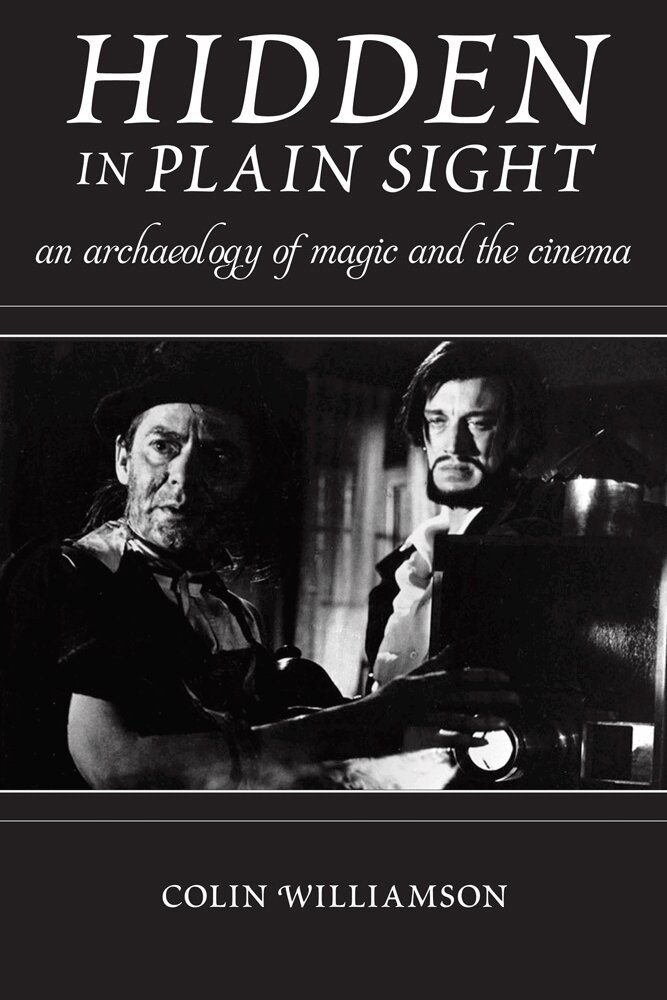
What does it mean to describe cinematic effects as “movie magic,” to compare filmmakers to magicians, or to say that the cinema is all a “trick”? The heyday of stage illusionism was over a century ago, so why do such performances still serve as a key reference point for understanding filmmaking, especially now that so much of the cinema rests on the use of computers? To answer these questions, Colin Williamson situates film within a long tradition of magical practices that combine art and science, involve deception and discovery, and evoke two forms of wonder-both awe at the illusion displayed and curiosity about how it was performed. He thus considers how, even as they mystify audiences, cinematic illusions also inspire them to learn more about the technologies and techniques behind moving images. Tracing the overlaps between the worlds of magic and filmmaking, Hidden in Plain Sight examines how professional illusionists and their tricks have been represented onscreen, while also considering stage magicians who have stepped behind the camera, from Georges MÉliÈs to Ricky Jay. Williamson offers an insightful, wide-ranging investigation of how the cinema has functioned as a “device of wonder” for more than a century, while also exploring how several key filmmakers, from Orson Welles to Christopher Nolan and Martin Scorsese, employ the rhetoric of magic. Examining pre-cinematic visual culture, animation, nonfiction film, and the digital trickery of today’s CGI spectacles, Hidden in Plain Sight provides an eye-opening look at the powerful ways that magic has shaped our modes of perception and our experiences of the cinema.
400 kr
Skickas inom 7-10 vardagar
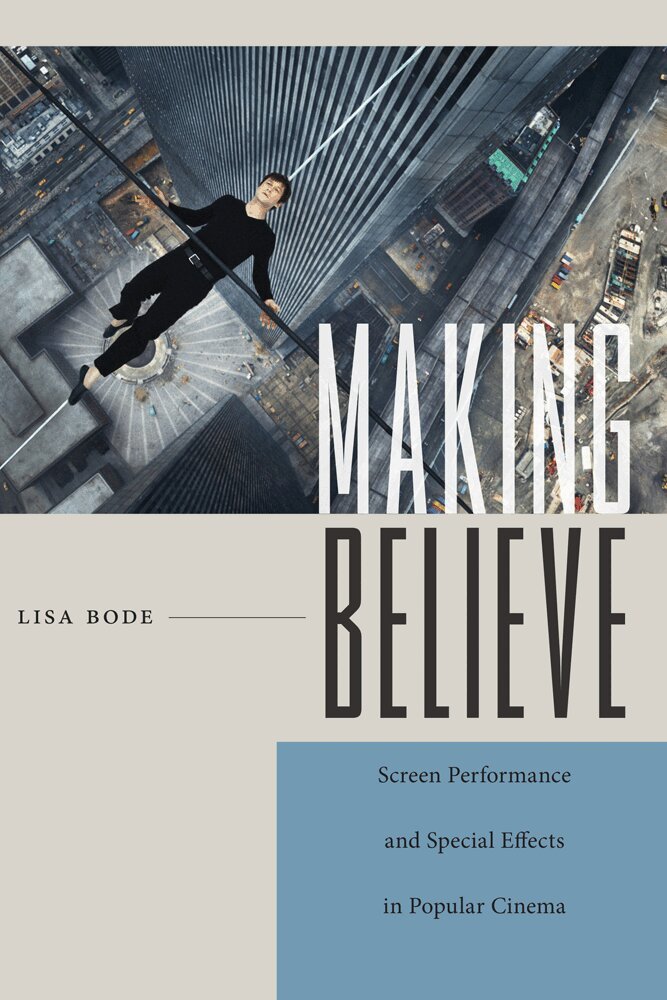
In the past twenty years, we have seen the rise of digital effects cinema in which the human performer is entangled with animation, collaged with other performers, or inserted into perilous or fantastic situations and scenery. Making Believe sheds new light on these developments by historicizing screen performance within the context of visual and special effects cinema and technological change in Hollywood filmmaking, through the silent, early sound, and current digital eras. Making Believe incorporates North American film reviews and editorials, actor and crew interviews, trade and fan magazine commentary, actor training manuals, and film production publicity materials to discuss the shifts in screen acting practice and philosophy around transfiguring makeup, doubles, motion capture, and acting to absent places or characters. Along the way it considers how performers and visual and special effects crew work together, and struggle with the industry, critics, and each other to define the aesthetic value of their work, in an industrial system of technological reproduction. Bode opens our eyes to the performing illusions we love and the tensions we experience in wanting to believe in spite of our knowledge that it is all make believe in the end.
1 579 kr
Skickas inom 7-10 vardagar
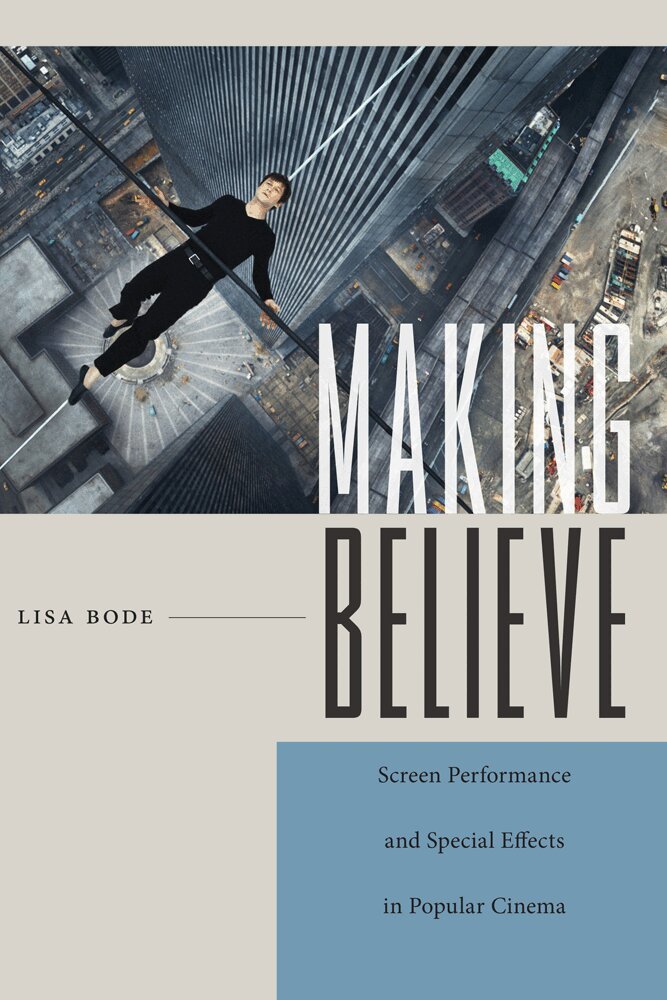
In the past twenty years, we have seen the rise of digital effects cinema in which the human performer is entangled with animation, collaged with other performers, or inserted into perilous or fantastic situations and scenery. Making Believe sheds new light on these developments by historicizing screen performance within the context of visual and special effects cinema and technological change in Hollywood filmmaking, through the silent, early sound, and current digital eras. Making Believe incorporates North American film reviews and editorials, actor and crew interviews, trade and fan magazine commentary, actor training manuals, and film production publicity materials to discuss the shifts in screen acting practice and philosophy around transfiguring makeup, doubles, motion capture, and acting to absent places or characters. Along the way it considers how performers and visual and special effects crew work together, and struggle with the industry, critics, and each other to define the aesthetic value of their work, in an industrial system of technological reproduction. Bode opens our eyes to the performing illusions we love and the tensions we experience in wanting to believe in spite of our knowledge that it is all make believe in the end.
387 kr
Skickas inom 7-10 vardagar
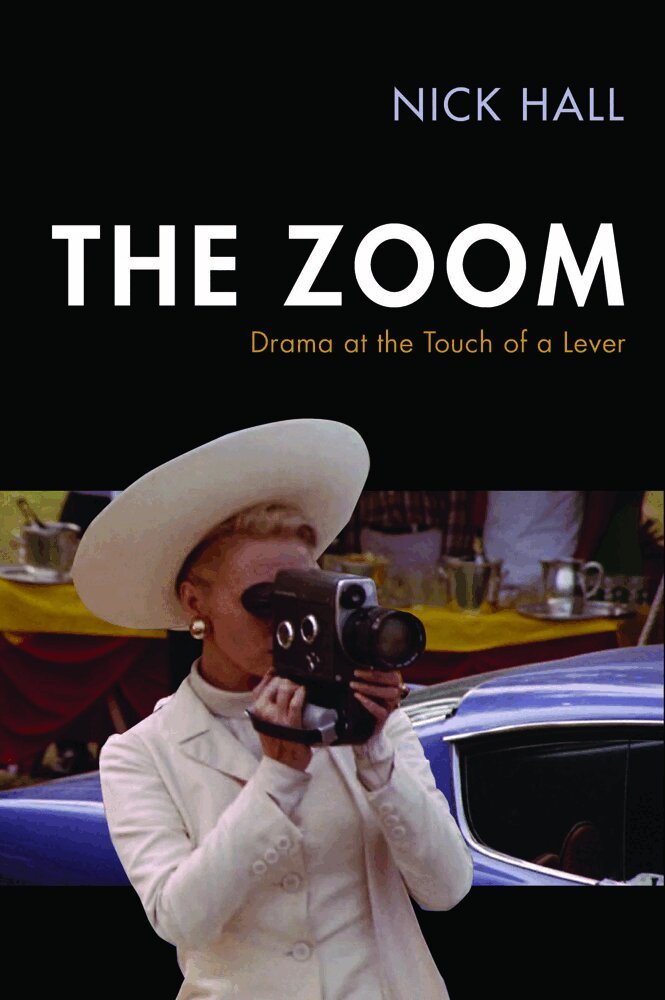
From the queasy zooms in Alfred Hitchcock's Vertigo to the avant-garde mystery of Michael Snow's Wavelength, from the excitement of televised baseball to the drama of the political convention, the zoom shot is instantly recognizable and highly controversial. In The Zoom, Nick Hall traces the century-spanning history of the zoom lens in American film and television. From late 1920s silent features to the psychedelic experiments of the 1960s and beyond, the book describes how inventors battled to provide film and television studios with practical zoom lenses, and how cinematographers clashed over the right ways to use the new zooms. Hall demonstrates how the zoom brought life and energy to cinema decades before the zoom boom of the 1970s and reveals how the zoom continues to play a vital and often overlooked role in the production of contemporary film and television.
398 kr
Skickas inom 7-10 vardagar
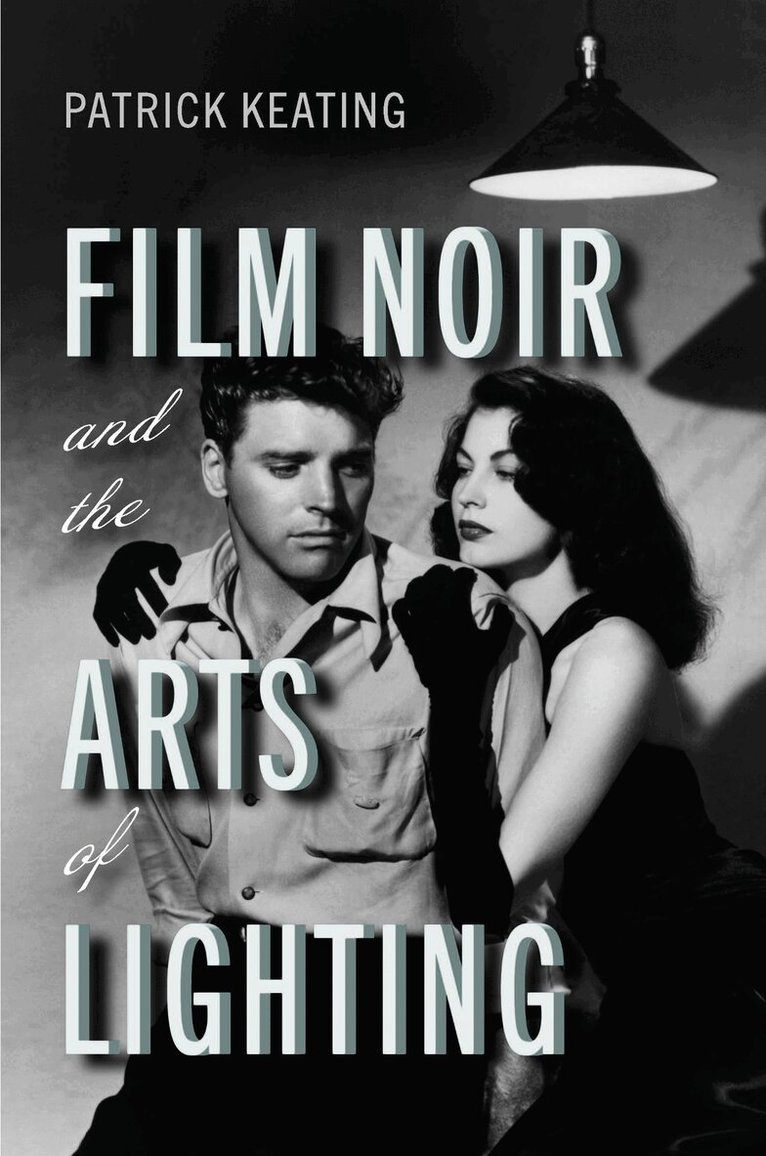
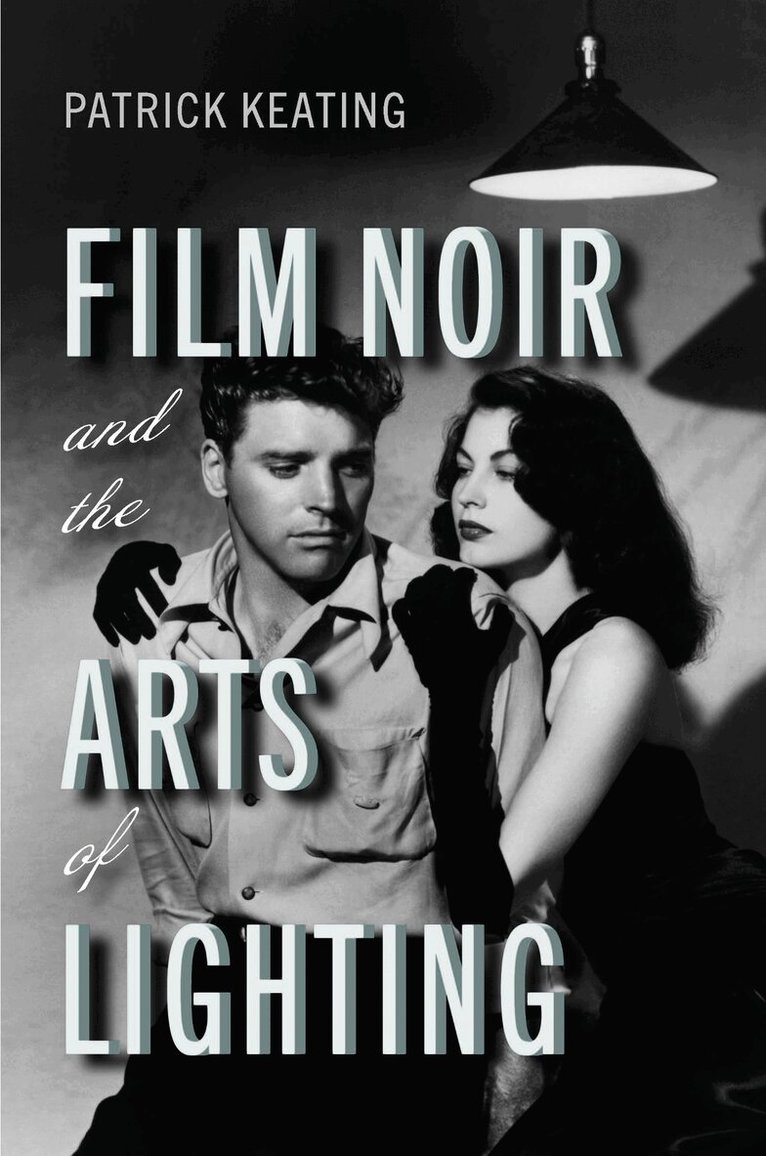
More than any other set of films from the classical era, the Hollywood film noir is known for its lighting: the cast shadows, the blinking street signs, the eyes sparkling in the darkness. Each effect is rich in symbolism, evoking a world of danger and doppelgangers. But what happens if we set aside the symbolism? This book offers a new account of film noir lighting, grounded in a larger theory of Hollywood cinematography as emotionally engaging storytelling. Above all, noir lighting is dynamic, switching from darkness to brightness and back again as characters change, locations shift, and fates unfold. Richly illustrated, Film Noir and the Arts of Lighting features in-depth analyses of eleven classic movies: The Asphalt Jungle, Sorry, Wrong Number, Odds against Tomorrow, The Letter, I Wake Up Screaming, Phantom Lady, Strangers on a Train, Sweet Smell of Success, Gaslight, Secret beyond the Door, and Touch of Evil.
1 410 kr
Skickas inom 7-10 vardagar
More than any other set of films from the classical era, the Hollywood film noir is known for its lighting: the cast shadows, the blinking street signs, the eyes sparkling in the darkness. Each effect is rich in symbolism, evoking a world of danger and doppelgangers. But what happens if we set aside the symbolism? This book offers a new account of film noir lighting, grounded in a larger theory of Hollywood cinematography as emotionally engaging storytelling. Above all, noir lighting is dynamic, switching from darkness to brightness and back again as characters change, locations shift, and fates unfold. Richly illustrated, Film Noir and the Arts of Lighting features in-depth analyses of eleven classic movies: The Asphalt Jungle, Sorry, Wrong Number, Odds against Tomorrow, The Letter, I Wake Up Screaming, Phantom Lady, Strangers on a Train, Sweet Smell of Success, Gaslight, Secret beyond the Door, and Touch of Evil.
439 kr
Skickas inom 7-10 vardagar
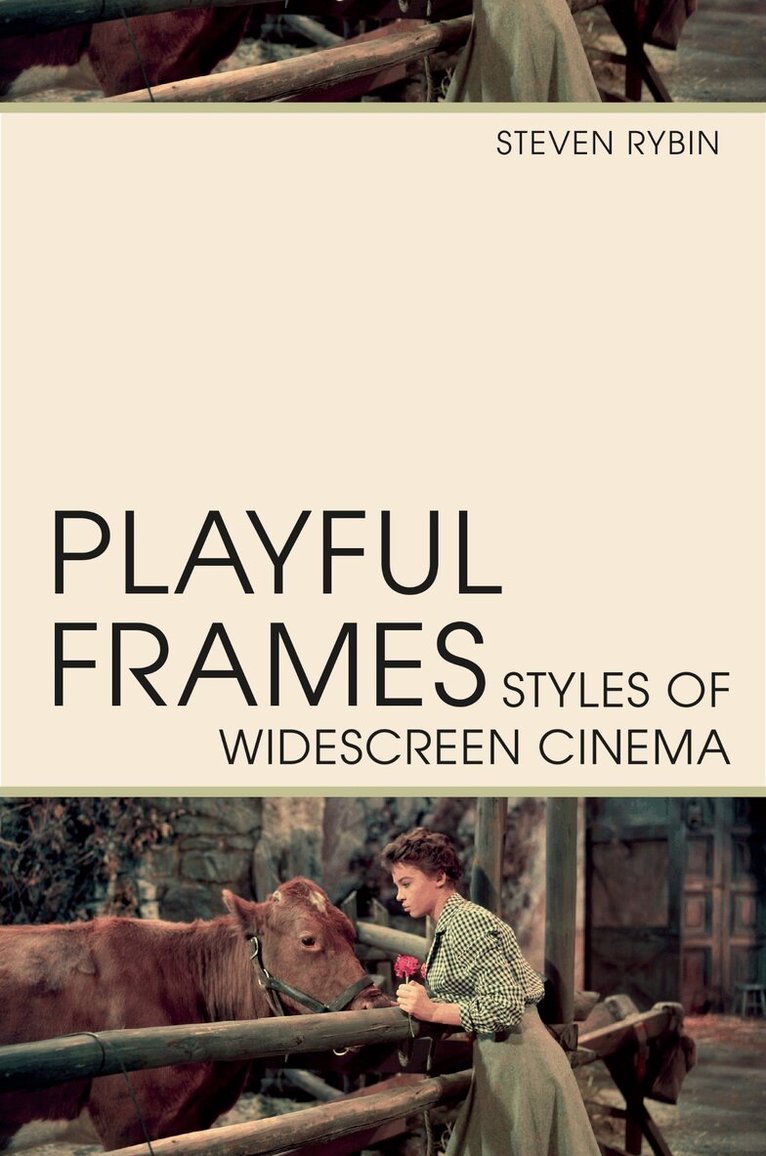
A widescreen frame in cinema beckons the eye to playfully, creatively roam. Such technology also gives inventive filmmakers room to disrupt and redirect audience expectations, surprising viewers through the use of a wider, more expansive screen. Playful Frames: Styles of Widescreen Cinema studies the poetics of the auteur-driven widescreen image, offering nimble, expansive analyses of the work of four distinctive filmmakers – Jean Negulesco, Blake Edwards, Robert Altman, and John Carpenter – who creatively inhabited the nooks and crannies of widescreen moviemaking during the final decades of the twentieth century. Exploring the relationship between aspect ratio and subject matter, Playful Frames shows how directors make puckish use of widescreen technology. All four of these distinctive filmmakers reimagined popular genres (such as melodrama, slapstick comedy, film noir, science fiction, and horror cinema) through their use of the wide frame, and each brings a range of intermedial interests (painting, performance, and music) to their use of the widescreen image. This study looks specifically at the technological underpinnings, aesthetic shapes, and interpretive implications of these four directors’ creative use of widescreen, offering a way to reconsider the way wide imagery still has the potential to amaze and move us today.
1 579 kr
Skickas inom 7-10 vardagar
A widescreen frame in cinema beckons the eye to playfully, creatively roam. Such technology also gives inventive filmmakers room to disrupt and redirect audience expectations, surprising viewers through the use of a wider, more expansive screen. Playful Frames: Styles of Widescreen Cinema studies the poetics of the auteur-driven widescreen image, offering nimble, expansive analyses of the work of four distinctive filmmakers – Jean Negulesco, Blake Edwards, Robert Altman, and John Carpenter – who creatively inhabited the nooks and crannies of widescreen moviemaking during the final decades of the twentieth century. Exploring the relationship between aspect ratio and subject matter, Playful Frames shows how directors make puckish use of widescreen technology. All four of these distinctive filmmakers reimagined popular genres (such as melodrama, slapstick comedy, film noir, science fiction, and horror cinema) through their use of the wide frame, and each brings a range of intermedial interests (painting, performance, and music) to their use of the widescreen image. This study looks specifically at the technological underpinnings, aesthetic shapes, and interpretive implications of these four directors’ creative use of widescreen, offering a way to reconsider the way wide imagery still has the potential to amaze and move us today.
383 kr
Kommande
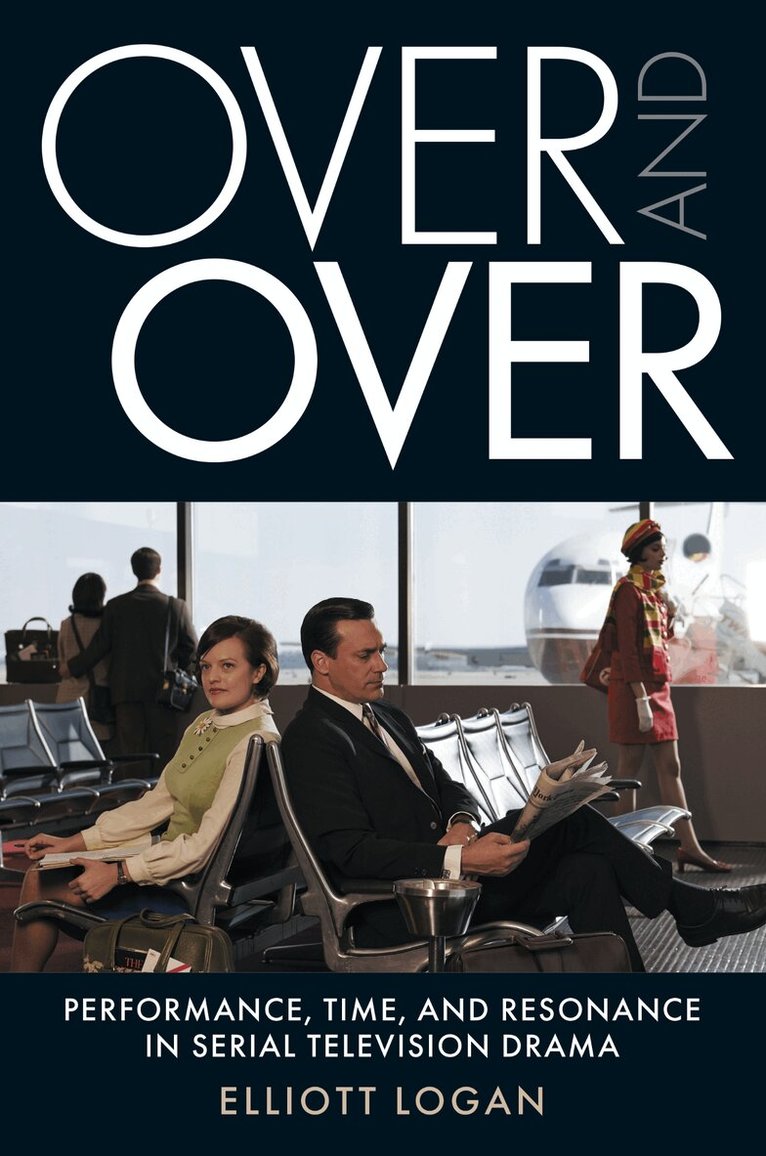
How does serial drama earn, keep, and reward our attention for so long—over episodes, seasons, months, and years? While we know that characters are the focus of story and viewer interest in television fiction, scholars have for decades overlooked the way those characters are performed on-screen and the lure of performance as a key formal and thematic aspect of long-form television storytelling. In Over and Over, Elliott Logan offers close readings of performance in some of the most celebrated television dramas of the century, casting new light on the attractions and significance of the medium's seriality. The book shows how the patterning and expressive resonance of performers on-screen binds together otherwise unconnected episodes of shows like The Sopranos and Mad Men. In doing so, it highlights the provisionality of identity and meaning as crucial to their interest in the sustenance of human relationships over long periods of time. In accounting for the resonance of performance over time in serial drama, this book shows, we find the terms of our own attachment to its compelling depictions of human life
1 347 kr
Kommande
How does serial drama earn, keep, and reward our attention for so long—over episodes, seasons, months, and years? While we know that characters are the focus of story and viewer interest in television fiction, scholars have for decades overlooked the way those characters are performed on-screen and the lure of performance as a key formal and thematic aspect of long-form television storytelling. In Over and Over, Elliott Logan offers close readings of performance in some of the most celebrated television dramas of the century, casting new light on the attractions and significance of the medium's seriality. The book shows how the patterning and expressive resonance of performers on-screen binds together otherwise unconnected episodes of shows like The Sopranos and Mad Men. In doing so, it highlights the provisionality of identity and meaning as crucial to their interest in the sustenance of human relationships over long periods of time. In accounting for the resonance of performance over time in serial drama, this book shows, we find the terms of our own attachment to its compelling depictions of human life
1 626 kr
Skickas inom 7-10 vardagar
Ever wonder why so many stars and featured players, male or female, in movies of Hollywood’s “Golden Age” look like they just stepped out of a beauty parlor even if the story places them in a jungle, a hospital bed, or the ancient past? All for Beauty examines how and why makeup and hairdressing evolved as crafts designed partly to maintain the white flawlessness of men and women as a value in the studio era. The book pays particular attention to the labor force, exploring the power and influence of cosmetics inventor and manufacturer Max Factor and the Westmore dynasty of makeup artists but also the contributions of others, many of them women, whose names are far less known. At the end of the complex, exciting, and at times dismaying chronicle, it is likely that readers will never again watch Hollywood films without thinking about the roles of makeup and hairdressing in creating both fictional characters and stars as emblems of an idealized and undeniably mesmerizing visual perfection.