Patrick Keating - Böcker
Visar alla böcker från författaren Patrick Keating. Handla med fri frakt och snabb leverans.
8 produkter
8 produkter
2 258 kr
Skickas inom 3-6 vardagar
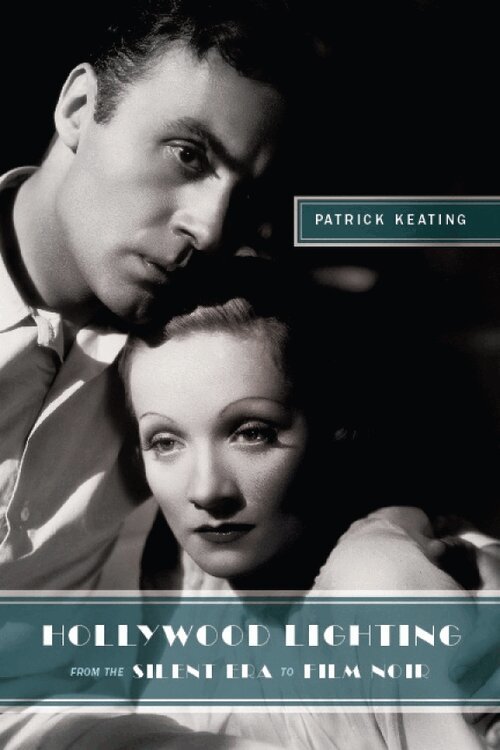
Lighting performs essential functions in Hollywood films, enhancing the glamour, clarifying the action, and intensifying the mood. Examining every facet of this understated art form, from the glowing backlights of the silent period to the shaded alleys of film noir, Patrick Keating affirms the role of Hollywood lighting as a distinct, compositional force. Closely analyzing Girl Shy (1924), Anna Karenina (1935), Only Angels Have Wings (1939), and T-Men (1947), along with other brilliant classics, Keating describes the unique problems posed by these films and the innovative ways cinematographers handled the challenge. Once dismissed as crank-turning laborers, these early cinematographers became skillful professional artists by carefully balancing the competing demands of story, studio, and star. Enhanced by more than one hundred illustrations, this volume counters the notion that style took a backseat to storytelling in Hollywood film, proving that the lighting practices of the studio era were anything but neutral, uniform, and invisible.Cinematographers were masters of multifunctionality and negotiation, honing their craft to achieve not only realistic fantasy but also pictorial artistry.
308 kr
Skickas inom 7-10 vardagar
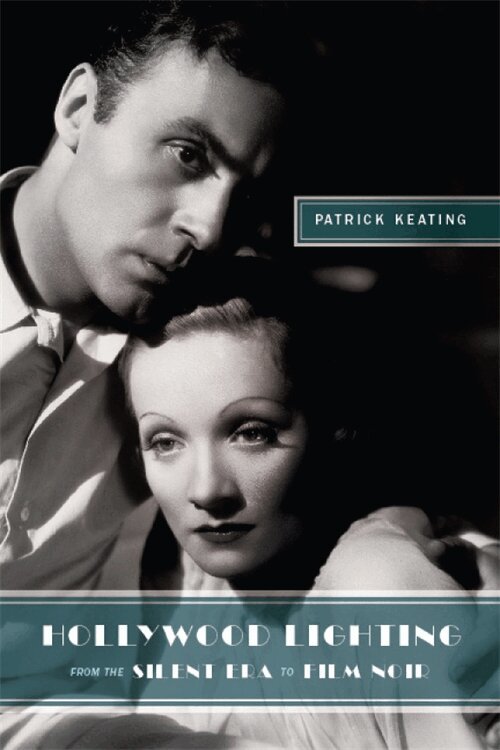
Lighting performs essential functions in Hollywood films, enhancing the glamour, clarifying the action, and intensifying the mood. Examining every facet of this understated art form, from the glowing backlights of the silent period to the shaded alleys of film noir, Patrick Keating affirms the role of Hollywood lighting as a distinct, compositional force. Closely analyzing Girl Shy (1924), Anna Karenina (1935), Only Angels Have Wings (1939), and T-Men (1947), along with other brilliant classics, Keating describes the unique problems posed by these films and the innovative ways cinematographers handled the challenge. Once dismissed as crank-turning laborers, these early cinematographers became skillful professional artists by carefully balancing the competing demands of story, studio, and star. Enhanced by more than one hundred illustrations, this volume counters the notion that style took a backseat to storytelling in Hollywood film, proving that the lighting practices of the studio era were anything but neutral, uniform, and invisible.Cinematographers were masters of multifunctionality and negotiation, honing their craft to achieve not only realistic fantasy but also pictorial artistry.
1 042 kr
Tillfälligt slut
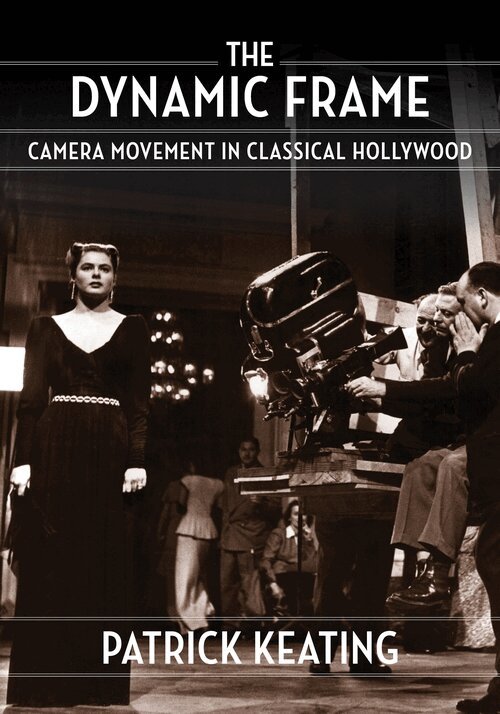
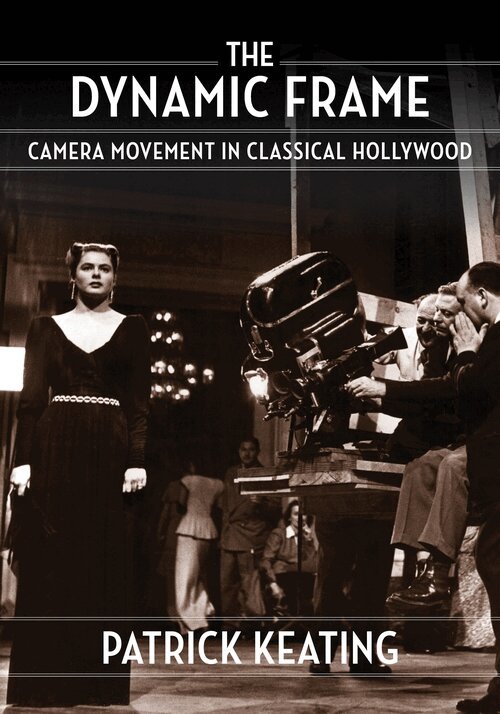
The camera’s movement in a film may seem straightforward or merely technical. Yet skillfully deployed pans, tilts, dollies, cranes, and zooms can express the emotions of a character, convey attitude and irony, or even challenge an ideological stance. In The Dynamic Frame, Patrick Keating offers an innovative history of the aesthetics of the camera that examines how camera movement shaped the classical Hollywood style.In careful readings of dozens of films, including Sunrise, The Grapes of Wrath, Rear Window, Sunset Boulevard, and Touch of Evil, Keating explores how major figures such as F. W. Murnau, Orson Welles, and Alfred Hitchcock used camera movement to enrich their stories and deepen their themes. Balancing close analysis with a broader poetics of camera movement, Keating uses archival research to chronicle the technological breakthroughs and the changing division of labor that allowed for new possibilities, as well as the shifting political and cultural contexts that inspired filmmakers to use technology in new ways. An original history of film techniques and aesthetics, The Dynamic Frame shows that the classical Hollywood camera moves not to imitate the actions of an omniscient observer but rather to produce the interplay of concealment and revelation that is an essential part of the exchange between film and viewer.
316 kr
Skickas inom 7-10 vardagar
The camera’s movement in a film may seem straightforward or merely technical. Yet skillfully deployed pans, tilts, dollies, cranes, and zooms can express the emotions of a character, convey attitude and irony, or even challenge an ideological stance. In The Dynamic Frame, Patrick Keating offers an innovative history of the aesthetics of the camera that examines how camera movement shaped the classical Hollywood style.In careful readings of dozens of films, including Sunrise, The Grapes of Wrath, Rear Window, Sunset Boulevard, and Touch of Evil, Keating explores how major figures such as F. W. Murnau, Orson Welles, and Alfred Hitchcock used camera movement to enrich their stories and deepen their themes. Balancing close analysis with a broader poetics of camera movement, Keating uses archival research to chronicle the technological breakthroughs and the changing division of labor that allowed for new possibilities, as well as the shifting political and cultural contexts that inspired filmmakers to use technology in new ways. An original history of film techniques and aesthetics, The Dynamic Frame shows that the classical Hollywood camera moves not to imitate the actions of an omniscient observer but rather to produce the interplay of concealment and revelation that is an essential part of the exchange between film and viewer.
245 kr
Skickas inom 7-10 vardagar
An essential work of twenty-first-century cinema, Alfonso Cuarón's 2004 film Harry Potter and the Prisoner of Azkaban is an elegant exemplar of contemporary cinematic trends, including serial storytelling, the rise of the fantasy genre, digital filmmaking, and collaborative authorship. With craft, wonder, and wit, the film captures the most engaging elements of the novel while artfully translating its literary point of view into cinematic terms that expand on the world established in the book series and previous films.In this book, Patrick Keating examines how Cuarón and his collaborators employ cinematography, production design, music, performance, costume, dialogue, and more to create the richly textured world of Harry Potter—a world filtered principally through Harry's perspective, characterized by gaps, uncertainties, and surprises. Rather than upholding the vision of a single auteur, Keating celebrates Cuarón's direction as a collaborative achievement that resulted in a family blockbuster layered with thematic insights.
1 497 kr
Skickas inom 7-10 vardagar
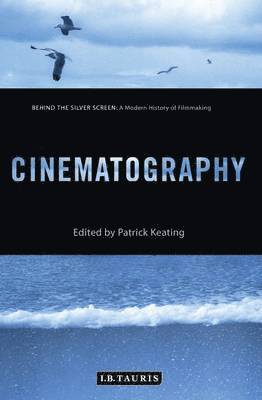
How does a film come to look the way it does? What influence does a film's look have on our reaction to it? Cinematography's role as a science and an art is often forgotten. Cinematography remedies this omission by examining the highlights of the art of the cinematographer and providing the first comprehensive overview of how the field has rapidly evolved, from the early silent film era to today's digital imagery. It shows how the art of cinematography has been influenced by both technological advances and trends in the movie industry, from the rise of big-budget blockbusters to the spread of indie films, with detailed views of films and profiles of the major cinematographers. It is a valuable behind-the-scenes look at the profession and a stirring celebration of the art form, that will equip general readers, students & industry professionals with a fresh eye for what appears on the screen.
400 kr
Skickas inom 7-10 vardagar
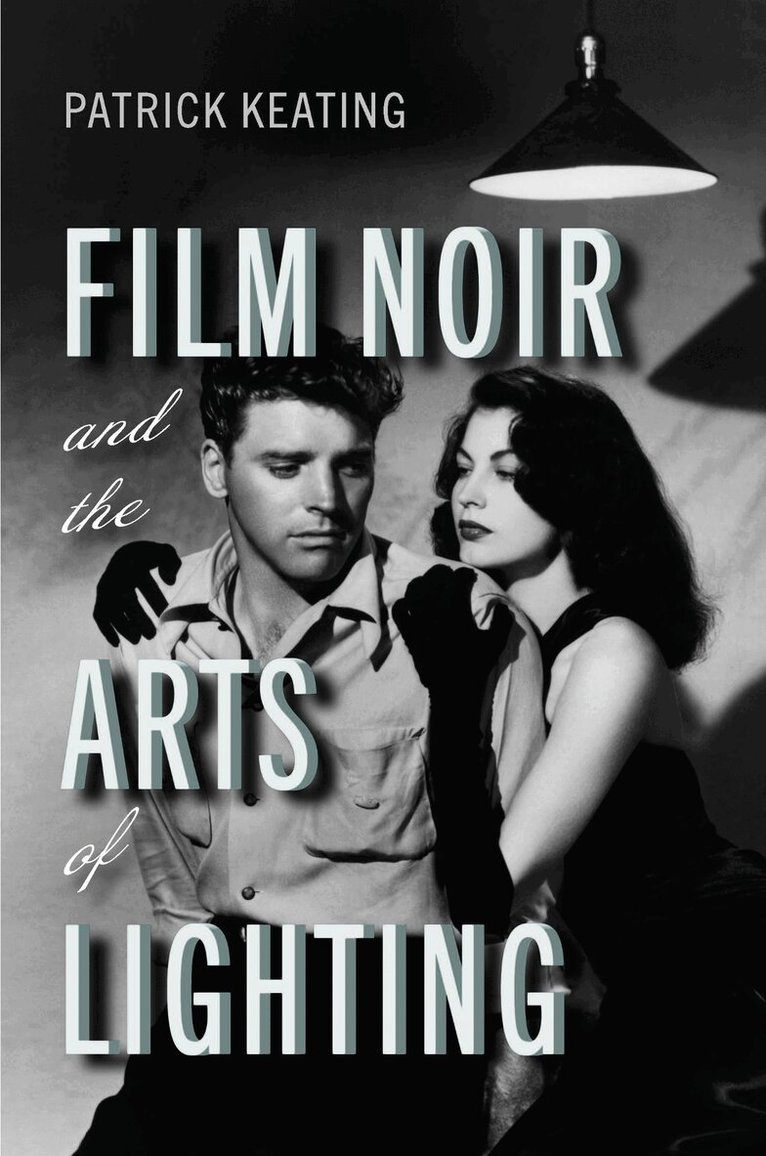
More than any other set of films from the classical era, the Hollywood film noir is known for its lighting: the cast shadows, the blinking street signs, the eyes sparkling in the darkness. Each effect is rich in symbolism, evoking a world of danger and doppelgangers. But what happens if we set aside the symbolism? This book offers a new account of film noir lighting, grounded in a larger theory of Hollywood cinematography as emotionally engaging storytelling. Above all, noir lighting is dynamic, switching from darkness to brightness and back again as characters change, locations shift, and fates unfold. Richly illustrated, Film Noir and the Arts of Lighting features in-depth analyses of eleven classic movies: The Asphalt Jungle, Sorry, Wrong Number, Odds against Tomorrow, The Letter, I Wake Up Screaming, Phantom Lady, Strangers on a Train, Sweet Smell of Success, Gaslight, Secret beyond the Door, and Touch of Evil.
1 415 kr
Skickas inom 7-10 vardagar
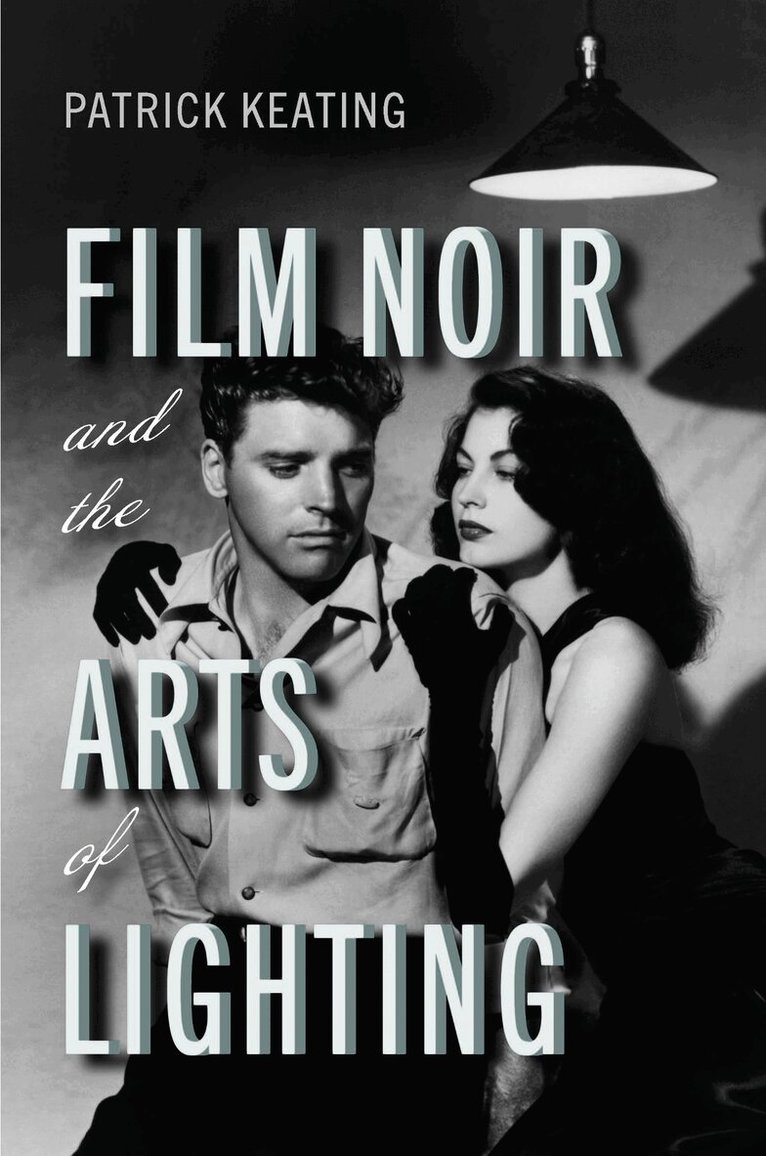
More than any other set of films from the classical era, the Hollywood film noir is known for its lighting: the cast shadows, the blinking street signs, the eyes sparkling in the darkness. Each effect is rich in symbolism, evoking a world of danger and doppelgangers. But what happens if we set aside the symbolism? This book offers a new account of film noir lighting, grounded in a larger theory of Hollywood cinematography as emotionally engaging storytelling. Above all, noir lighting is dynamic, switching from darkness to brightness and back again as characters change, locations shift, and fates unfold. Richly illustrated, Film Noir and the Arts of Lighting features in-depth analyses of eleven classic movies: The Asphalt Jungle, Sorry, Wrong Number, Odds against Tomorrow, The Letter, I Wake Up Screaming, Phantom Lady, Strangers on a Train, Sweet Smell of Success, Gaslight, Secret beyond the Door, and Touch of Evil.