Texas a&M University Anthropology Series – Serie
Visar alla böcker i serien Texas a&M University Anthropology Series. Handla med fri frakt och snabb leverans.
5 produkter
5 produkter
Del 13 - Texas a&M University Anthropology Series
Human Origins
What Bones and Genomes Tell Us About Ourselves
Häftad, Engelska, 2012
310 kr
Skickas inom 7-10 vardagar
Ever since the recognition of the Neanderthals as an archaic human in the mid-nineteenth century, the fossilized bones of extinct humans have been used by paleoanthropologists to explore human origins. These bones told the story of how the earliest humans—bipedal apes, actually—first emerged in Africa some 6 to 7 million years ago. Starting about 2 million years ago, the bones revealed, as humans became anatomically and behaviorally more modern, they swept out of Africa in waves into Asia, Europe and finally the New World.Even as paleoanthropologists continued to make important discoveries—Mary Leakey’s Nutcracker Man in 1959, Don Johanson’s Lucy in 1974, and most recently Martin Pickford’s Millennium Man, to name just a few—experts in genetics were looking at the human species from a very different angle. In 1953 James Watson and Francis Crick first saw the double helix structure of DNA, the basic building block of all life. In the 1970s it was shown that humans share 98.7% of their genes with the great apes—that in fact genetically we are more closely related to chimpanzees than chimpanzees are to gorillas. And most recently the entire human genome has been mapped—we now know where each of the genes on the chromosomes that make up DNA is located on the double helix.In Human Origins: What Bones and Genomes Tell Us about Ourselves, two of the world’s foremost scientists, geneticist Rob DeSalle and paleoanthropologist Ian Tattersall, show how research into the human genome confirms what fossil bones have told us about human origins. This unprecedented integration of the fossil and genomic records provides the most complete understanding possible of humanity’s place in nature, its emergence from the rest of the living world, and the evolutionary processes that have molded human populations to be what they are today.Human Origins serves as a companion volume to the American Museum of Natural History’s new permanent exhibit, as well as standing alone as an accessible overview of recent insights into what it means to be human.
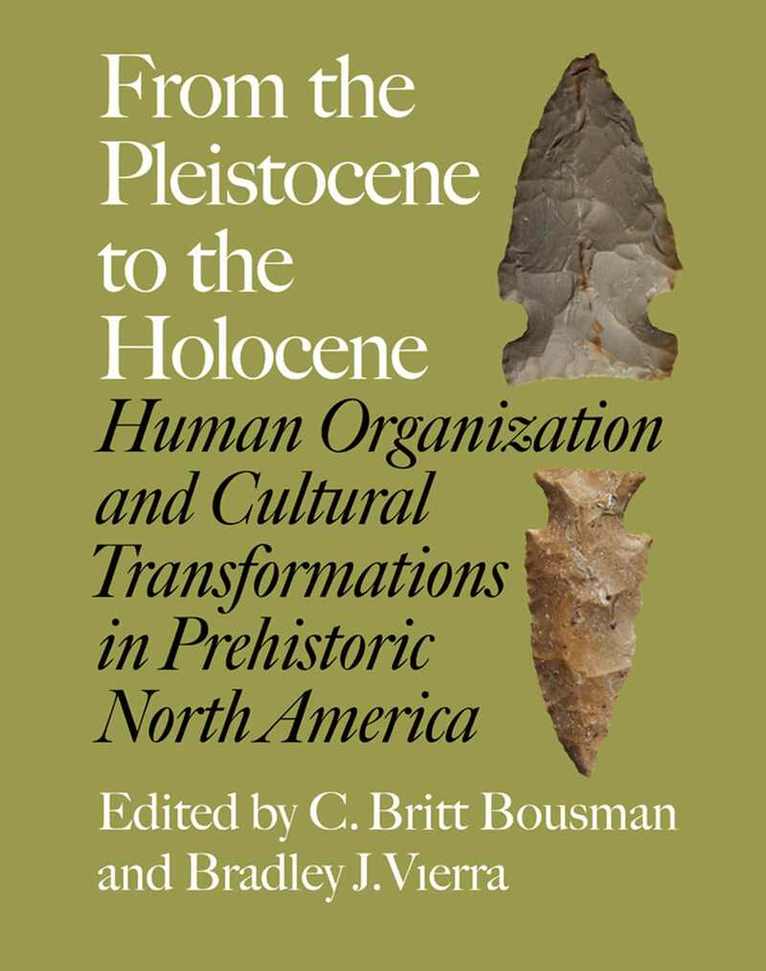
From the Pleistocene to the Holocene
Human Organization and Cultural Transformations in Prehistoric North America
Inbunden, Engelska, 2012
767 kr
Skickas inom 7-10 vardagar
The end of the Pleistocene era brought dramatic environmental changes to small bands of humans living in North America: changes that affected subsistence, mobility, demography, technology, and social relations. The transition they made from Paleoindian (Pleistocene) to Archaic (Early Holocene) societies represents the first major cultural shift that took place solely in the Americas. This event—which manifested in ways and at times much more varied than often supposed—set the stage for the unique developments of behavioral complexity that distinguish later Native American prehistoric societies.Using localized studies and broad regional syntheses, the contributors to this volume demonstrate the diversity of adaptations to the dynamic and changing environmental and cultural landscapes that occurred between the Pleistocene and early portion of the Holocene. The authors' research areas range from Northern Mexico to Alaska and across the continent to the American Northeast, synthesizing the copious available evidence from well-known and recent excavations.With its methodologically and geographically diverse approach, From the Pleistocene to the Holocene: Human Organization and Cultural Transformations in Prehistoric North America provides an overview of the present state of knowledge regarding this crucial transformative period in Native North America. It offers a large-scale synthesis of human adaptation, reflects the range of ideas and concepts in current archaeological theoretical approaches, and acts as a springboard for future explanations and models of prehistoric change.
409 kr
Skickas inom 11-20 vardagar
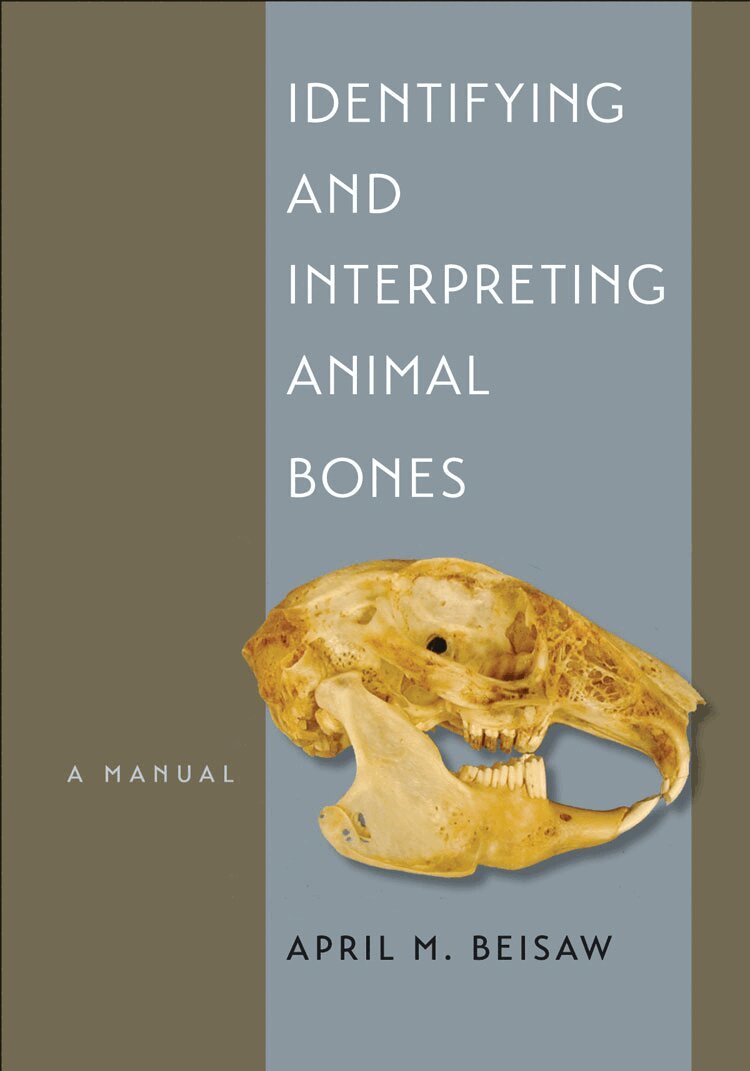
Offering a field-tested analytic method for identifying faunal remains, along with helpful references, images, and examples of the most commonly encountered North American species, Identifying and Interpreting Animal Bones: A Manual provides an important new reference for students, avocational archaeologists, and even naturalists and wildlife enthusiasts. Using the basic principles outlined here, the bones of any vertebrate animal, including humans, can be identified and their relevance to common research questions can be better understood. Because the interpretation of archaeological sites depends heavily on the analysis of surrounding materials—soils, artefacts, and floral and faunal remains—it is important that non-human remains be correctly distinguished from human bones, that distinctions between domesticated and wild or feral animals be made correctly, and that evidence of the reasons for faunal remains in the site be recognised. But the ability to identify and analyse animal bones is a skill that is not easy to learn from a traditional textbook. In Identifying and Interpreting Animal Bones, veteran archaeologist and educator April Beisaw guides readers through the stages of identification and analysis with sample images and data, also illustrating how specialists make analytical decisions that allow for the identification of the smallest fragments of bone. Extensive additional illustrative material, from the author’s own collected assemblages and from those in the Archaeological Analytical Research Facility at Binghamton University in New York, USA are also available in the book’s online supplement. There, readers can view and interact with images to further understanding of the principles explained in the text.
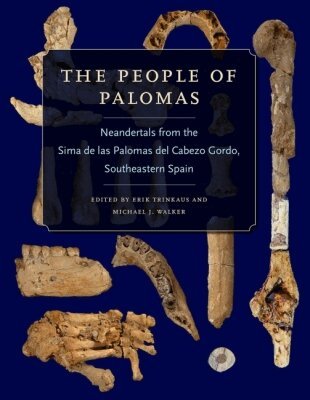
People of Palomas
Neandertals from the Sima De Las Palomas Del Cabezo Gordo, Southeastern Spain
Inbunden, Engelska, 2017
677 kr
Skickas inom 11-20 vardagar
The Neandertal site at Sima de las Palomas del Cabezo Gordo, located in Murcia in southeastern Spain, is unique in several respects. Its most important contribution to the field of study, however, may be the fact that it consists of the remains of multiple individuals, adding appreciable breadth to the available data for a greater understanding of Neandertals. Further, its location in the Iberian Peninsula south of the Pyrenees suggests potential for studying a population that may have been somewhat isolated from contemporaneous groups of early humans.This comprehensive analysis represents the first detailed overview of the human fossil assemblage found at the Sima de las Palomas site. While scientific discussion continues regarding the precise impact of Neandertals upon modern human physiology and biology, The People of Palomas adds significantly to our knowledge of the human fossil record of the Late Pleistocene.
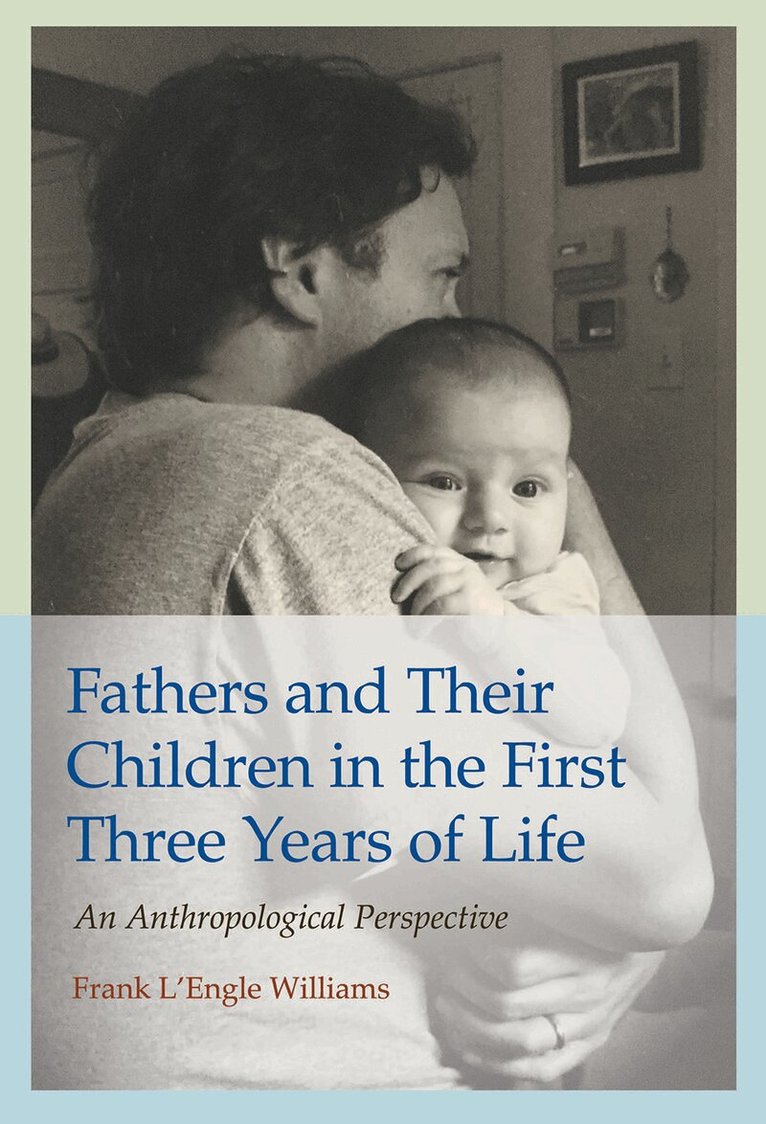
Fathers and Their Children in the First Three Years of Life
An Anthropological Perspective
Inbunden, Engelska, 2019
542 kr
Skickas inom 10-15 vardagar
How ancient is father care of human infants and young children, and why did it emerge? Is it possible that father care arose among the ancestors of modern humans and became essential for survival? Or is it a recent, though variable, development? Is father care an evolved trait of Homo sapiens or is it a learned cultural behavior transmitted across generations in some societies but not others?In this important study, Frank L'Engle Williams examines the anthropological record for evidence of the social behaviors associated with paternity, suggesting that ample evidence exists for the importance of such behaviors for infant survival. Focusing on the first three postnatal years, he considers the implications of father care-both in the fossil record and in more recent cross-cultural research-for the development of such distinctively human traits as bipedalism, extensive brain growth, language, and socialization. He also reviews the rituals by which many human societies construct and reinforce the meanings of socially recognized fatherhood.Father care was adaptive within the context of the parental pair bond and shaped how infants developed socially and biologically. The initial imprinting of socially recognized fathers during the first few postnatal years may have sustained culturally sanctioned indirect care such as provisioning and protection of dependents for nearly two decades thereafter. In modern humans, this three-year window is critical to father-child bonding. By increasing the survival of children in the past, present, and quite possibly the future, father care may be a driving force in the biological and cultural evolution of Homo sapiens.