The Lieber Studies Series - Böcker
Visar alla böcker i serien The Lieber Studies Series. Handla med fri frakt och snabb leverans.
11 produkter
11 produkter
1 347 kr
Skickas inom 5-8 vardagar
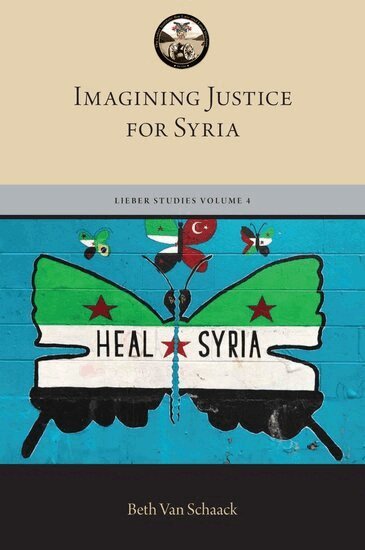
This book situates the war in Syria within the actual and imagined system of international criminal justice. It explores the legal impediments and diplomatic challenges that have led to the fatal trinity affecting Syria: the massive commission of international crimes that are subject to detailed investigations and documentation but whose perpetrators have enjoyed virtually complete impunity. Given this tragic state of affairs, the book tracks a number of accountability solutions being explored within multilateral initiatives and by civil society actors, including innovations of institutional design; the renewed utility of a range of domestic jurisdictional principles (including the revival of universal jurisdiction in Europe); the emergence of creative investigative and documentation techniques, technologies, and organizations; and the rejection of state consent as a precondition for the exercise of jurisdiction. Engaging both law and policy around international justice, the text offers a set of justice blueprints, within and without the International Criminal Court. It also considers the utility, propriety, and practicality of pursuing a transitional justice program without a genuine political transition. All told, the book attempts to capture results of the creative energy radiating from members of the international community intent on advancing the accountability norm in Syria even in the face of geopolitical blockages within the U.N. Security Council. In so doing, it presents the range of juridical measures-both criminal and civil - that would be available to the international community to respond to the crisis, if only the political will existed.
1 040 kr
Skickas inom 5-8 vardagar
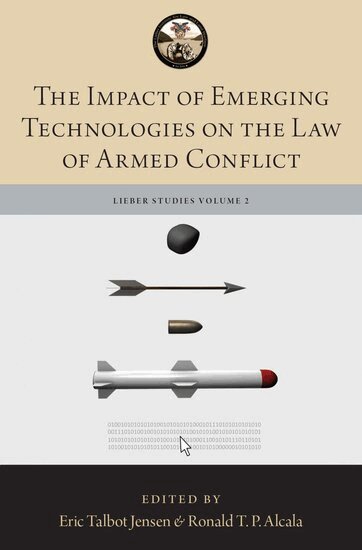
Emerging technologies have always played an important role in armed conflict. From the crossbow to cyber capabilities, technology that could be weaponized to create an advantage over an adversary has inevitably found its way into military arsenals for use in armed conflict. The weaponization of emerging technologies, however, raises challenging legal issues with respect to the law of armed conflict. As States continue to develop and exploit new technologies, how will the law of armed conflict address the use of these technologies on the battlefield? Is existing law sufficient to regulate new technologies, such as cyber capabilities, autonomous weapons systems, and artificial intelligence? Have emerging technologies fundamentally altered the way we should understand concepts such as law-of-war precautions and the principle of distinction? How can we ensure compliance and accountability in light of technological advancement? This volume of the Lieber Studies explores these critical questions while highlighting the legal challenges--and opportunities--presented by the use of emerging technologies on the battlefield.
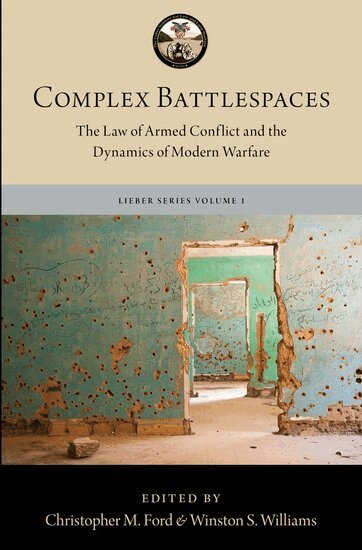
Complex Battlespaces
The Law of Armed Conflict and the Dynamics of Modern Warfare
Inbunden, Engelska, 2019
1 040 kr
Skickas inom 5-8 vardagar
The conduct of warfare is constantly shaped by new forces that create complexities in the battlespace for military operations. As the nature of how and where wars are fought changes, new challenges to the application of the extant body of international law that regulates armed conflicts arise. This inaugural volume of the Lieber Studies Series seeks to address several issues in the confluence of law and armed conflict, with the primary goal of providing the reader with both academic and practitioner perspectives.Featuring chapters from world class scholars, policymakers and other government officials; military and civilian legal practitioners; and other thought leaders, together they examine the role of the law of armed conflict in current and future armed conflicts around the world. Complex Battlespaces also explores several examples of battlespace dynamics through four "lenses of complexity": complexity in legal regimes, governance, technology, and the urbanization of the battlefield.
1 040 kr
Skickas inom 5-8 vardagar
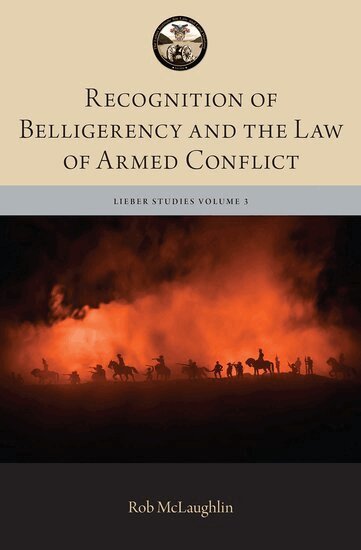
Prior to the progressive development of the law of armed conflict heralded by the 1949 Geneva Conventions — most particularly in relation to the concepts of international and non-international armed conflict-the customary doctrine on recognition of belligerency functioned for almost 200 years as the definitive legal scheme for differentiating internal conflict from "civil wars", in which the law of war as applicable between states applied de jure.Employing a legal historical approach, this book describes the thematic and practical fundamentals of the doctrine, and analyzes some of the more significant challenges to its application. In doing so, it assesses whether, how, and why the doctrine on recognition of belligerency was considered "fit for purpose," and seeks to inform debate as to its continuity and utility within the modern scheme of the law of armed conflict.
1 296 kr
Skickas inom 5-8 vardagar
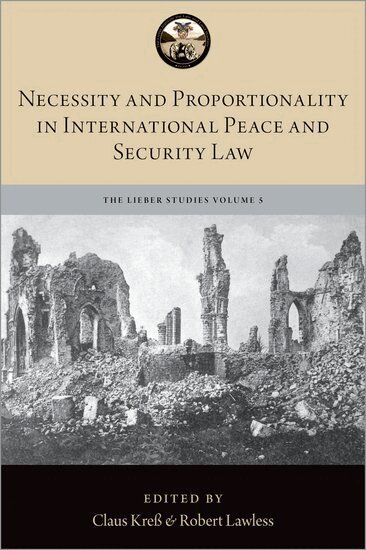
Necessity and proportionality hold a firm place in the international law governing the use of force by states, as well as in the law of armed conflict. However, the precise contours of these two requirements are uncertain and controversial. The aim of Necessity and Proportionality in International Peace and Security Law is to explore how necessity and proportionality manifest themselves in the modern world under the law governing the use of force and the law of armed conflict, and how they relate to each other. The book explores the ways in which necessity and proportionality are applied in practice and addresses pressing legal issues in the law on the use of force, including the controversial "unwilling and unable" test for the use of force in self-defense, drones and targeted killing, the application of this legal regime during civil war, and the need for further transparency in states' justification for the use of force in self-defense. The analysis of the role of military necessity within the law of armed conflict on the modern battlefield focuses on the history and nature of the principle of military necessity, the proper application of the principle of proportionality, how commanders should account for mental harm in calculating proportionality, and the role artificial intelligence and autonomous weapons systems may play in proportionality analysis. The book concludes with a discussion of the potential role of proportionality in the law governing post-conflict contexts.
Proportionality in International Humanitarian Law
Consequences, Precautions, and Procedures
Inbunden, Engelska, 2021
1 296 kr
Skickas inom 5-8 vardagar
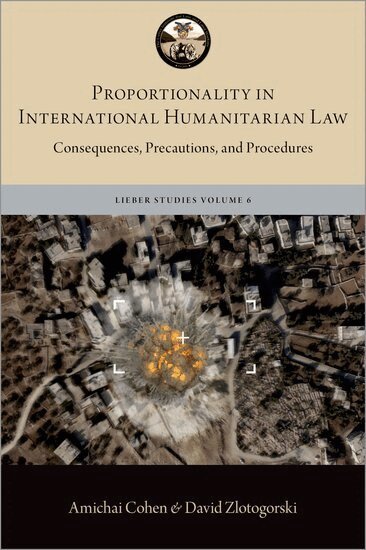
The principle of proportionality is one of the corner-stones of international humanitarian law. Almost all states involved in armed conflicts recognize that launching an attack which may cause incidental harm to civilians that exceeds the direct military advantage anticipated from the attack is prohibited. This prohibition is included in military manuals, taught in professional courses, and accepted as almost axiomatic. And yet, the exact meaning of the principle is vague. Almost every issue, from the most elementary question of how to compare civilian harm and military advantage, to the obligation to employ accurate but expensive weapons, is disputed. Controversy is especially rife regarding asymmetrical conflicts, in which many modern democracies are involved. How exactly should proportionality be implemented when the enemy is not an army, but a non-state-actor embedded within a civilian population? What does it mean to use precautions in attack, when almost every attack is directed at objects that are used for both military and civilian purposes?In Proportionality in International Humanitarian Law, Amichai Cohen and David Zlotogorski discuss the philosophical and political background of the principle of proportionality. Offering a fresh and comprehensive look at this key doctrine, they comprehensively discuss the different components of the proportionality “equation” - the meaning of “incidental harm” to civilians; the “military advantage” and the term “excessive”. The book proposes the debates over the principle of proportionality be reframed to focus on the precautions taken before the attack along with the course States should follow in investigations of the violations of the principle.
1 229 kr
Skickas inom 5-8 vardagar
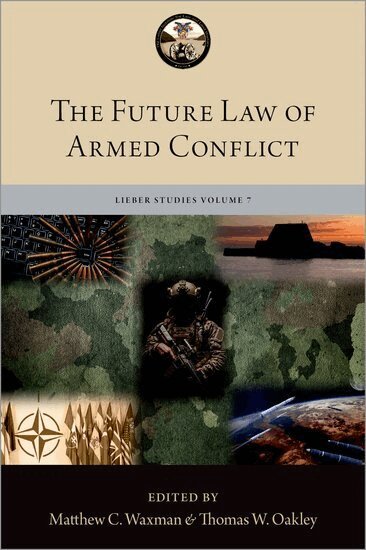
Warfare is changing - and rapidly. New technologies, new geopolitical alignments, new interests and vulnerabilities, and other developments are changing how, why, and by whom conflict will be waged. Just as militaries must plan ahead for an environment in which threats, alliances, capabilities, and even the domains in which they fight will differ from today, they must plan for international legal constraints that may differ, too.This volume considers how law and institutions for creating, interpreting, and enforcing it might look two decades ahead - as well as what opportunities may exist to influence it in that time. Such assessment is important as the U.S. and other governments plan for future warfare. It is also important as they formulate strategies for influencing the development of law to better serve security, humanitarian, and other interests. This volume examines not just specific questions, such as how might a particular technology require adaptive interpretation of existing law, but also grand ones, such as whether law is capable at all of keeping up with these changes.
Big Data and Armed Conflict
Legal Issues Above and Below the Armed Conflict Threshold
Inbunden, Engelska, 2024
1 544 kr
Skickas inom 3-6 vardagar
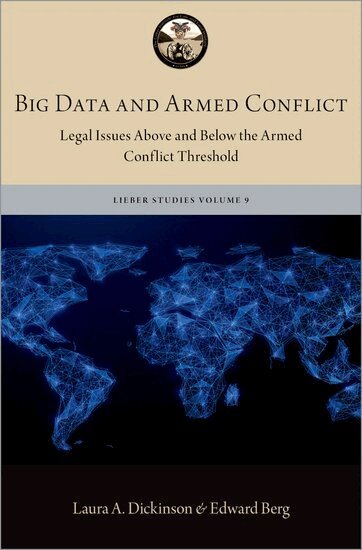
This book provides a pathbreaking attempt both to define the important legal questions related to the growing use of “big data” in extraterritorial military operations, and to begin to provide some answers. Big data, meaning the troves of data generated by new information technologies and the advanced analytics used to process that data, is radically reshaping the modern battlefield. Like many new military technologies and capabilities, the myriad uses of big data present broad questions about how to translate existing rules and principles embedded in multiple bodies of law to these new contexts, both within armed conflict, as part of adversarial activities below the armed conflict threshold, and in a range of related operations that increasingly use, deploy, and target such data. These questions extend beyond the role of big data within weapons systems and other military capabilities to questions about the nature of civilian harm, scope of individual rights, atrocity investigation, and humanitarian relief. The chapters in this book comprise the first initiative to grapple with a wide swath of these questions including whether, and how, jus ad bellum, international humanitarian law, international human rights law, and international criminal law might apply to operations involving big data. At the same time, because big data is so transformative, the uses of such data provoke deeper questions about the law itself, exposing gaps and interpretive ambiguities in existing legal frameworks that generate critiques of those frameworks as inadequate. Accordingly, while big data holds enormous promise, it also has the potential to disrupt modern warfare and the rule of law itself. This book confronts these issues directly, offers a range of approaches, and suggests an initial roadmap for scholars and practitioners alike.
1 141 kr
Skickas inom 5-8 vardagar
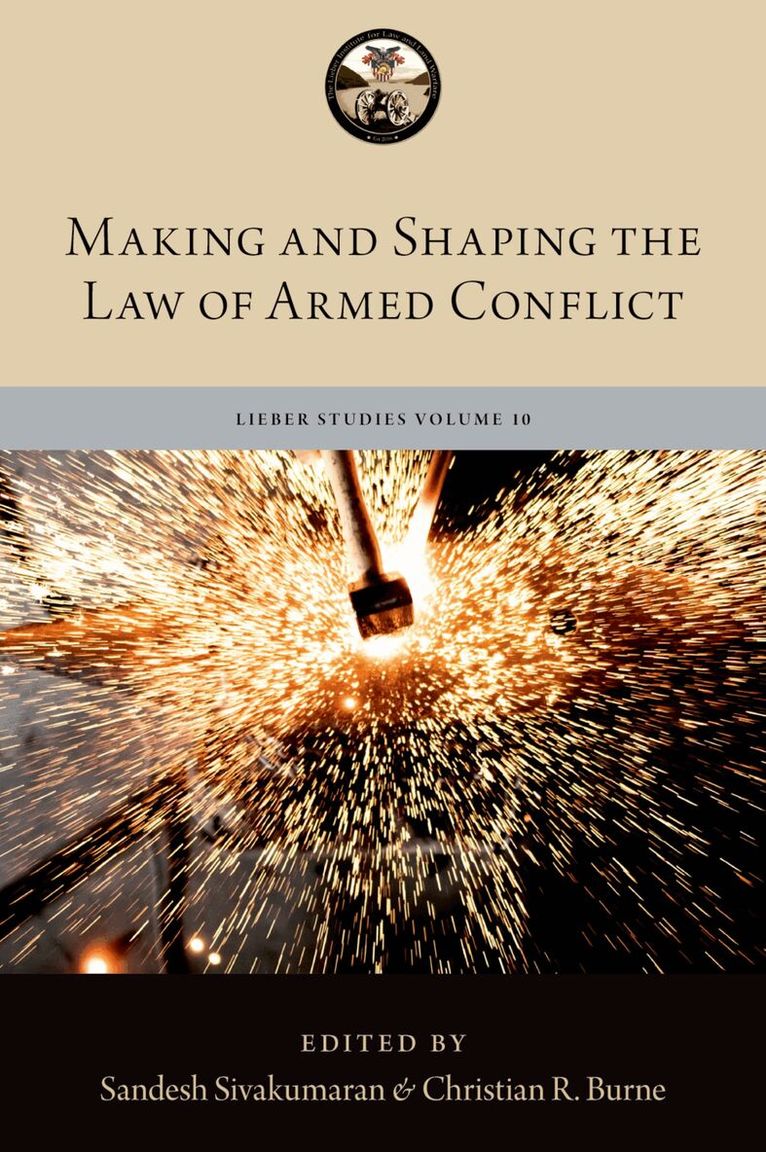
How laws are created, shaped, and applied is a significant but often overlooked component of studies on armed conflict. Almost every contentious legal question involves aspects of law-making and shaping, be it the determination of a rule's scope of application, whether and how to regulate a “new” situation, or determining which sources and materials to take into account. As such, all who operate in this space - whether academic, practitioner, policy-maker, or legal advisor - must appreciate and understand the forces, factors, and actors which converge to make and shape the ever-developing law of armed conflict.This volume brings together several key contributors to explore this making and shaping in depth. A variety of aspects of law-making and shaping are analyzed, from the methodology behind identifying principles and rules of law, to what weight should be given to the views of particular actors, to the various forums where the law is made and shaped. It examines foundational materials of the law of armed conflict including the 1949 Geneva Conventions and considers the influence of a wide scope of actors, ranging from States, the International Committee of the Red Cross, and international courts and tribunals through to expert groups, commissions of inquiry, and non-state armed groups. This volume also asks us to broaden our gaze beyond spaces where the law is traditionally created to uncover different types of making and unmaking
1 316 kr
Skickas inom 5-8 vardagar
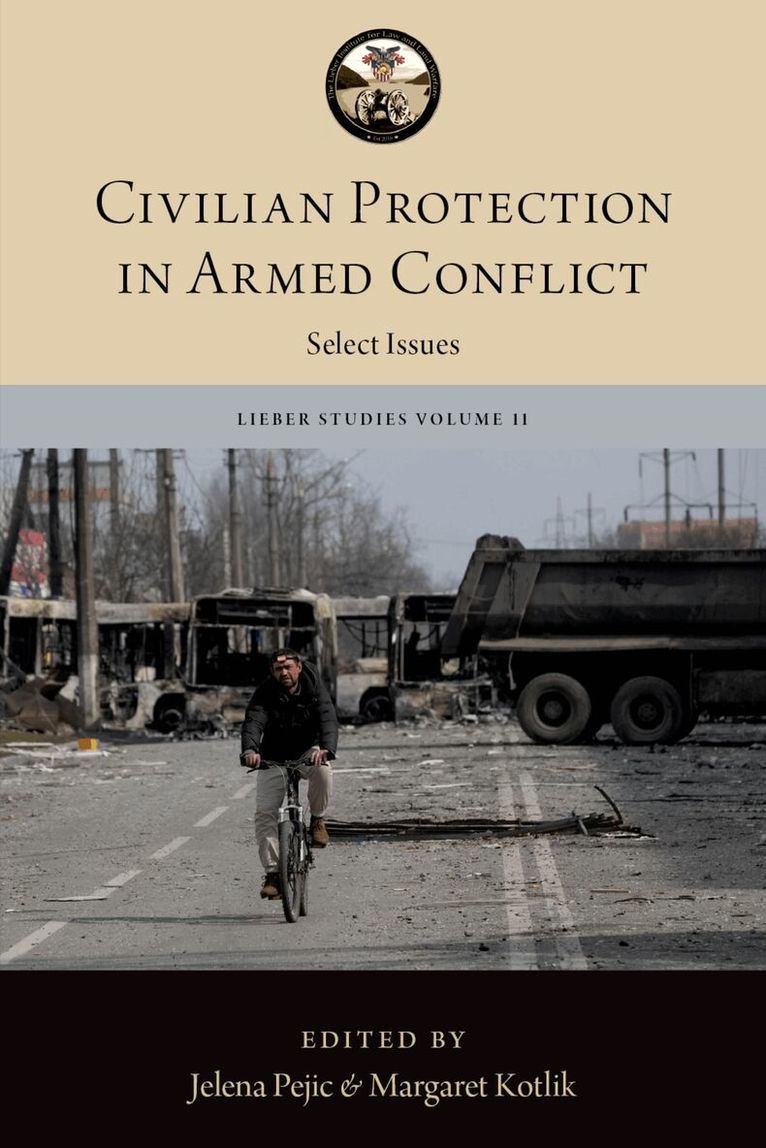
Protecting civilians who have fallen into enemy hands or are just about to come under the adversary's control is a constant challenge in the application of international humanitarian law (IHL) and the law of armed conflict (LOAC). Despite many decades of scholarship, military operational practice, and advocacy, certain legal questions remain unresolved, while others have been insufficiently examined or are newly emerging due to technological, societal, and cultural developments. Civilian Protection in Armed Conflict explores a range of longstanding, current, and new legal and practical issues in the interpretation and application of IHL/LOAC related to civilian protection. The subjects selected are based on the experiences or observations of repeated dilemmas about the extent of legal protections owed and actually extended to civilians in military operations. These include the protection of unprivileged belligerents and civilians in the invasion phase of international armed conflict, the law underlying civilian “screening” operations, and the challenges of setting up humanitarian corridors. Responding to recent armed conflicts including in Ukraine, Gaza, and Sudan, renewed attention is also paid to the rules governing deportation and forced conscription, and to the evolving area of civilian data protection and extraterritorial data migration. Developing interfaces between IHL/LOAC and other legal regimes, including environmental concerns, gender considerations, emerging technologies, and forensic science considerations are likewise explored. In all cases, accountability for non-respect of IHL/LOAC remains a fundamental legal obligation.
1 378 kr
Kommande
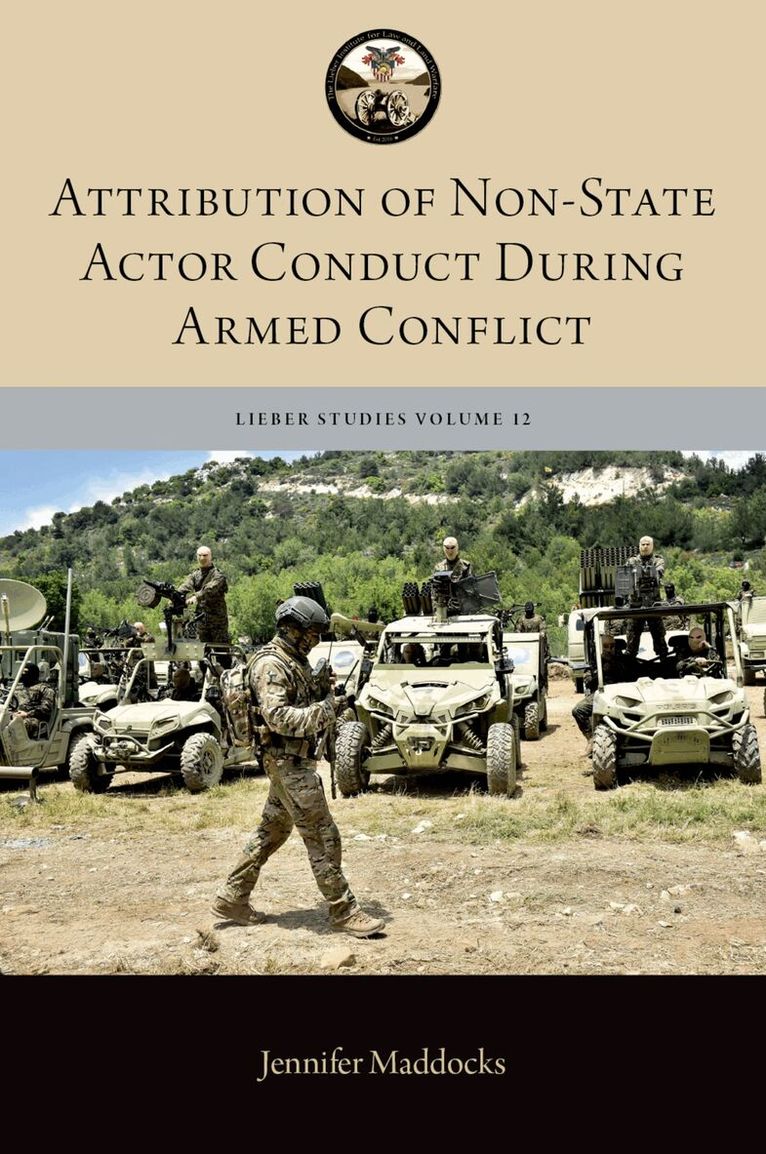
Armed conflict today involves a plethora of non-State actors including armed groups, private military companies, and hackers operating in the cyber domain. Frequently, these non-State actors act in a way that violates international law, for example by harming civilians, and they commonly act with the benefit of some form of State support. This raises critical questions about State responsibility. Attribution of Non-State Actor Conduct During Armed Conflict explores when and how international law attributes non-State actor conduct to a State, thereby triggering that State's international responsibility. Focusing on the six rules of attribution outlined in the International Law Commission's Articles on State Responsibility, the book provides a rigorous analysis of their practical application in the context of armed conflict. Using detailed case studies from the conflicts in Syria, Ukraine, and the Democratic Republic of the Congo, it examines each of the rules of attribution in turn, demonstrates when they would apply, and evaluates their effectiveness in holding States accountable for non-State actor conduct performed on their behalf. Critically assessing the legal and practical limitations of existing frameworks, the book argues that the predominant interpretation of the rules of attribution leaves an accountability gap, which enables States to act via proxy in a manner they could not lawfully operate via their own State organs. Combining doctrinal clarity with real-world relevance, it investigates how the inadequacies in the regulation of States' support to non-State actors in conflict situations should be remedied.