Thinking Art - Böcker
Visar alla böcker i serien Thinking Art. Handla med fri frakt och snabb leverans.
13 produkter
13 produkter
371 kr
Skickas inom 5-8 vardagar
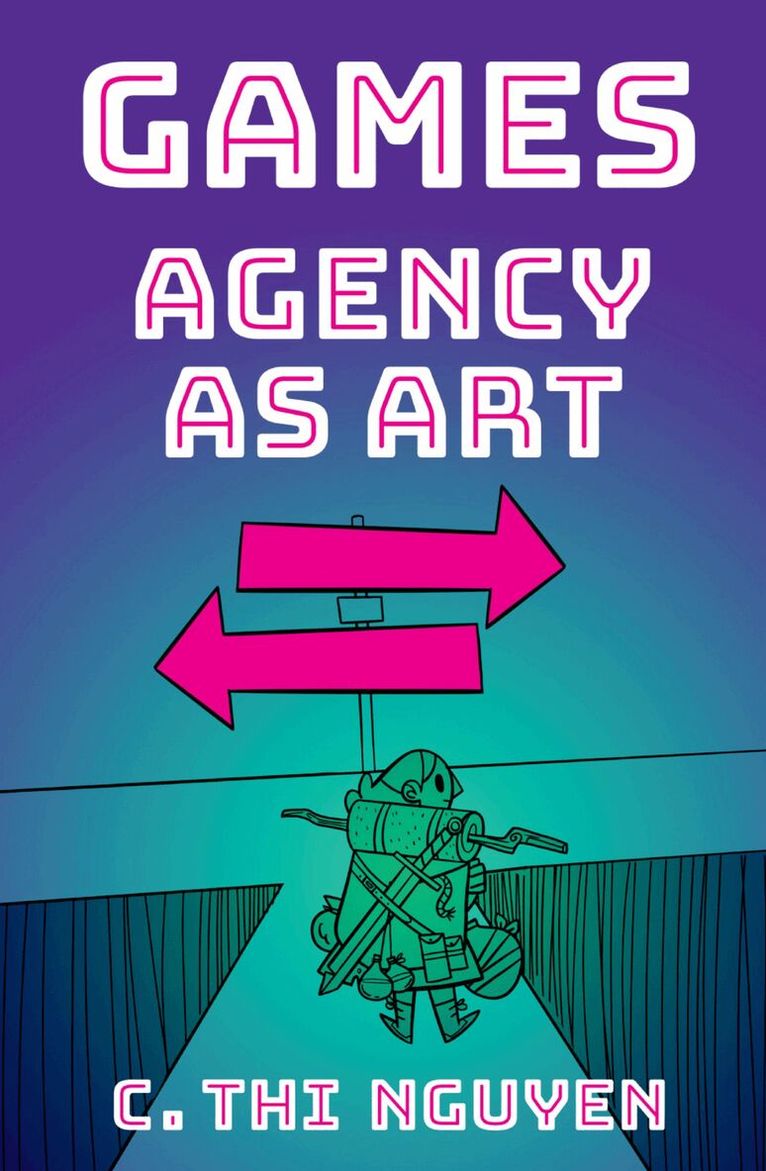
Games are a unique art form. Games work in the medium of agency. Game designers tell us who to be and what to care about during the game. Game designers sculpt alternate agencies, and game players submerge themselves in those alternate agencies. Thus, the fact that we play games demonstrates the fluidity of our own agency. We can throw ourselves, for a little while, into a different and temporary motivations. This volume presents a new theory of games which insists on their unique value. C. Thi Nguyen argues that games are an integral part our systems of communication and our art. Games sculpt our practical activities, allowing us to experience the beauty of our own actions and reasoning. Bridging aesthetics and practical reasoning, he gives an account of the special motivational structure involved in playing games. When we play games, we can pursue a goal, not for its own value, but for the value of the struggle. Thus, playing games involves a motivational inversion from normal life. We adopt an interest in winning temporarily, so we can experience the beauty of the struggle. Games offer us a temporary experience of life under utterly clear values, in a world engineered to fit to our abilities and goals.Games also let us to experience forms of agency we might never have developed on our own. Games, it turns out, are a special technique for communication. They are a technology that lets us record and transmit forms of agency. Our games form a "library of agency" and we can explore that library to develop our autonomy. Games use temporary restrictions to force us into new postures of agency.
851 kr
Skickas inom 5-8 vardagar
Although the arts of incense and perfume making are among the oldest of human cultural practices, it is only in the last two decades that the use of odors in the creation of art has begun to attract attention under the rubrics of 'olfactory art' or 'scent art.' Contemporary olfactory art ranges from gallery and museum installations and the use of scents in music, film, and drama, to the ambient scenting of stores and the use of scents in cuisine. All these practices raise aesthetic and ethical issues, but there is a long-standing philosophical tradition, most notably articulated in the work of Kant and Hegel, which argues that the sense of smell lacks the cognitive capacity to be a vehicle for either serious art or reflective aesthetic experience. This neglect and denigration of the aesthetic potential of smell was further reinforced by Darwin's and Freud's views of the human sense of smell as a near useless evolutionary vestige. Smell has thus been widely neglected within the philosophy of art.Larry Shiner's wide-ranging book counters this tendency, aiming to reinvigorate an interest in smell as an aesthetic experience. He begins by countering the classic arguments against the aesthetic potential of smell with both philosophical arguments and evidence from neuroscience, psychology, anthropology, history, linguistics, and literature. He then draws on this empirical evidence to explore the range of aesthetic issues that arise in each of the major areas of the olfactory arts, whether those issues arise from the use of scents with theater and music, sculpture and installation, architecture and urban design, or avant-garde cuisine. Shiner gives special attention to the art status of perfumes and to the ethical issues that arise from scenting the body, the ambient scenting of buildings, and the use of scents in fast food. Shiner's book provides both philosophers and other academic readers with not only a comprehensive overview of the aesthetic issues raised by the emergence of the olfactory arts, but also shows the way forward for further studies of the aesthetics of smell.
851 kr
Skickas inom 5-8 vardagar
How do our engagements with fictions and other products of the imagination compare to our experiences of the real world? Are the feelings we have about a novel's characters modelled on our thoughts about actual people? If it is wrong to feel pleasure over certain situations in real life, can it nonetheless be right to take pleasure in analogous scenarios represented in a fantasy or film? Should the desires we have for what goes on in a make-believe story cohere with what we want to happen in the actual world? Such queries have animated philosophical and psychological theorizing about art and life from Plato's Republic and Aristotle's Poetics to contemporary debates over freedom of expression, ethics and aesthetics, the cognitive value of thought experiments, and the effects on audiences of exposure to violent entertainment.In Apt Imaginings, Jonathan Gilmore develops a new framework to pursue these questions, marshalling a wide range of research in aesthetics, the science of the emotions, moral philosophy, neuroscience, cognitive psychology, and film and literary theory. Gilmore argues that, while there is a substantial empirical continuity in our feelings across art and life, the norms that govern the appropriateness of those responses across the divide are discontinuous. In this view, the evaluative criteria that determine the fit, correctness, or rationality of our emotions and desires for what is internal to a fiction can be contrary to those that govern our affective attitudes toward analogous things in the real world. In short, it can be right to embrace within a story what one would condemn in real life. The theory Gilmore defends in this volume helps to explain our complex and sometimes conflicted attitudes toward works of the imagination; challenges the popular view that fictions serve to refine our moral sensibilities; and exposes a kind of autonomy of the imagination that can render our responses to art immune to standard real-world epistemic, practical, and affective kinds of criticism.
1 078 kr
Skickas inom 5-8 vardagar
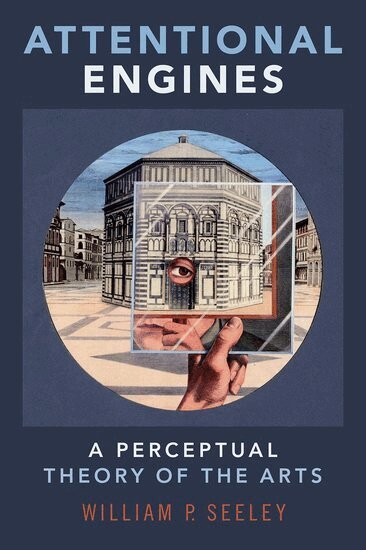
What is it about art that can be so captivating? How is it that we find value in the often odd and abstract objects and events we call artworks? William P. Seeley proposes that artworks are attentional engines. They are artifacts that have been intentionally designed to direct attention to critical stylistic features that reveal their point, purpose, or meaning. In developing this view, Seeley argues that there is a lot we can learn about the value of art from interdisciplinary research focused on our perceptual engagement with artworks. Recent breakthroughs in cognitive science and behavioral science can explain how we recognize artworks and how we differentiate them from more quotidian artifacts. Seeley pushes this line of reasoning, showing how cognitive science can help reveal the way artworks function as a unique source of value. He argues that our interactions with artworks draw on a broad base of shared artistic and cultural norms constitutive of different categories of art. Cognitive systems integrate this information into our experience of art, guiding attention and shaping what we perceive. Our understanding and appreciation of artworks is therefore carried in our perceptual experience of them. Attentional Engines explores the pitfalls and potential of this interdisciplinary strategy for understanding art. It articulates a cognitivist theory of art grounded in perceptual psychology and neuroscience and demonstrates its application to a range of puzzles in the philosophy of the arts. This includes questions about the nature of depiction, the role played by metakinesis in dance appreciation, the nature of musical expression, and the power of movies. The interdisciplinary and provocative theories Seeley presents will appeal to scholars and students interested in aesthetics, philosophy of mind, philosophy of art, and cognitive science.
1 010 kr
Skickas inom 5-8 vardagar
A wide-ranging, eclectic collection of essays on philosophy and the moving image by a pre-eminent philosopher of artThis volume presents a selection of philosopher Noël Carroll's essays-several of which appear in print here for the first time-at the intersection of philosophy, film, and television. The volume begins with broad, foundational issues-what the moving image is, the nature of the medium of film and how we should evaluate it-engaging critically with the most essential problems and puzzles in the field. Carroll then moves to more focused issues in the philosophy of film and television. He reflects on whether ethical defects in fictional characters such as Tony Soprano have an impact on artistic excellence; the role of films in political debates (using the examples of Star Trek and Planet of the Apes); the question of whether film can do philosophy in its own way; and philosophical themes in avant-garde cinema. His analysis touches on a broad range of areas in philosophy including metaphysics, epistemology, ethics, politics, and aesthetics. The book then concludes with philosophical re-assessments of key figures in the philosophy of the moving image-Sergei Eisenstein, Arthur Danto, Bela Balasz, and Stanley Cavell. A wide-ranging and eclectic collection of work by a major figure in aesthetics and the philosophy of film and television, this volume will appeal to scholars, students, and cinephiles alike.
851 kr
Skickas inom 5-8 vardagar
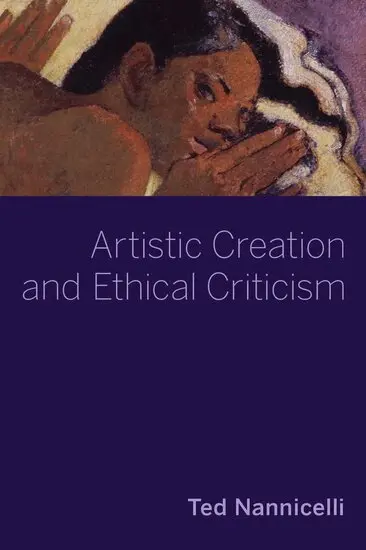
Artistic Creation and Ethical Criticism, a study in philosophical aesthetics, investigates an idea that underpins the ethical criticism of art but that is rarely acknowledged and poorly understood - namely, that the ethical criticism of art involves judgments not only of the attitudes a work endorses or solicits, but of what artists do to create the work. The book pioneers an innovative production-oriented approach to the study of the ethical criticism of art - one that will provide a detailed philosophical account of the intersection of ethics and artistic creation as well as conceptual tools that can guide future philosophizing and criticism.Ted Nannicelli offers three arguments concerning the ethical criticism of art. First, he argues that judgments of an artwork's ethical value are already often made in terms of how it was created, and examines why some art forms more readily lend themselves to this form of ethical appraisal than others. He then asserts that production-oriented evaluations of artworks are less contested than other sorts of ethical criticism and so lead to certain practical consequences-from censure, dismissal, and prosecution to shifts in policy and even legislation. Finally, Nannicelli defends the production-oriented approach, arguing that it is not only tacit in many of our art appreciative practices, but is in fact rationally warranted. There are many cases in which we should ethically critique artworks in terms of how they are created because this approach handles cases that other approaches cannot and results in plausible judgments about the works' relative ethical and artistic value. The concise, powerful arguments presented here will appeal to moral philosophers, philosophers of art and aesthetics, and critics interested in the intersection of artistic production and criticism and ethics.
873 kr
Skickas inom 7-10 vardagar
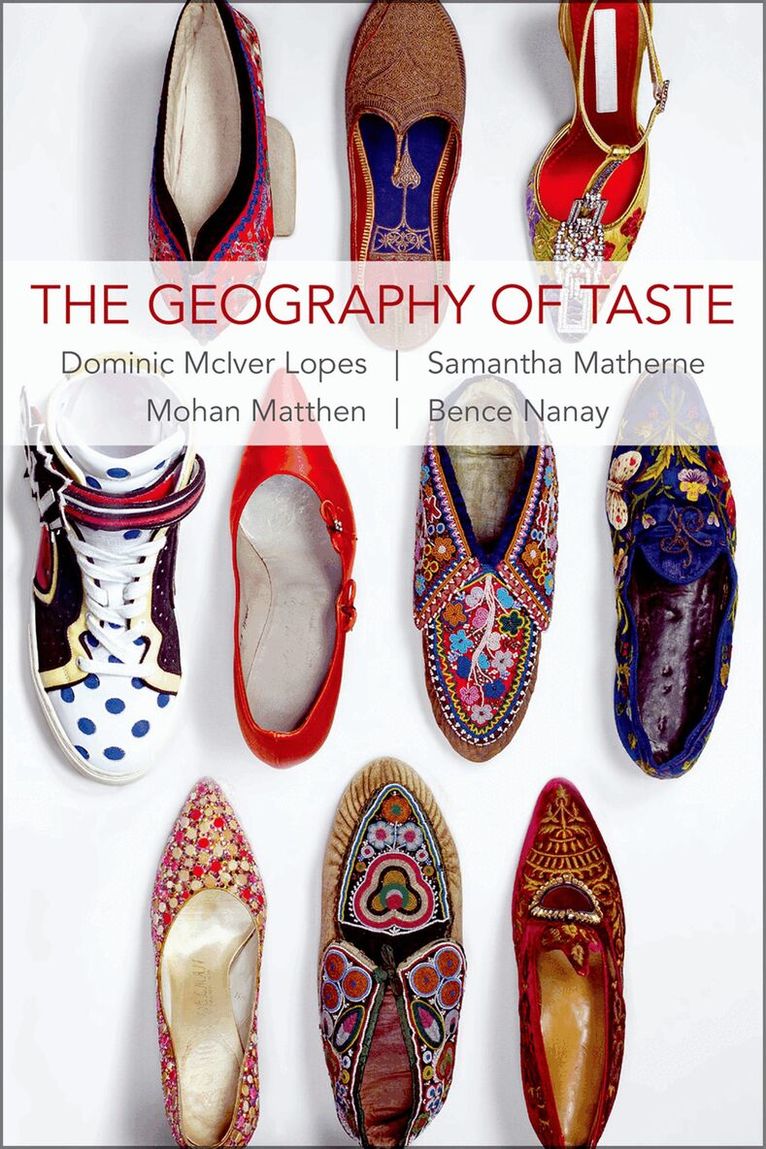
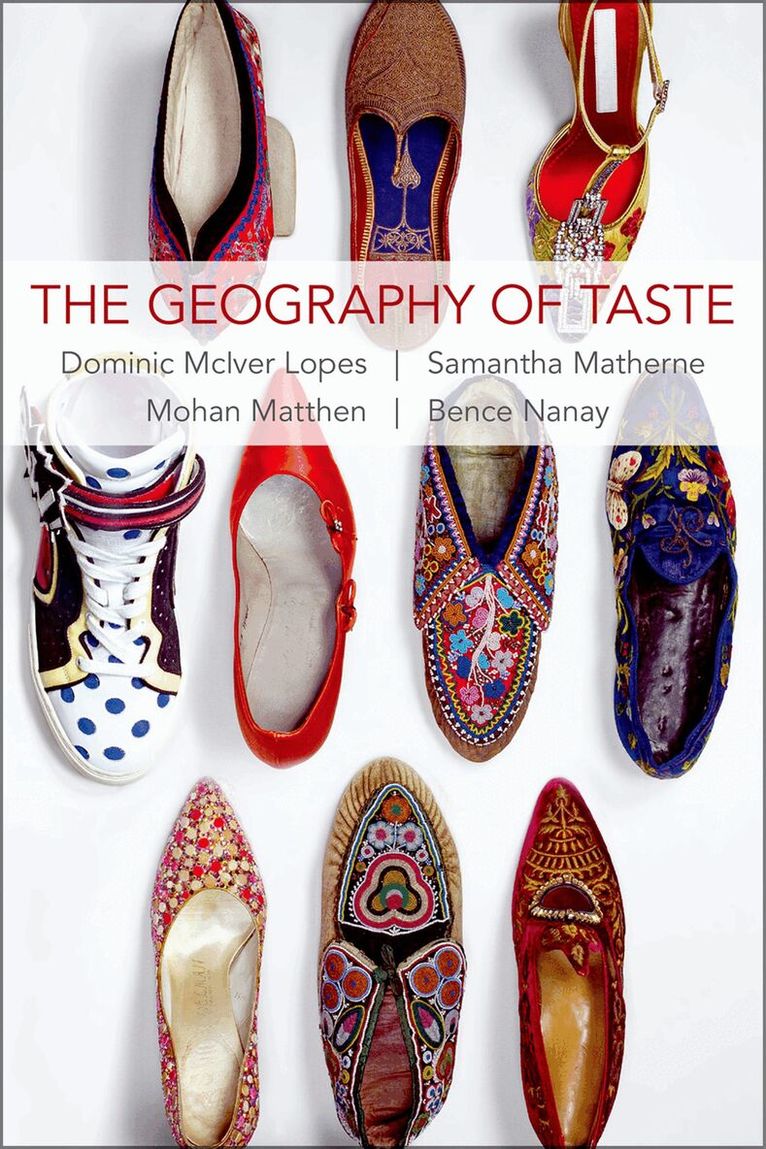
This is an open access title available under the terms of a CC BY-NC-ND 4.0 license. It is free to read at Oxford Academic and offered as a free PDF download from OUP and selected open access locations.Wherever on the globe anyone sets foot, they find people immersed in matters aesthetic. In UNESCO's definition, there can be no culture that lacks an aesthetic life. Aesthetic life is in this sense a cultural universal. At the same time, aesthetic engagement has a geography. While all cultures have an aesthetic, no single aesthetic belongs to all cultures. The rules of aesthetic engagement vary by culture.How should aesthetics proceed if we take this fact of aesthetic diversity, rather than the presumption of aesthetic universality as our starting point? How should we theorize the cultural origins and cultural basis of aesthetic diversity? How should we think about the value and normativity of aesthetic diversity? To model what the turn toward diversity might look like in aesthetic inquiry, the four authors of this book each defend a different account of aesthetic diversity, and together they engage in a collective dialogue about these issues. The Geography of Taste will interest students in aesthetics courses as well as others interested in novel, global approaches to aesthetics.
349 kr
Skickas inom 5-8 vardagar
This is an open access title available under the terms of a CC BY-NC-ND 4.0 license. It is free to read at Oxford Academic and offered as a free PDF download from OUP and selected open access locations.Wherever on the globe anyone sets foot, they find people immersed in matters aesthetic. In UNESCO's definition, there can be no culture that lacks an aesthetic life. Aesthetic life is in this sense a cultural universal. At the same time, aesthetic engagement has a geography. While all cultures have an aesthetic, no single aesthetic belongs to all cultures. The rules of aesthetic engagement vary by culture.How should aesthetics proceed if we take this fact of aesthetic diversity, rather than the presumption of aesthetic universality as our starting point? How should we theorize the cultural origins and cultural basis of aesthetic diversity? How should we think about the value and normativity of aesthetic diversity? To model what the turn toward diversity might look like in aesthetic inquiry, the four authors of this book each defend a different account of aesthetic diversity, and together they engage in a collective dialogue about these issues. The Geography of Taste will interest students in aesthetics courses as well as others interested in novel, global approaches to aesthetics.
747 kr
Skickas inom 5-8 vardagar
Dangerous Art takes up the problem of judging works of art using moral standards. When we think that a work is racist, or morally dangerous, what do we mean? James Harold approaches the topic from two angles. First, he takes up the moral question on its own. What could it mean to say that a work of art (rather than, say, a human being) is immoral? He then steps back and examines how moral evaluation fits into the larger task of evaluating artworks. If an artwork is immoral, what does that tell us about how to value the artwork?By tackling the issue from both sides, Harold demonstrates how many of the reasons previously given for thinking that works of art are immoral do not stand up to careful scrutiny. While many philosophers of art have simply assumed that artworks can be evaluated morally and proceeded as though such assessments were unproblematic, Harold highlights the complexities and difficulties inherent in such evaluations. He argues that even when works of art are rightly condemned from a moral point of view, the relationship between that moral flaw and their value as artworks is complex. He instead defends a moderate, skeptic version of autonomism between morality and aesthetics. Employing figures and ideas from ancient Greece, classical China, and the Harlem Renaissance, as well as William Styron's novel The Confessions of Nat Turner, he argues that we cannot judge artworks in the same way that we judge people on moral grounds. In this sense, we can judge an artwork to be both wicked and beautiful; nothing requires us to judge an artwork more or less valuable aesthetically just because we judge it to be morally bad or good. Taking up complex issues at the intersection of art and ethics, Dangerous Art will appeal to philosophers and students interested in art, aesthetics, moral philosophy, and philosophy of mind.
1 539 kr
Skickas inom 3-6 vardagar
Human beings have always made images, and to do so they have developed and refined an enormous range of artistic tools and materials. With the development of digital technology, the ways of making images - whether they are still or moving, 2D or 3D - have evolved at an unprecedented rate. At every stage of image making, artists now face a choice between using analog and using digital tools. Yet a digital image need not look digital; and likewise, a hand-made image or traditional photograph need not look analog. If we do not see the artist's choice between the analog and the digital, what difference can this choice make for our appreciation of images in the digital age? Image in the Making answers this question by accounting for the fundamental distinction between the analog and the digital; by explicating the technological realization of this distinction in image-making practice; and by exploring the creative possibilities that are distinctive of the digital. Katherine Thomson-Jones makes the case for a new kind of appreciation in the digital age. In appreciating the images involved in every digital art form - from digital video installation to net art to digital cinema - there is a basic truth that we cannot ignore: The nature and technology of the digital expands both what an image can be as an image and what an image can be for us as human beings.
753 kr
Skickas inom 5-8 vardagar
As the sunset swings into view, you think, "That's beautiful." You take a bite of cake and you think, "Wow, that's sweet"-maybe too sweet. You hear that new song and it blows you away. You play it for your friends. The novel is wonderful, the movie disappoints, the dress looked better in the store. Aesthetic Life and Why It Matters offers three new answers to Socrates's great question about how we should live that focus on the place of aesthetic engagement in well-being. Three philosophers offer their perspectives on how aesthetic commitments move us through the world and shape our well-being, our sense of self, and our connections to others. Aesthetic engagement is a site for achievement, it cultivates individuality within a context of community, and it satisfies a hunger for exploring our differences. A closing dialogue between the authors probes some flash points in thinking about value: disagreement, subjectivism, ethnocentrism, fads and fashions, and ideology critique. Written in appealing prose, with vivid examples, a comprehensive introduction, and suggestions for further reading, the book is designed as a self-contained module in aesthetics for introductory courses in philosophy.
1 173 kr
Skickas inom 5-8 vardagar
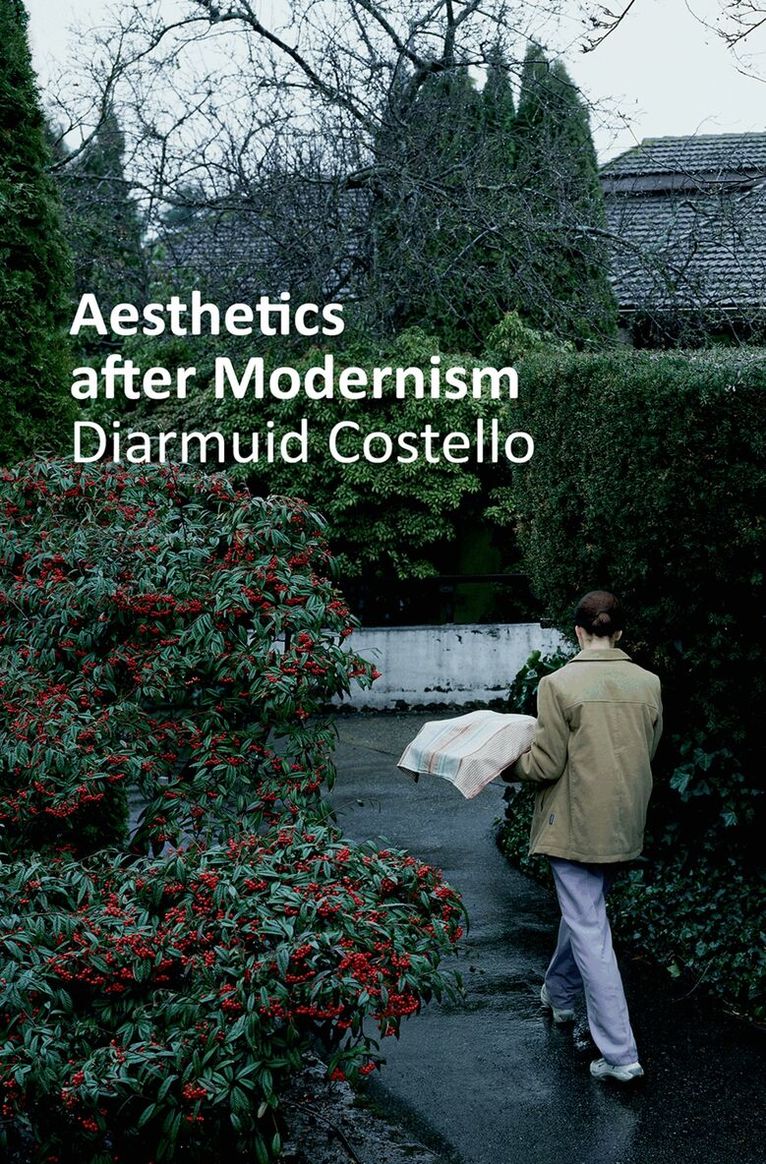
Aesthetics after Modernism defends the ongoing relevance of aesthetics to art after modernism. Diarmuid Costello traces the art world's rejection of aesthetics to Clement Greenberg's success in co-opting the discourse of aesthetics, notably Kant's aesthetics, to underwrite a formalist theory of aesthetic value. This has led to Kant's aesthetics being tarred with the brush of Greenbergian formalism; it has also encouraged subsequent critics and theorists to miss the resources in Kant's aesthetics for capturing our cognitive relation to precisely the kinds of art that interest them. There is a tendency to assume that Kant's aesthetics cannot speak to the more cognitive aspects of our engagement with art. Costello offers an interpretation of Kant's aesthetics, grounded in his theory of art, that aims to show otherwise. Conceptual Art provides an instructive test case: here is an art that, at least in its more purist forms, claimed to forgo sensible properties altogether, in favour of direct engagement with ideas. But if Kant's aesthetics can be shown to accommodate our cognitive relation to works with no sensible features relevant to their appreciation, it should be able to accommodate any work of art. Aesthetics after Modernism proceeds in three steps: Part I sets out the internal structure of Greenbergian theory, focusing on the relation between his modernism and formalism, before critiquing each in turn. Part II unpacks the afterlife of Greenbergian theory by considering one sympathetic and one antipathetic response to his modernism and formalism in turn: Michael Fried and Rosalind Krauss for the former, Thierry de Duve and Arthur C. Danto for the latter. Part III returns to Kant's aesthetics, demonstrating that Kant's account of art as an 'expression of aesthetic ideas' is well placed to address the semantic content of genres such as Conceptual Art more commonly thought to exceed its grasp.
428 kr
Skickas inom 3-6 vardagar
Games are a unique art form. Games work in the medium of agency. Game designers tell us who to be and what to care about during the game. Game designers sculpt alternate agencies, and game players submerge themselves in those alternate agencies. Thus, the fact that we play games demonstrates the fluidity of our own agency. We can throw ourselves, for a little while, into a different and temporary motivations. This volume presents a new theory of games which insists on their unique value. C. Thi Nguyen argues that games are an integral part our systems of communication and our art. Games sculpt our practical activities, allowing us to experience the beauty of our own actions and reasoning. Bridging aesthetics and practical reasoning, he gives an account of the special motivational structure involved in playing games. When we play games, we can pursue a goal, not for its own value, but for the value of the struggle. Thus, playing games involves a motivational inversion from normal life. We adopt an interest in winning temporarily, so we can experience the beauty of the struggle. Games offer us a temporary experience of life under utterly clear values, in a world engineered to fit to our abilities and goals.Games also let us to experience forms of agency we might never have developed on our own. Games, it turns out, are a special technique for communication. They are a technology that lets us record and transmit forms of agency. Our games form a "library of agency" and we can explore that library to develop our autonomy. Games use temporary restrictions to force us into new postures of agency.