Topographics - Böcker
Visar alla böcker i serien Topographics. Handla med fri frakt och snabb leverans.
7 produkter
7 produkter
266 kr
Skickas
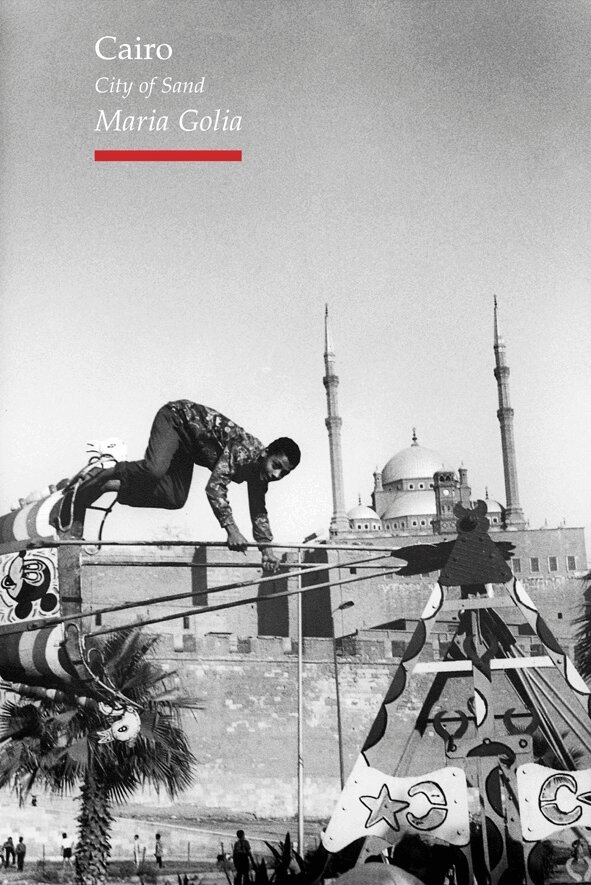
Cairo is a 1,400-year-old metropolis whose streets are inscribed with sagas, a place where the pressures of life test people’s equanimity to the very limit. Virtually surrounded by desert, sixteen million Cairenes cling to the Nile and each other, proximities that colour and shape lives. Packed with incident and anecdote Cairo: City of Sand describes the city’s given circumstances and people's attitudes of response. Apart from a brisk historical overview, this book focuses on the present moment of one of the world’s most illustrious and irreducible cities.Cairo steps inside the interactions between Cairenes, examining the roles of family, tradition and bureaucracy in everyday life. The book explores Cairo’s relationship with its ‘others’, from the French and British occupations to modern influences like tourism and consumerism. Cairo also discusses characteristic styles of communication, and linguistic mêmes, including slang, grandiloquence, curses and jokes.Cairo exists by virtue of these interactions, synergies of necessity, creativity and the presence or absence of power. Cairo: City of Sand reveals a peerless balancing act, and transmits the city’s overriding message: the breadth of the human capacity for loss, astonishment and delight.
148 kr
Skickas
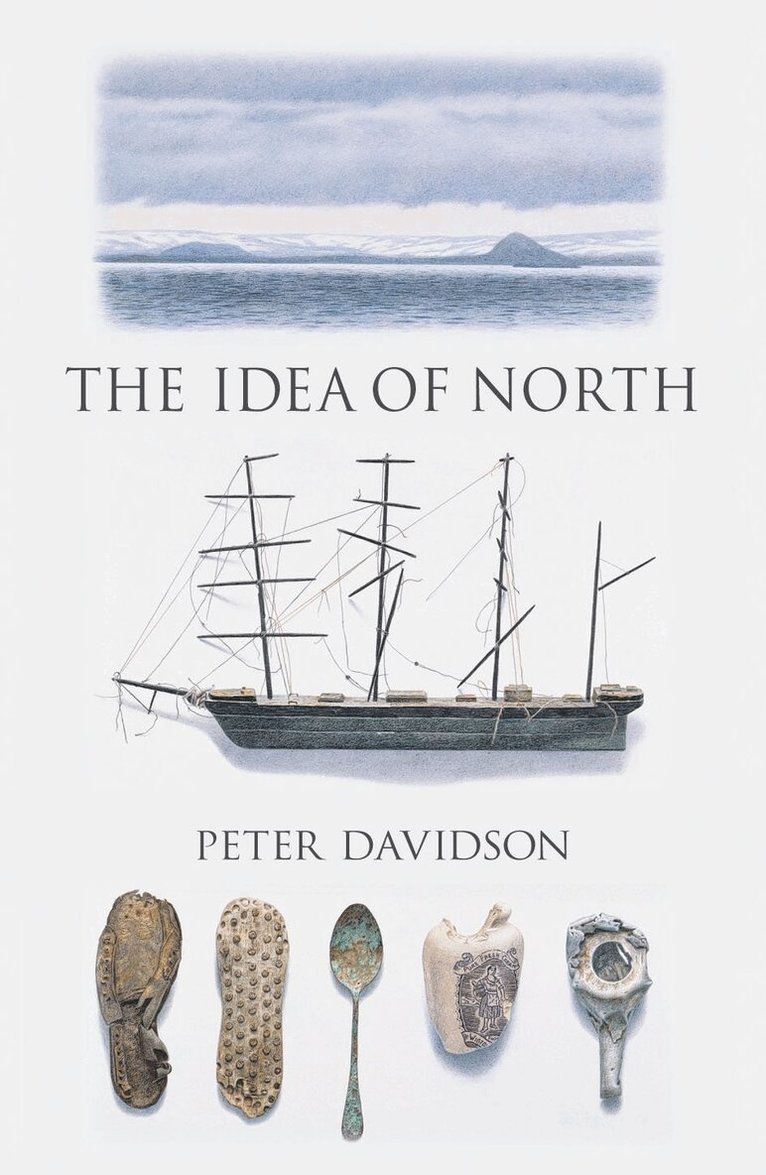
As with the compass needle, so people have always been most powerfully attracted northwards; everyone carries within them their own concept of north. The Idea of North is a study, ranging widely in time and place, of some of the ways in which these ideas have found expression. Offering engaging meditation on solitude, absence and stillness, Davidson shows north to be a goal rather than a destination, a place of revelation that is always somewhere ultimate and austere.
175 kr
Skickas inom 7-10 vardagar
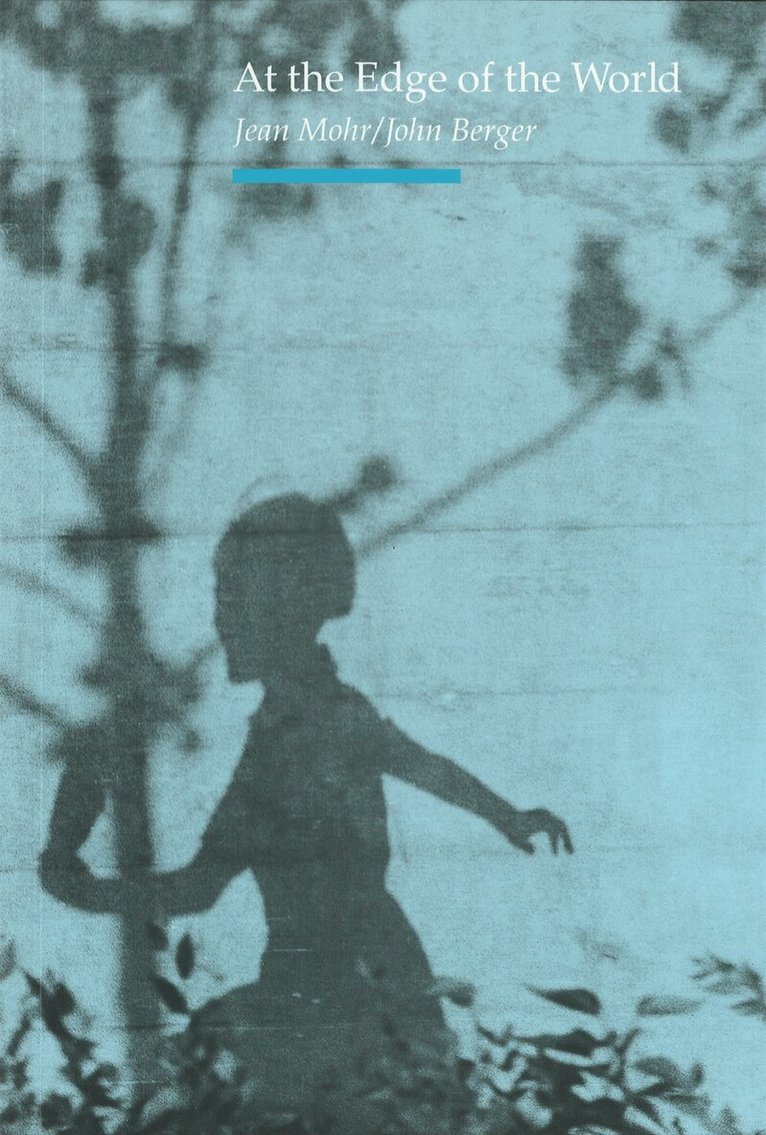
Swiss photographer Jean Mohr has travelled the globe documenting the lives of the dispossessed, the marginalized and the overlooked for over forty years. In 1996, while convalescing from a serious operation in the mountains near Geneva known locally as ‘The Edge of the World’, Mohr realized that he had come close to the edge of his own existence. Having recovered, he was inspired to revisit places that had struck him as being at the edge of the world in the course of his long career, places which were remote in terms of both common experience and geographical location.Each set of photographs in this book ‘from the edge’ is introduced by a short text written by Mohr himself. Spanning 40 years, his photographs take us to such disparate venues as Romania, Lapland, Pakistan, Greece, Algeria and Nicaragua. Mohr’s longstanding collaborator John Berger describes his life in a portrait that sheds particular light on the theme of this book.
148 kr
Skickas inom 7-10 vardagar
320 kr
Skickas inom 7-10 vardagar
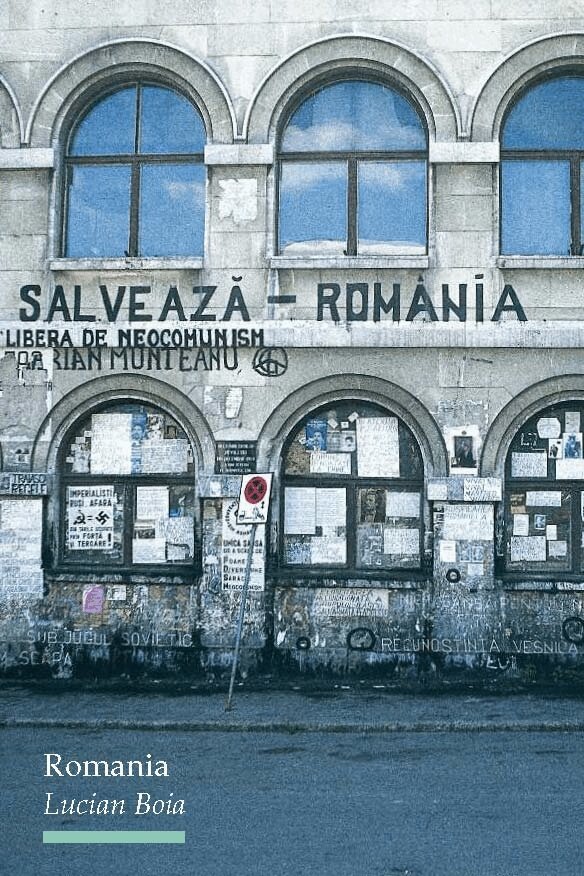
Romania occupies a unique position on the map of Eastern Europe. It is a country that presents many paradoxes. In this book the pre-eminent Romanian historian Lucian Boia examines his native land’s development from the Middle Ages to modern times, delineating its culture, history, language, politics and ethnic identity. Boia introduces us to the heroes and myths of Romanian history, and provides an enlightening account of the history of Romanian Communism. He shows how modernization and the influence of the West have divided the nation - town versus country, nationalists versus pro-European factions, the élite versus the masses - and argues that Romania today is in chronic difficulty as it tries to fix its identity and envision a future for itself.The book concludes with a tour of Bucharest, whose houses, streets and public monuments embody Romania’s traditional values and contemporary contradictions.
170 kr
Skickas inom 7-10 vardagar
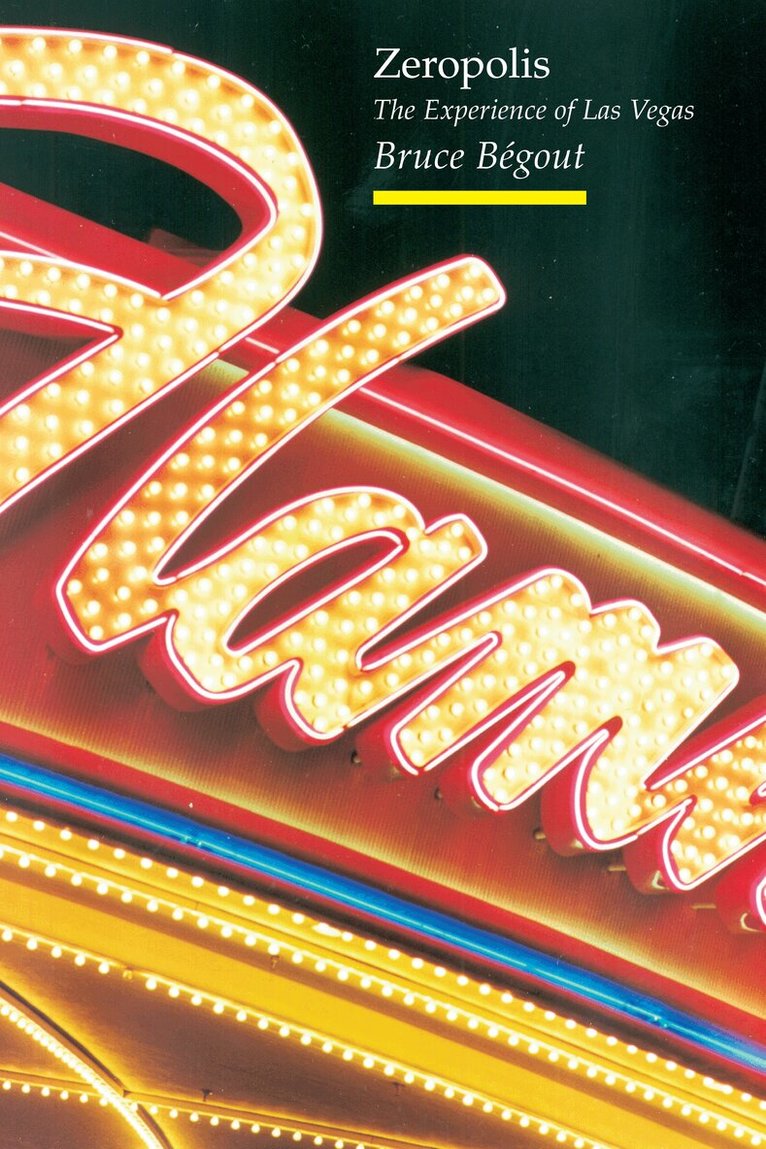
Las Vegas, an artificial city brought to life in the heart of the Mojave desert, is the ultimate urban temptation: its shopping malls, theme parks and casinos offer an unceasing parade of entertainments and diversions. Its architecture combines slick, commercial seduction with a childish, cartoon-like appearance; its streets and arcades are constantly animated with visitors and residents willingly submitting to the opium of this spectacular place.Las Vegas has always fascinated those who write about the American malaise, from Tom Wolfe to J. G. Ballard, but Bégout reveals the city's other side, adding a valuable philosophical dimension to the nightmarish, fantastic visions that haunt the imagination of novelists and film-makers. The author draws minutely detailed portraits in the form of city scenes - portraits that are often tragic and sometimes extremely comic. Bégout lets himself be dragged into this party, this 'paradise for bastards', as Nick Tosches calls it.For Bégout, Las Vegas is the consummation of the modern city, the ultimate destination of our urban experiments, the great supermarket of the global village. 'Neither near nor far, neither here nor elsewhere, Las Vegas is distinguished by nothingness. For us it is zeropolis, the non-city that is the very first city, just as zero is the very first number.'
192 kr
Skickas inom 7-10 vardagar
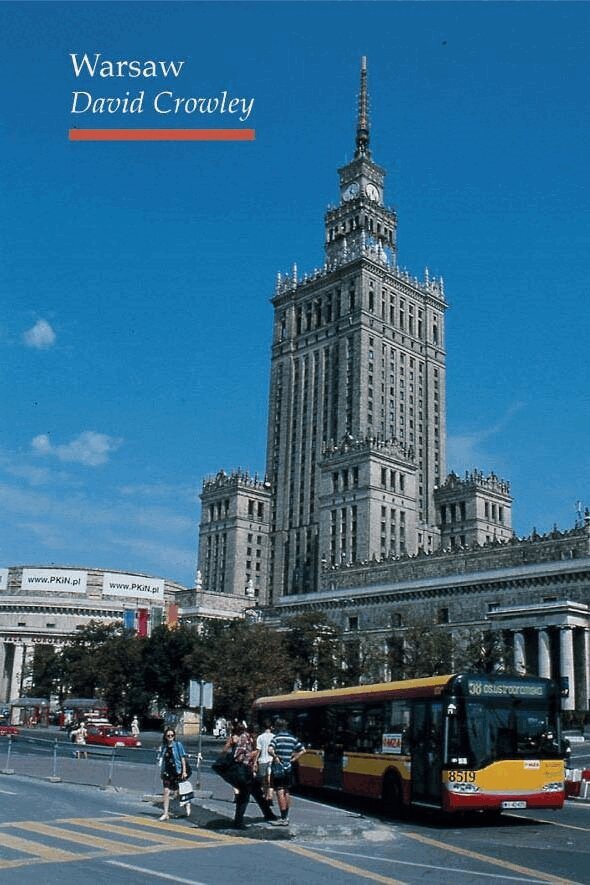
Warsaw has an unenviable reputation in the minds of many: often invoked as the epitome of the brutal environment produced by Soviet aesthetics and planning, its name conjures up a grey, faceless world of tower blocks and Orwellian governmental buildings; its image - perhaps more so than that of any other city in the former Soviet block - inextricably tied to the fate of the Communist system. Warsaw appears to have been locked in the vice of history - crushed by one totalitarian system, remade by another, only now being liberated by market forces. The history of this power play is only one of the stories that can be told about the life and environment of Warsaw; however, to those who live there or know the city well, Warsaw can be an exciting and stimulating place.Avoiding the predictable pathways of conventional architectural and urban history writing, David Crowley reveals Warsaw's visual and urban cultural history through narrative and anecdote, telling stories of the everyday, albeit in extraordinary circumstances. Warsaw examines the ways in which the fabric of the city has been shaped by Communist ideology since the late 1940s, and shows how the city has been spectacularly transformed since the introduction of a market economy in 1989. It also reflects on the ways in which the citizens of Warsaw use and enrich their living areas and the city they inhabit. In Warsaw, the past runs deep, and buildings are marked by myths and curses. David Crowley acts as our guide through this scarred yet uplifting terrain.