WERF Research Report Series – serie
Visar alla böcker i serien WERF Research Report Series. Handla med fri frakt och snabb leverans.
104 produkter
104 produkter
Häftad, Engelska, 2011
1 806 kr
Skickas
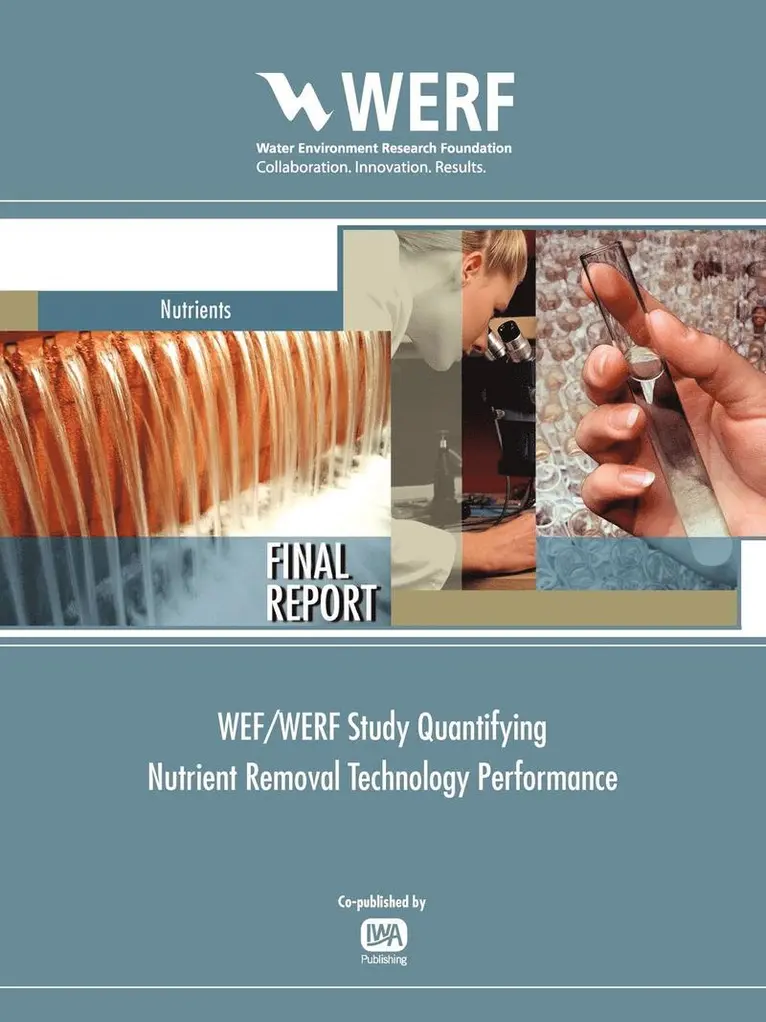
This study focuses on sustainability impacts as wastewater treatment plants implement treatment technologies to meet increasingly stringent nutrient limits. The objective is to determine if a point of “diminishing returns” is reached where the sustainability impacts of increased levels of nutrient removal outweigh the benefits of better water quality. Five different hypothetical treatment trains at a nominal 10 mgd flow were developed to meet treatment targets that ranged from cBOD mode (Level 1) to four different nutrient removal targets. The nutrient removal targets ranged from 8 mg N/L; 1 mg P/L (Level 2) to the most stringent at <2 mg N/L; <0.02 mg P/L (Level 5). Given that sustainability is a broad term, the industry-accepted three pillars of sustainability were evaluated and discussed, and particular emphasis was placed on the environmental and economic pillars. The following variables received the most attention: greenhouse gas (GHG) emissions, a water quality surrogate that reflects potential algal growth, capital and operational costs, energy demand, and consumables such as chemicals, gas, diesel, etc. The results from the GHG emissions metric are shown below. Note that biogas cogeneration is represented by negative values as biogas production can be used to offset energy demands. The nitrous oxide (N2O) emissions values are based on the average biological nutrient removal (BNR) and non-BNR plants evaluated in the United States national survey by Ahn et al. (2010b). The error bars represent the data range of the national survey. The GHG emissions results suggest that a point of diminishing return is reached at Level 4 (3 mg N/L; 0.1 mg P/L). The GHG emissions show a steady increase from Levels 1 to 4, followed by a 65% increase when moving from Level 4 to 5. Despite a 70% increase in GHGs, the discharged nutrient load only decreases by 1% by going from Level 4 to 5. The primary contributors to GHG emissions are energy related (aeration, pumping, mixing). The GHG emissions associated with chemical use increases for the more stringent nutrient targets that required chemical treatment in addition to biological nutrient removal. In terms of cost, the total project capital cost increases approximately one-third from $9.3 million to $12.7 million for changing from Level 1 to 2, followed by a more than doubling in cost when changing from Level 1 to 5. Total project capital costs in this report are for a Greenfield plant. The operational cost increase between levels is more pronounced than total project capital cost with more than five-times increase from Level 1 to 5 ($250/MG treated to $1,370/MG treated, respectively). This report focused on in-plant (point source) options for nutrient removal and the implications for cost and sustainability. Other approaches, such as addressing non-point sources, could be added to the assessment. Rather than focusing strictly on point source dischargers and requiring Level 4 or 5 treatments, Level 3 or 4 treatments complimented with best management practices of non-point sources might be a more sustainable approach at achieving comparable water quality.
Häftad, Engelska, 2011
1 806 kr
Skickas
The long-term viability and sustainability of biosolids land application is dependent on continuously earning stakeholder confidence, trust and support. This requires ongoing and effective engagement and communication with key stakeholders about the beneficial use of biosolids in their communities. The goal of the risk communications research was to develop processes, tools and materials to help biosolids managers conduct effective outreach and dialogue with key stakeholders in the communities where they operate, first on biosolids land application and its beneficial use, then on specific challenges such as communicating about potential health risks due to pathogens in biosolids. The researchers developed a state-of-the-science Strategic Risk Communications Process, tools and materials that can be adapted and used by biosolids program managers. The Process was applied and validated through two case studies, which involved in-depth research with landowners who receive biosolids and neighbors to biosolids land application sites and, in one case, community health officials. The research demonstrated that the key influence on these stakeholders' judgments on the acceptability of biosolids land application is the trust they have in the people who are producing the product, the people who are using the product and the people are overseeing and ensuring the safe appropriate use of biosolids. These stakeholders recognized the benefits and risks associated with biosolids land application and support its beneficial use. However, their support was not unconditional - they had questions about the long-term health and environmental impacts of such application. The process, tools and materials developed through this project will serve to address these and other key questions, while enabling biosolids managers to continually build stakeholder support for biosolids land application.
Häftad, Engelska, 2010
1 806 kr
Skickas
This report is an output of the fourth research track (Track 4) of WERF’s strategic asset management research program ‘Asset Management Communication and Implementation’ (SAM1R06). Track 4 addressed ‘remaining asset life’, and had the overall objective of contributing to the development of techniques, tools and methods for estimating residual life of wastewater assets. Track 4 research was planned to be undertaken in a staged manner, so as to provide a stepwise development of concepts and protocols. To this end, the research team has produced a synthesis of knowledge in relation to “end of life” and “remaining asset life”, which is the subject of this report. Drawing on the literature and the knowledge-base of the research team and industry partners, information is presented on the range of factors that influence the life of the different asset classes involved in the provision of wastewater services. A taxonomy of asset life is also given, along with a critical review of the conceptual linkages between risk, asset management and remaining asset life. A review of techniques used to assess remaining asset life is also included, as well as a detailed ‘state of the art’ review of modeling tools and approaches. One of the key questions to be addressed in this initial stage of the research was the state of knowledge with respect to the estimation and prediction of remaining asset life, and if there is the capacity to translate between condition and performance data (e.g. the presence of significant defects) and the residual life of an asset. In this regard, this report builds on previous work undertaken by the research team into protocols for condition and performance assessments, as detailed in WERF (2007).
Häftad, Engelska, 2011
1 822 kr
Skickas
Accurate prediction of wastewater pipe structural and functional deterioration plays an essential role in the utility asset management process and capital investment planning. The key to implementing an asset management strategy is a comprehensive understanding and prediction of asset condition and performance. The primary objective of this research is therefore to develop protocols and methods for predicting the remaining economic life of wastewater pipe assets. The limits of deterioration prediction capabilities are not in mathematical models or statistical analysis methods, but in lack of accurate and consistent data. This report presented the short-term phase-1 which has been completed with results from intensive literature reviews, various interviews with utilities, and pipe associations. In this phase, the research team investigated the life cycle of wastewater pipeline and identified the causes of pipe failure in different phases including design, manufacture, construction, operation and maintenance, and repair/rehabilitation/replacement. The research team has prepared various modes and mechanisms of pipe failure in wastewater infrastructure system as well as identified environmental and societal consequences of the failure. After reviewing all relevant reports and utility databases, the research team has developed a set of standard pipe parameter list (data structure) and pipe data collection methodology. The data structure has been classified into Gold, Silver, Bronze and Wood standard.
Häftad, Engelska, 2010
1 806 kr
Skickas
Wastewater treatment is an energy intensive process that removes contaminants and protects the environment. While some wastewater treatment plants (WWTPs) recover a small portion of their energy demand through sludge handling processes, most of the useful energy available from wastewater remains unrecovered. Efforts are underway to harness energy from wastewater by developing microbial fuel cells (MiFCs) that generate electricity. Key challenges to the development of microbial fuel cells include inefficiencies inherent in recovering energy from microbial metabolism (particularly carbon metabolism) and ineffective electron transfer processes between the bacteria and the anode. We explored the prospects for constructing microaerobic nitrifying MiFCs which could exhibit key advantages over carbon-based metabolism in particular applications (e.g., potential use in ammonia-rich recycle streams). In addition, we evaluated nanostructure-enhanced anodes which have the potential to facilitate more efficient electron transfer for MiFCs because carbon nanostructures, such as nanofibers, possess outstanding conducting properties and increase the available surface area for cellular attachment. In the initial phase of this project, we investigated the performance of a novel nitrifying MiFC that contains a nanostructure-enhanced anode and that demonstrated power generation during preliminary batch testing. Subsequent batch runs were performed with pure cultures of Nitrosomonas europaea which demonstrated very low power generation. After validating our fuel cell hardware using abiotic experiments, we proceeded to test the MiFC using a mixed culture from a local wastewater treatment plant, which was enriched for nitrifying bacteria. Again, the power generation was very low though noticeably higher on the nanostructured anodes. After establishing and monitoring the growth of another enriched nitrifying culture, we repeated the experiment a third time, again observing very low power generation. In the absence of appreciable and repeatable power production from pure and mixed nitrifying cultures, we focused on the second major objective of the work which was the fabrication and characterization of carbon nanostructured anodes. The second research objective evaluated whether or not addition of carbon nanostructures to stainless steel anodes in anaerobic microbial fuel cells enhanced electricity generation. The results from the studies focused on this element were very promising and demonstrated that CNS-coated anodes produced up to two orders of magnitude more power in anaerobic microbial fuel cells than in MiFCs with uncoated stainless steel anodes. The largest power density achieved in this study was 506 mW m-2, and the average maximum power density of the CNS-enhanced MiFCs using anaerobic sludge was 300 mW m-2. In comparison, the average maximum power density of the MiFCs with uncoated anodes in the same experiments was only 13.7 mW m-2, an almost 22-fold reduction. Electron microscopy showed that microorganisms were affiliated with the CNS-coated anodes to a much greater degree than the noncoated anodes. Sodium azide inhibition studies showed that active microorganisms were required to achieve enhanced power generation. The current was reduced significantly in MiFCs receiving the inhibitor compared to MiFCs that did not receive the inhibitor. The nature of the microbial-nanostructure relationship that caused enhanced current was not determined during this study but deserves further evaluation. These results are promising and suggest that CNS-enhanced anodes, when coupled with more efficient MiFC designs than were used in this research, may enhance the possibility that MiFC technologies can move to commercial application.
Häftad, Engelska, 2009
1 806 kr
Skickas
This project provides WERF subscribers with a state-of-knowledge report that is a synthesis of existing work and provides guidance on effective risk communication practices, public perception and message effectiveness. Communication principles are applicable to a wide variety of potential health and environmental risks; however, the report is written with a focus on trace organic compounds. Project findings are drawn from: 1) a focused literature review of communication materials published in the environmental industry; 2) documents describing risk communication practices in other industries (nuclear energy, chemical manufacturing and the pharmaceutical industry) which culminated in several “lessons learned” that are relevant to trace organic compounds; 3) coding and systematic analysis of approximately 25 recent media articles pertaining to trace organic compounds focused on vocabulary and imagery, key messages, and the articles’ likely impact on the public; and 4) interviews with water and wastewater utility representatives to better understand their existing communication and outreach programs, interaction with the public and media and perspectives on communications needs. Principles described in this report can be used to convey a wide variety of messages to help municipalities better communicate with the media and public. Recommendations for utilities and ideas for future research specific to trace organic compounds are also provided.
Häftad, Engelska, 2010
1 806 kr
Skickas
The Gulf Coast hurricanes of 2005 and horrific events of 9/11/2001 have spawned a new emphasis on domestic security and emergency preparedness. Governments at all levels are taking action to reduce their vulnerabilities and prepare for emergencies, including unconventional disasters such as regional-scale weather events and terrorist attacks. A great deal has been written concerning security practices for large and medium-sized water and wastewater systems. Some of these practices are relevant and applicable to small, rural, and tribal wastewater systems, but many are not. Small systems tend to have characteristics which preclude them from adopting many of the practices employed by larger wastewater and water utilities. This report identifies security-related practices that are applicable for small wastewater systems. The report adopts a two-pronged approach with respect to security enhancement for small wastewater systems. First, the report focuses on security practices that are consistent with the technical, managerial, and financial capacity of small systems, and identifies a series of security-related “Practice Areas” that can be implemented in the near-term with modest expenditure of financial and/or staff resources. Second, the report outlines a strategy to help small utilities map-out programs for ongoing, sustainable security enhancement. This ongoing strategy is based primarily on the identification of practices and investments that a utility can pursue in cooperation with other municipal and regional entities.
Häftad, Engelska, 2009
1 806 kr
Skickas
Phase 1 of this project demonstrated the technical feasibility of using decentralized stormwater controls in urban areas for retrofits and controlling combined sewer overflows. This technical feasibility was illustrated by a number of early adopters using decentralized controls to complement their existing municipal stormwater and wastewater infrastructure. However, institutional and programmatic issues required further study to broaden the use of a distributed, decentralized stormwater approach. This research evaluates implementation strategies for incorporating decentralized controls into an infrastructure management system. The distributed nature and multiple environmental benefits of decentralized controls necessitate an integrated and inter-departmental management approach. The results of this research identify various implementation strategies for incorporating decentralized controls into urban infrastructure management programs. Case studies and programmatic and regulatory examples detail alternatives to expedite the adoption of decentralized controls. Managing infrastructure by limiting demand is explored in the context of distributed controls. In addition, an evaluation of economic methods appropriate for assessing environmental costs and benefits is included to more fully capture the financial consideration of decentralized controls. Guidance for modeling decentralized controls with commonly used stormwater models is also provided.
Häftad, Engelska, 2009
1 806 kr
Skickas
This project was initiated in response to the establishment of mercury TMDLs around the country and issues raised by this process, specifically concerning the issue of mercury bioavailability. While many TMDLs recognize that point sources constitute a small fraction of the mercury load to a water body, a question has been raised concerning the relative bioavailability of mercury coming from various sources. For instance, is the mercury discharged from a wastewater treatment plant more or less bioavailable than mercury in precipitation, mercury in urban stormwater, or mercury in sediments? This project seeks to address this question by developing a reliable definition and approach to estimating bioavailability, by profiling various sources of mercury in a watershed with regard to the species of mercury present and by profiling those factors or conditions in either the effluent or the receiving water that enhance or mitigate the bioavailability of those forms. The report consists of two volumes. Volume I is a background document for evaluating the biovailability of mercury in wastewater effluents and receiving waters and establishes relevant project objectives. Volume II is a guidance document for wastewater treatment professionals interested in assessing the bioavailability of mercury in their wastewater, comparing it to other sources, and assessing changes in bioavailability in their effluent when it is mixed in a receiving water body. The project concludes that, based on available data and bioavailability as defined in this report, wastewater effluent is one of the lowest among the sources evaluated with respect to mercury bioavailability due to its typically low levels of methylmercury. Due to their typically low levels of suspended solids, wastewater treatment plants employing post-secondary treatment should not contribute appreciably to local sediment mercury burdens.
Häftad, Engelska, 2009
1 822 kr
Skickas
The literature review described in this report is part of a larger research project to assess STU performance with respect to treatment of important wastewater constituents. The overall goal of the project is to provide a toolkit and tool-use protocol that is easy to implement and available to a wide range of users to assess STU performance. This literature review is not a preview of tools that we will develop and propose, but rather an analysis of the information and data and the literature, to help guide our tool development. All tools developed will be based on rigorous experimental data and quantitative models verified with field data from operating systems. In some cases, more sophisticated tools (e.g., complex mathematical models) may be warranted depending on the relative complexity of the problem and the relative risk associated with a poor design. This literature review focused on STU performance, key conditions or factors potentially affecting STU performance, and the current best practices for using models and other available tools to predict expected STU performance. The information gained during this literature review will guide the future direction of the project. Constituents of interest include nitrogen (N), phosphorus (P), microbial pollutants, and emerging organic wastewater contaminants (OWCs). Based on this literature review, it is clear that due to the variability of data collected at field sites, simple binary relationships (e.g., C/Co versus depth for various soil types) for statistical predictions of the attenuation of N, P, microorganisms or OWCs cannot be justified. Specific to N, hydraulic loading rate appears to be more important than soil texture or soil depth within the first 30-60 cm, although both soil depth and texture remain important variables. Most of the reported results related to the interaction of P with soil appear to be from laboratory batch tests. Similarly, field-scale evaluations of pathogen removal are limited. Finally, most of the existing OWC work has focused on the occurrence and concentrations of selected compounds in streams, lakes, and groundwater impacted by wastewater treatment plant effluents. Currently very few models have been developed for movement and treatment processes of N or P in OWTS. However, adapting the CW2D model for STUs that will predict the effect of different soil types (texture, structure, and drainage class) appears promising. CW2D is a module of the well known HYDRUS model designed to simulate nitrogen treatment in a sand filter. This model incorporates most of the features one might consider, including a comprehensive treatment of microbial growth, the impact of oxygen mass transfer on nitrogen transformation, and variable rates of denitrification due to changes in dissolved oxygen concentrations, dissolved organic matter, and microbial growth. The review of existing models demonstrates that simulation of microbial characteristics in OWTS is still largely uncharted territory.
Häftad, Engelska, 2010
1 822 kr
Skickas
This project convened a team of experts in the fields of environmental engineering (AECOM), analytical chemistry and hydrogeology (USGS), and biological assay analysis (UA) to evaluate the occurrence and fate of estrogenic compound, and the estrogenicity of biosolids derived from wastewater treatment. Sludge and biosolids samples were collected through the solids treatment train of four wastewater treatment plants (WWTPs) operating a range of solids processing, treatment and disposal options that are typical to facilities across the United States. Targeted solids processing methods included thickening via gravity, gravity belt, and dissolved air flotation; stabilization via lime addition, aerobic digestion and anaerobic digestion; chemical conditioning; dewatering via centrifuge; and other processes including composting and pelletization. Targeted disposal options included beneficial reuse or disposal including land application, dedicated land disposal and landfilling. Samples were collected from the study plants between two and five times over two years, allowing for an assessment of seasonal variation. In some cases, sampling density was not sufficient to assess seasonal variations, but for certain compounds interesting seasonal trends were observed. The solids samples were supplemented by liquid samples at key locations in the study plants during several sample collection events. Over the course of the study 15 sample trips were conducted and a total of 90 samples were collected from the four study plants. For each sample collected, chemical analysis for steroid hormones and in vitro biological assay (bioassay) measurements were conducted to quantify estrogen receptor agonists, antagonists, and estrogenic activity. In addition to the estrogenic compounds, samples were analyzed for a suite of trace organic compounds (TOrCs), including anthropogenic wastewater indicators (AWIs) and pharmaceuticals, resulting in analysis for over 100 chemical compounds in each liquid or solid sample. Collection of these data substantially expanded the scope and value of the study, providing a more comprehensive evaluation of the effects of solids processing and treatment on TOrCs. Loads of TOrCs and estrogenic activity were calculated for each sample point based on flows and solids loadings data from the study plants. In this exercise, TOrC concentrations are multiplied by the solids loading (tons per day) to calculate the daily load of each compound in grams per day (g/day). This report provides comparisons of the chemical and biological assays used in this study, the results of select TOrC mass balances as well as a discussion of the results and areas for future research.
Häftad, Engelska, 2010
1 806 kr
Skickas
This project will deal with a number of aspects of WAS-only-reduction technologies for both industrial and municipal wastewater treatment applications. The objectives of this project include the following: Developing an evaluation methodology that can be used to independently assess the effectiveness of WAS-reduction technologies Demonstrating the previously listed methodology with at least one WAS-reduction technology This study includes not only the primary goals of establishing the degree of WAS reduction and corresponding capital and operation and maintenance (O&M) costs, but also such details as impacts on dewaterability (e.g., changes in polymer requirements, and maximum solids content achievable), changes in volatile solids reduction and corresponding biogas production in anaerobic digestion, possible odor issues in terms of in-plant processing requirements or ultimate product quality for disposal that result from these processes, and the change in characteristics of the recycle streams back to the main process (such as increased nutrient return, increased total suspended solids [TSS] return, phosphorus removal, etc.). In addition to the more technical parameters, the adopted approach also considers evaluations of operability, reliability, and maintainability on each of the leading processes. Some of these effects were determined by laboratory testing and plant data evaluation. Others were investigated through comprehensive modeling using standard industry models such as ASM 2d for liquid-stream biological treatment and the ADM1 model for anaerobic digestion. A key objective of this work is an impartial validation of these technologies and the development of a methodology for assessment of additional technologies that currently do not exist, but could be developed in the future. This requires not only real world operating data, but also a degree of understanding of the fundamental mechanism behind the process. As such, a critical part of this project involves the discussion of the potential underlying mechanisms for each of the validated technologies.
Häftad, Engelska, 2010
1 806 kr
Skickas
Resources end up in wastewater through inefficient consumption. As a result, wastewater contains reusable water, carbon (energy) and nutrients (nitrogen, phosphorus and sulfur) that could be recovered or reused. Meanwhile, current treatment objectives are to produce an acceptable quality of water for reuse or discharge at the lowest life cycle cost. Most of the current treatment processes manage carbon and nutrients as wastes to be removed, and do not attempt to capitalize on these resources inherent in wastewater. In the context of sustainability and climate change, the next generation of wastewater treatment processes should focus on resource recovery (water reuse, energy/carbon recovery and nutrient recovery) as much as they currently do on treatment. The future goal is for wastewater treatment of domestic wastewater to have a minimal carbon footprint, and to be 100% self–sustainable with regards to energy, carbon, and nutrients, while achieving a discharge or reuse quality that preserves the quality of the receiving waters. In May 2009, the Water Environment Research Foundation (WERF) convened a work group of international experts in the wastewater sector to develop a Wastewater Treatment Technology Roadmap which will identify possible routes to sustainable wastewater treatment in a carbon-constrained world. The resultant Technology Roadmap report identifies pathways toward sustainable wastewater systems over the next few decades, including various approaches the sector could utilize over the 20-30 year planning horizon. The Technology Roadmap describes the current status of wastewater technologies, projects future treatment quality requirements, identifies research needs, and summarizes ongoing activities to meet the perceived future objectives such as reducing the carbon footprint while achieving lower nutrient levels. Work group participants brainstormed possible technology concepts which can be reasonably expected to produce actionable results that can be implemented by interested wastewater utilities. The participants considered typical and atypical approaches to optimizing carbon and nutrient management at WWTPs. Typical approaches include the evaluation of process modeling opportunities and constraints, and incremental resource and carbon management optimization techniques. Atypical approaches will be even more important to the future of wastewater resource reclamation. As an additional outcome, several work group members suggested conceptual and sustainable “plant of the future” treatment systems not constrained by existing infrastructure. Participants discussed their “Plant of the Future” concepts which can be expected to generate opportunities and research needs related to energy sources within treatment plants, changing wastewater characteristics, decentralized treatment, increased nutrient recovery and management, and total water reuse.
Häftad, Engelska, 2009
1 806 kr
Skickas
The objective of this research was to develop guidance for collecting samples of biosolids for microbial analysis to ensure representative samples are tested. The types of biosolids products studied included liquid, cake and compost. To accomplish the research objective, three phases of research and development of a suite of communications documents were undertaken. The first Phase involved information gathering and establishing the status of sampling guidance and practices for biosolids. Phase II involved conducting sampling and microbial analysis of biosolids products from four target facilities utilizing different biosolids treatment technologies to determine which of a series of sample collection and handling parameters most affects sample integrity and representativeness. Phase III of the project involved field testing at nine utilities. Microbial monitoring results were compared and utility protocols were examined to determine the suitability of their sampling approach. Finally, a series of communications documents were prepared. These communications tools were designed to convey the importance of sampling and handling details at multiple stakeholder levels. This research demonstrated that analysis of multiple, discrete, grab samples provides insight into product variability. In addition, proper handling and adherence to sample size and storage protocols provides a reliable measurement of biosolids microbial content from the biosolids production process being sampled.
Häftad, Engelska, 2009
1 822 kr
Skickas
The purpose of this User’s Guide is to provide guidance on modeling watershed-scale problems associated with decentralized wastewater-treatment systems (DWTS), with a particular focus on onsite wastewater systems (OWS). The guide focuses on modeling transport and fate of the nutrients nitrogen (N) and phosphorus (P) because these are the most common OWS constituents of concern, and because these pollutants are regulated in surface waters (N and P) and in ground water (N). However, limited but useful information is also provided regarding the modeling of organic wastewater contaminants, such as pharmaceuticals, pesticides, and other household products. It provides some general information on modeling bacterial pollutants. The guide can be used by decision makers to determine whether relatively simple screening models (presented in Appendix A) are sufficient for use in the decision-making process, or if sophisticated models (presented in Appendix B) are more appropriate. The document provides guidance about the type of model that should be used for particular scenarios, and the data requirements for model implementation. The guide is also useful to modeling experts by providing guidance on important issues such as conceptual-model development, mathematical-model selection, modelsensitivity analyses, model uniqueness, and calibration. Finally, the guide provides some real-world and hypothetical case studies that can demonstrate the usefulness of using watershed-scale models, and provide templates for certain common scenarios relevant to the decentralized wastewater treatment community.
Häftad, Engelska, 2009
1 806 kr
Skickas
Of the total number of consumer product chemicals the U.S. Environmental Protection Agency has identified, approximately 500 are considered high production volume (HPV) chemicals. This study investigated the occurrence and fate of high production volume household chemicals in wastewater systems. The study was initiated with a comprehensive review on HPV organic chemicals in household commodities and their contributions to municipal wastewater treatment systems. The comprehensive review presented the basis to compile a database on HPV chemicals and organic compounds in household commodities that have the potential to affect wastewater processes and effluent qualities. The occurrence of select HPV target compounds during wastewater treatment was studied by collecting composite samples of raw sewage and final treated effluents at seven full-scale treatment plants employing different operational conditions. Of the 26 household chemicals targeted in this study, 20 compounds were consistently detected in raw influents of full-scale wastewater treatment plants. Chemicals that are primarily used in products applied outdoors were generally not present in raw influent samples. The majority of compounds present in personal care and cleaning products generally appeared in all influent samples with concentrations of 2-phenoxyethanol (a preservative with various uses) and menthol (a fragrance with various uses) consistently exhibiting the highest concentrations of all compounds. The efficacy of advanced wastewater treatment processes to achieve removal and destruction of selected target compounds was studied through controlled lab- and pilot-scale studies (i.e., MBR, ozone, AOP). In general, biological treatment resulted in partial or complete removal (>80%) indicating that biological treatment is a good treatment option for HPV household chemicals.
Häftad, Engelska, 2011
1 806 kr
Skickas
With the recent advent of improved analytical and biomarker detection capabilities, a variety of organic chemicals have been found in trace amounts (Trace Organic Chemicals, TOrCs) in surface waters and fish tissue. TOrCs include pharmaceuticals, personal care products, surfactants, pesticides, flame retardants, and other organic chemicals, some with unknown modes of action or effects. Identifying or predicting ecological effects of TOrCs in typical aquatic multi-stressor situations is challenging, requiring a variety of epidemiological tools that together, can diagnose effects at multiple scales of ecological organization. Five objectives were addressed in this research: (1) develop and apply a procedure to prioritize which TOrCs are of most concern; (2) develop and test a conceptual site screening framework; (3) evaluate and test diagnostic approaches to identify potential risks due to TOrCs using various case studies; (4) develop a relational database and user interface with which the water resource community can enter, store, and search TOrC exposure data in the U.S.; and (5) foster partnerships and transfer knowledge gained in this research to the water quality community. TOrC fate, effects, and occurrence data were compiled in a database for over 500 organic chemicals based on over 100 published studies representing more than 50 organizations and 700 sites. Alternative risk-based prioritization processes and draft lists of high priority TOrCs were developed. A preliminary site screening and diagnostic framework was developed and evaluated using seven different case study sites. EPA’s causal analysis (stressor identification) procedures, Canada’s Environmental Effects Monitoring (EEM) procedure, the ecosystem model CASM (Comprehensive Aquatic System Model), and several other specialized diagnostic tools were used and evaluated. A relational database based on Tetra Tech’s EDAS2 was developed using the Microsoft platform. The modified version of EDAS2, built on the EPA WQX data model, provides web-based data queries using a combination of tabular data for downloads and a visual map interface that allows the user to view, query, and select sites from the map having chemical or biological data. The database is not discussed in this report but can be accessed through WERF. This Final Report summarizes all other approaches used and results obtained in this research, discusses critical data gaps and other important uncertainties, and provides testable hypotheses and recommendations for Phase 2 testing and analyses.
Häftad, Engelska, 2011
1 806 kr
Skickas
The emission rates of greenhouse gases (GHGs) from individual onsite septic systems used for the management of domestic wastewater were determined in this study. A static flux chamber method was used to determine the emission rates of methane, carbon dioxide, and nitrous oxide gases from eight septic tanks and two soil dispersal systems. A technique developed for the measurement of gas flow and concentration at clean-out ports was used to determine the mass flow of gases moving through the household drainage and vent system. There was general agreement in the methane emission rates for the flux chamber and vent system methods. Several sources of variability in the emission rates were also identified. The septic tank was the primary source of methane, whereas the soil dispersal system was the principal source of carbon dioxide and nitrous oxide emissions. Methane concentrations from the soil dispersal system were found to be near ambient concentrations, similarly negligible amounts of nitrous oxide were found in the septic tank. All emissions originating in the soil dispersal system were discharged through the building vent as a result of natural, wind-induced flow. The gaseous emission rate data were determined to be geometrically distributed. The geometric mean and standard deviation (sg) of the total atmospheric emission rates for methane, carbon dioxide, and nitrous oxide based on samples from the vent system were estimated to be 10.7 (sg = 1.65), 335 (sg = 2.13), and 0.20 (sg = 3.62) g/capita•d, respectively. The corresponding total anthropogenic CO2 equivalence (CO2e) of the GHG emissions to the atmosphere, is about 0.1 tonne CO2e/capita•yr.
Häftad, Engelska, 2004
1 806 kr
Skickas
Cyanide occurs in many industrial and municipal wastewaters and is often an expected constituent of typical treatment plant wastewater streams. However, a growing number of wastewater treatment plants (WWTPs) across the USA have detected cyanide in cholorinated effluents at levels exceeding influent concentrations. Because water quality criteria and related discharge limits are typically low some of these WWTPs periodically exceed effluent cyanide standards. Potential causes include cyanide formation during wastewater cholrination processes, the presence of interferences that cause false negatives, and false positives caused by artifacts of sample handling or analytical techniques. The possible causes of the apparent cyanide formation phenomenon were investigated in this study. This publication can also be purchased and downloaded via Pay Per View on Water Intelligence Online - click on the Pay Per View icon below
Häftad, Engelska, 2003
1 806 kr
Skickas
This research focused on the use of sonication to destroy surfactants and surface tension properties in industrial wastewaters that affect traditional water treatment processes. We have investigated the sonochemical destruction of surfactants and a chelating agent to understand the release of metals from surfactants during sonication. In addition, the effects of physical properties of surfactants and the effect of ultrasonic frequency were investigated to gain an understanding of the factors affecting degradation. Successful partial or total destruction of surfactants resulting in the release of metals bound to surfactants may result in a significant cost savings of treatment plants.
Häftad, Engelska, 2003
1 806 kr
Skickas
This project examined the development of ambient water quality criteria (AWQC) for the protection of wildlife for mercury. Mercury is considered a serious risk to wildlife in many areas. As a result, the Great Lakes Water Quality Initiative and others have developed AWQC. These AWQC have been controversial, however, because (1) the AWQC were single values that did not account for site-specific conditions; (2) derivation of the AWQC relied on a single NOAEL, and (3) the AWQC had an unknown level of conservatism because of reliance on both average and conservative assumptions and uncertainty factors. Rather than develop a single value AWQC for total mercury, we derive an AWQC model that explicitly incorporates factors controlling bioavailability, methylation rates and bioaccumulation in the aquatic environment (e.g., pH, DOC, sulfate). To derive our AWQC model, field data was collected including numerous water quality parameters and total mercury and methylmercury concentrations in whole body fish tissue from 31 lakes in Ontario and an additional 10 lakes in Nova Scotia. An independent dataset consisting of 51 water bodies in the United States was then used to confirm the validity and robustness of the AWQC model. Next we combined the results of chronic-feeding studies with similar protocols and endpoints, in a meta-analysis to derive a dose-response curve for mink exposed to mercury in the diet. Using this approach, one can derive an LD5 or other similar endpoint that can then be used as the basis for deriving -wildlife AWQC. In the final step, we used a probabilistic risk model to estimate the concentrations of methylmercury in water that would lead to levels in fish sufficient for there to be a 10% probability of exceeding the mink LD5. This analysis was repeated for various combinations of pH and DOC. The result is an AWQC model for mercury for the protection of wildlife that can be used for a variety of site-specific conditions. This publication can also be purchased and downloaded via Pay Per View on Water Intelligence Online - click on the Pay Per View icon below
Häftad, Engelska, 2003
1 806 kr
Skickas
The objectives of this project were to develop (1) a better understanding of the effects of storage on reclaimed water quality, (2) a methodology to help understand/predict water quality changes during storage, and (3) effective management tools for minimizing water quality problems. The research team reviewed approximately 120 published articles, conducted a gray literature survey to analyze the impact of surface storage on reclaimed water quality. The team also evaluated federal guidelines for reclaimed water and developed a brief update on what individual states are doing. It was determined that state and federal water quality objectives can be met at the treatment site. However, because of the seasonal nature of reclaimed water use, water often must be stored in open reservoirs, where changes occur that can affect water quality. The nature of these changes was evaluated, including physical, chemical, and biological processes. The research team evaluated several reservoir management strategies to improve water quality, and reviewed water quality models to assess their applicability for open reclaimed water storage reservoirs. It also developed procedures to evaluate and select management strategies and reservoir water, along with matrices to distill the information learned in the study into a useful format for risk assessors and water quality managers. These tools will enable users to readily equate their specific storage reservoirs to representative examples, and to identify actions most applicable to their specific reclaimed water systems.
Häftad, Engelska, 2005
1 822 kr
Skickas
The purpose of this project was to develop a methodology for deriving site-specific nutrient criteria (SSNC) for surface waters, including streams and rivers, lakes and reservoirs, and coastal estuaries. The methodology was developed to extend the United States Environmental Protection Agency's regional nutrient criteria for localized conditions characterized by particular desired water quality requirements or designated uses. The proposed SSNC methodology provides local stakeholders with a recipe for estimating nutrient criteria consistent with site-specific water quality management goals and objectives. The SSNC methodology prescribes a three-tiered or sequential approach for defining concentrations of acceptable nutrients in relation to management goals and objectives. Each tier requires successively more site-specific data and information and also develops increasingly quantitative and technologically more detailed relationships between nutrients and stated water quality measurements (chlorophyll a, Secchi depth, dissolved oxygen). The SSNC process can be initiated at any tier, although most applications will likely progress from Tier 1. The derivation of Tier 1 SSNC relies extensively on existing data and regional nutrient criteria. Tier 2 adds additional, more site-specific data and estimates SSNC on the basis of statistical relationships between nutrients and the selected water quality parameters of interest. Tier 3 extends Tier 2 through the development of additional site-specific data and the application of site-specific, process-level water quality models to estimate the SSNC. Follow-up monitoring is a key component of all three tiers for assessing the effectiveness of the SSNC in achieving the desired water quality characteristics and making subsequent decisions about continued implementation or modification of the SSNC. Benefits: SSNC can serve as effective alternatives to regional criteria, which may fail to achieve or sustain locally desired water quality conditions. The proposed methodology prescribes an efficient and economical approach for achieving site-specific water quality objectives. The methodology develops SSNC on the basis of process-level understanding of relationships between nutrients and water quality objectives. The tiered approach permits a sequential, increasingly detailed and sophisticated analysis of relations between nutrients and desired water quality conditions. The results of the tiered SSNC methodology provide direct inputs to localized management and decision-making processes.
Häftad, Engelska, 2003
1 806 kr
Skickas
The design of wastewater treatment plants with redundancy to assure a quality end product may be in conflict with efforts to assure effectiveness. Redundancy of major system components is to assure compliance with regulations and protection of the environment and the health and safety of the public and treatment plant staff. However, the capital costs and maintenance associated with redundant equipment does not necessarily enhance facility performance. There are a number of forces driving the level of redundancy in plant designs. Federal and state compliance regulations and the design engineer's past experiences will influence the plant design. To some extent the plant staff may also provide input into the plant design and, therefore, contributes to the redundancy. This report determines alternative methods to address treatment plant redundancy, including examples of methods currently in place and, ideally, insight on the premises leading to these applications. A secondary objective is to identify the similarities and differences in redundancy requirements associated with federal and state regulatory agencies. This publication can also be purchased and downloaded via Pay Per View on Water Intelligence Online - click on the Pay Per View icon below
Häftad, Engelska, 2003
1 822 kr
Skickas
Biological denitrification by heterotrophic bacteria is common in the wastewater industry in the U.S. and in drinking water processing in Europe. To facilitate heterotrophic denitrification, organic compounds such as methanol, ethanol and acetic acid are added to provide a carbon source for the bacteria. The resulting organic carbon residual may create problems with chlorination. The addition of these carbon compounds is expensive and results in added sludge production. This study focused on the use of autotrophic hydrogen oxidizing bacteria for denitrification. The method transfers hydrogen gas to solution via microporous hollow fiber membranes. Typically, gases are supplied to a system using conventional bubble diffusers. The conventional bubble aeration system has a low gas transfer efficiency, and, as a result, the cost of dissolving the required amount of gas is very high. In this study, microporous hollow fiber membranes were employed to supply hydrogen gas to hydrogen oxidizing autotrophic bacteria. Laboratory scale membrane modules were constructed and mass transfer studies were carried out to develop the design correlations for hydrogen gas transfer. A mixed culture was obtained and acclimated for batch denitrification studies. Both Sodium carbonate and carbon dioxide were used to deliver inorganic carbon. Bench scale continuous flow biofilm reactors containing plastic media were operated to remove nitrate from water. The required hydrogen gas was supplied at a constant rate via gas transfer modules, containing sealed end microporous hollow fiber membranes. The reactors were optimized for removal of nitrate and nitrite by varying the recycle ratios and hydraulic detention time. Experimental results indicated the presence of hydrogen oxidizing denitrifiers in wastewater sludge. Adequate pH control was possible and the pH averaged around 6.95. Gas transfer studies indicated that hydrogen transfer was primarily controlled by liquid film diffusion. Hydrogen gas was successfully delivered to the reactor via the hollow fiber membrane gas transfer module. Nitrate and hydrogen concentration measurements indicated that the system did not experience hydrogen limitations at detention times of 3.25 hours or greater. The use of hollow fiber membrane module appears to be a viable technology for transferring hydrogen gas to water. The research results in this report provide valuable information for pilot and full-scale studies for the water/wastewater community focusing on membrane processes for autotrophic denitrification.
Häftad, Engelska, 2003
1 806 kr
Skickas
This study explores the current state of knowledge with respect to the effects of wet weather flows from urban areas on the physical character of aquatic habitat. It identifies knowledge gaps with respect to our ability to define the cause-effect relationships, examines the comprehensiveness of the data used in support of the published literature in the subject area, and makes a qualitative determination of the usefulness of those data for further analysis to increase our knowledge in the subject area. Finally, it recommends further research studies that will increase our knowledge in the subject area, with emphasis on pilot-scale projects that can be used to develop practical protocols for preventing or mitigating the effects.Major findings and conclusions are: 1) we lack a solid conceptual framework for predicting the impact of large-scale watershed modifications and wet weather flows on ecological processes that influence stream communities; 2) there is a need for longer-term monitoring; 3) there is no widely accepted system for quantifying geomorphic instability and degradation of physical habitat; 4) there is a need for process-based stream classification; 5) specific links between urbanization characteristics and stream degradation are lacking; 6) there is a need for urban best management practice (BMP) assessment standards; and 7) developing a multi-scale understanding of habitat potential in human-dominated watersheds is needed. The report recommends a research program that first and foremost, includes comprehensive, long-term monitoring augmented with mathematical modeling of the linkages between development style/drainage system design, flow regime, and multi-scale changes in physical habitat and biotic response. Improved diagnosis and predictive understanding of future change require multifaceted, multiscale, and multidisciplinary studies based on a firm understanding of the history and processes operating in a drainage basin. Detailed long-term analyses of the influence of hydrologic regime and channel morphology on differences between communities in recruitment, immigration/emigration, mortality, and age structure are also needed. Finally, future research should directly examine tradeoffs between: 1) flood mitigation versus channel roughness, habitat heterogeneity, debris inputs, and riparian protection; 2) chemical water quality improvement through extended detention versus geomorphically-based flow regime controls; and, 3) rehabilitation of aquatic habitat using static features versus allowing the potential for dynamic adjustments in channel form and habitat structure. It is extremely important that the research be pragmatic, and focus on developing pilot/demonstration studies that will lead to design guidance that municipalities can use to design new systems, or improve existing systems, that will protect not only the safety and welfare of the citizenry that it serves, but also the aquatic ecosystems in the streams that receive the wet weather discharges from these urbanized sites.
Häftad, Engelska, 2003
1 806 kr
Skickas
In recent years, concerns have been raised that low concentrations of chemicals may alter the normal functions of the endocrine system, resulting in potentially significant adverse effects on growth, reproduction, and/or development. For domestic wastewater discharges to surface water bodies, estrogenic activity of effluents has been suggested by chemical analysis, biomarkers, and /or in vitro assays. Chemical Measurements. Using sensitive analytical techniques, natural or synthetic hormones and chemicals that mimic estrogen, have been detected in some domestic wastewater effluents and associated watersheds at low concentrations. Biomarkers. Several studies have demonstrated physiological changes in fish that may be attributed to exposure to estrogenic compounds. These include the presence of vitellogenin protein in male fish and/or intersex conditions. In vitro assays. The Yeast Estrogen Screen (YES) has been used to characterize estrogenicity of effluents, influents, biosolids and surface waters. This two-year WERF project explored approaches to evaluate the potential for biomarker formation as a result of effluent exposures, and the subsequent relevance of the emerging assays and physiological measurements on potential adverse impacts to individuals or populations of fish in the receiving streams. The endocrine system is complex, and many factors can influence the physiological measurements, including methods, sex, age, reproductive status, seasonal and circadian rhythms, diet, temperature, etc. and produce transient changes in physiology but no significant effect on the individual.
Häftad, Engelska, 2002
1 806 kr
Skickas
Farmers today are faced with an array of products that they can use to improve the fertility of their lands. Organic soil amendments such as biosolids, manures and, to a lesser extent, Municipal Solid Waste (MSW) composts are products that can be used to supplement or replace mineral fertilizers. Many farmers are aware of the benefits that organic products offer, especially in terms of improved crop yields, increased soil fertility, reduced fertilizer costs, and their overall contribution to sustainable agriculture. Concerns have been raised, however, regarding the safety of organic soil amendments. Depending on the type of product, these can include (but are not limited to) the accumulation of phosphorus and metals in soils, plant uptake of land-applied metals, the contamination of groundwater and soil with organic compounds, and potential health impacts from pathogens and viruses. Although many of these issues have been rigorously researched, data is often published in academic journals and textbooks, and is not necessarily accessible to the public. For all soil amendments, comparative information regarding risks, benefits, advantages, and disadvantages is not always readily available. Equally critical is the lack of accessible comparative data on soil amendment and mineral fertilizer characteristics and use.Recognizing the need to provide a comparison of these products, the Water Environment Research Foundation (WERF) commissioned this multi-year study of soil amendments, fertilizers and their uses. For the study, the project team performed a comprehensive literature survey, reviewing and compiling the results from nearly 500 documents (primarily from academic journals and texts). The study generally found that the relative risk to the environment from amendments and fertilizers varies by parameter and shows that known risks from each of the materials studied can be managed. Moreover, these manageable risks must be carefully weighed against the considerable benefits provided by the land application of amendments and fertilizers. This publication can also be purchased and downloaded via Pay Per View on Water Intelligence Online - click on the Pay Per View icon below
Häftad, Engelska, 2003
1 806 kr
Skickas
The purpose of this research project was to examine construction projects that successfully reduced Rainfall Dependent Infiltration/Inflow (RDII). The research began with a literature review of all published records describing RDII removal projects. Initially, the review identified many projects; however, subsequent evaluation of available information revealed several important realities. First, most RDII removal projects in the country go undocumented. Second, of the RDII removal project summaries that have been published, few provide good data. Third, data gathering and analyses for this report were hampered by lack of documentation, lost or unavailable monitoring data, and weaknesses in monitoring techniques. Projects with sufficient information describing the conditions before the RDII removal project received a detailed analysis. In all, the case studies from the six agencies presented in this report (1) document before-and-after RDII levels, (2) quantify the RDII reduction achieved, and (3) describe the cost-effectiveness of the removal. As more than one project was documented for some agencies, a total of 12 RDII projects received review. The projects examined include both those that ?successfully? reduced RDII and those that did not. In general, the conclusion was that utilities run the risk of not removing significant RDII unless they address private sewer laterals. The only cases examined where significant RDII was removed were those that addressed private sewers or inflow sources. A major recommendation of this report was to establish a standard reporting protocol for documenting RDII removal projects. This protocol details what specific information should be provided when documenting an RDII removal project and how to perform an evaluation of RDII removal effectiveness. The protocol touches on issues ranging from flow meter maintenance to statistical analysis of flow data. By using the proper documentation recommended in this report, communities allow others who are preparing to perform similar work to examine and utilize the results of any RDII removal project. This publication can also be purchased and downloaded via Pay Per View on Water Intelligence Online - click on the Pay Per View icon below
Häftad, Engelska, 2002
1 806 kr
Skickas
During wet weather events, separate and combined wastewater collection systems deliver substantial amounts of storm water runoff to wastewater treatment plants. Often these flows inundate collection systems and treatment works creating bypasses of untreated or partially treated wastewater. The federal Clean Water Act (CWA), its amendments, and associated regulations have been attempting to address these concerns for nearly 30 years. These regulations, coupled with the wastewater treatment standards under the CWA, are posing immense challenges to the owner/operators of wastewater systems, who are also driven to provide the most cost-effective service to customers. This project (WERF Project 00-CTS-6, "Best Practices for the Treatment of Wet Weather Wastewater Flows") undertook a review of currently available technologies to improve the performance and efficiency of wet weather wastewater treatment and also identified potentially beneficial technologies and methodologies that are emerging in this area. The project report includes the types and characteristics of current technologies and methodologies available to ensure treatment of wet weather wastewater flows. The following are the categories of technologies are assessed in report: vortex separation, enhanced clarification, operational enhancements, flushing systems, and disinfection.