Gordon Butte – författare
Visar alla böcker från författaren Gordon Butte. Handla med fri frakt och snabb leverans.
3 produkter
3 produkter
1 068 kr
Skickas inom 10-15 vardagar
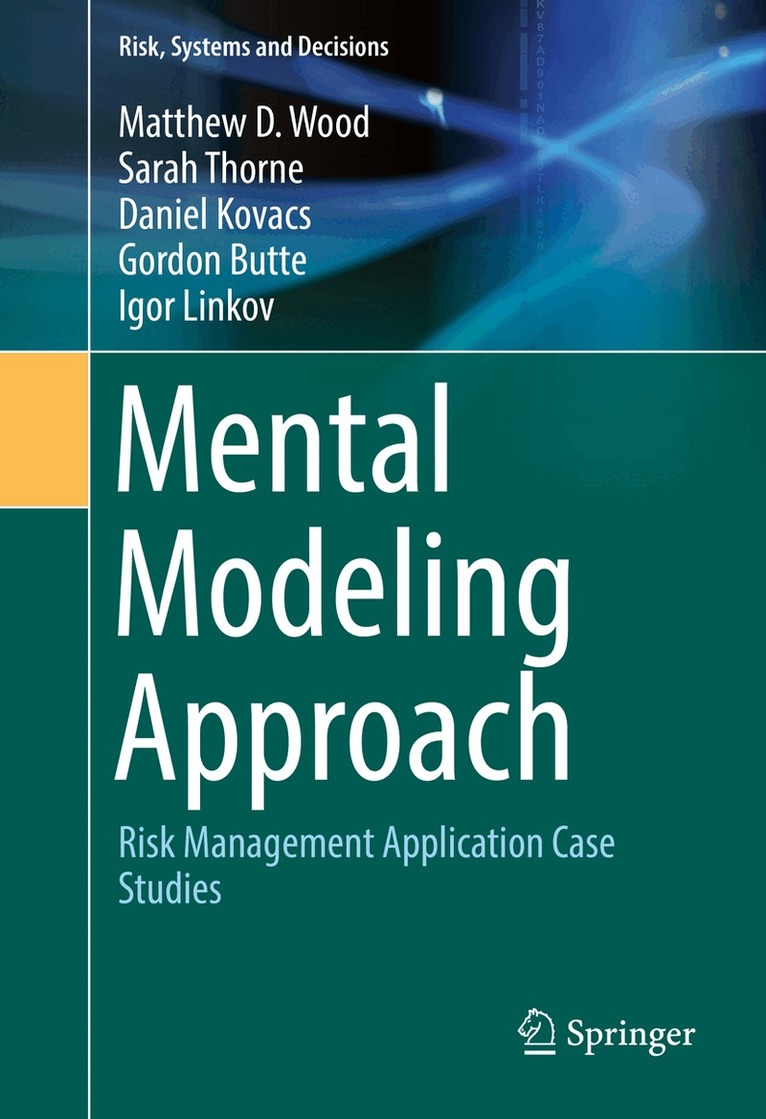
This book provides an easy-to-read, user-oriented introduction to mental models research and Mental Modeling TechnologyTM. Mental models are powerful influences human behavior. The book offers insight from the developers and most experienced application professionals of a widely proven methodology for understanding and influencing human judgment, decision making and behavior. The case studies show examples of the methodological concepts in their application context. It is one of the most comprehensive collections of cases focused on government needs of any similar qualitative analysis approach. Finally, it presents an introduction to software tools and tutorials that enable readers to use the approach for their own research needs.
1 492 kr
Skickas inom 10-15 vardagar
This book provides an easy-to-read, user-oriented introduction to mental models research and Mental Modeling TechnologyTM. Mental models are powerful influences human behavior.
1 822 kr
Tillfälligt slut
The long-term viability and sustainability of biosolids land application is dependent on continuously earning stakeholder confidence, trust and support. This requires ongoing and effective engagement and communication with key stakeholders about the beneficial use of biosolids in their communities. The goal of the risk communications research was to develop processes, tools and materials to help biosolids managers conduct effective outreach and dialogue with key stakeholders in the communities where they operate, first on biosolids land application and its beneficial use, then on specific challenges such as communicating about potential health risks due to pathogens in biosolids. The researchers developed a state-of-the-science Strategic Risk Communications Process, tools and materials that can be adapted and used by biosolids program managers. The Process was applied and validated through two case studies, which involved in-depth research with landowners who receive biosolids and neighbors to biosolids land application sites and, in one case, community health officials. The research demonstrated that the key influence on these stakeholders' judgments on the acceptability of biosolids land application is the trust they have in the people who are producing the product, the people who are using the product and the people are overseeing and ensuring the safe appropriate use of biosolids. These stakeholders recognized the benefits and risks associated with biosolids land application and support its beneficial use. However, their support was not unconditional - they had questions about the long-term health and environmental impacts of such application. The process, tools and materials developed through this project will serve to address these and other key questions, while enabling biosolids managers to continually build stakeholder support for biosolids land application.