Wittgenstein's Thought and Legacy - Böcker
Visar alla böcker i serien Wittgenstein's Thought and Legacy. Handla med fri frakt och snabb leverans.
8 produkter
8 produkter
627 kr
Skickas inom 10-15 vardagar
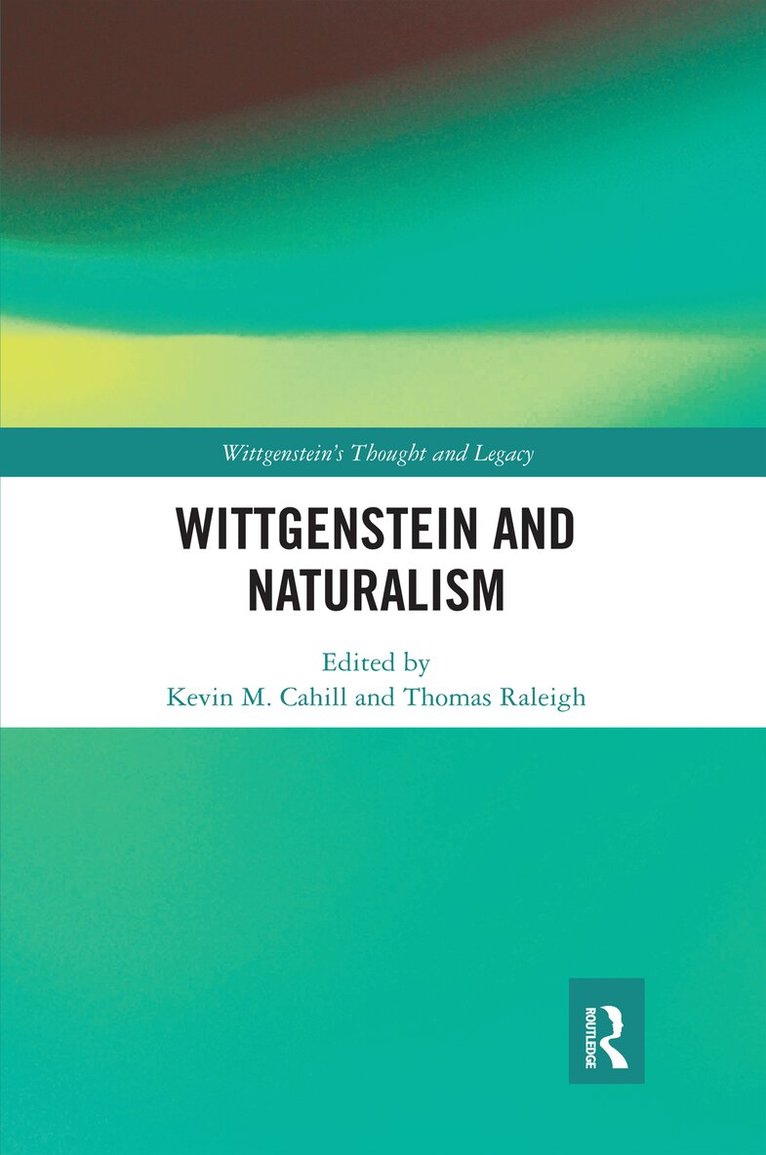
Wittgenstein was centrally concerned with the puzzling nature of the mind, mathematics, morality and modality. He also developed innovative views about the status and methodology of philosophy and was explicitly opposed to crudely "scientistic" worldviews. His later thought has thus often been understood as elaborating a nuanced form of naturalism appealing to such notions as "form of life", "primitive reactions", "natural history", "general facts of nature" and "common behaviour of mankind". And yet, Wittgenstein is strangely absent from much of the contemporary literature on naturalism and naturalising projects.This is the first collection of essays to focus explicitly on the relationship between Wittgenstein and naturalism. The volume is divided into four sections, each of which addresses a different aspect of naturalism and its relation to Wittgenstein's thought. The first section considers how naturalism could or should be understood. The second section deals with some of the main problematic domains—consciousness, meaning, mathematics—that philosophers have typically sought to naturalise. The third section explores ways in which the conceptual nature of human life might be continuous in important respects with animals. The final section is concerned with the naturalistic status and methodology of philosophy itself. This book thus casts a fresh light on many classical philosophical issues and brings Wittgensteinian ideas to bear on a number of current debates-for example experimental philosophy, neo-pragmatism and animal cognition/ethics-in which naturalism is playing a central role.
627 kr
Skickas inom 10-15 vardagar
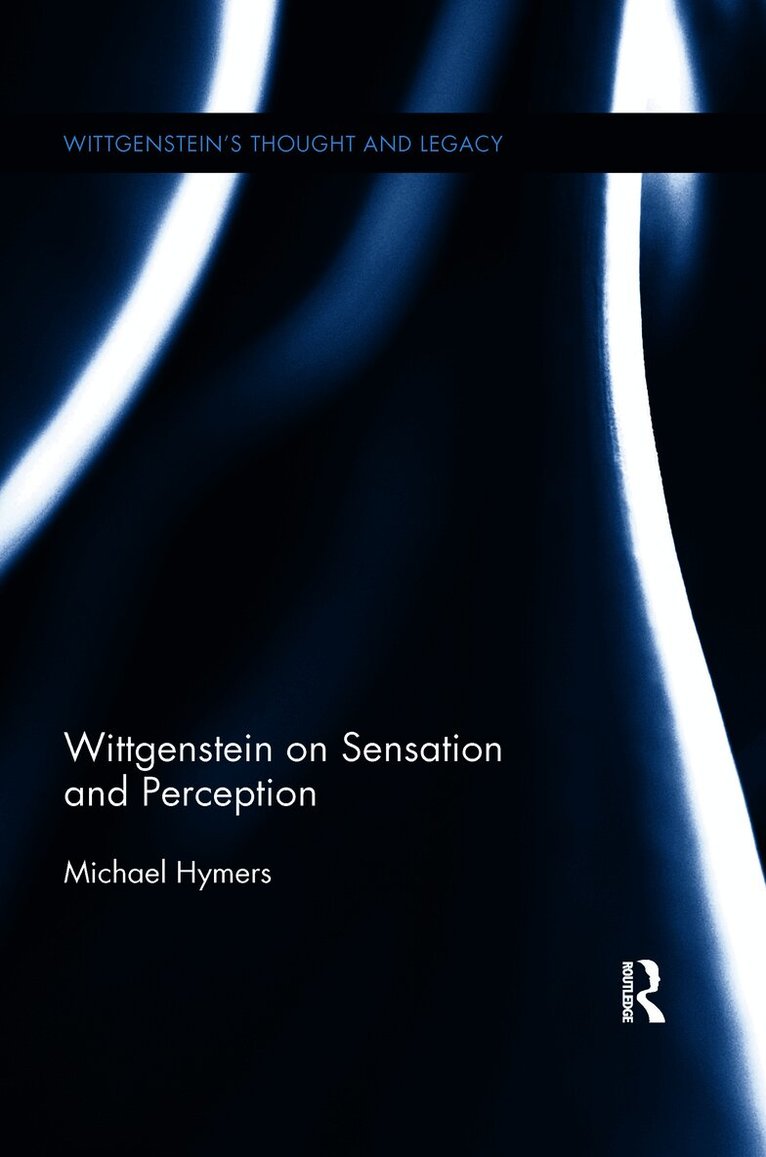
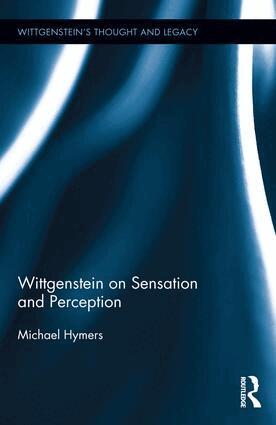
This book offers two novel claims about Wittgenstein’s views and methods on perception as explored in the Philosophical Investigations. The first is an interpretive claim about Wittgenstein: that his views on sensation and perception, including his critique of private language, have their roots in his reflections on sense-datum theories and on what Hymers calls the misleading metaphor of phenomenal space. The second is a major philosophical claim: that Wittgenstein’s critique of the misleading metaphor of phenomenal space is of ongoing relevance to current debates concerning first-person authority and the problem of perception because we are still tempted to draw inferences about the phenomenal that only apply to the physical. Many contemporary discussions of these topics are thus premised on the very confusions Wittgenstein sought to dispel. This book will appeal to Wittgenstein scholars who are interested in the Philosophical Investigations and to philosophers of perception who may think that Wittgenstein’s views are mistaken, irrelevant, or already adequately appreciated.
573 kr
Skickas inom 10-15 vardagar
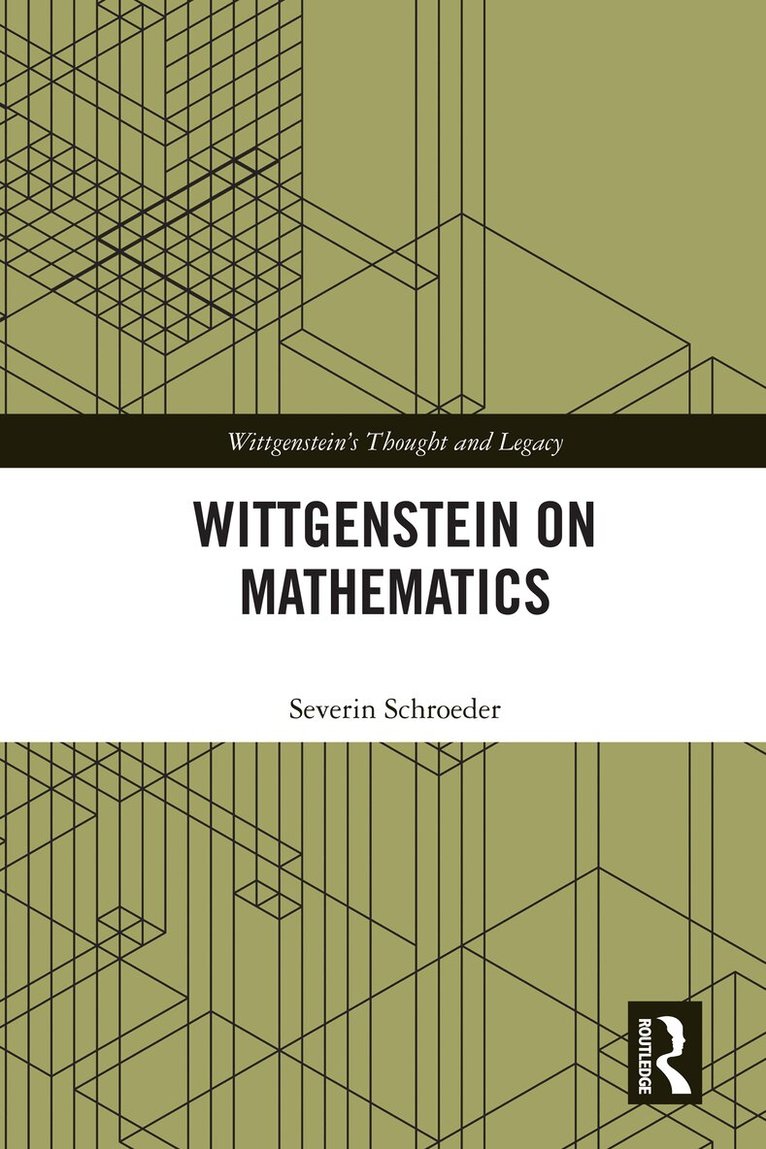
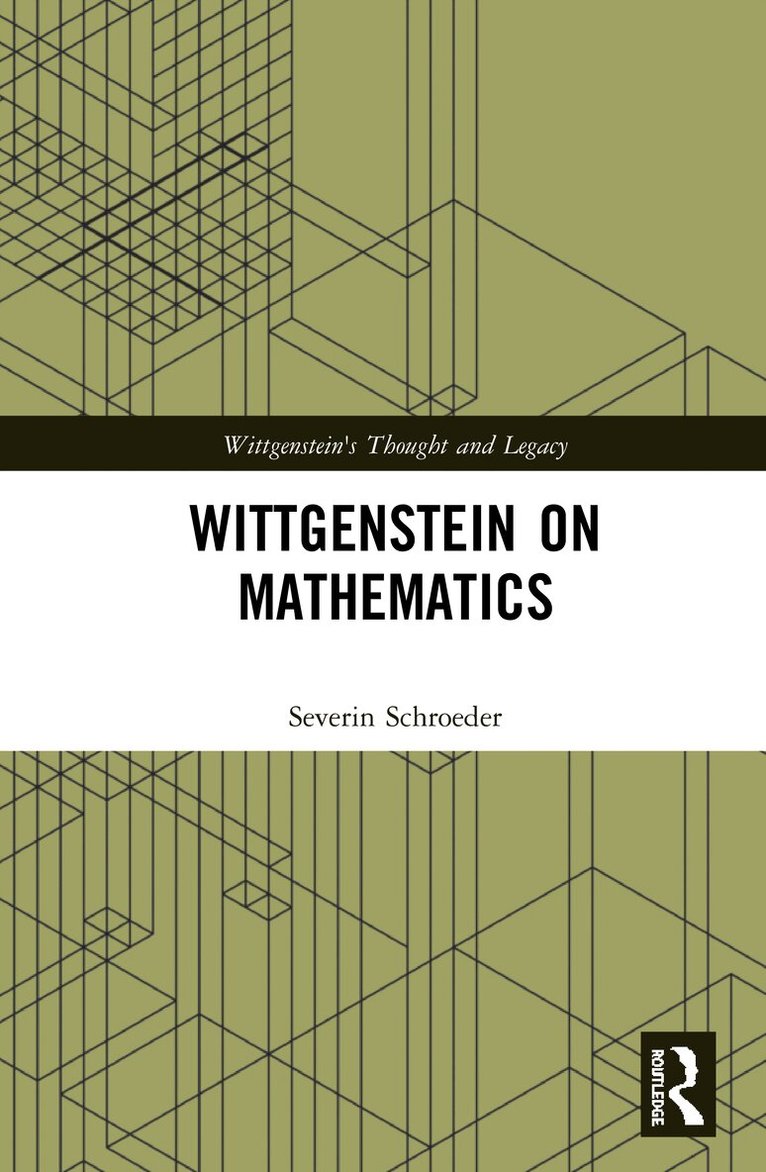
This book offers a detailed account and discussion of Ludwig Wittgenstein’s philosophy of mathematics. In Part I, the stage is set with a brief presentation of Frege’s logicist attempt to provide arithmetic with a foundation and Wittgenstein’s criticisms of it, followed by sketches of Wittgenstein’s early views of mathematics, in the Tractatus and in the early 1930s. Then (in Part II), Wittgenstein’s mature philosophy of mathematics (1937-44) is carefully presented and examined. Schroeder explains that it is based on two key ideas: the calculus view and the grammar view. On the one hand, mathematics is seen as a human activity — calculation — rather than a theory. On the other hand, the results of mathematical calculations serve as grammatical norms. The following chapters (on mathematics as grammar; rule-following; conventionalism; the empirical basis of mathematics; the role of proof) explore the tension between those two key ideas and suggest a way in which it can be resolved. Finally, there are chapters analysing and defending Wittgenstein’s provocative views on Hilbert’s Formalism and the quest for consistency proofs and on Gödel’s incompleteness theorems.
2 231 kr
Skickas inom 10-15 vardagar
Wittgenstein was centrally concerned with the puzzling nature of the mind, mathematics, morality and modality. He also developed innovative views about the status and methodology of philosophy and was explicitly opposed to crudely "scientistic" worldviews. His later thought has thus often been understood as elaborating a nuanced form of naturalism appealing to such notions as "form of life", "primitive reactions", "natural history", "general facts of nature" and "common behaviour of mankind". And yet, Wittgenstein is strangely absent from much of the contemporary literature on naturalism and naturalising projects.This is the first collection of essays to focus explicitly on the relationship between Wittgenstein and naturalism. The volume is divided into four sections, each of which addresses a different aspect of naturalism and its relation to Wittgenstein's thought. The first section considers how naturalism could or should be understood. The second section deals with some of the main problematic domains—consciousness, meaning, mathematics—that philosophers have typically sought to naturalise. The third section explores ways in which the conceptual nature of human life might be continuous in important respects with animals. The final section is concerned with the naturalistic status and methodology of philosophy itself. This book thus casts a fresh light on many classical philosophical issues and brings Wittgensteinian ideas to bear on a number of current debates-for example experimental philosophy, neo-pragmatism and animal cognition/ethics-in which naturalism is playing a central role.
667 kr
Skickas inom 10-15 vardagar
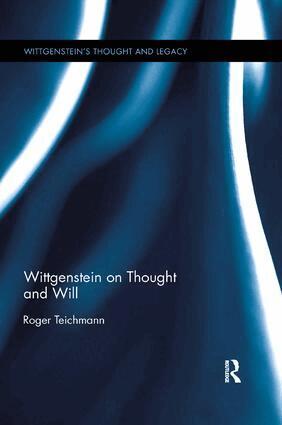
This book examines in detail Ludwig Wittgenstein’s ideas on thought, thinking, will and intention, as those ideas developed over his lifetime. It also puts his ideas into context by a comparison both with preceding thinkers and with subsequent ones. The first chapter gives an account of the historical and philosophical background, discussing such thinkers as Plato, Descartes, Berkeley, Frege and Russell. The final chapter looks at the legacy of, and reactions to, Wittgenstein. These two chapters frame the central three chapters, devoted to Wittgenstein’s ideas on thought and will. Chapter 2 discusses the sense in which both thought and will represent, or are about, reality; Chapter 3 considers Wittgenstein’s critique of the picture of an inner process, and the role that behaviour and context play in his views on thought and will; while Chapter 4 centres on the question What sort of thing is it that thinks or wills?, in particular examining Wittgenstein’s ideas concerning the first person (I) and concerning statements like I am thinking or I intend to do X.
2 298 kr
Skickas inom 10-15 vardagar
This book offers two novel claims about Wittgenstein’s views and methods on perception as explored in the Philosophical Investigations. The first is an interpretive claim about Wittgenstein: that his views on sensation and perception, including his critique of private language, have their roots in his reflections on sense-datum theories and on what Hymers calls the misleading metaphor of phenomenal space. The second is a major philosophical claim: that Wittgenstein’s critique of the misleading metaphor of phenomenal space is of ongoing relevance to current debates concerning first-person authority and the problem of perception because we are still tempted to draw inferences about the phenomenal that only apply to the physical. Many contemporary discussions of these topics are thus premised on the very confusions Wittgenstein sought to dispel. This book will appeal to Wittgenstein scholars who are interested in the Philosophical Investigations and to philosophers of perception who may think that Wittgenstein’s views are mistaken, irrelevant, or already adequately appreciated.
2 164 kr
Skickas inom 10-15 vardagar
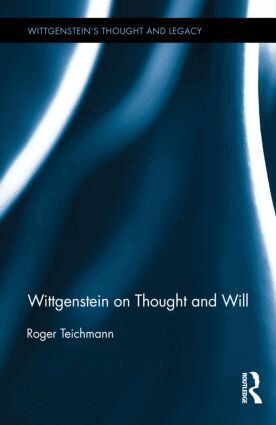
This book examines in detail Ludwig Wittgenstein’s ideas on thought, thinking, will and intention, as those ideas developed over his lifetime. It also puts his ideas into context by a comparison both with preceding thinkers and with subsequent ones. The first chapter gives an account of the historical and philosophical background, discussing such thinkers as Plato, Descartes, Berkeley, Frege and Russell. The final chapter looks at the legacy of, and reactions to, Wittgenstein. These two chapters frame the central three chapters, devoted to Wittgenstein’s ideas on thought and will. Chapter 2 discusses the sense in which both thought and will represent, or are about, reality; Chapter 3 considers Wittgenstein’s critique of the picture of an inner process, and the role that behaviour and context play in his views on thought and will; while Chapter 4 centres on the question What sort of thing is it that thinks or wills?, in particular examining Wittgenstein’s ideas concerning the first person (I) and concerning statements like I am thinking or I intend to do X.
2 298 kr
Skickas inom 10-15 vardagar
This book offers a detailed account and discussion of Ludwig Wittgenstein’s philosophy of mathematics. In Part I, the stage is set with a brief presentation of Frege’s logicist attempt to provide arithmetic with a foundation and Wittgenstein’s criticisms of it, followed by sketches of Wittgenstein’s early views of mathematics, in the Tractatus and in the early 1930s. Then (in Part II), Wittgenstein’s mature philosophy of mathematics (1937-44) is carefully presented and examined. Schroeder explains that it is based on two key ideas: the calculus view and the grammar view. On the one hand, mathematics is seen as a human activity — calculation — rather than a theory. On the other hand, the results of mathematical calculations serve as grammatical norms. The following chapters (on mathematics as grammar; rule-following; conventionalism; the empirical basis of mathematics; the role of proof) explore the tension between those two key ideas and suggest a way in which it can be resolved. Finally, there are chapters analysing and defending Wittgenstein’s provocative views on Hilbert’s Formalism and the quest for consistency proofs and on Gödel’s incompleteness theorems.