Thomas Raleigh – författare
979 kr
Läs direkt efter köp
988 kr
Läs direkt efter köp
1 169 kr
Skickas inom 5-8 vardagar
651 kr
Skickas inom 10-15 vardagar
388 kr
Skickas inom 5-8 vardagar
496 kr
Skickas inom 5-8 vardagar
281 kr
Skickas inom 5-8 vardagar
386 kr
Skickas inom 5-8 vardagar
2 319 kr
Skickas inom 10-15 vardagar
268 kr
Skickas inom 3-6 vardagar
746 kr
Läs direkt efter köp
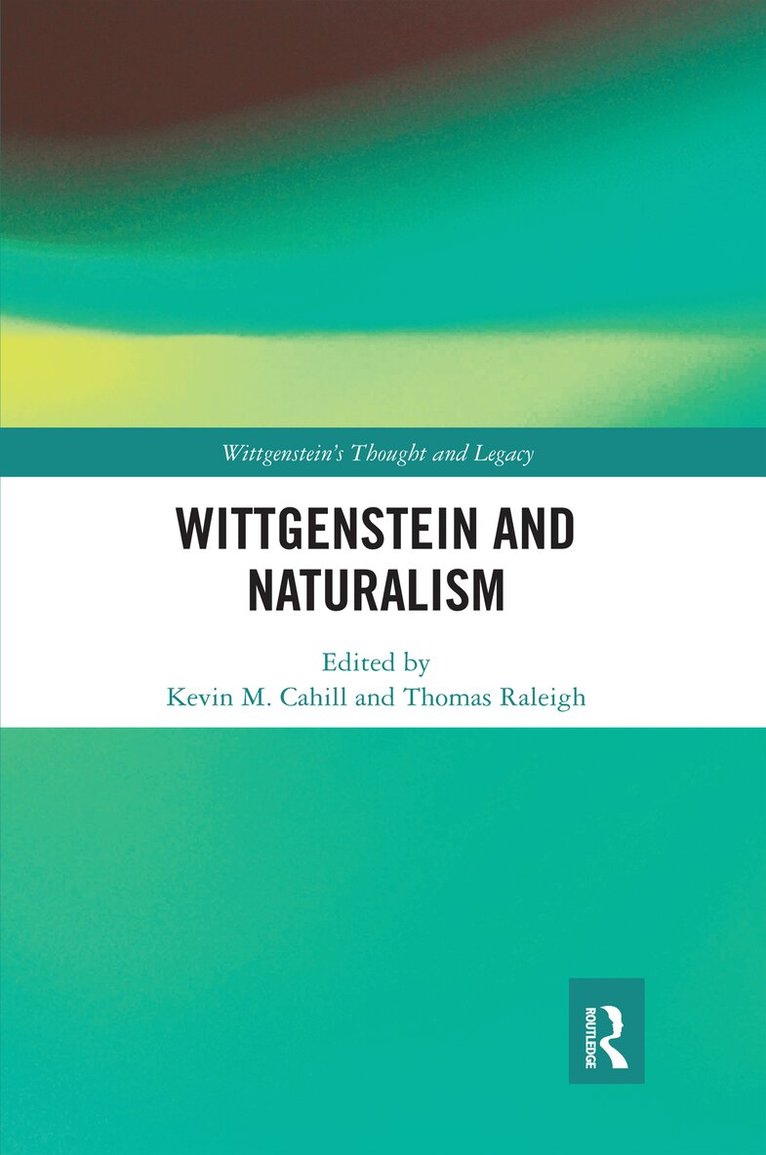
Wittgenstein was centrally concerned with the puzzling nature of the mind, mathematics, morality and modality. He also developed innovative views about the status and methodology of philosophy and was explicitly opposed to crudely "scientistic" worldviews. His later thought has thus often been understood as elaborating a nuanced form of naturalism appealing to such notions as "form of life", "primitive reactions", "natural history", "general facts of nature" and "common behaviour of mankind". And yet, Wittgenstein is strangely absent from much of the contemporary literature on naturalism and naturalising projects.
This is the first collection of essays to focus explicitly on the relationship between Wittgenstein and naturalism. The volume is divided into four sections, each of which addresses a different aspect of naturalism and its relation to Wittgenstein''s thought. The first section considers how naturalism could or should be understood. The second section deals with some of the main problematic domains—consciousness, meaning, mathematics—that philosophers have typically sought to naturalise. The third section explores ways in which the conceptual nature of human life might be continuous in important respects with animals. The final section is concerned with the naturalistic status and methodology of philosophy itself. This book thus casts a fresh light on many classical philosophical issues and brings Wittgensteinian ideas to bear on a number of current debates-for example experimental philosophy, neo-pragmatism and animal cognition/ethics-in which naturalism is playing a central role.
746 kr
Läs direkt efter köp
Wittgenstein was centrally concerned with the puzzling nature of the mind, mathematics, morality and modality. He also developed innovative views about the status and methodology of philosophy and was explicitly opposed to crudely "scientistic" worldviews. His later thought has thus often been understood as elaborating a nuanced form of naturalism appealing to such notions as "form of life", "primitive reactions", "natural history", "general facts of nature" and "common behaviour of mankind". And yet, Wittgenstein is strangely absent from much of the contemporary literature on naturalism and naturalising projects.
This is the first collection of essays to focus explicitly on the relationship between Wittgenstein and naturalism. The volume is divided into four sections, each of which addresses a different aspect of naturalism and its relation to Wittgenstein''s thought. The first section considers how naturalism could or should be understood. The second section deals with some of the main problematic domains—consciousness, meaning, mathematics—that philosophers have typically sought to naturalise. The third section explores ways in which the conceptual nature of human life might be continuous in important respects with animals. The final section is concerned with the naturalistic status and methodology of philosophy itself. This book thus casts a fresh light on many classical philosophical issues and brings Wittgensteinian ideas to bear on a number of current debates-for example experimental philosophy, neo-pragmatism and animal cognition/ethics-in which naturalism is playing a central role.
375 kr
Skickas inom 5-8 vardagar
300 kr
Skickas inom 5-8 vardagar