World Economies - Böcker
Visar alla böcker i serien World Economies. Handla med fri frakt och snabb leverans.
22 produkter
22 produkter
1 524 kr
Skickas inom 5-8 vardagar
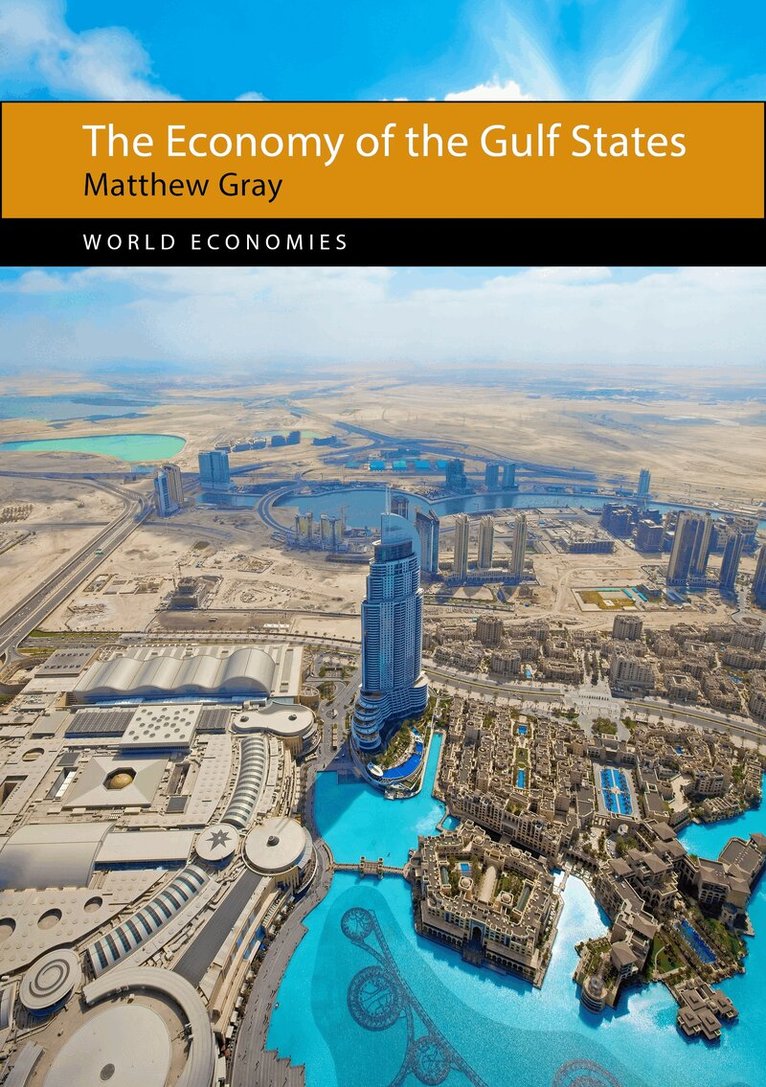
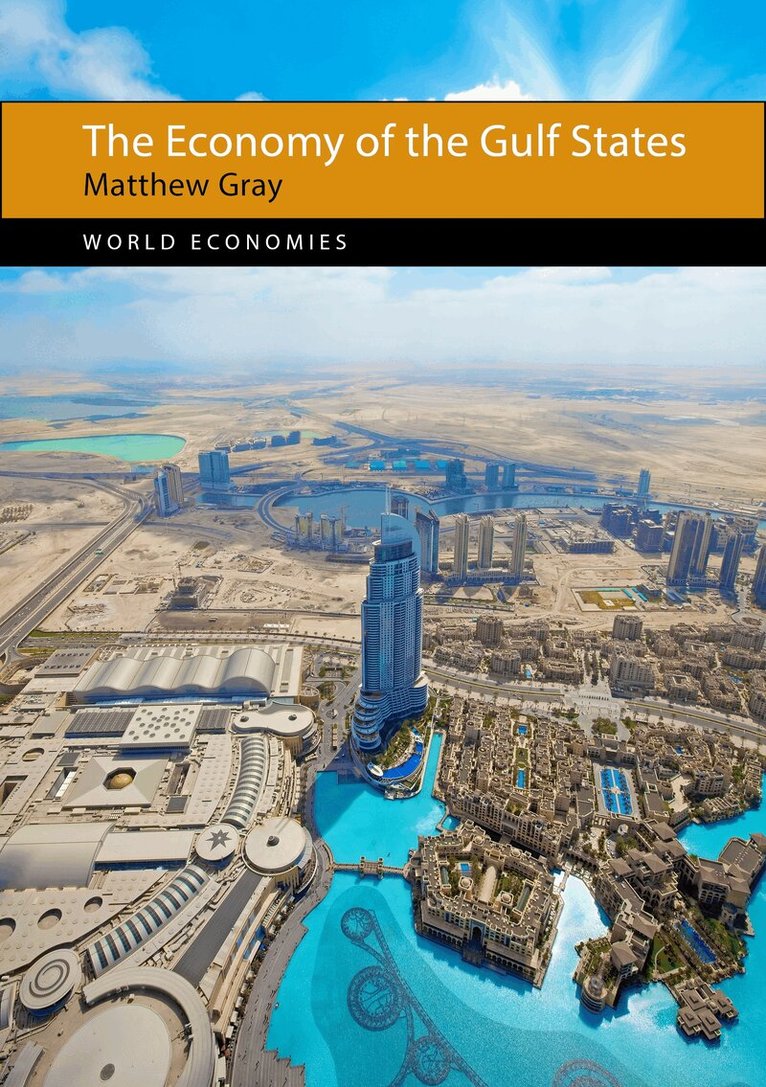
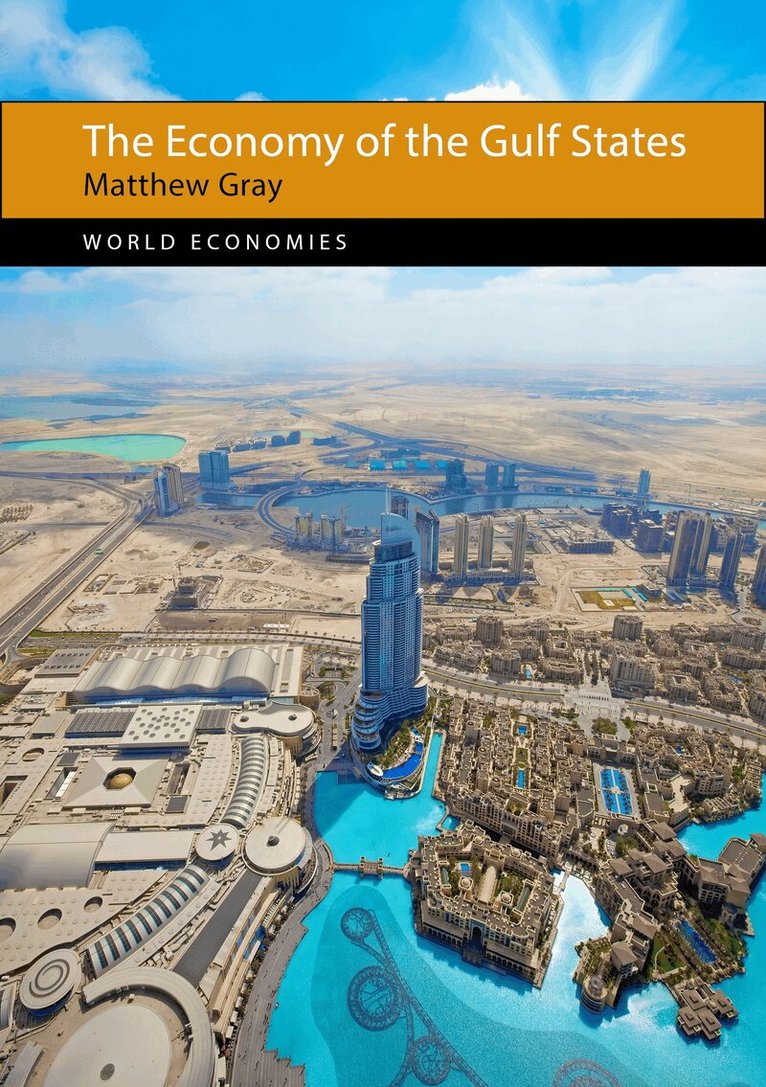
The six Arab monarchies of the Persian Gulf – Bahrain, Kuwait, Qatar, Oman, Saudi Arabia and the United Arab Emirates – have a disproportionate importance in the global economic system because of their enormous reserves of oil and gas.Matthew Gray provides a brief yet comprehensive profile of these six Gulf states and their modern political economy. Focusing on the postwar period, particularly the last 20 years, he examines the key factors that have shaped these nations’ economies and enabled them to bypass typical development pathways.The book explores how the combination of rentierism, state ownership of key firms and assets, and the use of patron–client networks to distribute favours and opportunities, has created a very effective strategy for regime maintenance and durability. However, the book also outlines how cooptive bargains with society have given the Gulf states a unique set of economic problems, including low levels of innovation and entrepreneurship, reliance on foreign workers and an inflated public sector. With the global demand for hydrocarbons set to decline, the need for the Gulf states to diversify their economies, expand the private sector, and build a more diverse taxation base has become ever more pressing. The book explains the importance of these challenges, which, along with those of geography, regional security, rapidly growing populations, and sectarianism are likely to test the Gulf’s new generation of leaders.
459 kr
Skickas inom 5-8 vardagar
The six Arab monarchies of the Persian Gulf – Bahrain, Kuwait, Qatar, Oman, Saudi Arabia and the United Arab Emirates – have a disproportionate importance in the global economic system because of their enormous reserves of oil and gas.Matthew Gray provides a brief yet comprehensive profile of these six Gulf states and their modern political economy. Focusing on the postwar period, particularly the last 20 years, he examines the key factors that have shaped these nations’ economies and enabled them to bypass typical development pathways.The book explores how the combination of rentierism, state ownership of key firms and assets, and the use of patron–client networks to distribute favours and opportunities, has created a very effective strategy for regime maintenance and durability. However, the book also outlines how cooptive bargains with society have given the Gulf states a unique set of economic problems, including low levels of innovation and entrepreneurship, reliance on foreign workers and an inflated public sector. With the global demand for hydrocarbons set to decline, the need for the Gulf states to diversify their economies, expand the private sector, and build a more diverse taxation base has become ever more pressing. The book explains the importance of these challenges, which, along with those of geography, regional security, rapidly growing populations, and sectarianism are likely to test the Gulf’s new generation of leaders.
1 524 kr
Skickas inom 5-8 vardagar
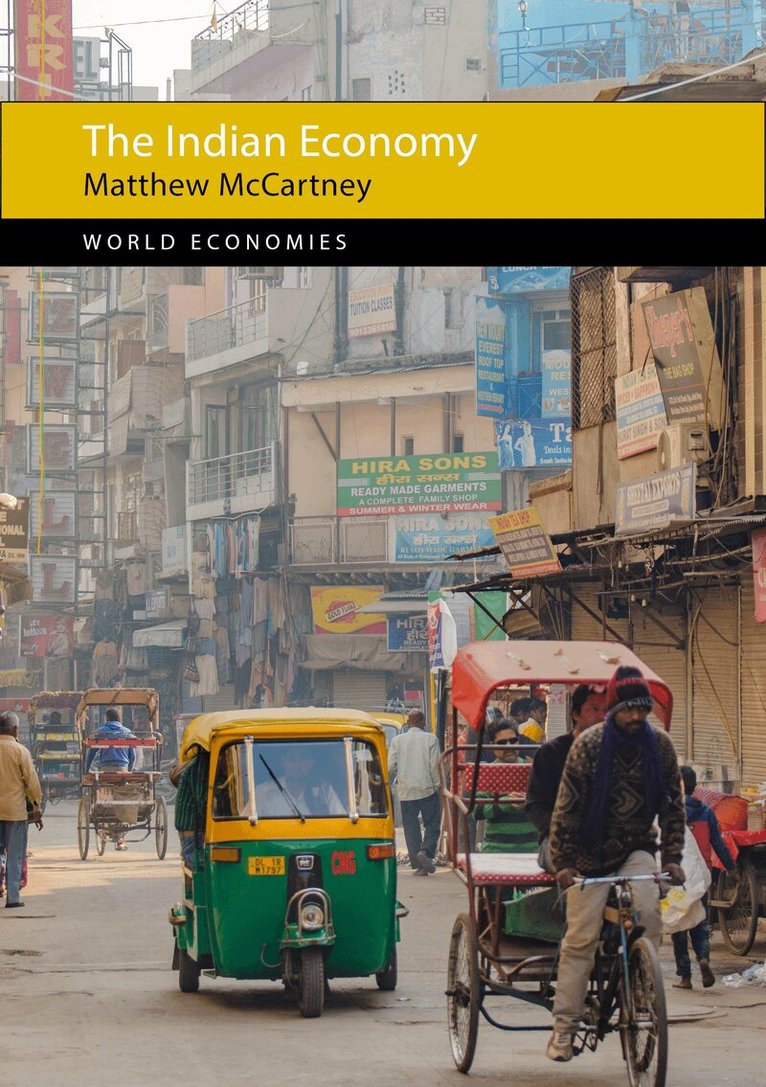
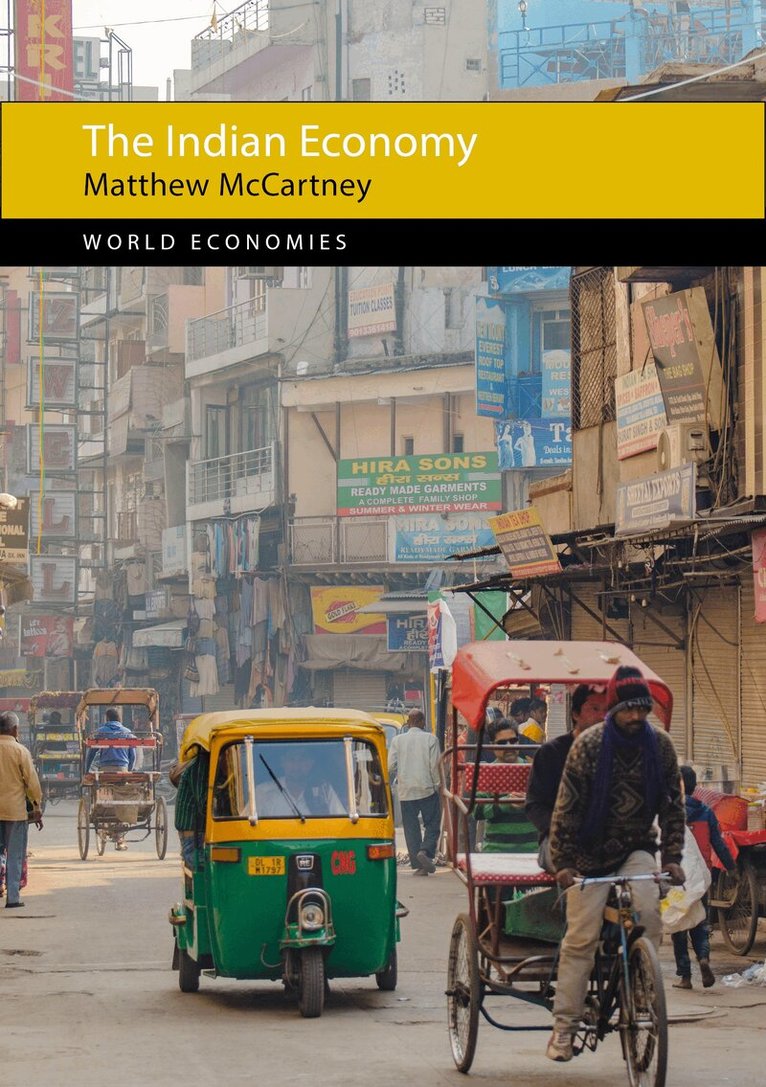
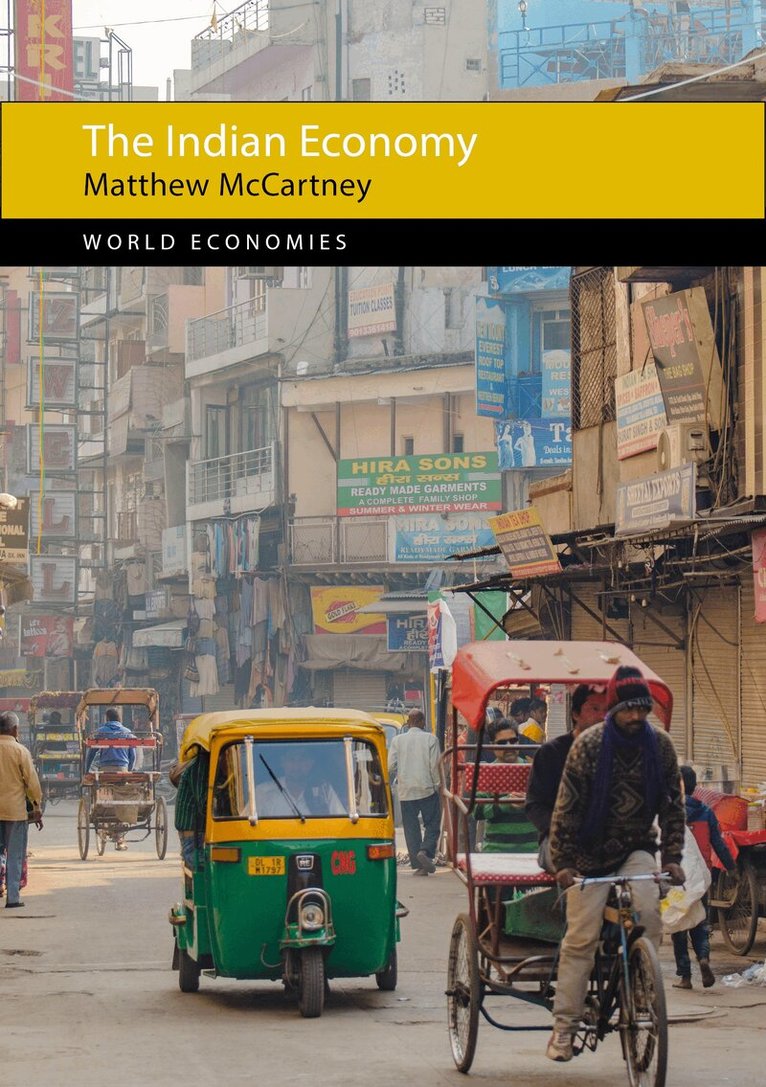
The Indian economy has undergone dramatic changes over recent decades encompassing episodes of rapid growth and stagnation. It is a complex economic story that stretches back to the seismic events of 1947. This book charts the development of the Indian economy since independence and partition, and provides a rigorous presentation of India’s contemporary political economy.As well as providing a comprehensive survey of the main features of the Indian economy, the book critically examines key debates surrounding the country’s economic trajectory, in particular those that link it to the dominance of particular class interests, and those that argue that India’s economic growth has not delivered equivalent welfare gains. Throughout, the book uses revealing case studies of poverty and inequality, of education, health, work and gender issues to outline the human story behind the economic figures and performance indicators. The economic impact of internal geography, regional diversity and discrimination is also assessed. The distinct, and sometimes puzzling, features of India’s political economy are explored, including the significance of the service sector, a weakening state, and the democratic failure of public service delivery.The book offers an authoritative overview of the contemporary Indian economy suitable for students seeking an introduction to this most diverse of economies.
459 kr
Skickas inom 5-8 vardagar
The Indian economy has undergone dramatic changes over recent decades encompassing episodes of rapid growth and stagnation. It is a complex economic story that stretches back to the seismic events of 1947. This book charts the development of the Indian economy since independence and partition, and provides a rigorous presentation of India’s contemporary political economy.As well as providing a comprehensive survey of the main features of the Indian economy, the book critically examines key debates surrounding the country’s economic trajectory, in particular those that link it to the dominance of particular class interests, and those that argue that India’s economic growth has not delivered equivalent welfare gains. Throughout, the book uses revealing case studies of poverty and inequality, of education, health, work and gender issues to outline the human story behind the economic figures and performance indicators. The economic impact of internal geography, regional diversity and discrimination is also assessed. The distinct, and sometimes puzzling, features of India’s political economy are explored, including the significance of the service sector, a weakening state, and the democratic failure of public service delivery.The book offers an authoritative overview of the contemporary Indian economy suitable for students seeking an introduction to this most diverse of economies.
1 524 kr
Skickas inom 5-8 vardagar
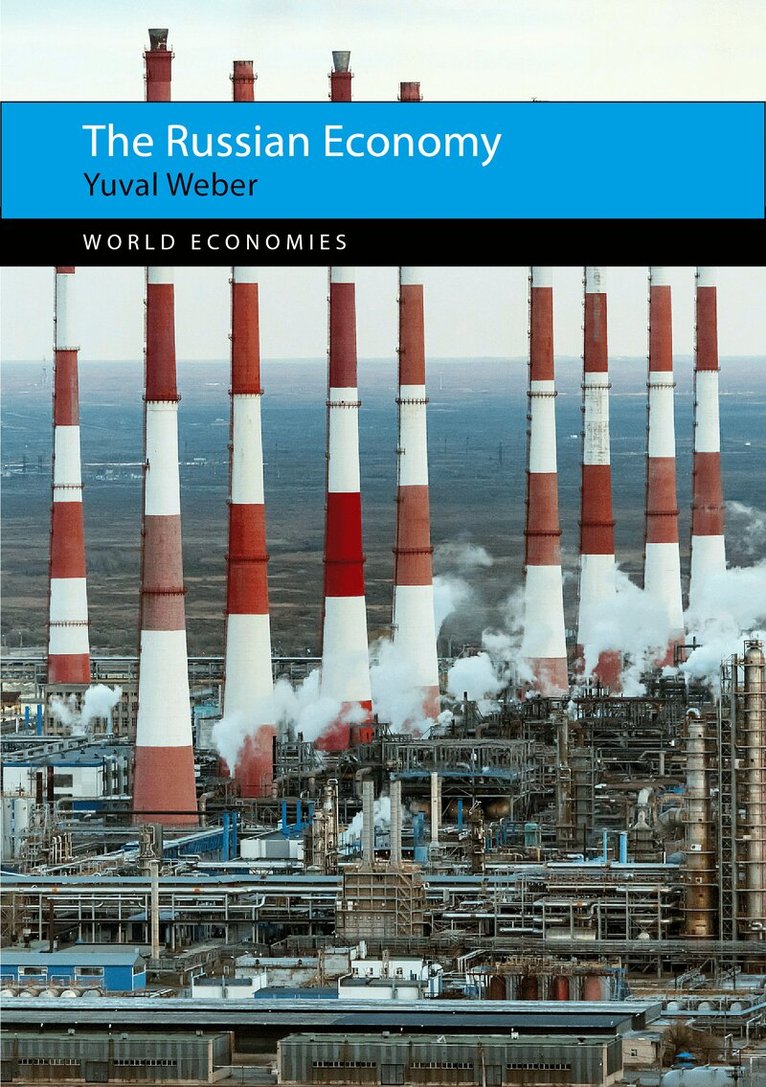
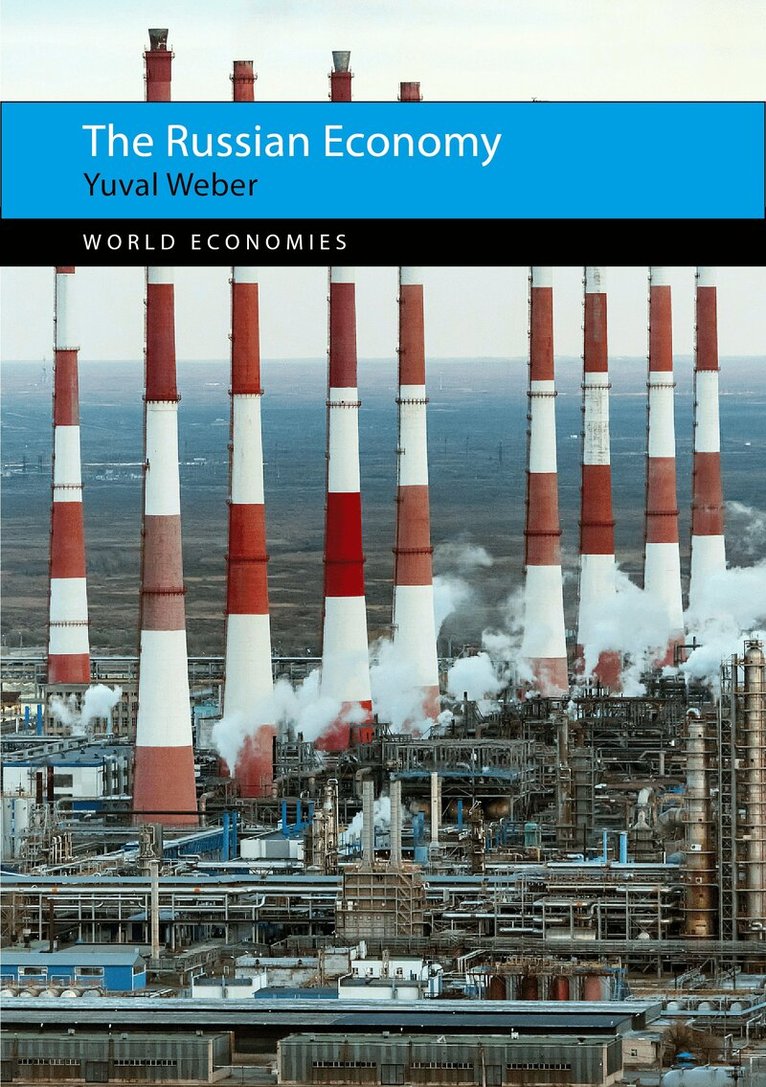
Since Tsarist times, Russia’s leaders, rather than pursue economic growth for its own sake, have sought control over economic activity as a means to manage their own support base, respond to perceived security threats and to facilitate their wider geopolitical ambitions. Balancing the needs of an authoritarian state with the tentative and inconsistent use of the market has defined Russia’s modern economic history from the nineteenth-century Stolypin reforms to Lenin’s New Economic Policy through to the high Soviet years, Gorbachev’s perestroika, and Yeltsin and Gaidar’s shock therapy. And it is no more evident today than in Putin’s management of Russia’s natural resource-based economy.Yuval Weber provides a concise economic history of modern Russia, which explains how its economy works both at an economic level but also strategically serving its elites’ personal and political agendas. At a time when the global importance of Russia’s oil and gas reserves is in full view, the book examines the Russian Petrostate and considers the long-term challenges for an economy reliant on natural resources for its resilience. The country’s regional imbalances, the demands of its huge military-industrial complex and the legacy of centralization are considered alongside the rising consumerism of its citizens, and other human factors, such as ethnicity, health and demography.The book offers readers seeking to understand Russia’s economic resilience in an increasingly fractured global economy, an illuminating historical perspective on Russia’s political economy and the power structures underpinning Putin’s governance.
351 kr
Skickas
Since Tsarist times, Russia’s leaders, rather than pursue economic growth for its own sake, have sought control over economic activity as a means to manage their own support base, respond to perceived security threats and to facilitate their wider geopolitical ambitions. Balancing the needs of an authoritarian state with the tentative and inconsistent use of the market has defined Russia’s modern economic history from the nineteenth-century Stolypin reforms to Lenin’s New Economic Policy through to the high Soviet years, Gorbachev’s perestroika, and Yeltsin and Gaidar’s shock therapy. And it is no more evident today than in Putin’s management of Russia’s natural resource-based economy.Yuval Weber provides a concise economic history of modern Russia, which explains how its economy works both at an economic level but also strategically serving its elites’ personal and political agendas. At a time when the global importance of Russia’s oil and gas reserves is in full view, the book examines the Russian Petrostate and considers the long-term challenges for an economy reliant on natural resources for its resilience. The country’s regional imbalances, the demands of its huge military-industrial complex and the legacy of centralization are considered alongside the rising consumerism of its citizens, and other human factors, such as ethnicity, health and demography.The book offers readers seeking to understand Russia’s economic resilience in an increasingly fractured global economy, an illuminating historical perspective on Russia’s political economy and the power structures underpinning Putin’s governance.
1 524 kr
Skickas inom 5-8 vardagar
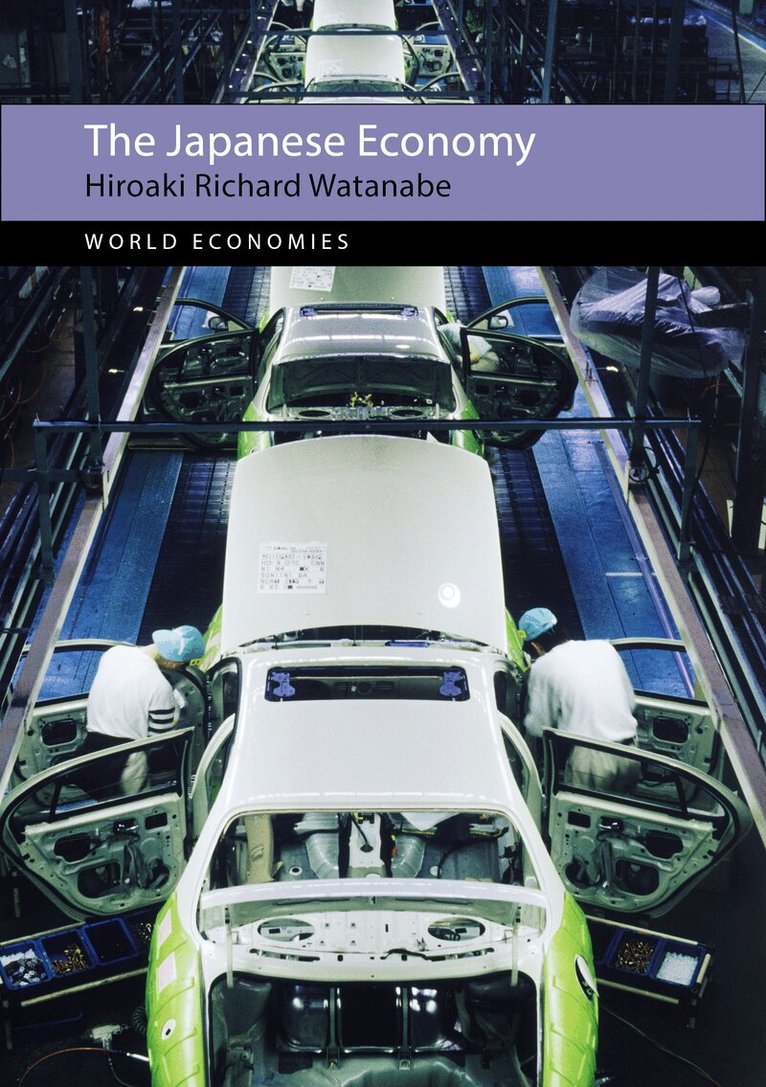
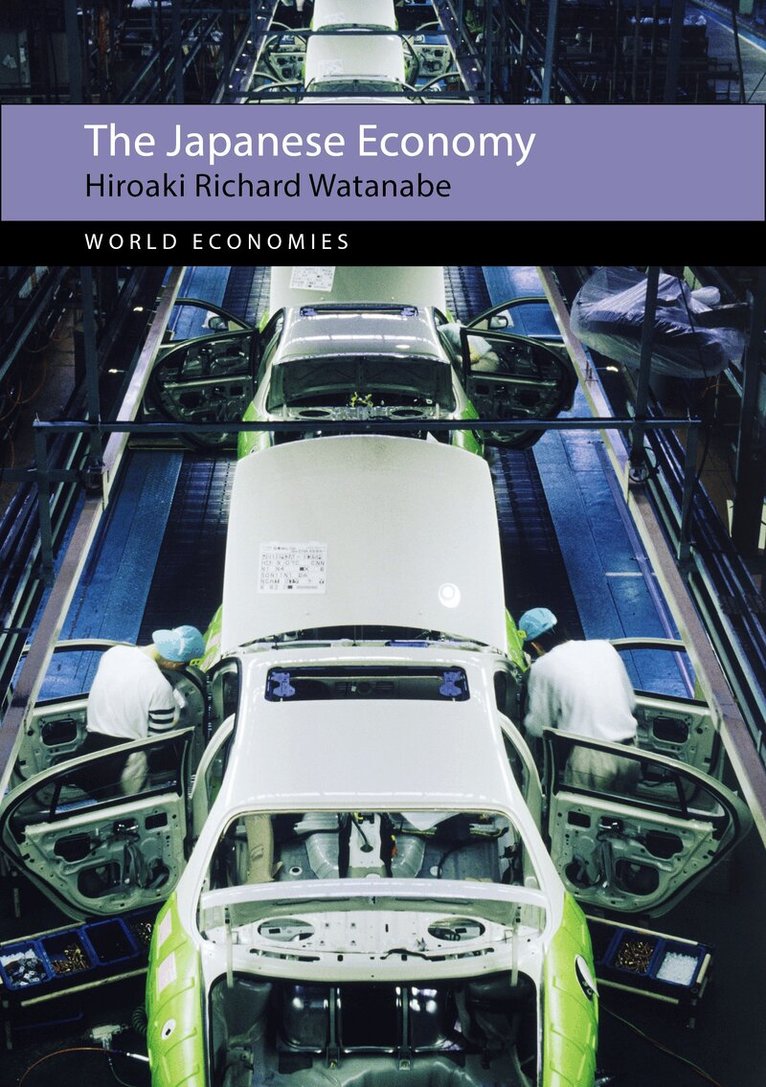
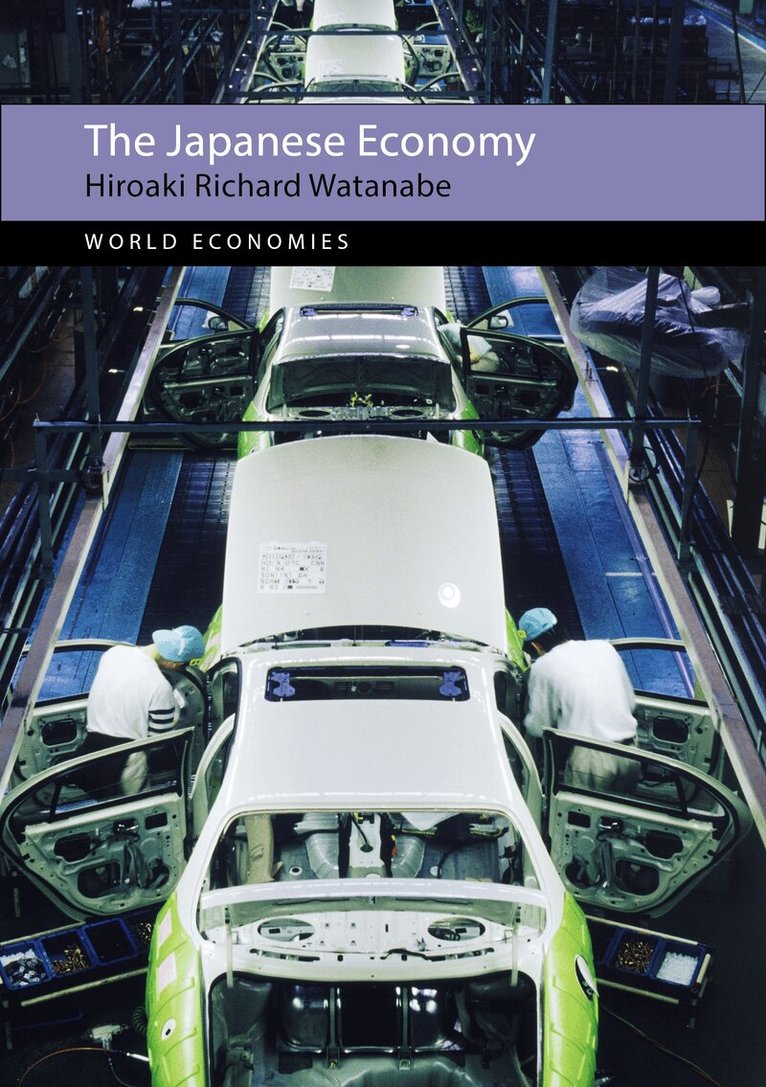
Although still the world’s third largest economy, Japan continues to feel the effects of the collapse of a massive asset price bubble in the early 1990s. In recent years further setbacks, including both the Asian and global financial crises, and the 2011 Fukushima earthquake, have only added to the economy’s difficulties and made its prospects under Abenomics at best mixed.Hiroaki Richard Watanabe examines the ups and downs of Japan’s postwar economic history to offer an up-to-date and authoritative guide to the workings of Japan’s economy. The book highlights the country’s distinct business networks and its unique state–market relationship. It explores the characteristic institutional complementarity that exists among different sectors and business practices and gives particular attention to human factors, such as labour market dualism, gender discrimination and migration. Although often associated in western minds with futuristic automated efficiency, Japan’s economy, Watanabe shows, retains many inefficient and peculiar business practices that do not comply with global standards.The book provides readers with a concise survey of Japan’s recent economic history, the economy’s characteristic features and the challenges it faces.
368 kr
Skickas
Although still the world’s third largest economy, Japan continues to feel the effects of the collapse of a massive asset price bubble in the early 1990s. In recent years further setbacks, including both the Asian and global financial crises, and the 2011 Fukushima earthquake, have only added to the economy’s difficulties and made its prospects under Abenomics at best mixed.Hiroaki Richard Watanabe examines the ups and downs of Japan’s postwar economic history to offer an up-to-date and authoritative guide to the workings of Japan’s economy. The book highlights the country’s distinct business networks and its unique state–market relationship. It explores the characteristic institutional complementarity that exists among different sectors and business practices and gives particular attention to human factors, such as labour market dualism, gender discrimination and migration. Although often associated in western minds with futuristic automated efficiency, Japan’s economy, Watanabe shows, retains many inefficient and peculiar business practices that do not comply with global standards.The book provides readers with a concise survey of Japan’s recent economic history, the economy’s characteristic features and the challenges it faces.
905 kr
Kommande
Latin America’s largest economy Brazil has gone from boom to bust in the past decade. As one of the BRICS economies it was identified as having huge growth potential, yet it is now struggling with a mounting debt burden and severe economic and political challenges.This book traces the political economy of Brazil from state formation and decolonization to unprecedented postwar growth, the structural reforms of the 1990s and the recent democratic rebuilding under the Partido dos Trabalhadores (Worker’s Party) and the subsequent debacle.Juan Grigera considers the key role of primary commodities, like coffee, the peculiarities of Brazil’s finance sector – one dominated by private banks – and the origins and repercussions of the debt crisis. He also examines issues such as Brazil’s regional impact, the nature of foreign investment (including its multi-latinas MNCs), Amazonian environmental issues, and the pivotal role of corruption (notably the “car wash” scandal) in the deep crisis of recent years. The author also highlights the ongoing history of social struggles and unionism, gender and racial inequalities and regional disparities that have given rise to many strong social movements including the MST landless movement, in addition to considering the significance of the “new middle class” and Brazil’s unusually large state.Concluding with a view of the current turmoil, The Brazilian Economy further interrogates the idea and history of “interpreting Brazil” and the diagnoses offered by different streams of Latin American economic thought.
261 kr
Kommande
Latin America’s largest economy Brazil has gone from boom to bust in the past decade. As one of the BRICS economies it was identified as having huge growth potential, yet it is now struggling with a mounting debt burden and severe economic and political challenges.This book traces the political economy of Brazil from state formation and decolonization to unprecedented postwar growth, the structural reforms of the 1990s and the recent democratic rebuilding under the Partido dos Trabalhadores (Worker’s Party) and the subsequent debacle.Juan Grigera considers the key role of primary commodities, like coffee, the peculiarities of Brazil’s finance sector – one dominated by private banks – and the origins and repercussions of the debt crisis. He also examines issues such as Brazil’s regional impact, the nature of foreign investment (including its multi-latinas MNCs), Amazonian environmental issues, and the pivotal role of corruption (notably the “car wash” scandal) in the deep crisis of recent years. The author also highlights the ongoing history of social struggles and unionism, gender and racial inequalities and regional disparities that have given rise to many strong social movements including the MST landless movement, in addition to considering the significance of the “new middle class” and Brazil’s unusually large state.Concluding with a view of the current turmoil, The Brazilian Economy further interrogates the idea and history of “interpreting Brazil” and the diagnoses offered by different streams of Latin American economic thought.
1 472 kr
Skickas inom 5-8 vardagar
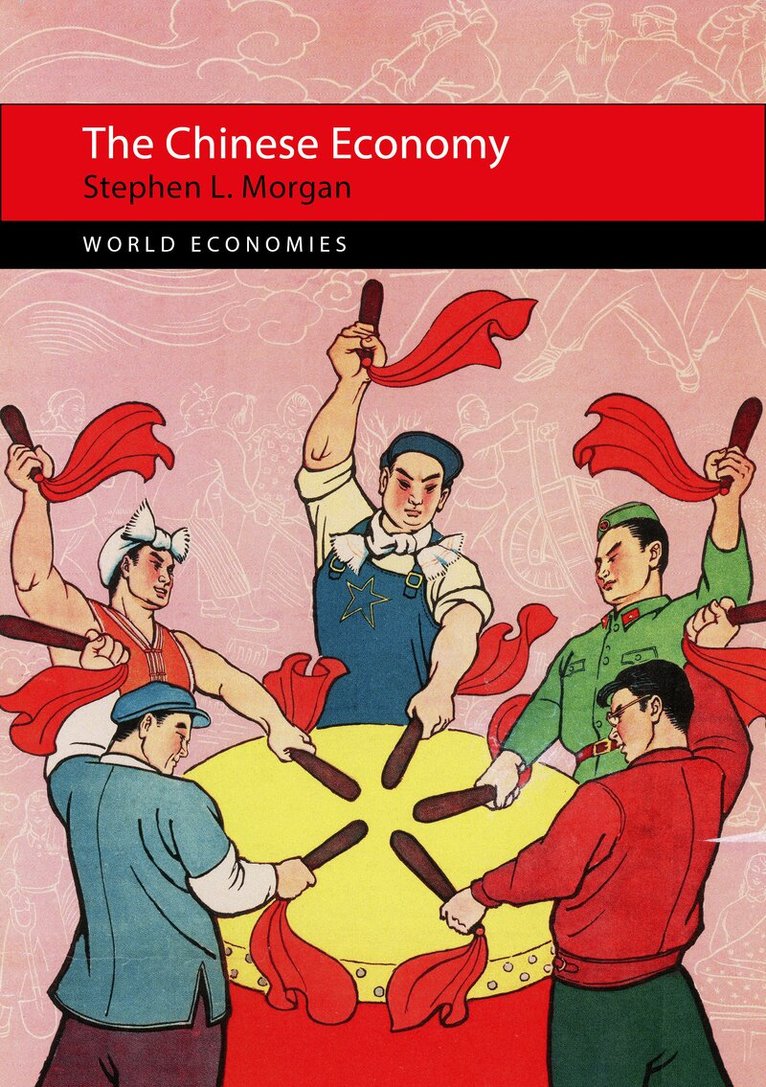
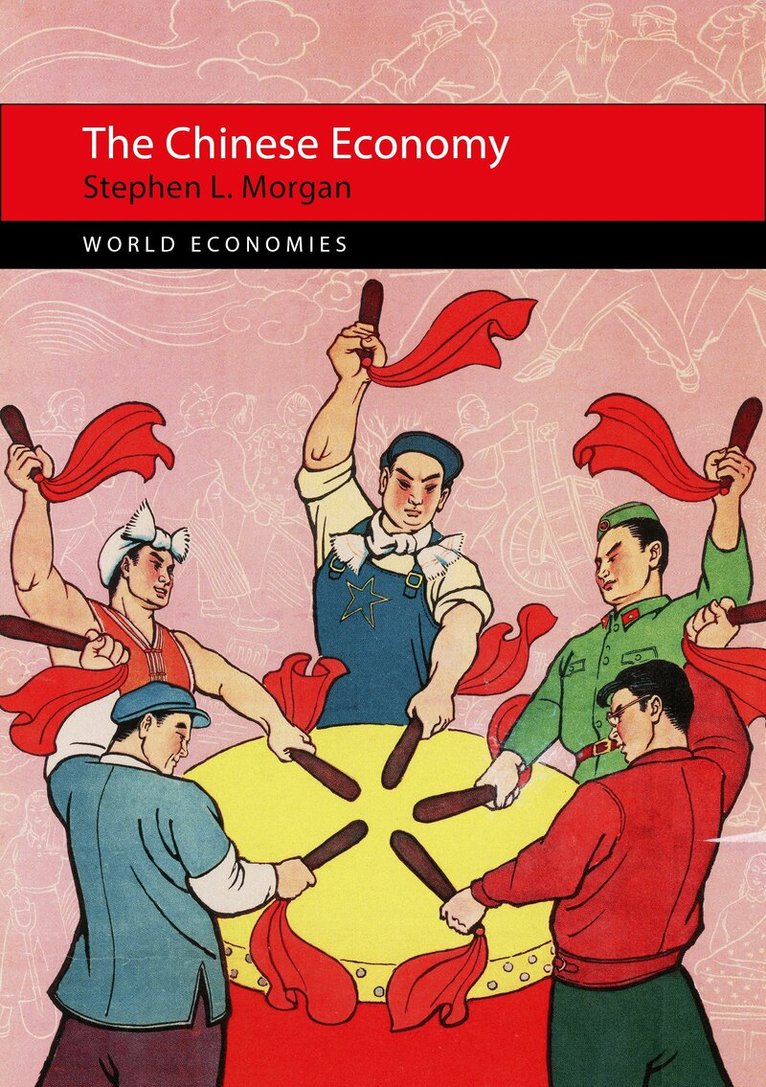
China’s transformation over the past four decades has been unprecedented. The vision of its leaders for the next three decades is unprecedented too, as China seeks to fashion an advanced economy without significant political and social liberalization.Stephen Morgan provides a wide-ranging examination of China’s remarkable economic history from the time of the great divergence to the present day. Alongside the familiar story of GDP growth, he considers a comprehensive range of issues, including business management, energy use, foreign direct investment, government, innovation and consumerism as well as social and demographic factors such as social networks, health, education and migration and their interlinked challenges for the Chinese state. The specifics of development are examined – capitalism from above and below and its regional variances – as well as notable consequences, including growing inequality and severe pollution. The book also assesses the challenges to China’s continued growth, including its ageing and shrinking workforce (and rising dependency ratio), the constraints on innovation and raising productivity, as well as its ambitious international plans.The book provides an accessible and authoritative survey of China’s recent economic history and the workings of its unique political economy suitable for courses in Asian business and economy, Chinese history and East Asian studies.
459 kr
Skickas inom 5-8 vardagar
China’s transformation over the past four decades has been unprecedented. The vision of its leaders for the next three decades is unprecedented too, as China seeks to fashion an advanced economy without significant political and social liberalization.Stephen Morgan provides a wide-ranging examination of China’s remarkable economic history from the time of the great divergence to the present day. Alongside the familiar story of GDP growth, he considers a comprehensive range of issues, including business management, energy use, foreign direct investment, government, innovation and consumerism as well as social and demographic factors such as social networks, health, education and migration and their interlinked challenges for the Chinese state. The specifics of development are examined – capitalism from above and below and its regional variances – as well as notable consequences, including growing inequality and severe pollution. The book also assesses the challenges to China’s continued growth, including its ageing and shrinking workforce (and rising dependency ratio), the constraints on innovation and raising productivity, as well as its ambitious international plans.The book provides an accessible and authoritative survey of China’s recent economic history and the workings of its unique political economy suitable for courses in Asian business and economy, Chinese history and East Asian studies.
1 524 kr
Skickas inom 5-8 vardagar
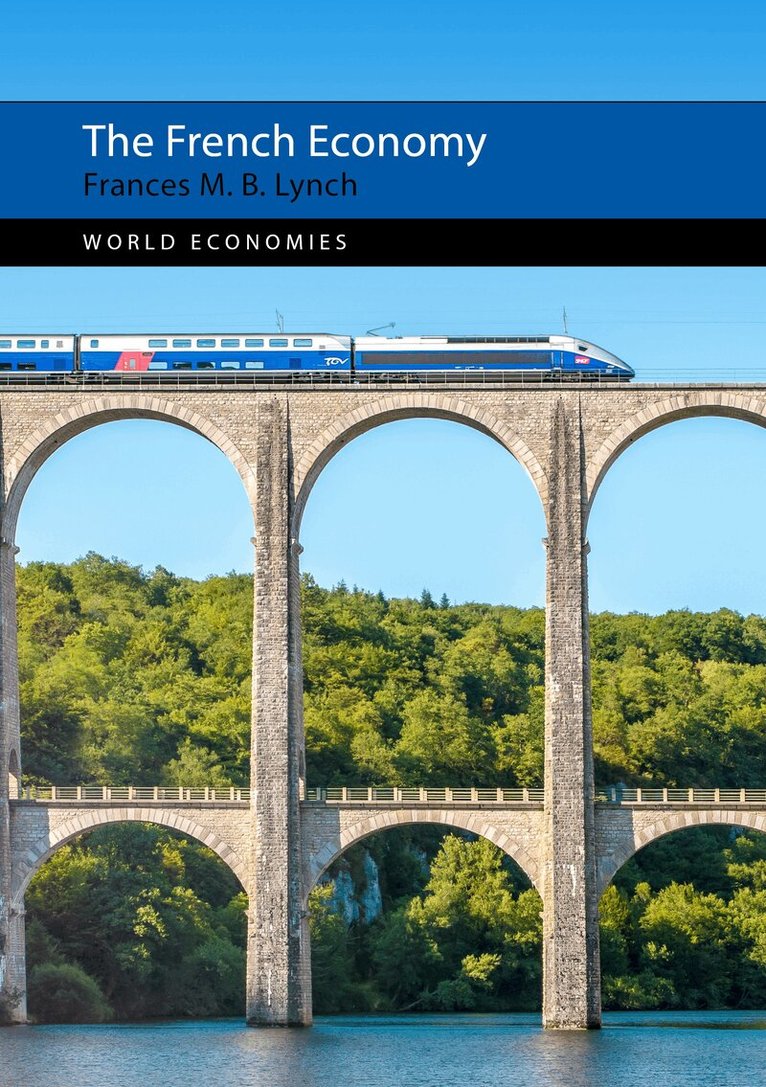
Despite being invariably misunderstood by anglophones and often derided in the English-language financial press, the French economy is one of the world’s major economies. For many years characterized by a distinctive economic model in which the French state intervened to correct or prevent market failures, as France has embraced the global market, its economy has increasingly converged with the western norm, but it remains different from its neighbours, particularly Germany and the UK, in a number of important respects.This general economic history of modern France – the first in the English language for nearly twenty years – provides an authoritative analysis of the workings of the modern French economy since its postwar reforms through to the present day. The book explores the monetary and fiscal policies of successive governments and the country’s economic performance through a variety of indicators. In particular the book considers the attempts by the state to correct the regional imbalances associated with the contraction of agriculture and the decline of historically important industries as well as mitigating the dominance of Paris. The parts played by demographic change, migration, inequality, and the European project in French economic development are also investigated alongside the strength and competitiveness of key industries like finance, energy and transport.
459 kr
Skickas inom 5-8 vardagar
Despite being invariably misunderstood by anglophones and often derided in the English-language financial press, the French economy is one of the world’s major economies. For many years characterized by a distinctive economic model in which the French state intervened to correct or prevent market failures, as France has embraced the global market, its economy has increasingly converged with the western norm, but it remains different from its neighbours, particularly Germany and the UK, in a number of important respects.This general economic history of modern France – the first in the English language for nearly twenty years – provides an authoritative analysis of the workings of the modern French economy since its postwar reforms through to the present day. The book explores the monetary and fiscal policies of successive governments and the country’s economic performance through a variety of indicators. In particular the book considers the attempts by the state to correct the regional imbalances associated with the contraction of agriculture and the decline of historically important industries as well as mitigating the dominance of Paris. The parts played by demographic change, migration, inequality, and the European project in French economic development are also investigated alongside the strength and competitiveness of key industries like finance, energy and transport.
1 524 kr
Skickas inom 5-8 vardagar
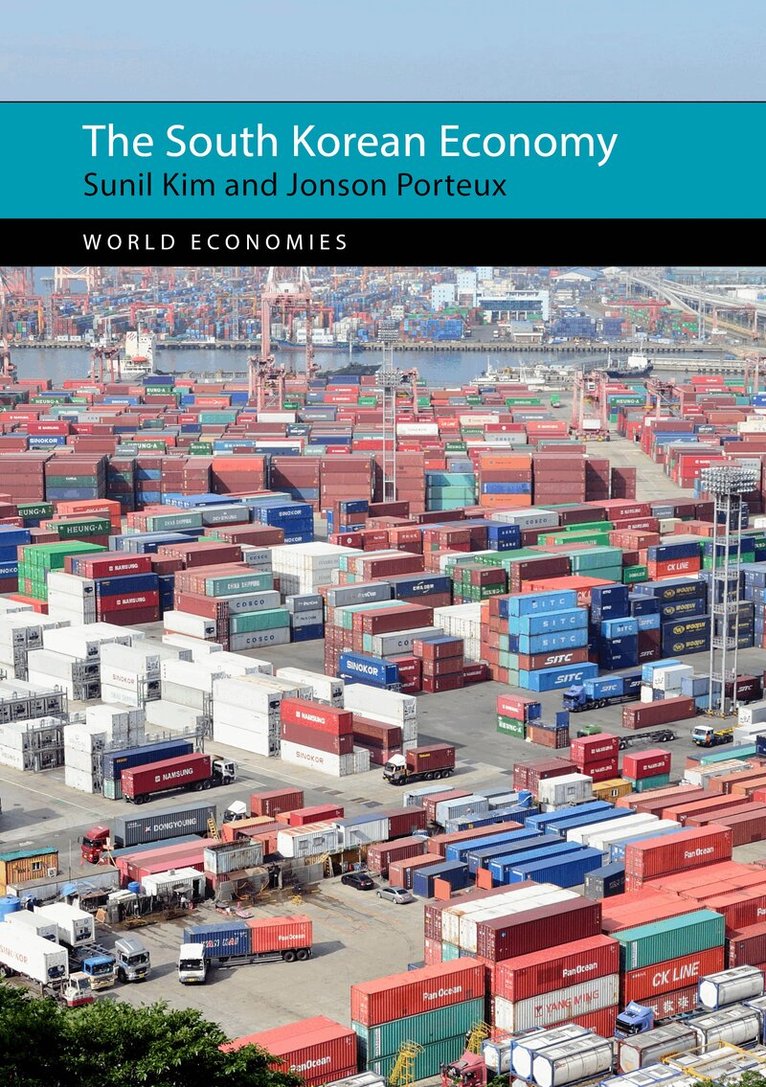
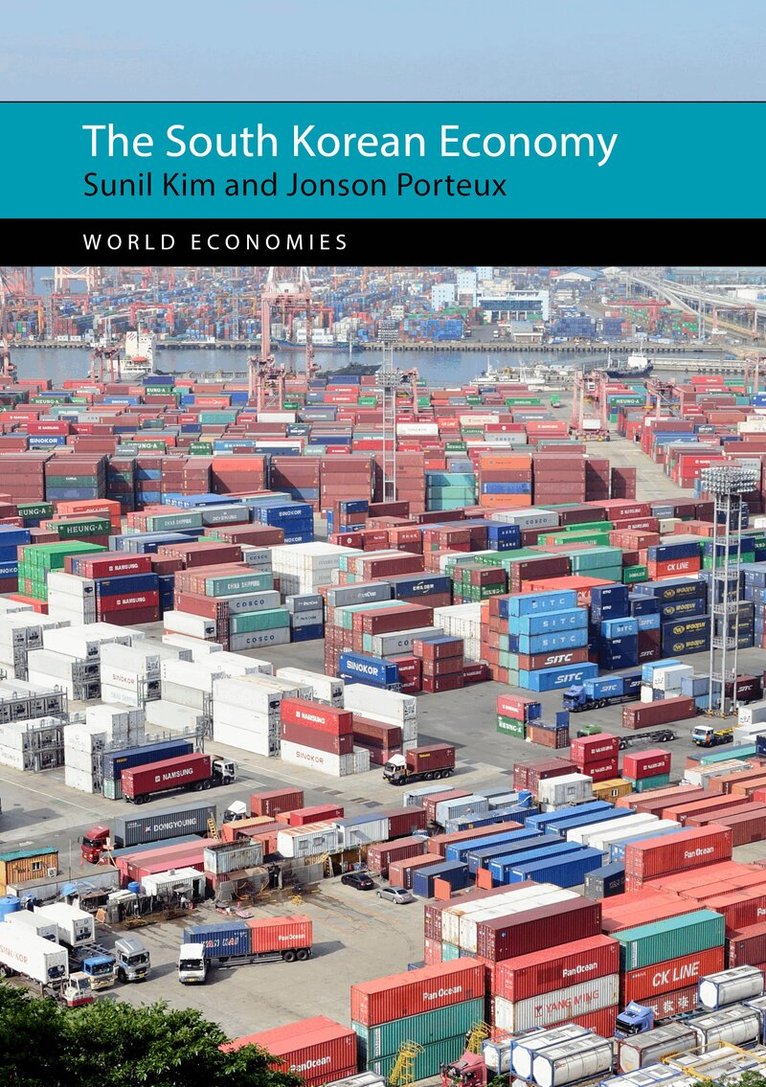
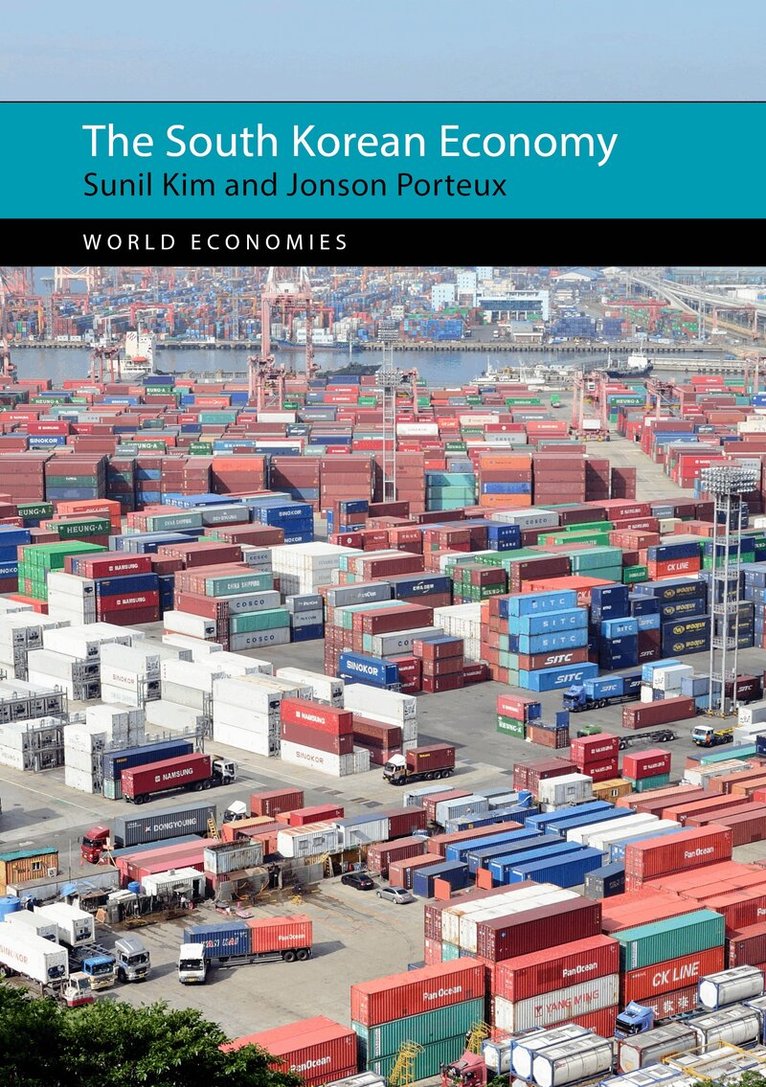
South Korea has the tenth largest economy in the world and is one of only two Asian members of the OECD. It has achieved this remarkable level of economic development since its independence from Japan in 1945. Indeed, it has achieved this transformation, exceptional for any postcolonial state, despite one of the most brutal fratricidal conflicts fought since the Second World War. Sunil Kim and Jonson Porteux chart this astonishing economic and political development and explain the puzzle that is the South Korean economy.The authors examine how South Korea has developed a highly innovative economy based on advanced technologies and infrastructure – counter-intuitively, given its postcolonial legacy of military leaders and lack of fully developed free markets. The longstanding family-owned and run industrial conglomerates – the chaebol – characteristic of the Korean economy are shown to have been behind the shift to high-tech industrialization, albeit under the strict influence of the state. The challenges of increased global interconnectedness, the precarious and fragile relationship with North Korea, the slowdown of domestic demand, recent assaults on the chaebol and their families, together with the impact of the Covid-19 pandemic, are furthermore addressed.The book offers new insights and frameworks for understanding the fascinating history and future trajectory of South Korea’s political economy as well as the causes and consequences of industrialization and democratization more generally.
381 kr
Skickas
South Korea is one of only two Asian members of the OECD. With the tenth largest economy in the world, South Korea has achieved this remarkable level of economic development since its independence from Japan in 1945. Indeed, it has achieved this transformation, exceptional for any postcolonial state, despite one of the most brutal fratricidal conflicts fought since the Second World War. Sunil Kim and Jonson Porteux chart this astonishing economic and political development and explain the puzzle that is the South Korean economy.The authors examine how South Korea has developed a highly innovative economy based on advanced technologies and infrastructure, counter-intuitively, despite a postcolonial legacy of military leaders and the lack of fully developed "free markets". The longstanding family-owned and run industrial conglomerates - the chaebol - characteristic of the Korean economy are shown to have been behind the shift to high-tech industrialization, albeit under the strict influence of the state. The challenges of increased global interconnectedness (i.e. globalization), the precarious and fragile relationship with North Korea, the slowdown of domestic demand, recent assaults on the chaebol and their families, coupled with the impact of the Covid-19 pandemic, are furthermore addressed. The book offers new insights and accessible frameworks for understanding the fascinating economic history and future trajectory of South Korea's political economy as well as the causes and consequences of industrialization and democratization more generally.
1 129 kr
Kommande
For most of the postwar period South Africa has been the largest economy in Africa, with relatively high levels of industrialization, a modern banking and financial sector and a globally significant mining industry. However, today discussion of its economy is dominated by its widespread poverty, high unemployment and extreme inequality - inequality which still exhibits strong racial lines despite the emergence of a new black elite and middle class. Indeed, amongst the countries with reliable measures, South Africa ranks as the most unequal country in the world.Sam Ashman provides a penetrating and insightful survey of South Africa’s postwar economic history, in particular its economic development since 1994, when the African National Congress came to office and universal adult suffrage was finally introduced.The book examines both the legacy of the apartheid era political economy, as well as the impact of financial and trade liberalization since the 1990s, and the privatization and corporate restructuring that have, if anything, deepened the structural economic challenges the country now faces. Key features of the economy are examined in turn, including the continuing importance of mining and the export of primary commodities; the liberalization and financialization of the economy and the deindustrialization arising from that; the dominance of oligopolies in major sectors; and the ongoing crises of poverty, unemployment and rising inequality.
306 kr
Kommande
For most of the postwar period South Africa has been the largest economy in Africa, with relatively high levels of industrialization, a modern banking and financial sector and a globally significant mining industry. However, today discussion of its economy is dominated by its widespread poverty, high unemployment and extreme inequality - inequality which still exhibits strong racial lines despite the emergence of a new black elite and middle class. Indeed, amongst the countries with reliable measures, South Africa ranks as the most unequal country in the world.Sam Ashman provides a penetrating and insightful survey of South Africa’s postwar economic history, in particular its economic development since 1994, when the African National Congress came to office and universal adult suffrage was finally introduced.The book examines both the legacy of the apartheid era political economy, as well as the impact of financial and trade liberalization since the 1990s, and the privatization and corporate restructuring that have, if anything, deepened the structural economic challenges the country now faces. Key features of the economy are examined in turn, including the continuing importance of mining and the export of primary commodities; the liberalization and financialization of the economy and the deindustrialization arising from that; the dominance of oligopolies in major sectors; and the ongoing crises of poverty, unemployment and rising inequality.
1 278 kr
Skickas
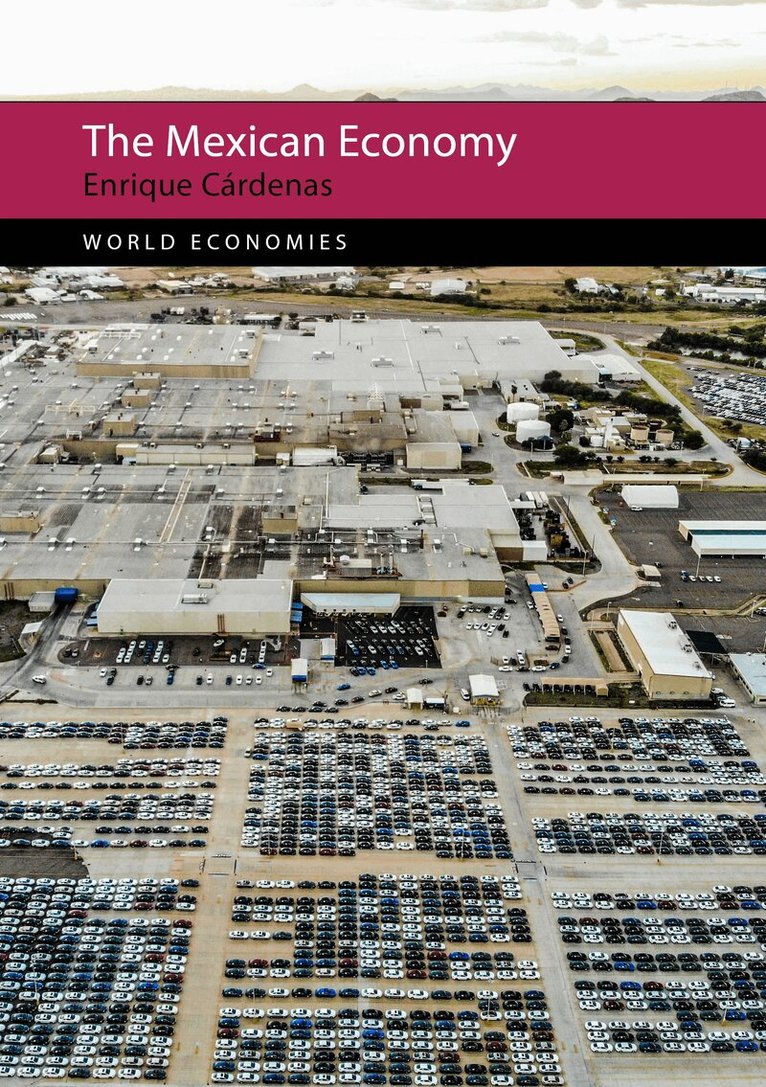
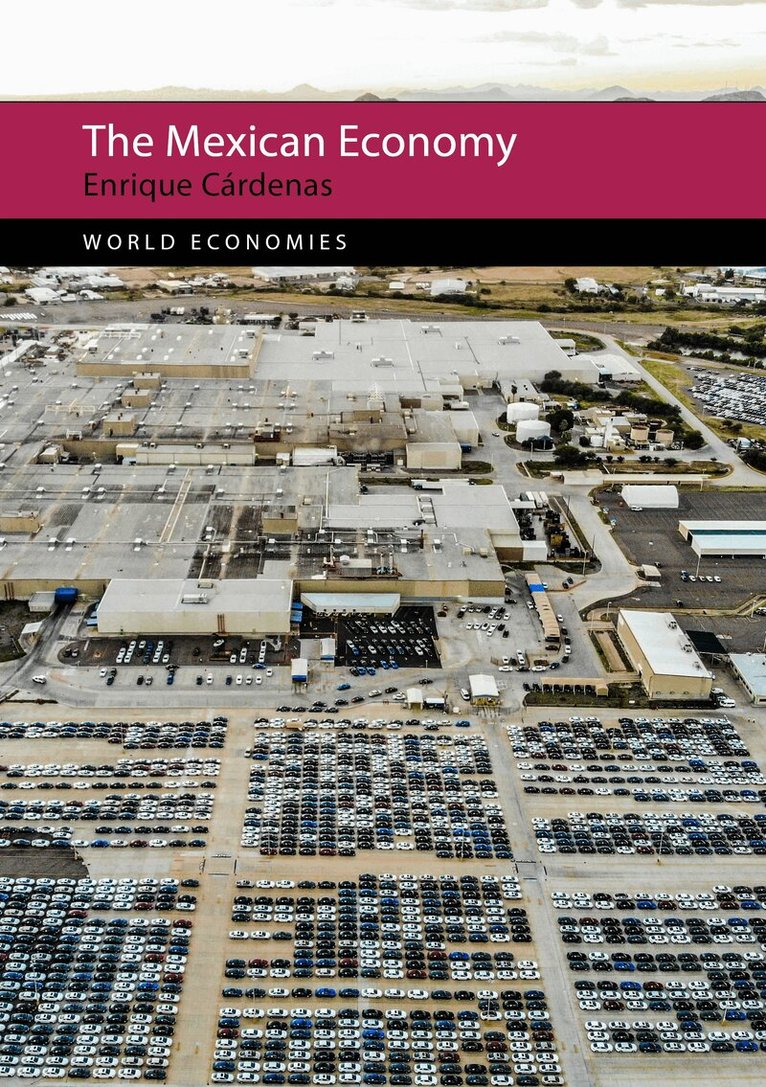
Mexico is the sixteenth largest economy in the world and Latin America’s biggest exporter and importer. Despite the country’s relative macroeconomic stability, there are two Mexicos: one more prosperous, advanced and modern, the other poor, isolated and disadvantaged, and this polarization characterizes much of the country’s recent economic development.Enrique Cárdenas provides a concise survey of Mexico’s recent economic history and examines its attempts to address the economic challenges thrown up by regional disparities, low productivity and an export-fuelled economy overwhelmingly dependent on demand from its largest neighbour. The book investigates the relative robustness of the macroeconomic fundamentals alongside specific industry-level economic trends, especially those sectors dependent on free trade agreements. Demographic trends, in particular migration to the north, urbanization, poor labour relations, organized crime and entrenched corruption are all shown to have impacted the economic path Mexico has taken.The book offers an up-to-date analysis of Mexico’s economic development, social reform programmes and political economy suitable for a range of courses in Latin American studies and development studies.
459 kr
Skickas inom 5-8 vardagar
Mexico is the sixteenth largest economy in the world and Latin America’s biggest exporter and importer. Despite the country’s relative macroeconomic stability, there are two Mexicos: one more prosperous, advanced and modern, the other poor, isolated and disadvantaged, and this polarization characterizes much of the country’s recent economic development.Enrique Cárdenas provides a concise survey of Mexico’s recent economic history and examines its attempts to address the economic challenges thrown up by regional disparities, low productivity and an export-fuelled economy overwhelmingly dependent on demand from its largest neighbour. The book investigates the relative robustness of the macroeconomic fundamentals alongside specific industry-level economic trends, especially those sectors dependent on free trade agreements. Demographic trends, in particular migration to the north, urbanization, poor labour relations, organized crime and entrenched corruption are all shown to have impacted the economic path Mexico has taken.The book offers an up-to-date analysis of Mexico’s economic development, social reform programmes and political economy suitable for a range of courses in Latin American studies and development studies.
1 524 kr
Skickas inom 5-8 vardagar
Vera Zamagni’s survey of the Italian economy and its modern history outlines its unique shape and structure. It examines the human factors that go to explain its strengths in social networks, “niche capitalism” and well-being indicators as well as its weaknesses shown in regional imbalances, political instability and, recently, financial services. The author explains how the contemporary economy is the result of the contours of a much longer history, of the country’s geography – low on natural resources but blessed with good weather and shipping opportunities – and more recent factors such as the changing profile of Italian demography and the country’s measured response to the challenges of migration. Drawing upon both conventional and heterodox approaches the book concludes with an assessment of the prospects for the Italian economy.The book provides a concise overview suitable for students in politics, political economy, history and economics and for professionals looking to understand the nature of recent Italian economic performance.
459 kr
Skickas inom 5-8 vardagar
Vera Zamagni’s survey of the Italian economy and its modern history outlines its unique shape and structure. It examines the human factors that go to explain its strengths in social networks, “niche capitalism” and well-being indicators as well as its weaknesses shown in regional imbalances, political instability and, recently, financial services. The author explains how the contemporary economy is the result of the contours of a much longer history, of the country’s geography – low on natural resources but blessed with good weather and shipping opportunities – and more recent factors such as the changing profile of Italian demography and the country’s measured response to the challenges of migration. Drawing upon both conventional and heterodox approaches the book concludes with an assessment of the prospects for the Italian economy.The book provides a concise overview suitable for students in politics, political economy, history and economics and for professionals looking to understand the nature of recent Italian economic performance.