Matthew McCartney – författare
Visar alla böcker från författaren Matthew McCartney. Handla med fri frakt och snabb leverans.
32 produkter
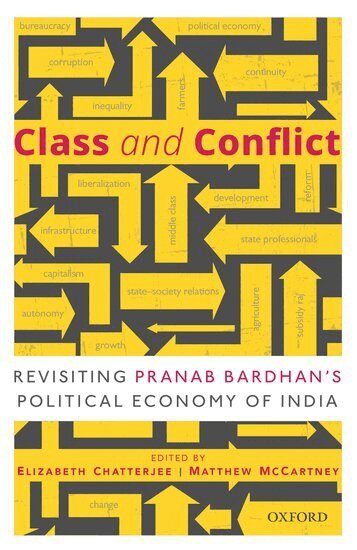
Class and Conflict
Revisiting Pranab Bardhan's Political Economy of India
Av Elizabeth Chatterjee, Matthew McCartney
Inbunden, 2020
712 kr
Lägg i varukorg
In 1984, Pranab Bardhan published his classic work The Political Economy of Development in India (PEDI). It went on to become one of the most influential references on the political economy of development in the pre-reform period of independent India. Class and Conflict reflects on the enduring …
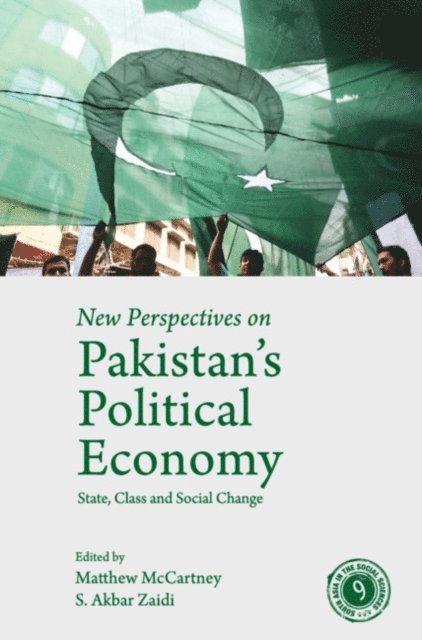
New Perspectives on Pakistan's Political Economy
State, Class and Social Change
Av Matthew McCartney, S. Akbar Zaidi
Inbunden, 2019
1351 kr
Lägg i varukorg
This volume makes a major intervention in the debates around the nature of the political economy of Pakistan, focusing on its contemporary social dynamics. This is the first comprehensive academic analysis of Pakistan's political economy after thirty-five years, and addresses issues of state, class …
New Perspectives on Pakistan's Political Economy
State, Class and Social Change
Av S. Akbar Zaidi, Matthew McCartney
E-bok, 2019
1308 kr
Lägg i varukorg
This volume makes a major intervention in the debates around the nature of the political economy of Pakistan, focusing on its contemporary social dynamics. This is the first comprehensive academic analysis of Pakistan''s political economy after thirty-five years, and addresses issues of state, …
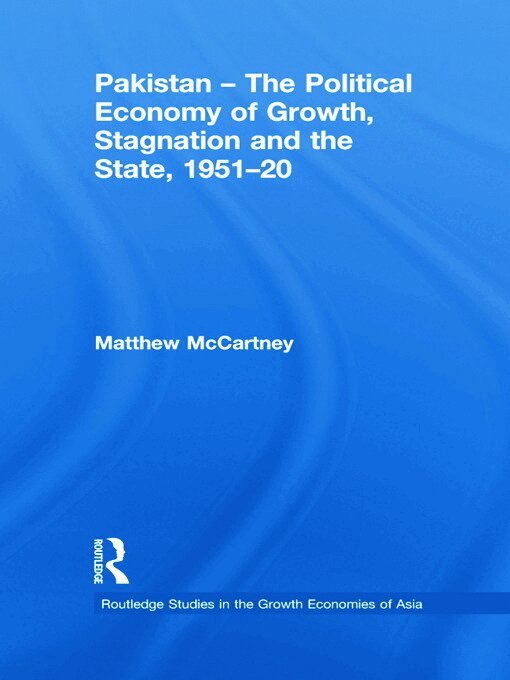
Pakistan - The Political Economy of Growth, Stagnation and the State, 1951-2009
Häftad, 2013
313 kr
Lägg i varukorg
This book provides a comprehensive reassessment of the development of the economy of Pakistan since independence to the present. It employs a rigorous statistical methodology, which has applicability to other developing economies, to define and measure episodes of growth and stagnation, and to …
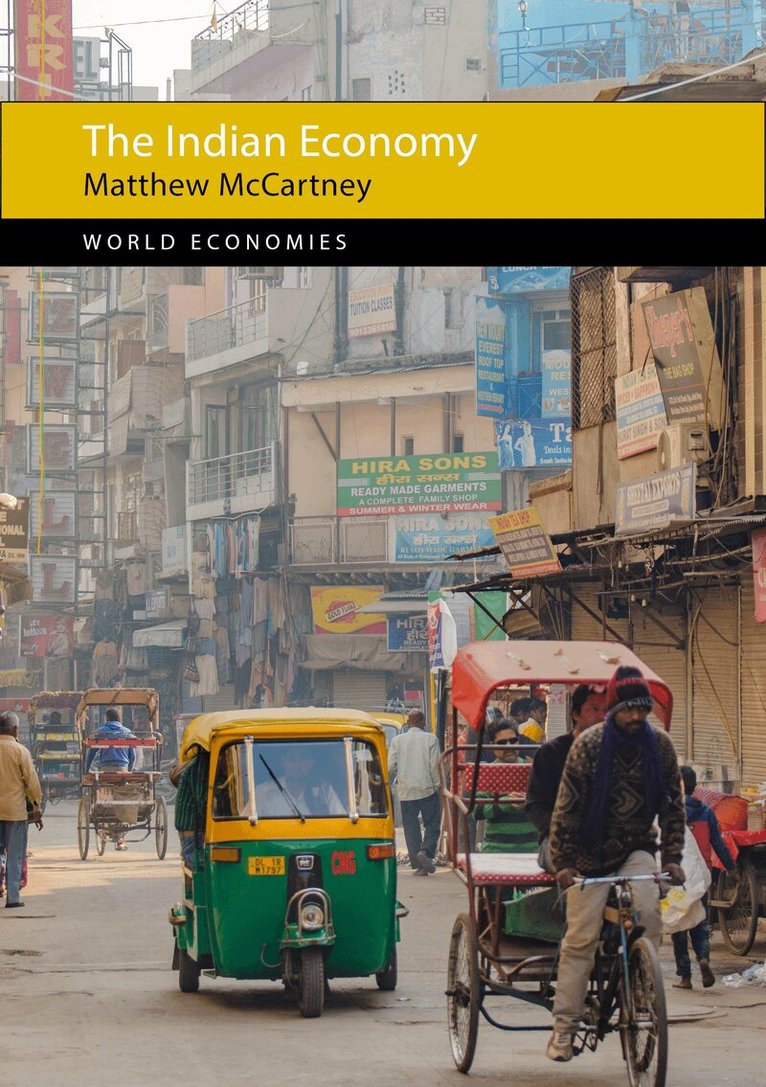
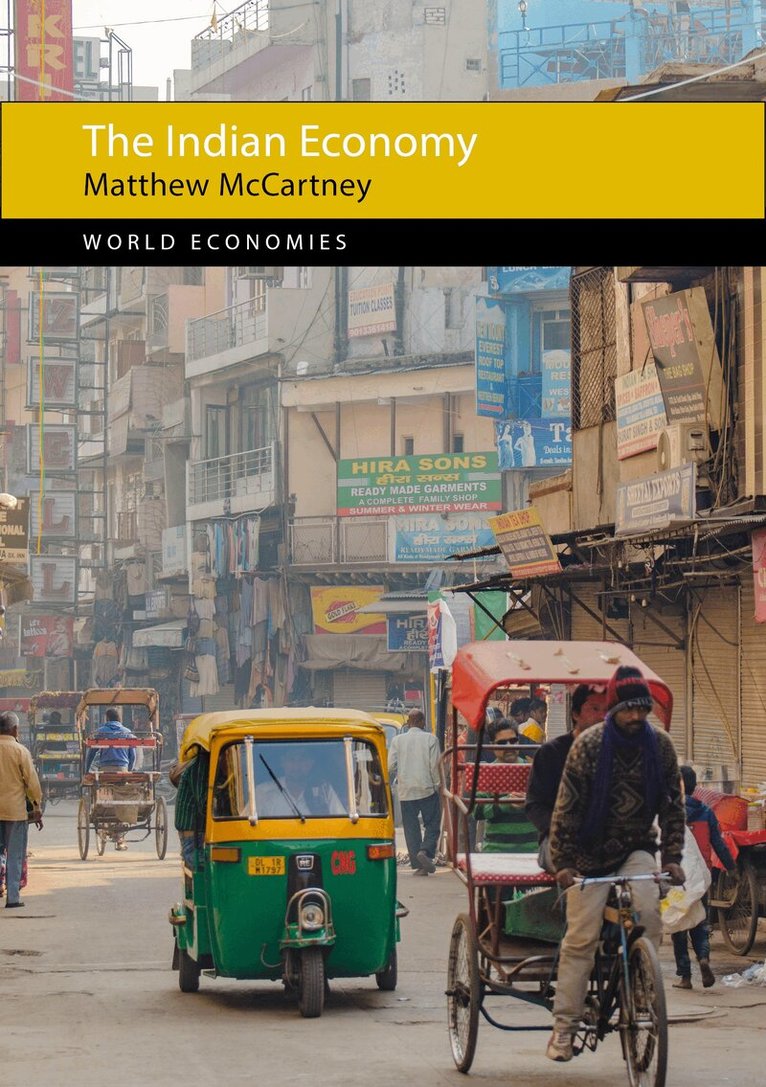
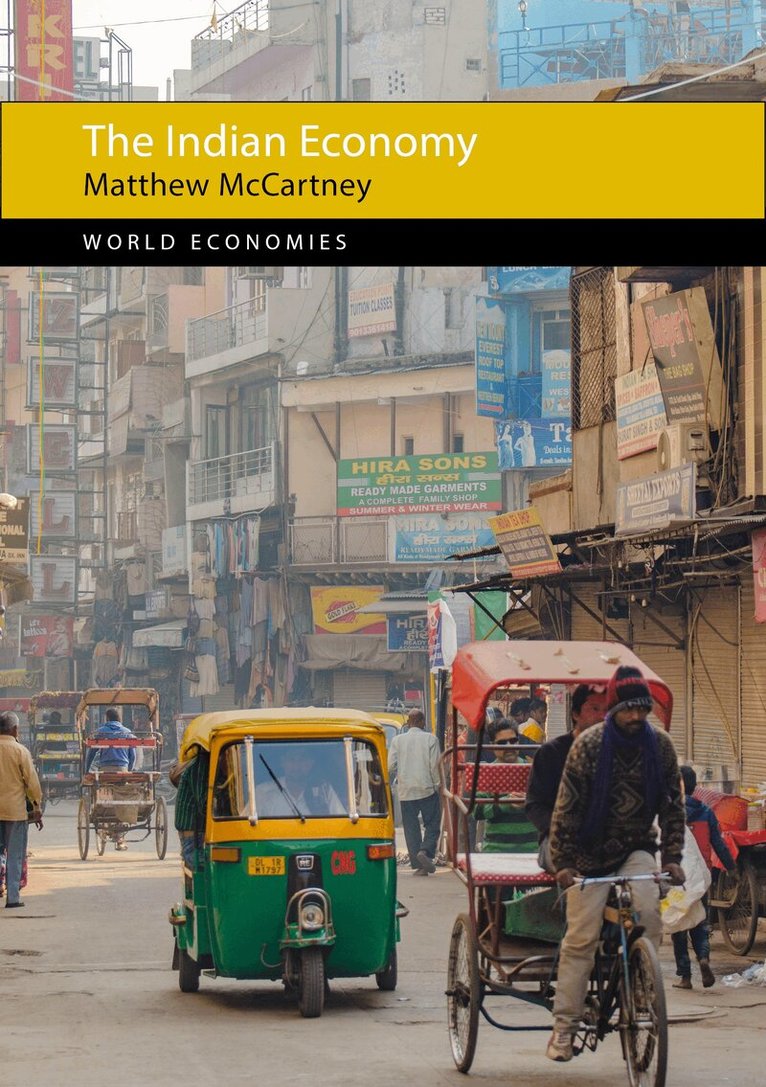
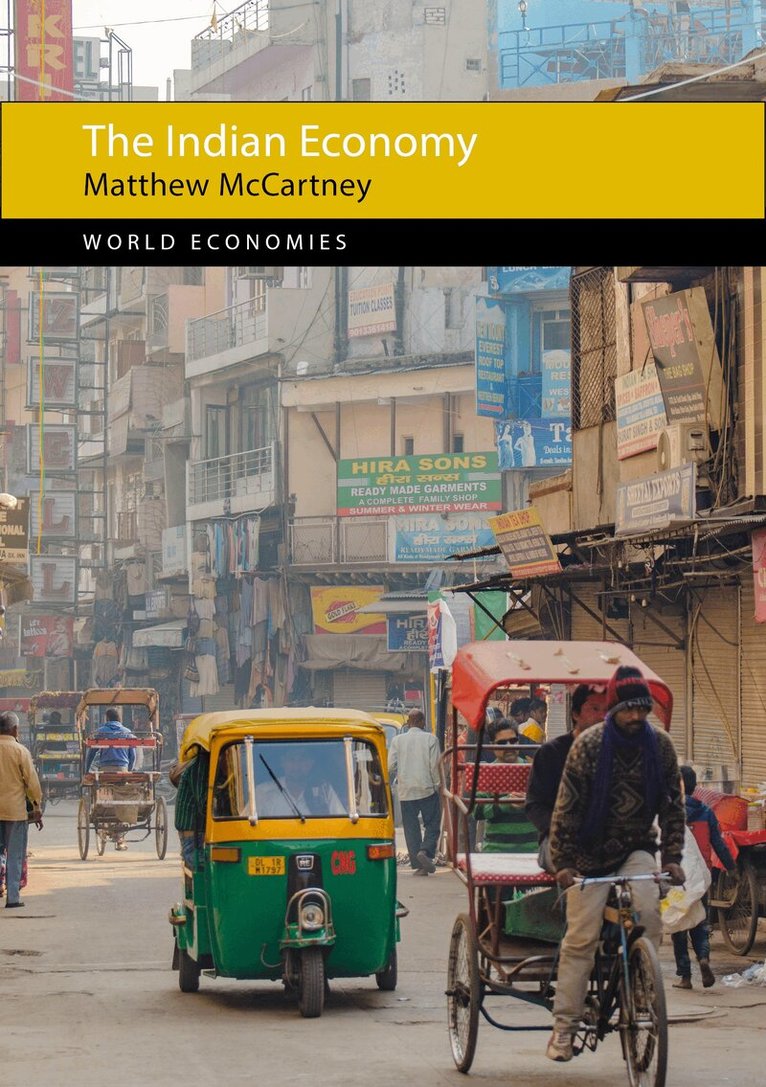
Indian Economy
Häftad, 2019
341 kr
Lägg i varukorg
The Indian economy has undergone dramatic changes over recent decades encompassing episodes of rapid growth and stagnation. It is a complex economic story that stretches back to the seismic events of 1947. This book charts the development of the Indian economy since independence and partition, and …
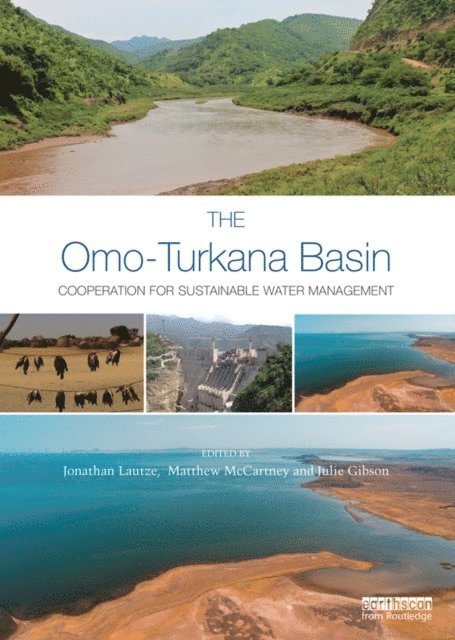
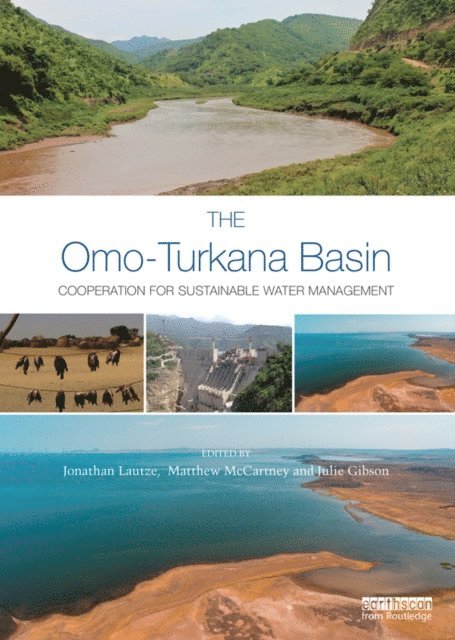
Omo-Turkana Basin
Cooperation for Sustainable Water Management
Av Jonathan Lautze, Matthew McCartney m. fl.
Inbunden, 2021
2512 kr
Lägg i varukorg
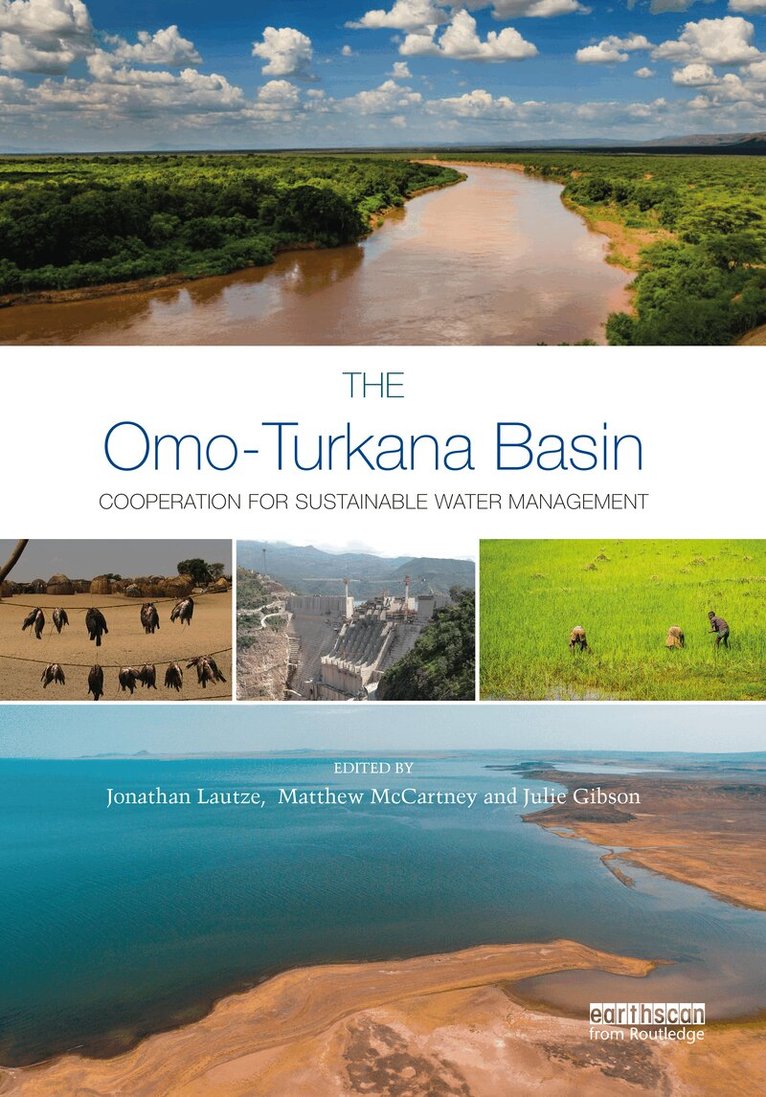
This book provides a comprehensive examination of water resource management in the Omo-Turkana Basin, linking together biophysical, socioeconomic, policy, institutional and governance issues in a solutions-oriented manner.The Omo-Turkana Basin is one of the most important lake basins in Africa, and …
Omo-Turkana Basin
Cooperation for Sustainable Water Management
Av Jonathan Lautze, Matthew McCartney m. fl.
Häftad, 2023
691 kr
Lägg i varukorg
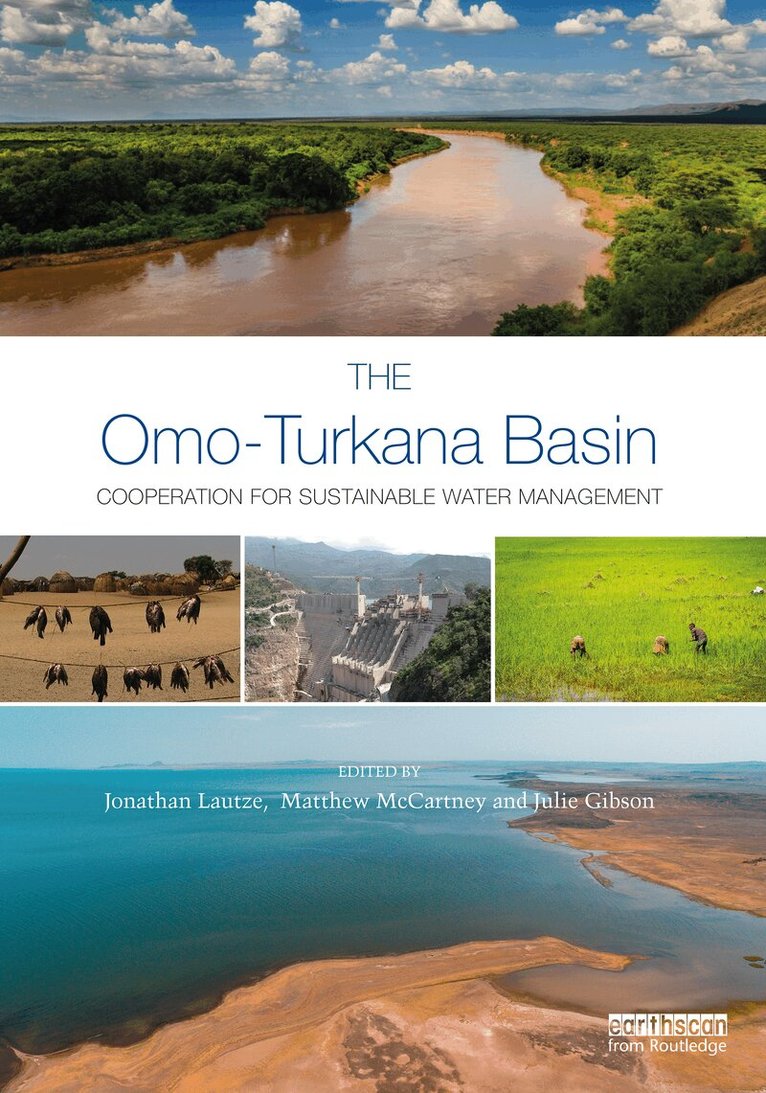
This book provides a comprehensive examination of water resource management in the Omo-Turkana Basin, linking together biophysical, socioeconomic, policy, institutional and governance issues in a solutions-oriented manner.The Omo-Turkana Basin is one of the most important lake basins in Africa, and …
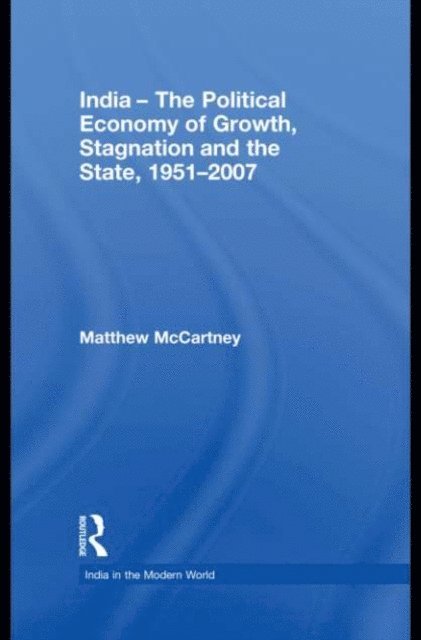
India - The Political Economy of Growth, Stagnation and the State, 1951-2007
Inbunden, 2009
764 kr
Lägg i varukorg
Understanding the drivers and inhibitors of economic growth is critical for promoting development in less developed countries, including India. This book examines economic growth in India from 1951 to the present, challenging many accepted orthodox views. It argues that growth and stagnation should …
Political Economy, Growth and Liberalisation in India, 1991-2008
Inbunden, 2009
2586 kr
Lägg i varukorg
The phenomenal growth and liberalisation of the Indian economy has been the subject of extensive scholarly documentation and competing interpretations. This book examines the key period of liberalisation in India from 1991 to 2008. It analyses the relationship between growth and liberalisation and, …
Pakistan - The Political Economy of Growth, Stagnation and the State, 1951-2009
Inbunden, 2011
2512 kr
Lägg i varukorg
This book provides a comprehensive reassessment of the development of the economy of Pakistan since independence to the present. It employs a rigorous statistical methodology, which has applicability to other developing economies, to define and measure episodes of growth and stagnation, and to …
India - The Political Economy of Growth, Stagnation and the State, 1951-2007
Häftad, 2011
371 kr
Lägg i varukorg
Understanding the drivers and inhibitors of economic growth is critical for promoting development in less developed countries, including India. This book examines economic growth in India from 1951 to the present, challenging many accepted orthodox views. It argues that growth and stagnation should …
Omo-Turkana Basin
Cooperation for Sustainable Water Management
Av Julie Gibson, Matthew McCartney m. fl.
E-bok, 2021
814 kr
Lägg i varukorg
This book provides a comprehensive examination of water resource management in the Omo-Turkana Basin, linking together biophysical, socioeconomic, policy, institutional and governance issues in a solutions-oriented manner. The Omo-Turkana Basin is one of the most important lake basins in Africa, …
Omo-Turkana Basin
Cooperation for Sustainable Water Management
Av Julie Gibson, Matthew McCartney m. fl.
E-bok, 2021
814 kr
Lägg i varukorg
This book provides a comprehensive examination of water resource management in the Omo-Turkana Basin, linking together biophysical, socioeconomic, policy, institutional and governance issues in a solutions-oriented manner. The Omo-Turkana Basin is one of the most important lake basins in Africa, …
Dragon from the Mountains
The CPEC from Kashgar to Gwadar
E-bok, 2022
1377 kr
Lägg i varukorg
China has promised to invest more than $60billion in Pakistan, in roads, rail, energy and a deep-water port at Gwadar. This is unprecedented relative to decades of minimal foreign direct investment (FDI) entering Pakistan. This is the China-Pakistan Economic Corridor (CPEC). Support for CPEC in …
The Dragon from the Mountains
The CPEC from Kashgar to Gwadar
Inbunden, 2022
1297 kr
Lägg i varukorg
China has promised to invest more than $60billion in Pakistan, in roads, rail, energy and a deep-water port at Gwadar. This is unprecedented relative to decades of minimal foreign direct investment (FDI) entering Pakistan. This is the China-Pakistan Economic Corridor (CPEC). Support for CPEC in …
India - The Political Economy of Growth, Stagnation and the State, 1951-2007
E-bok, 2009
424 kr
Lägg i varukorg
Understanding the drivers and inhibitors of economic growth is critical for promoting development in less developed countries, including India. This book examines economic growth in India from 1951 to the present, challenging many accepted orthodox views. It argues that growth and stagnation should …
India - The Political Economy of Growth, Stagnation and the State, 1951-2007
E-bok, 2009
433 kr
Lägg i varukorg
Understanding the drivers and inhibitors of economic growth is critical for promoting development in less developed countries, including India. This book examines economic growth in India from 1951 to the present, challenging many accepted orthodox views. It argues that growth and stagnation should …
Political Economy, Growth and Liberalisation in India, 1991-2008
E-bok, 2009
890 kr
Lägg i varukorg
The phenomenal growth and liberalisation of the Indian economy has been the subject of extensive scholarly documentation and competing interpretations. This book examines the key period of liberalisation in India from 1991 to 2008. It analyses the relationship between growth and liberalisation and, …
Political Economy, Growth and Liberalisation in India, 1991-2008
E-bok, 2009
910 kr
Lägg i varukorg
The phenomenal growth and liberalisation of the Indian economy has been the subject of extensive scholarly documentation and competing interpretations. This book examines the key period of liberalisation in India from 1991 to 2008. It analyses the relationship between growth and liberalisation and, …
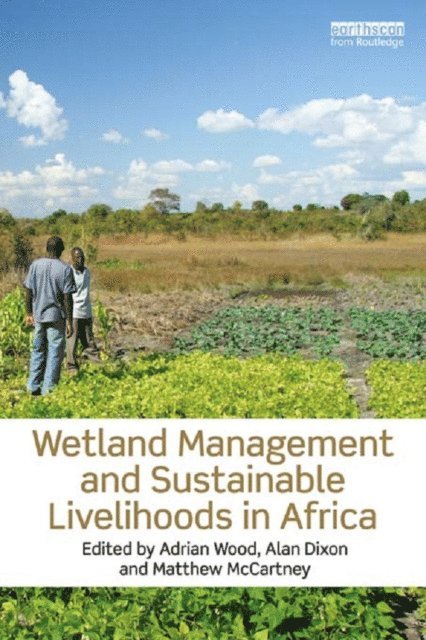
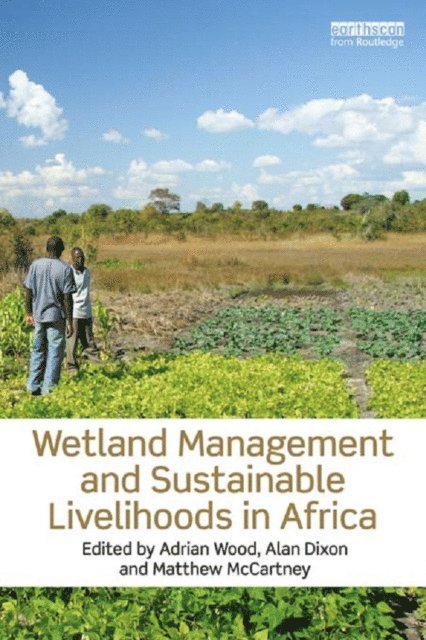
Wetland Management and Sustainable Livelihoods in Africa
Av Matthew McCartney, Alan Dixon m. fl.
E-bok, 2013
864 kr
Lägg i varukorg
In this book the authors argue for a paradigm shift in the way African wetlands are considered. Current policies and wetland management are too frequently underpinned by a perspective that views agriculture simply as a threat and disregards its important contribution to livelihoods. In rural areas …
Wetland Management and Sustainable Livelihoods in Africa
Av Matthew McCartney, Alan Dixon m. fl.
E-bok, 2013
883 kr
Lägg i varukorg
In this book the authors argue for a paradigm shift in the way African wetlands are considered. Current policies and wetland management are too frequently underpinned by a perspective that views agriculture simply as a threat and disregards its important contribution to livelihoods. In rural areas …
Pakistan - The Political Economy of Growth, Stagnation and the State, 1951-2009
E-bok, 2011
356 kr
Lägg i varukorg
This book provides a comprehensive reassessment of the development of the economy of Pakistan since independence to the present. It employs a rigorous statistical methodology, which has applicability to other developing economies, to define and measure episodes of growth and stagnation, and to …
Pakistan - The Political Economy of Growth, Stagnation and the State, 1951-2009
E-bok, 2011
364 kr
Lägg i varukorg
This book provides a comprehensive reassessment of the development of the economy of Pakistan since independence to the present. It employs a rigorous statistical methodology, which has applicability to other developing economies, to define and measure episodes of growth and stagnation, and to …
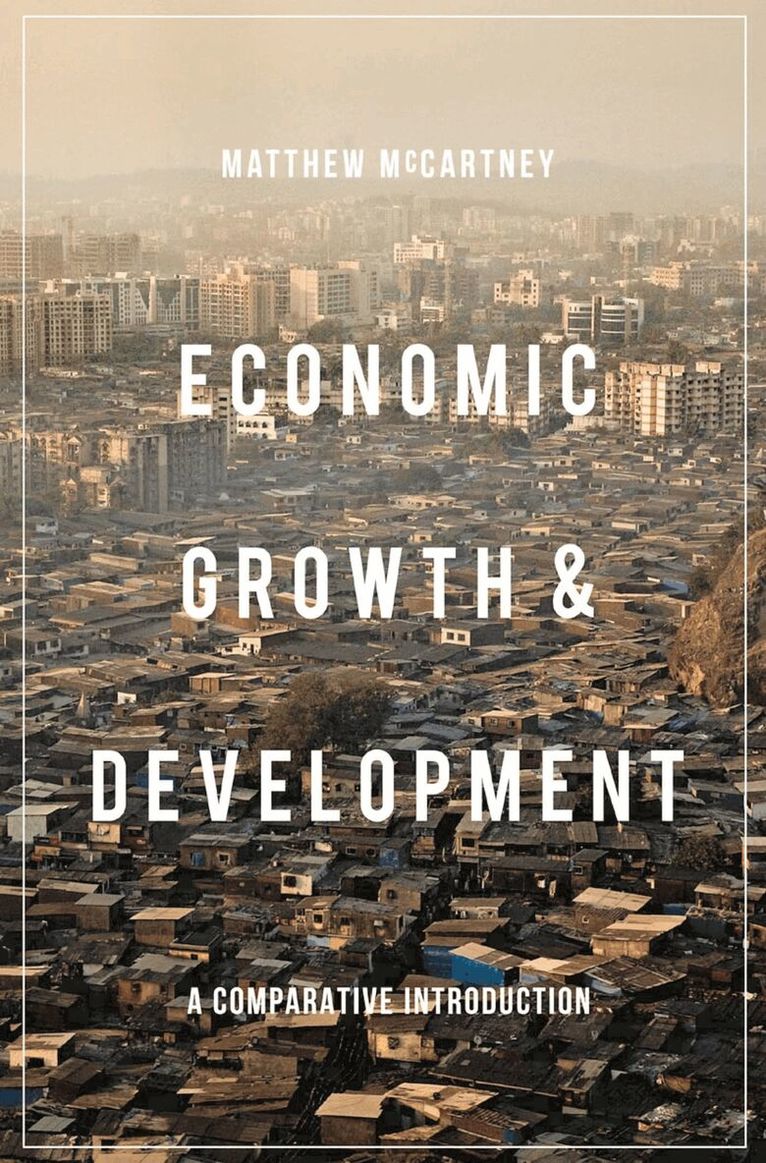
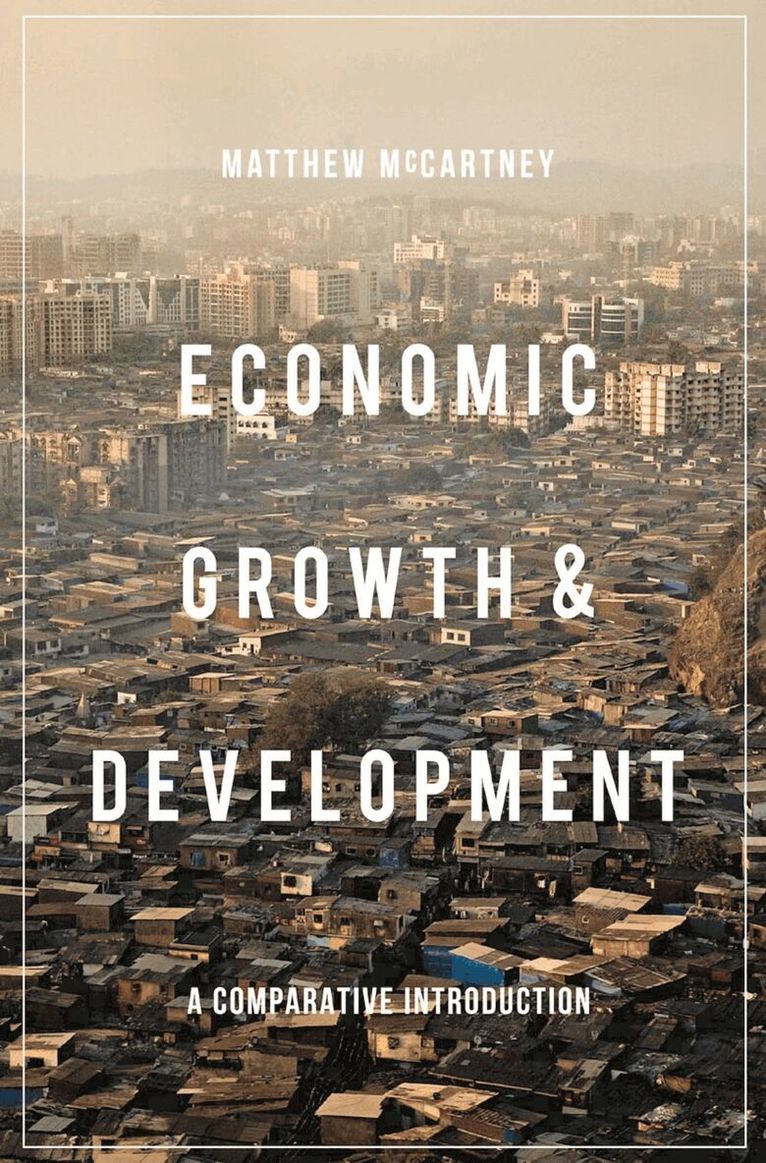
Economic Growth and Development
A Comparative Introduction
Häftad, 2015
614 kr
Lägg i varukorg
Widening economic inequalities across the globe today can be understood as the historical consequences of different drivers of growth. This important new text examines the proximate factors of labour, capital and productivity across a range of countries, as well as deeper explanations, from …
Economic Growth and Development
A Comparative Introduction
Inbunden, 2015
2126 kr
Lägg i varukorg
Widening economic inequalities across the globe today can be understood as the historical consequences of different drivers of growth. This important new text examines the proximate factors of labour, capital and productivity across a range of countries, as well as deeper explanations, from …
Economic Growth and Development
A Comparative Introduction
E-bok, 2015
661 kr
Lägg i varukorg
Widening economic inequalities across the globe today can be understood as the historical consequences of different drivers of growth. This important new text examines the proximate factors of labour, capital and productivity across a range of countries, as well as deeper explanations, from …
Political Economy, Growth and Liberalisation in India, 1991-2008
Häftad, 2016
772 kr
Lägg i varukorg
The phenomenal growth and liberalisation of the Indian economy has been the subject of extensive scholarly documentation and competing interpretations. This book examines the key period of liberalisation in India from 1991 to 2008. It analyses the relationship between growth and liberalisation and, …
Indian Economy
Inbunden, 2019
1303 kr
Lägg i varukorg
The Indian economy has undergone dramatic changes over recent decades encompassing episodes of rapid growth and stagnation. It is a complex economic story that stretches back to the seismic events of 1947. This book charts the development of the Indian economy since independence and partition, and …
Indian Economy
E-bok, 2019
385 kr
Lägg i varukorg
The Indian economy has undergone dramatic changes over recent decades encompassing episodes of rapid growth and stagnation. It is a complex economic story that stretches back to the seismic events of 1947. This book charts the development of the Indian economy since independence and partition, and …
Indian Economy
E-bok, 2019
394 kr
Lägg i varukorg
The Indian economy has undergone dramatic changes over recent decades encompassing episodes of rapid growth and stagnation. It is a complex economic story that stretches back to the seismic events of 1947. This book charts the development of the Indian economy since independence and partition, and …