Häftad, Engelska, 2026
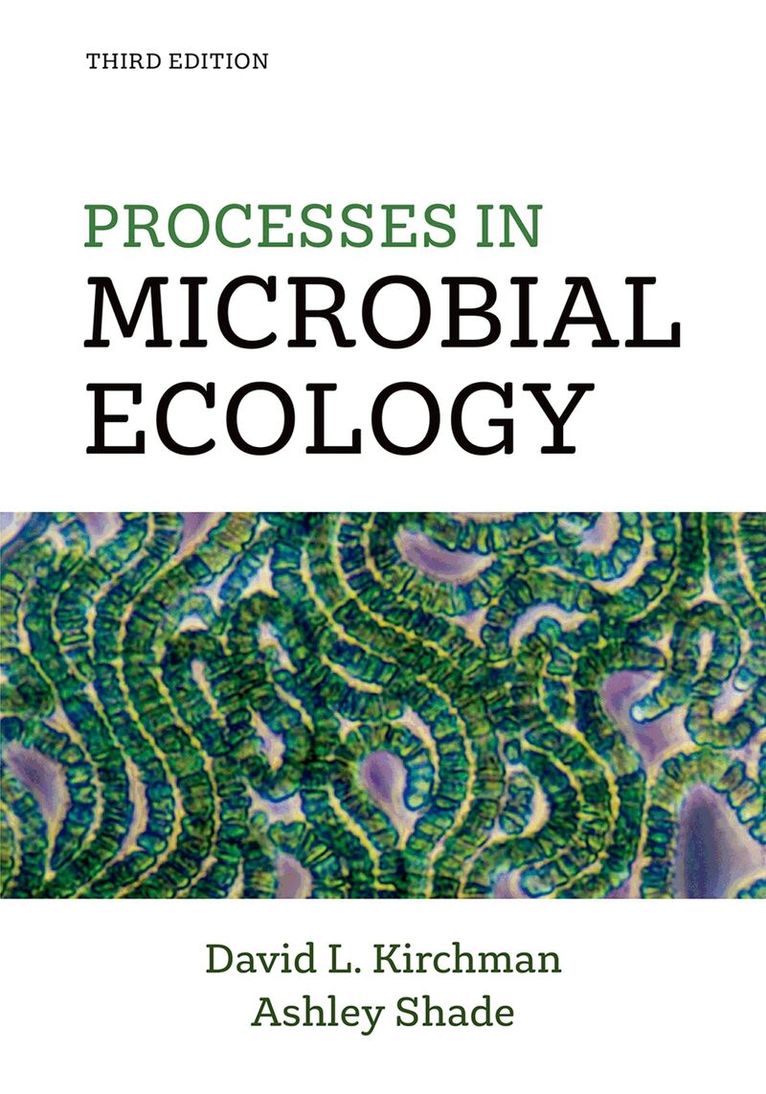
Processes in Microbial Ecology
Av David L. Kirchman, Ashley Shade
585 kr
Beställningsvara. Skickas inom 5-8 vardagar. Fri frakt över 249 kr.
Beskrivning
Processes in Microbial Ecology offers a compelling look into the roles of microbes and viruses in biogeochemical and ecological processes occurring in soils, fresh water, and the ocean. Microbes such as bacteria, archaea, and fungi are the most numerous organisms on the planet and mediate nearly all steps in all elemental cycles, most importantly, the carbon cycle. The book begins by introducing the microbes, where they live, and how environmental conditions shape their complex communities. It then discusses how advances in technologies like genomics and other approaches have transformed our understanding of microbial life by uncovering the incredible diversity of microbes and viruses in natural environments. The book explores the specialized metabolic strategies that microbes have evolved to thrive in every imaginable habitat, from the deep subsurface to acidic hot springs. A chapter devoted to the carbon cycle focuses on sunlight-driven primary production by cyanobacteria and eukaryotic algae. As much as half of primary production is consumed by the microbial loop and the microbial chain, pathways for carbon that were not part of the classic food chain. The carbon from primary production is returned to carbon dioxide during organic matter degradation by bacteria and fungi in both oxygen-rich and oxygen-deficient environments. A later chapter spotlights how essential microbes are to the ecology and evolution of larger, more complex organisms, including humans. These symbioses illustrate how hosts and their microbes function as an integrated unit.Microbial ecology is vital for studying the production and consumption of greenhouse gases in the atmosphere and for addressing climate change, the largest environmental problem facing society today. In addition to the chapters focused on carbon dioxide removal and production by microbes during primary production and organic matter degradation, a chapter introducing geomicrobiology explores the contribution of microbes to the formation of carbonate rocks, which are the largest store of carbon on Earth, and to weathering reactions, which consume carbon dioxide over thousands of years. Other chapters review production and consumption of two more greenhouse gases, methane and nitrous oxide, by archaea, bacteria, and fungi. This textbook demonstrates how understanding the smallest organisms is critical for understanding our planet.
Produktinformation
- Utgivningsdatum: 2026-10-08
- Mått: 179 x 253 x 15 mm
- Vikt: 780 g
- Format: Häftad
- Språk: Engelska
- Antal sidor: 360
- Upplaga: 3
- Förlag: OUP USA
- ISBN: 9780197831618
Utforska kategorier
Betyg & recensioner
0 recensioner
Inga recensioner tillgängliga.