Inbunden, Engelska, 2027
Hosea
838 kr
Kommande
Beskrivning
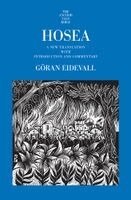
A new translation and commentary on the book of Hosea that invites readers into its rich literary universeThe book of Hosea has traditionally been interpreted through the lens of its first three chapters, which employ the metaphor of marriage to describe the relationship between God and Israel. But the book’s symbolic landscape is replete with metaphors: lions and lambs, doves and vultures, spouses and children, ovens and cakes, dew and rain, vines and olive trees, and many more. Hosea features visions of reconciliation and restoration, but also unsettling depictions of cruelty and devastation, including recurring images of God as a fierce enemy of his own people.In this new translation and commentary, Göran Eidevall invites readers to approach Hosea as a fascinating collection of diverse prophetic poetry. Paying particular attention to themes and metaphors in chapters 4–14, which have traditionally been underemphasized, Eidevall argues that unlike other prophetic books, Hosea is focused on the destiny of Ephraim, rather than Zion. With an extensive introduction that explores Hosea’s composition, major themes, reception history, and more, including new insights offered by trauma theory, this commentary is an indispensable guide to this key prophetic text.
Produktinformation
- Utgivningsdatum: 2027-04-27
- Mått: 156 x 235 x undefined mm
- Format: Inbunden
- Språk: Engelska
- Serie: Anchor Yale Bible Commentaries
- Antal sidor: 368
- Förlag: Yale University Press
- ISBN: 9780300231014
Utforska kategorier
Betyg & recensioner
0 recensioner
Inga recensioner tillgängliga.