Inbunden, Engelska, 2002
Constructing Monsters in Shakespeare's Drama and Early Modern Culture
Av Mark Thornton Burnett, Cedric C. Brown
1260 kr
Beställningsvara. Skickas inom 10-15 vardagar. Fri frakt över 249 kr.
Beskrivning
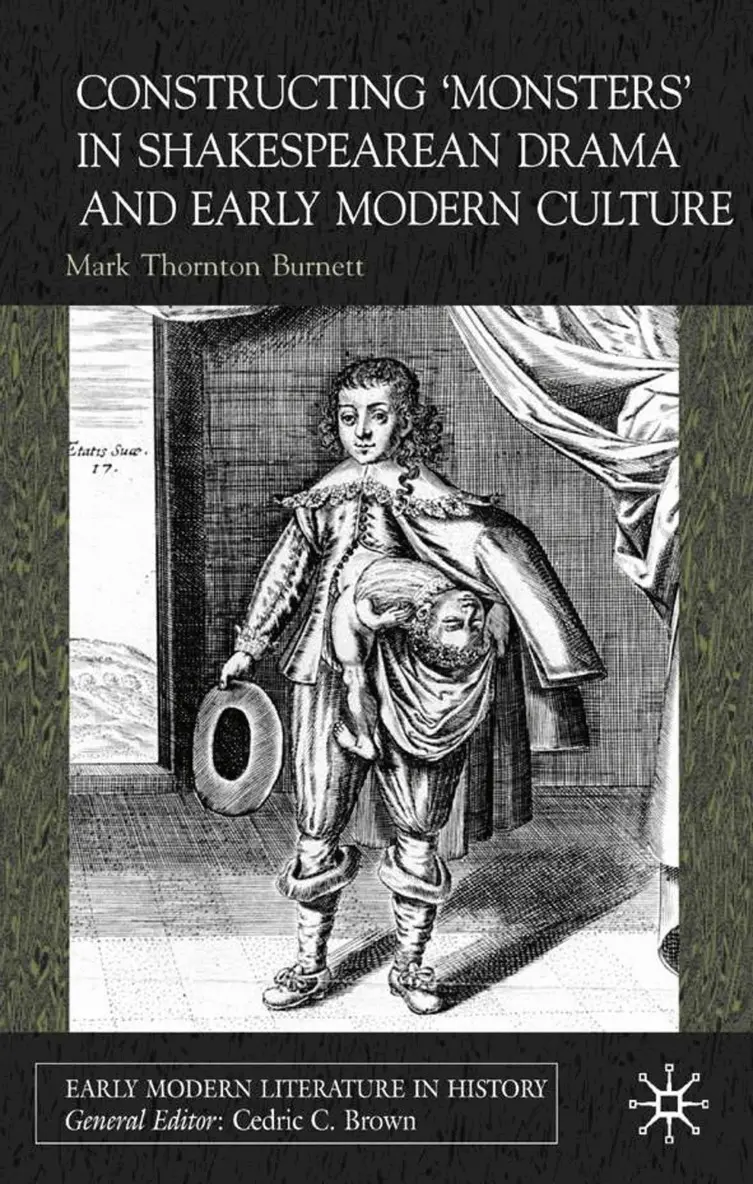
Constructing 'Monsters' in Shakespearean Drama and Early Modern Culture argues for the crucial place of the 'monster' in the early modern imagination. Burnett traces the metaphorical significance of 'monstrous' forms across a range of early modern exhibition spaces - fairground displays, 'cabinets of curiosity' and court entertainments - to contend that the 'monster' finds its most intriguing manifestation in the investments and practices of contemporary theatre. The study's new readings of Shakespeare, Marlowe and Jonson make a powerful case for the drama's contribution to debates about the 'extraordinary body'.
Produktinformation
- Utgivningsdatum: 2002-10-28
- Mått: 140 x 216 x 19 mm
- Vikt: 458 g
- Format: Inbunden
- Språk: Engelska
- Serie: Early Modern Literature in History
- Antal sidor: 262
- Upplaga: 2002
- Förlag: Palgrave Macmillan
- ISBN: 9780333914342
Utforska kategorier
Betyg & recensioner
0 recensioner
Inga recensioner tillgängliga.