Inbunden, Engelska, 2024
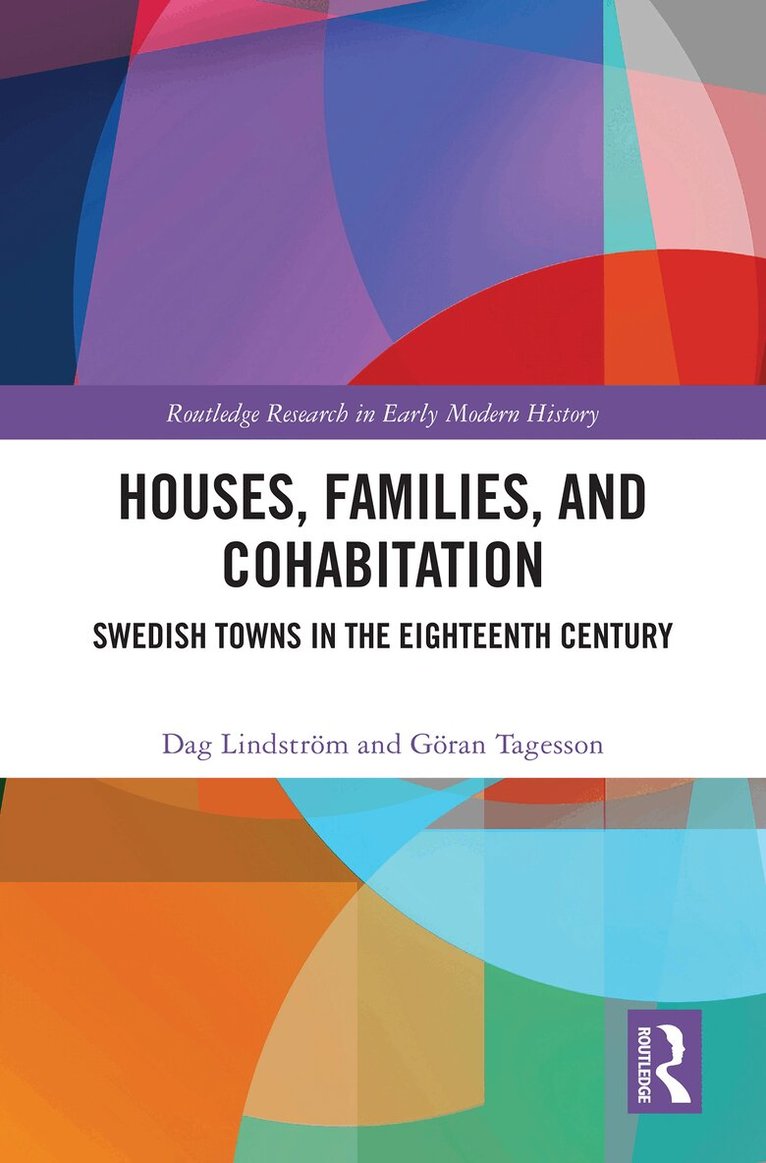
Houses, Families, and Cohabitation
Av Dag Lindström, Göran Tagesson
2200 kr
Beställningsvara. Skickas inom 10-15 vardagar. Fri frakt över 249 kr.
Beskrivning
This book is an interdisciplinary study that draws on a combination of archaeological evidence, building archaeological analysis, archival sources to explore the dynamic relations between dwelling houses, social organization of households, and patterns of cohabitation during the eighteenth century.The empirical focus of this book is on Swedish towns, but it also addresses more general issues about urbanity and urban life, space and social organization, and materiality and individual agency. Aggregated questions about urban life and urban space are combined with a micro historical method revealing aspects of daily life and urban change. This study unveils a previously neglected history. Swedish eighteenth century towns have commonly been identified as a territory characterized by its sleepy absence of change. This study proves the opposite. Houses were built larger, with more diverse and complex inner structures. Family structures changed; households generally became smaller, the share of households headed by a married couple declined, and the number of single households increased. Population density increased, the number of families residing in the same house increased, and rental accommodation became more prevalent.This volume is essential reading for anyone interested in early modern housing, urban change, and interdisciplinary methods.
Produktinformation
- Utgivningsdatum: 2024-11-05
- Mått: 152 x 229 x 25 mm
- Vikt: 700 g
- Format: Inbunden
- Språk: Engelska
- Serie: Routledge Research in Early Modern History
- Antal sidor: 362
- Förlag: Taylor & Francis Ltd
- ISBN: 9780367436834
Utforska kategorier
Betyg & recensioner
0 recensioner
Inga recensioner tillgängliga.