Inbunden, Engelska, 2026
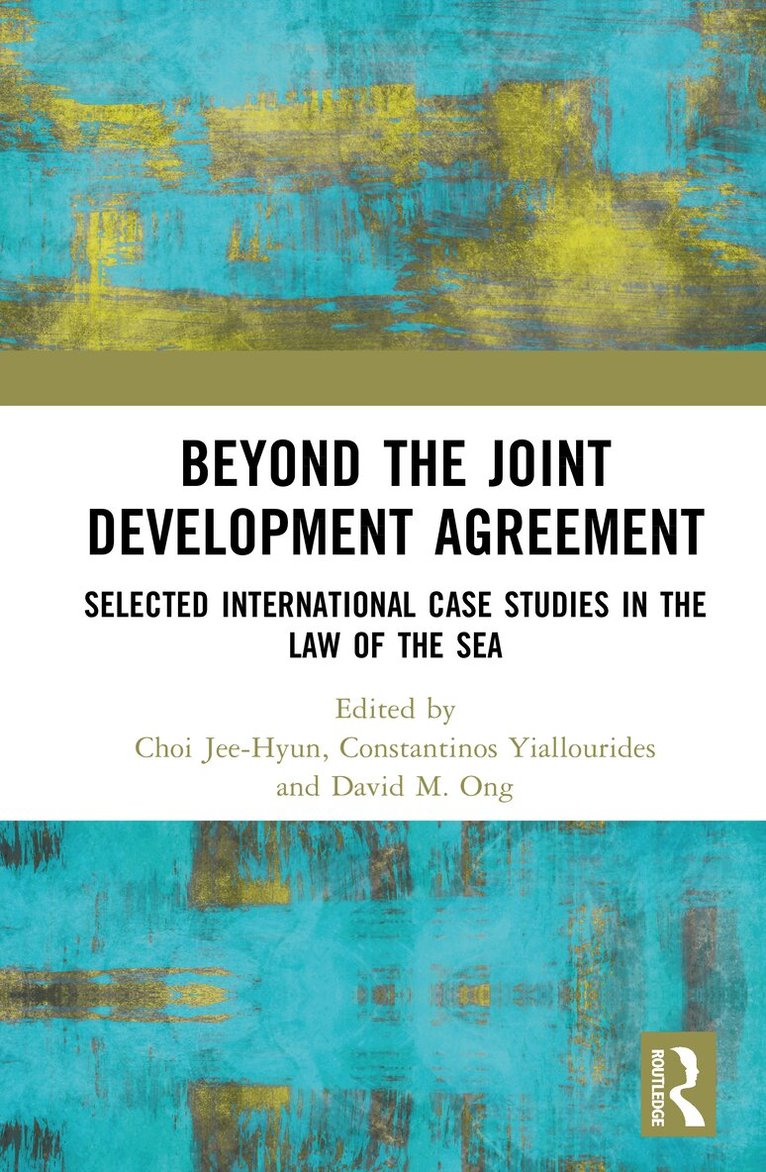
Beyond the Joint Development Agreement
Av Choi Jee-Hyun, David M. Ong
2303 kr
Beställningsvara. Skickas inom 10-15 vardagar. Fri frakt över 249 kr.
Beskrivning
This book offers a detailed legal assessment of offshore ‘joint development’ agreements (JDAs) arising from cooperative negotiations between coastal States. These agreements focus on the exploration and exploitation of hydrocarbon deposits within disputed seabed areas, overlapping continental shelf and Exclusive Economic Zones claims, or across delimited maritime boundaries.Introducing ‘joint development’ as a framework for international agreements enabling States to collaboratively manage shared hydrocarbon resources, the book’s central theme focuses on comparative analyses of selected offshore JDAs, examined by international practitioners, officials, and academics. Through these case studies, it explores the legal complexities and practical applications of JDAs, emphasizing their role in fostering cooperation between States. It highlights the growing State practice in bilateral joint development agreements and proposes an international norm favouring such arrangements, particularly in disputed maritime areas with potential hydrocarbon deposits.Targeted at legal scholars, policymakers, international practitioners, and academics specializing in maritime law and resource management, this book offers valuable insights into the evolving international legal framework. It serves as a guide for States seeking cooperative solutions to manage shared hydrocarbon resources in contested maritime zones.
Produktinformation
- Utgivningsdatum: 2026-09-17
- Mått: 156 x 234 x 23 mm
- Vikt: 750 g
- Format: Inbunden
- Språk: Engelska
- Antal sidor: 308
- Förlag: Taylor & Francis Ltd
- ISBN: 9780367473679
Utforska kategorier
Betyg & recensioner
0 recensioner
Inga recensioner tillgängliga.