Häftad, Engelska, 2026
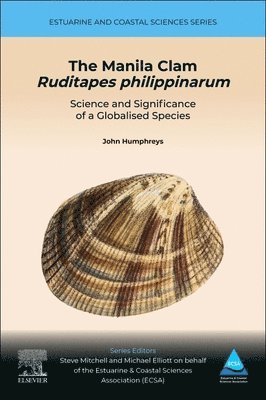
The Manila Clam Ruditapes philippinarum
1778 kr
Beställningsvara. Skickas inom 10-15 vardagar. Fri frakt över 249 kr.
Beskrivning
The Manila Clam Ruditapes philippinarum: Science and Significance of a Globalised Species is an indispensable volume offering the only comprehensive account of the species. From a native range centred on China, Japan and Korea, the species is now found in the USA, Canada, in western Europe from Portugal to Sweden with all countries between, and in the Mediterranean from France to Turkeyi. A general survey of the science and global spread of this successful species provides the basis for an examination of broader issues of biological globalization, food security and the exploitation of nature, posing significant questions and challenges for conservation policy and sustainable development in the anthropocene. Drawing on a multidisciplinary range of literature, this book provides essential information for those in the fields of marine biology, aquaculture and fisheries, marine conservation and malacology.
- Provides a comprehensive account of the science of the manila clam, its global spread and its ecological and economic significance.
- Describes the wide range of fishery and aquaculture practices and their variation across the northern hemisphere.
- Examines the consequences and implications of climate change.
- Offers insights on biological globalization, nature exploitation, and conservation.
- Critiques concepts of biological invasion and non-native species policy.
- Explains the reasons behind the extraordinary success of the species.
- Reviews a wide range of literature in marine ecology, aquaculture and fisheries, invertebrate biology and environmental science.
Produktinformation
- Utgivningsdatum: 2026-08-12
- Mått: 191 x 235 x 18 mm
- Vikt: 450 g
- Format: Häftad
- Språk: Engelska
- Serie: Estuarine and Coastal Sciences Series
- Antal sidor: 384
- Förlag: Elsevier Science
- ISBN: 9780443367045
Utforska kategorier
Betyg & recensioner
0 recensioner
Inga recensioner tillgängliga.