2 493 kr
Beställningsvara. Skickas inom 5-8 vardagar. Fri frakt över 249 kr.
Fler format och utgåvor
Beskrivning
Produktinformation
- Utgivningsdatum:2010-09-09
- Mått:156 x 234 x 13 mm
- Vikt:440 g
- Format:Inbunden
- Språk:Engelska
- Antal sidor:192
- Förlag:Bloomsbury Publishing PLC
- ISBN:9780567261625
Utforska kategorier
Mer om författaren
Eryl W. Davies is Professor Emeritus of Hebrew Bible at Bangor University, UK. His previous publications include Prophecy and Ethics: Isaiah and the Ethical Traditions of Israel (1981); a commentary on Numbers in the New Century Bible Commentary Series, and The Dissenting Reader: Feminist Approaches to the Hebrew Bible (2003)
Recensioner i media
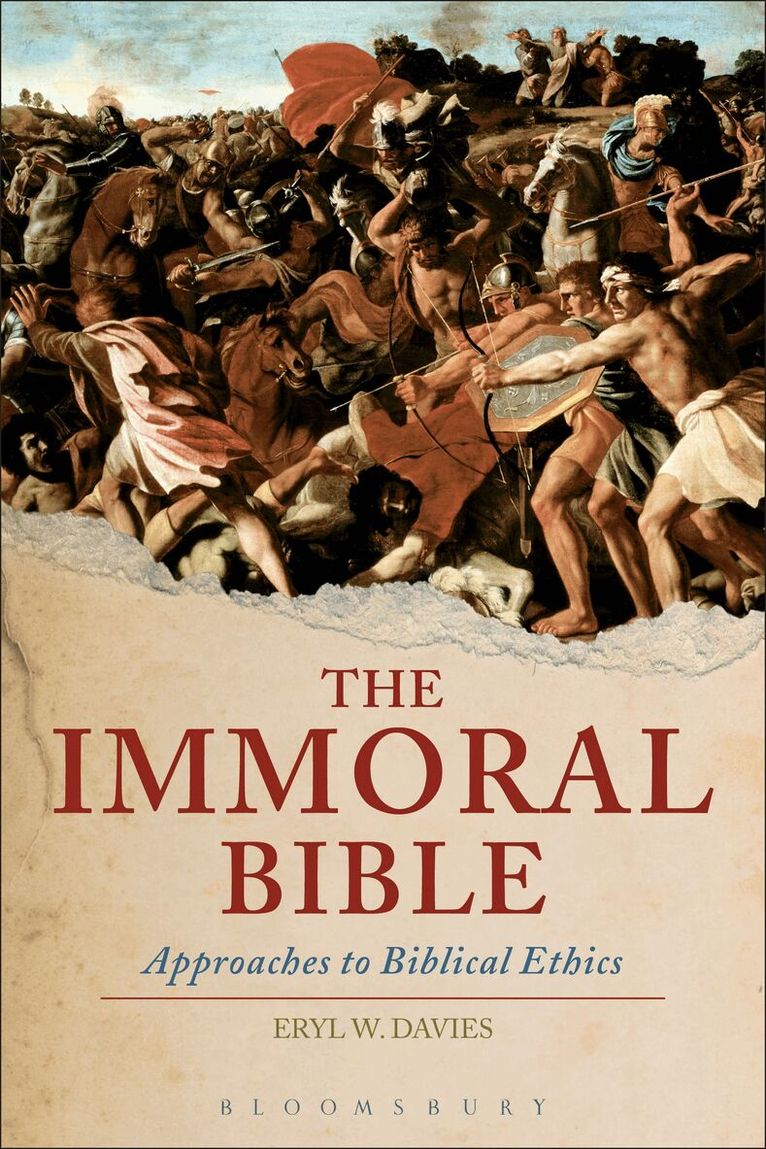
Dr Davies sets out clear and well argued chapters looking at the main reasons proposed which can explain why the Christian Church has retained the Old Testament (and difficult parts of the New) in its Bible, both for private and public reading. The freshness and special value of Dr Davies's contribution lies in considering these approaches overall and subjecting each of them to criticism and appraisal. Here the inquiring reader has a first-rate guidebook to the explanations which have been, and are being, explored to account for this situation. This is a book to read and think about and it shows clearly that, like all great world literature, the Bible should be read with intelligence and care. I rate this to be a 'must read' book for the serious student, not least for those who believe they have found a sufficient explanation for evident difficulties. It deals with ways or reading ancient texts and provides the inquirer with serious and accessible guidelines to a situation that matters greatly for the upholding of spiritual and moral values in our contemporary world.
Innehållsförteckning
- Chapter 1IntroductionThe Ethically Problematic Passages of the Hebrew Bible: An OverviewViolence and Warfare in the Hebrew Bible - recent discussions of the subjectHoly War and its Ramifications - the biblical account of the conquest of Canaan in Joshua 6-11Conclusion Chapter 2The Evolutionary ApproachRise of the Evolutionary Approach - scholars during the latter half of the 19th and early 20th centuriesThe Evolutionary Approach and the Holy War Tradition(a)Advantages of the Evolutionary Approach (b)Weaknesses of the Evolutionary ApproachConclusionChapter 3The Cultural Relativists' ApproachThe Theory of Cultural RelativismCultural Relativism and the Hebrew Bible Cultural Relativism and the Holy War Tradition (a) Advantages of the Cultural Relativists' Approach (b)Weaknesses of the Cultural Relativists' ApproachConclusionChapter 4 The Canonical ApproachIntroduction The Canon within the Canon Approach The Canon within the Canon Approach and the Holy War Tradition(a)The Advantages of the Canon within the Canon Approach (b)The Weaknesses of the Canon within a Canon Approach The Holistic ApproachThe Holistic Approach and the Holy War Tradition(a)The Advantages of the Holistic Approach (b)The Weaknesses of the Holistic ApproachConclusionChapter 5The Paradigmatic ApproachIntroductionThe Paradigmatic Approach and the Holy War Tradition(a)The Advantages of the Paradigmatic Approach (b)The Weaknesses of the Paradigmatic Approach ConclusionChapter 6The Reader Response ApproachIntroduction The Reader Response Approach and the Holy War Tradition(a)The Advantages of the Reader Response Approach (b)The Weaknesses of the Reader Response ApproachConclusionChapter 7Conclusion