Inbunden, Engelska, 2026
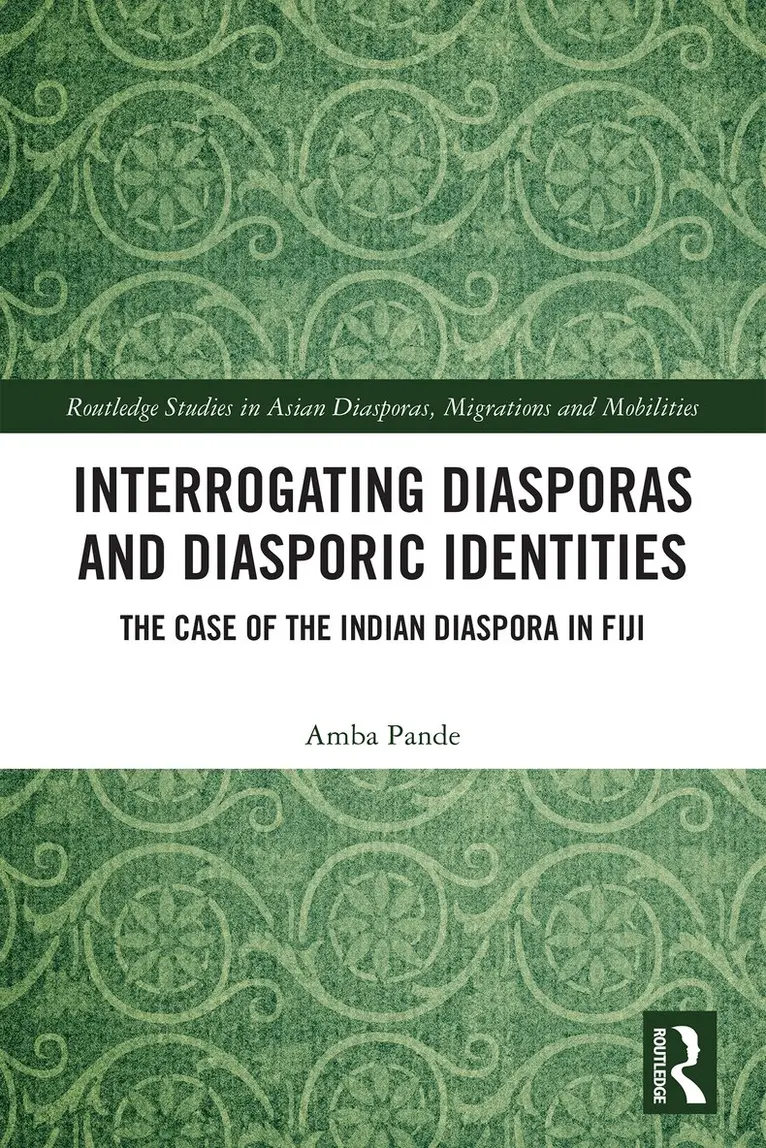
Interrogating Diasporas and Diasporic Identities
Av Amba Pande
2585 kr
Beställningsvara. Skickas inom 10-15 vardagar. Fri frakt över 249 kr.
Beskrivning
This multidisciplinary work addresses a critical gap by integrating Girmitiya identity into broader theories of diaspora and transnationalism. It redefines unique diasporic spaces by bridging theoretical frameworks with a deep empirical exploration of the Indo-Fijian experience.Tracing the evolution of Indian indentured labourers transported under the British colonial system into settled, influential citizens of Fiji, this book maps their migration, settlement, and contemporary life. By navigating complex hostland politics and economic contributions, and by maintaining an unbroken, vibrant connection to their ancestral homeland, Indo-Fijians created dynamic, hybrid zones that are uniquely their own, distinct from both India and Fiji. The book first establishes robust theoretical frameworks for diasporic identity, then situates specific elements of Indo-Fijian political activism, economic impact, and cultural retention.A trailblazing reference for scholars, researchers, and enthusiastic readers, this book offers a systematic account of how historical migration shapes modern transnational identities. Its deep insights into transnational community dynamics also provide valuable perspectives for policymakers.
Produktinformation
- Utgivningsdatum: 2026-10-15
- Mått: 156 x 234 x 10 mm
- Vikt: 420 g
- Format: Inbunden
- Språk: Engelska
- Serie: Routledge Studies in Asian Diasporas, Migrations and Mobilities
- Antal sidor: 132
- Förlag: Taylor & Francis Ltd
- ISBN: 9781032737904
Utforska kategorier
Betyg & recensioner
0 recensioner
Inga recensioner tillgängliga.