Häftad, Engelska, 2026
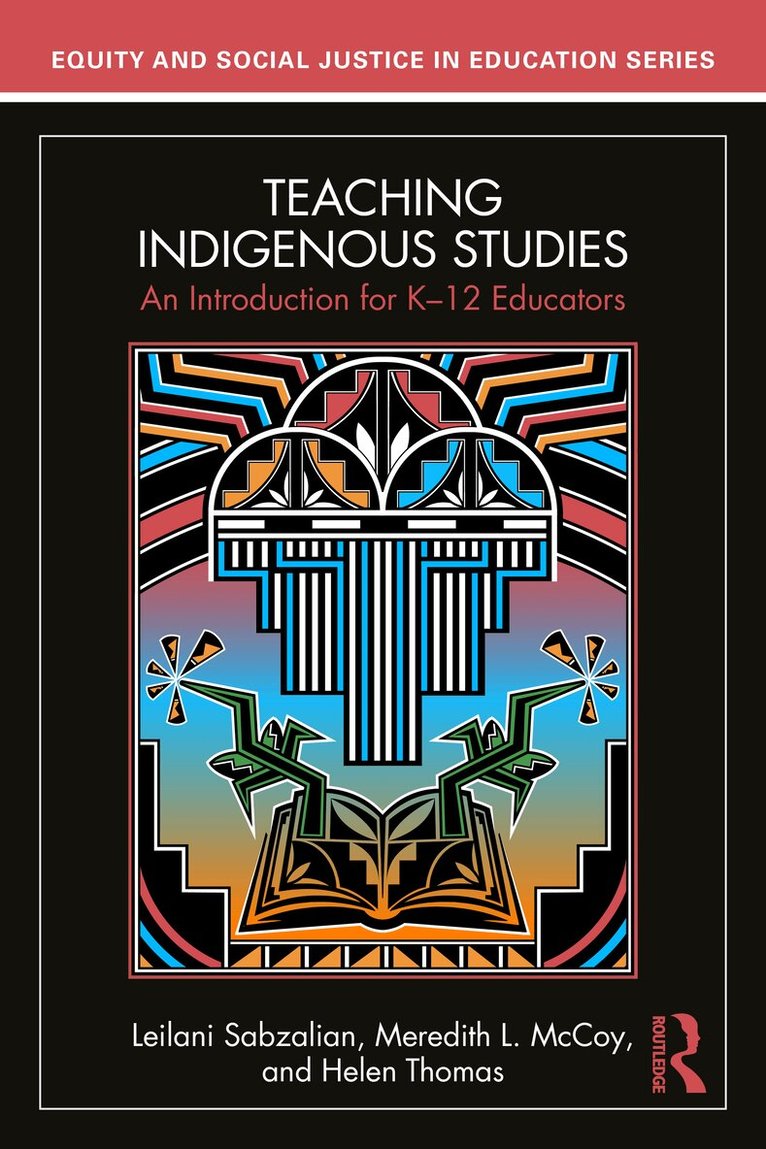
Teaching Indigenous Studies
Av Leilani Sabzalian, Meredith L. McCoy, Helen Thomas
388 kr
Beställningsvara. Skickas inom 10-15 vardagar. Fri frakt över 249 kr.
Beskrivning
Challenge colonialism in education and learn ways to incorporate Indigenous studies in your elementary or secondary classroom. This powerful book offers foundational knowledge around the movement for Indigenous studies curriculum in K–12 schools, as well as strategies to support more respectful and responsible teaching of Indigenous studies.Inside, you will learn about Indigenous pedagogies and how to integrate foundational ideas such as sovereignty, survivance, and relationality into your teaching and curriculum. Through a keywords approach, chapters offer robust conceptual introductions, connections to classroom practice, and a wide array of teaching strategies and resources to help you move your learning into practice.As you read, you will build strategies to name and disrupt colonialism, recognize and affirm Indigenous identities and knowledges, foster ethical land relations, and identify your roles and responsibilities in relation to decolonization and resurgence.
Produktinformation
- Utgivningsdatum: 2026-08-27
- Mått: 152 x 229 x 26 mm
- Vikt: 820 g
- Format: Häftad
- Språk: Engelska
- Serie: Equity and Social Justice in Education Series
- Antal sidor: 432
- Upplaga: 26001
- Förlag: Taylor & Francis Ltd
- ISBN: 9781032739403
Utforska kategorier
Betyg & recensioner
0 recensioner
Inga recensioner tillgängliga.