Inbunden, Engelska, 2025
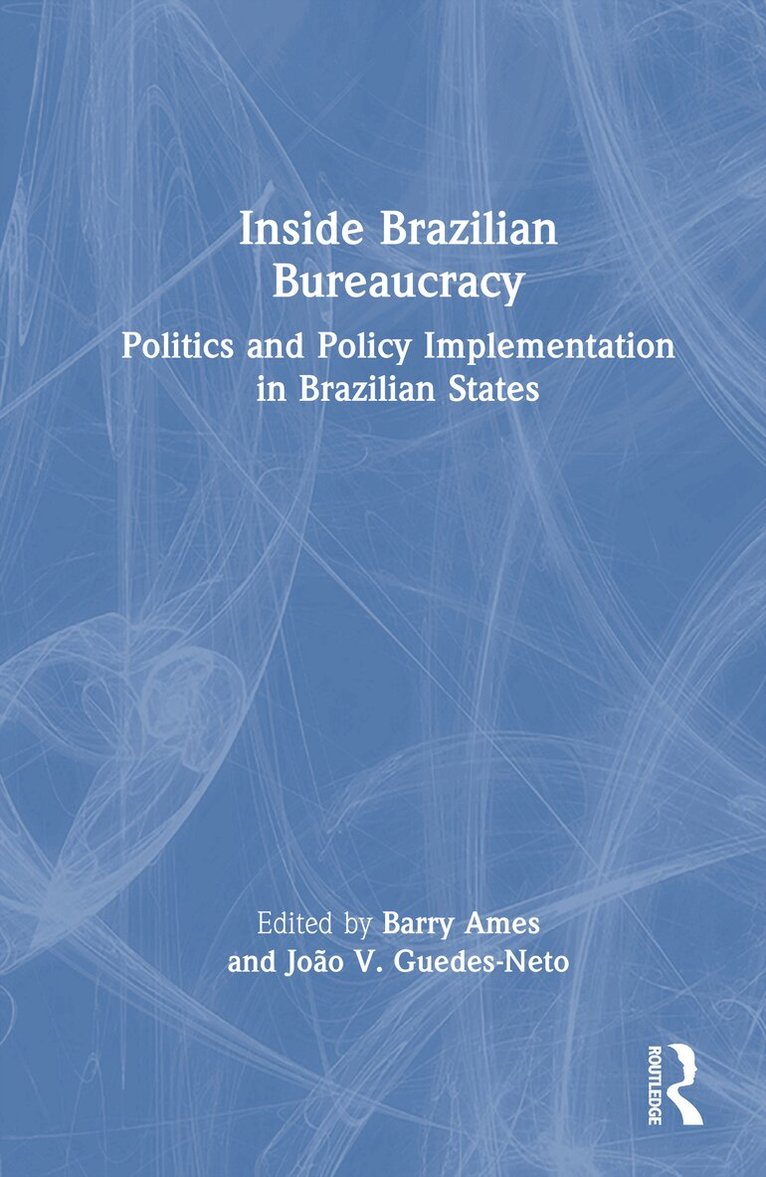
Inside Brazilian Bureaucracy
Av Barry Ames, João V. Guedes-Neto
2504 kr
Beställningsvara. Skickas inom 10-15 vardagar. Fri frakt över 249 kr.
Beskrivning
Although the everyday actions of civil servants and the overall performance of government agencies have huge impacts on the lives of Latin America’s citizens, scholars have only recently begun to analyze the region’s bureaucrats and bureaucracies. This book focuses on bureaucratic attitudes and agency behavior in a diverse group of Brazilian states.The book begins with a survey of state-level bureaucrats, a survey centering on perceptions of political bias and on the networks bureaucrats construct to perform their jobs and advance their careers. In collaboration with Brazilian scholars, the book then analyzes the implementation of nine policies in a diverse set of states. These policies include the construction of a light rail system and a peripheral highway, management of a children’s hospital and a river basin, establishment of a framework for cooperative economic programs, the rolling back of a decentralization program, a reform of secondary education, cleaning a major river, and restructuring a transportation department. The final chapter assesses the implications of the book’s findings for bureaucracy as a whole and for Brazilian politics. This book will be useful for students and scholars of Latin American politics and for policymakers and development practitioners.
Produktinformation
- Utgivningsdatum: 2025-05-15
- Mått: 152 x 229 x 27 mm
- Vikt: 930 g
- Format: Inbunden
- Språk: Engelska
- Antal sidor: 404
- Förlag: Taylor & Francis Ltd
- ISBN: 9781032939964
Betyg & recensioner
0 recensioner
Inga recensioner tillgängliga.