Häftad, Engelska, 2026
Emergency Dispatch and Human Rights
596 kr
Beställningsvara. Skickas inom 10-15 vardagar. Fri frakt över 249 kr.
Beskrivning
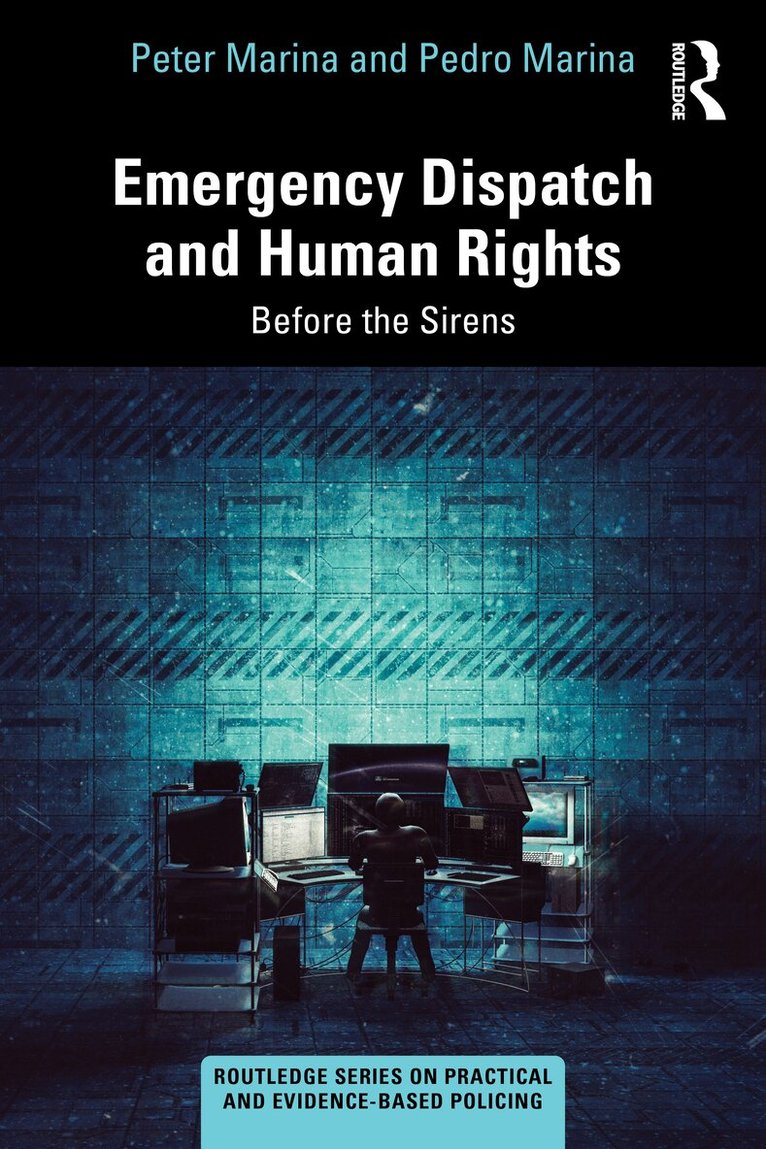
Through real calls, field narratives, and thinkers from Du Bois and Weber to Simmel and Foucault, this book reframes the dispatcher’s role from a clerical function to a moral one.Dispatchers make split-second decisions that impact the fate of everyone a call involves, yet they remain the most consequential and least examined actors in policing. Sociologist Peter J. Marina draws on urban ethnography, social theory, and the 30 years of street-level law enforcement experience of retired New Orleans Police Department (NOPD) Lieutenant Pedro Marina to argue that human rights protection begins not when officers arrive, but the moment someone answers the phone. The blasé attitude, warrior and guardian orientations, the sociological imagination, dual-subject asymmetry, and tri-subject asymmetry all converge at the dispatch console, where a single framing decision determines how the caller is heard, how the officer understands the situation, and how the silent subject who never speaks is ultimately treated. A 5-year-old named Tia Hernlen, a woman whispering from a locked bathroom, a jogger stopped for existing while Black, and the Trayvon Martin case all ask the same question. Will the dispatcher see all three: the caller who speaks, the person who never does, and the officer heading toward a scene?The book will be of interest to emergency service dispatchers, non-dispatch supervisors/managers, and students in criminal justice or emergency service programs, as well as those involved in policymaking, training, and implementation within policing organizations.
Produktinformation
- Utgivningsdatum: 2026-10-13
- Mått: 152 x 229 x 15 mm
- Vikt: 270 g
- Format: Häftad
- Språk: Engelska
- Serie: Routledge Series on Practical and Evidence-Based Policing
- Antal sidor: 124
- Förlag: Taylor & Francis Ltd
- ISBN: 9781032951423
Utforska kategorier
Betyg & recensioner
0 recensioner
Inga recensioner tillgängliga.