Häftad, Engelska, 2014
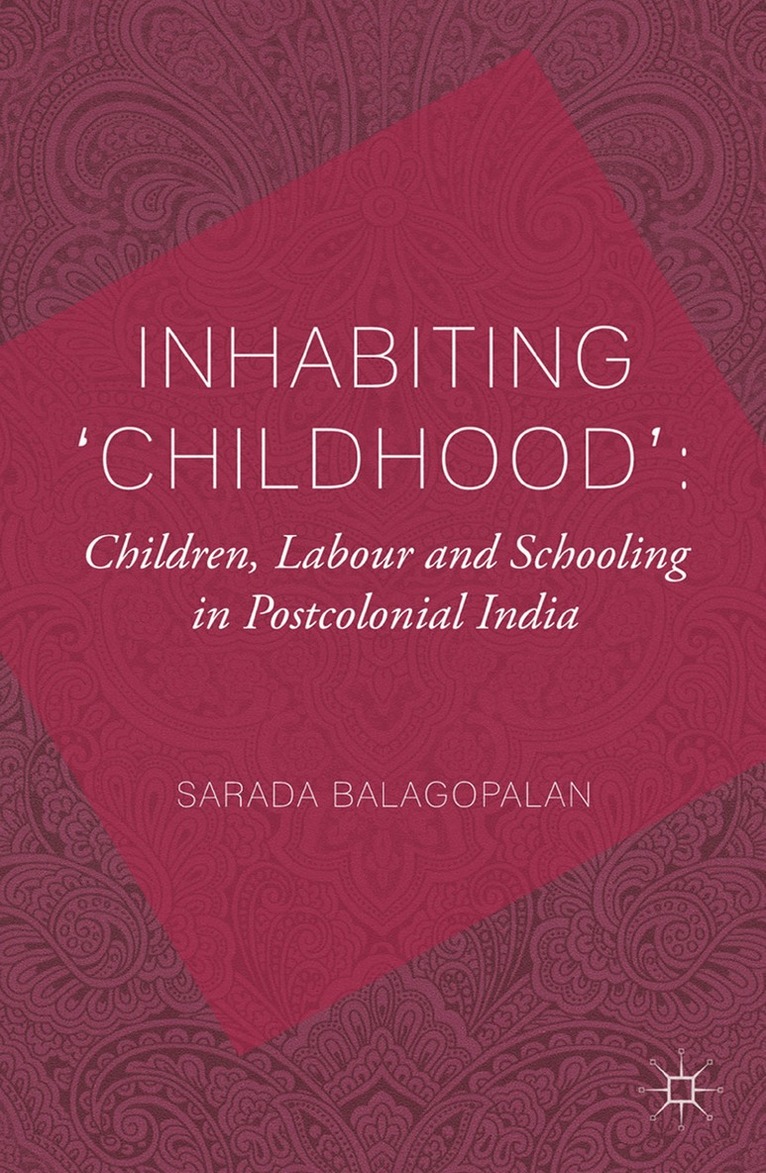
Inhabiting 'Childhood': Children, Labour and Schooling in Postcolonial India
548 kr
Beställningsvara. Skickas inom 10-15 vardagar. Fri frakt över 249 kr.
Beskrivning
Through a rich ethnography of street and working children in Calcutta, India, this book offers the first sustained enquiry into postcolonial childhoods, arguing that the lingering effects of colonialism are central to comprehending why these children struggle to inhabit the transition from labour to schooling.
Produktinformation
- Utgivningsdatum: 2014-01-01
- Mått: 140 x 216 x 42 mm
- Vikt: 336 g
- Format: Häftad
- Språk: Engelska
- Antal sidor: 237
- Upplaga: 14001
- Förlag: Palgrave Macmillan
- ISBN: 9781349333561
Utforska kategorier
Betyg & recensioner
0 recensioner
Inga recensioner tillgängliga.