
Exploring Organized Interests in Post-Communist Policy-Making
Michael Dobbins, Rafał Riedel
Inbunden, 2021
2 473 kr
1 225 kr
Slutsåld
Michael Dobbins, Rafał Riedel
Inbunden, 2021
2 473 kr
Michael Dobbins, Rafał Riedel
Häftad, 2021
624 kr
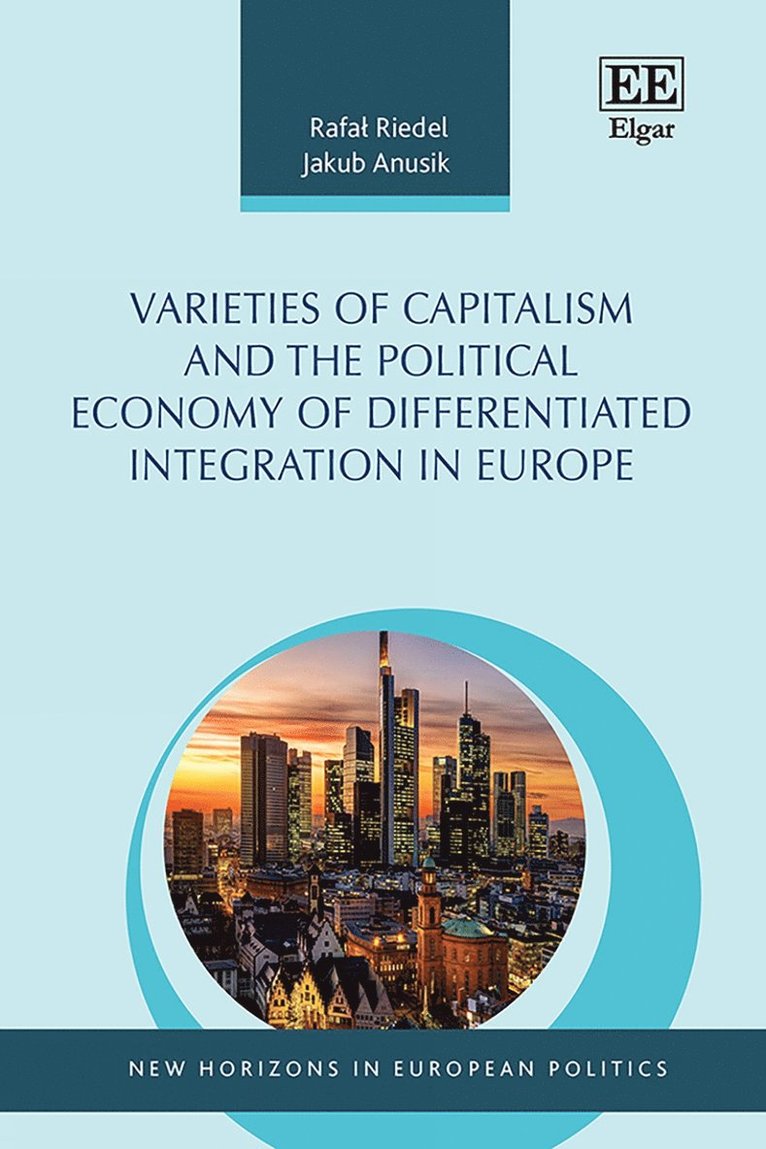
Rafał Riedel, Jakub Anusik
Inbunden, 2024
1 617 kr
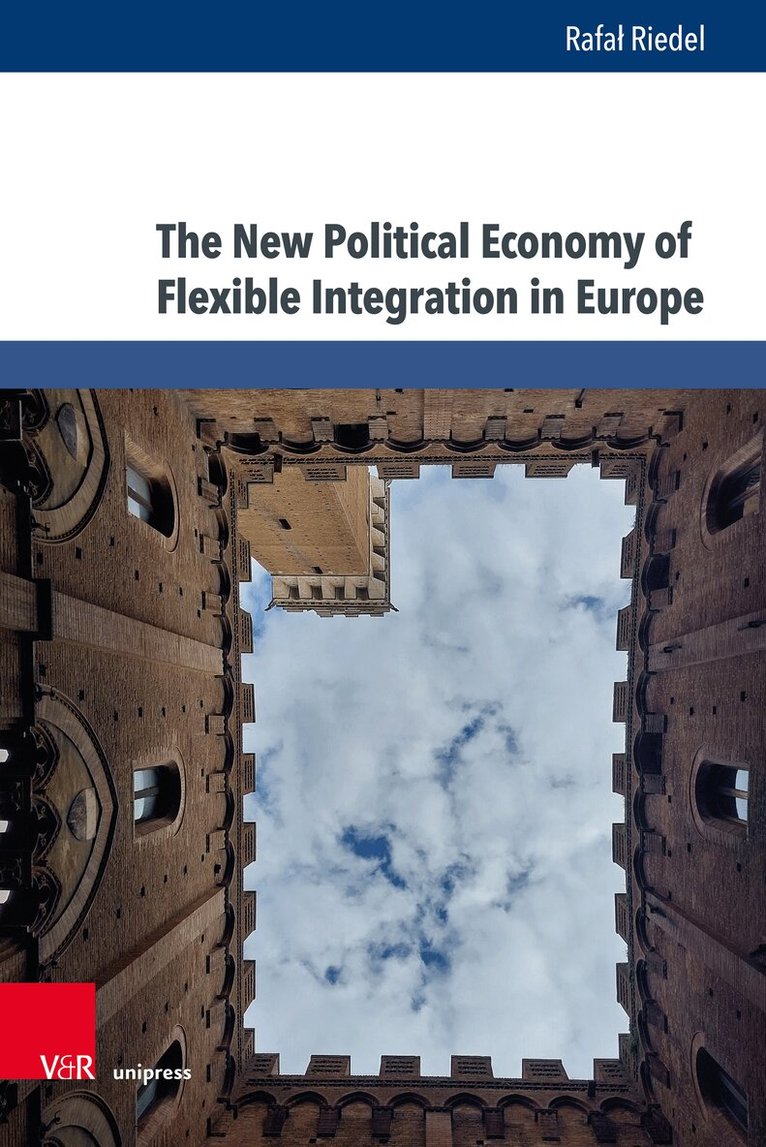
Jakub Anusik, Rafal Riedel
445 kr
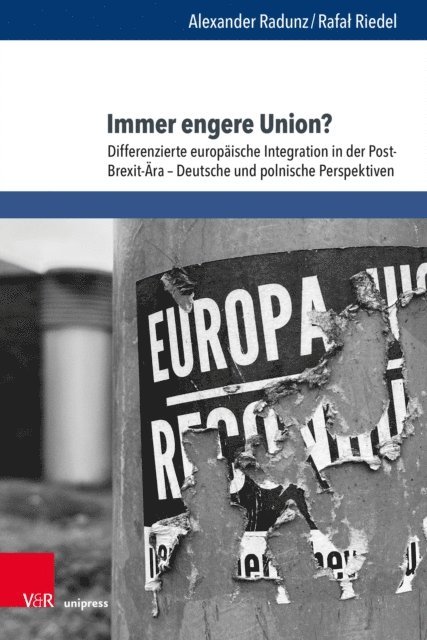
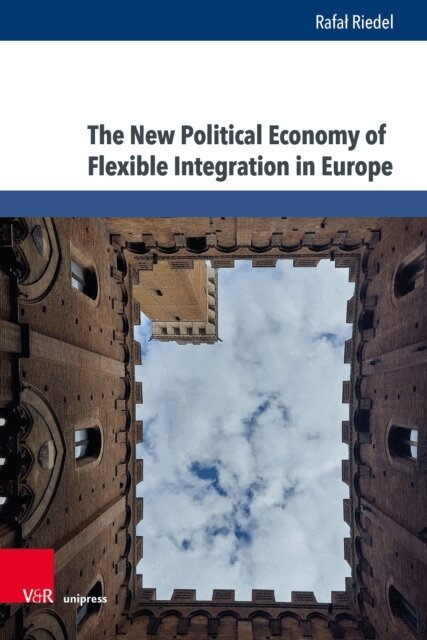
Jakub Anusik, Rafal Riedel
445 kr
Rafał Riedel, Jakub Anusik
Inbunden, 2024
1 617 kr
Michael Dobbins, Rafał Riedel
Inbunden, 2021
2 473 kr
Michael Dobbins, Rafał Riedel
Häftad, 2021
624 kr
1 225 kr
Slutsåld
Michael Dobbins, Rafał Riedel
Inbunden, 2021
2 473 kr
Michael Dobbins, Rafał Riedel
Häftad, 2021
624 kr
Rafał Riedel, Jakub Anusik
Inbunden, 2024
1 617 kr
Jakub Anusik, Rafal Riedel
445 kr
Jakub Anusik, Rafal Riedel
445 kr
Rafał Riedel, Jakub Anusik
Inbunden, 2024
1 617 kr
Michael Dobbins, Rafał Riedel
Inbunden, 2021
2 473 kr
Michael Dobbins, Rafał Riedel
Häftad, 2021
624 kr