Inbunden, Engelska, 2027
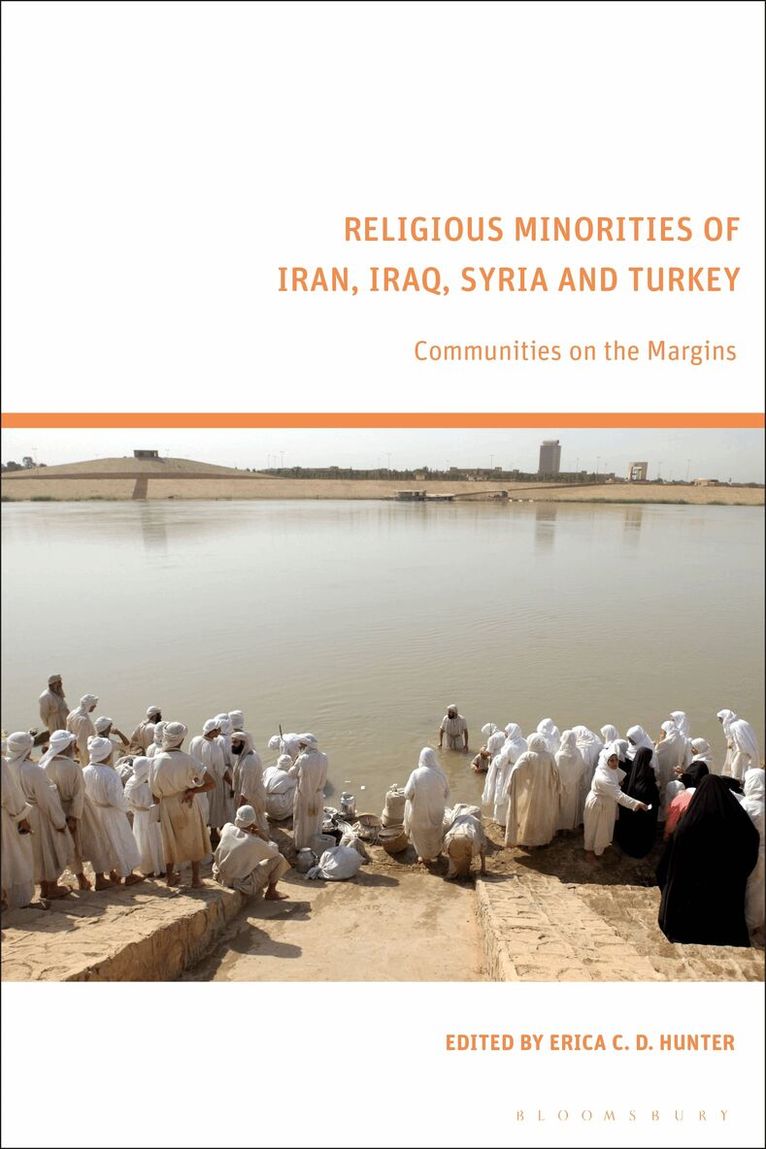
Religious Minorities of Iran, Iraq, Syria and Turkey
1193 kr
Kommande
Beskrivning
Exploring the distinctive character, contributions and current situations of the ‘minority’ religious communities in the Middle East, this book sheds light on the problems that they face, and considers ways in which their situations might be alleviated.Mindful of Islam’s categorization of religious communities, the introduction addresses the application of ‘People of the Book’ (ahl al-kitab) and the 'Covenant of 'Umar' and in particular exposes issues that emerged at the ‘grass-roots’ level of conversion between ‘minority’ religious communities and Islam. Each of the individual chapters is devoted to a particular ‘minority’ religion, discussing its origins as well as the theological, political, historical, linguistic and ethnic factors that have shaped the community’s identity.Chapters also explore current situations and, mindful of their standing as dhimmi or non-dhimmi, flags up the important issues and problems that the ‘minority’ religious communities face in the contemporary Middle East, not the least being the rise and spread of militant Islamic jihadism. Written by leading experts in their respective fields, the book will be particularly relevant for academics, diplomats, NGOs as well as the interested general reader.
Produktinformation
- Utgivningsdatum: 2027-01-07
- Mått: 156 x 234 x 25 mm
- Vikt: 454 g
- Format: Inbunden
- Språk: Engelska
- Antal sidor: 304
- Förlag: Bloomsbury Publishing PLC
- ISBN: 9781350622708
Utforska kategorier
Betyg & recensioner
0 recensioner
Inga recensioner tillgängliga.