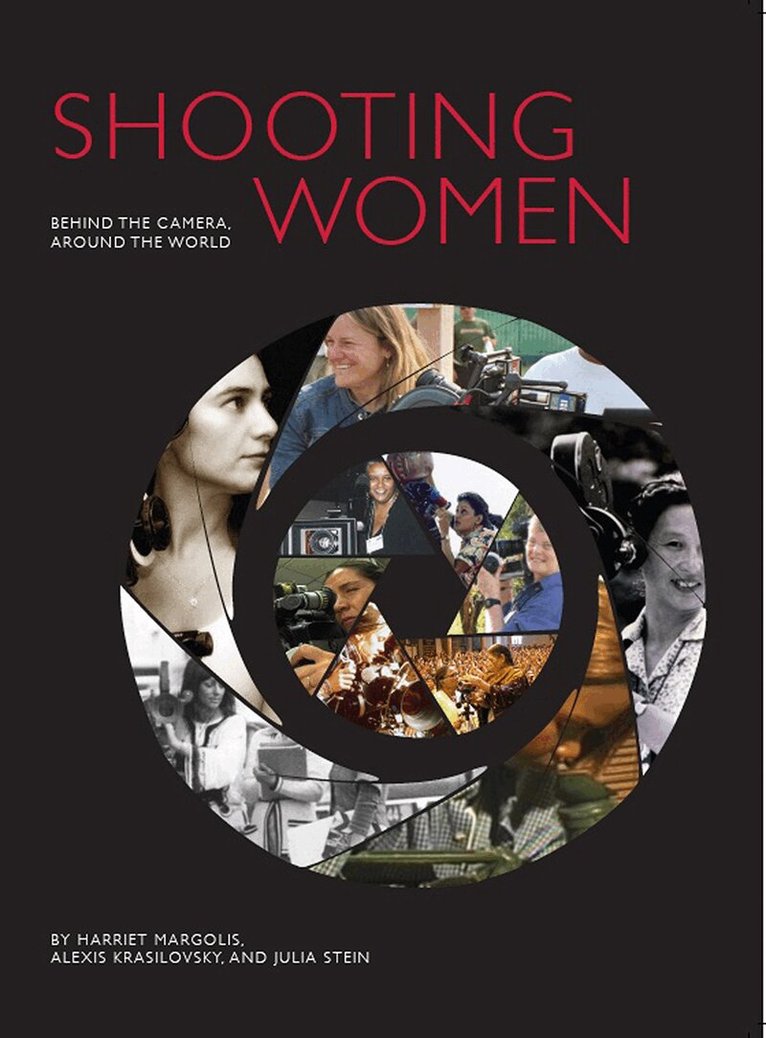
Shooting Women
Behind the Camera, Around the World
AvHarriet Margolis,Alexis Krasilovsky
668 kr
Beställningsvara. Skickas inom 5-8 vardagar. Fri frakt över 249 kr.
Beskrivning
Produktinformation
- Utgivningsdatum:2015-11-15
- Mått:178 x 229 x 19 mm
- Vikt:585 g
- Format:Häftad
- Språk:Engelska
- Antal sidor:364
- Förlag:Intellect
- ISBN:9781783205066
Utforska kategorier
Mer om författaren
Alexis Krasilovsky is the writer/director of the global feature Women Behind the Camera, winner of four 'Best Documentary' awards and based on her book of the same title. Her most recent global documentary is Let Them Eat Cake, about the pleasures and perils of pastry. Krasilovsky studied at Yale University and received an MFA in Film/ Video from CalArts. She is Professor of Screenwriting and Media Theory & Criticism at California State University, Northridge.Harriet Margolis has authored essays on film, literature, and feminism published in Poetics Today, Semiotica, Para*Doxa, Cinema Journal, and the Quarterly Review of Film and Video, as well as book chapters on responsibility and collaboration in representations of the Nazi era, self-directed stereotypes in African American cinema, and cultural capital and the Jane Austen adaptations. Author of The Cinema Ideal (1988; reprinted by Routledge, 2013), she is editor of Jane Campion’s 'The Piano' (2000; Cambridge UP), and co-editor of Studying the Event Film: 'The Lord of the Rings' (2006; Manchester UP).The winner of the 2011 Joe Hill Award for labor poetry, Julia Stein, as book editor, has published Walking Through a River of Fire: 100 Years of Triangle Poetry and Every Day is an Act of Resistance: Selected Poetry of Carol Tarlen. Her fifth and most recent book of poetry is titled What Were They Like?
Recensioner i media
'Shooting Women: Behind the Camera, Around the World offers a comprehensive look at the rich and largely unexplored history of camerawomen from all across the globe. In addition, Krasilovsky, Margolis, and Stein provide a detailed account of how unions have often failed to recognize discrimination against women in the workplace—and even within the union itself. Historical overviews as well as first-hand accounts of these women working behind the scenes make for a book that is both educational and engaging.'
Innehållsförteckning
- AcknowledgementsPrefacesFrom Alexis KarsilovskyFrom Harriet MargolisList of abbreviationsJob titles and some useful definitionsChapter 1: How do women become camerawomen?Learning on the jobStill PhotographyFilm SchoolTraining ProgramsTwo Examples of Feminist Groups: Women in Film and Behind the LensWomen-Supportive Workshops and Production GroupsFilming in the Service of Social Activism: Video SEWA and AinaCollectivesRental HousesChapter 2: How hard can it be?Gender DiscriminationUnions and GuildsWhen Cameras Were HeavyHelpful MenSsh! (Secret Sexual Harassment)SabotageGetting Paid JobsBreaking Out of IsolationRising through the RanksBudgets and Glass CeilingChapter 3: Documentary: A good and satisfying career choice that is statistically friendlier to women that feature fiction filmmakingFilming History Being Made in ChinaDocumentary: Historical and PersonalChapter 4: Hollywood, Bollywood, independents, and short formsHollywoodIndian CinemaThe Freedom of Independent FilmsMusic VideosCommercials and SuchExperimental / Avant-Garde Films and VideoArt Films and VideosShooting Special Material: BirthChapter 5: Special skills and creativityHandheld CameraworkCranesUnderwaterHelicoptersSpecial EffectsLighting as a Cinematographer’s Dream JobDigital TechnologyStyleChapter 6: Shooting around the worldErika Addis on Beginning her CareerArlene Burns on Filming in the Kuril IslandsYong-Joo Byun on Filming Comfort Women in KoreaNancy Durham on Filming the Balkan WarJolanta Dylewska on Filming in KazakhstanSabeena Gadihoke on Filming Three Women and a CameraRozette Ghadery on Filming in KurdistanSue Gibson on Filming in JordanJoan Giummo on Filming Homeless Women in New YorkAgnès Godard Pays Homage to BeautyMarina Goldovaskaya on Filming History Being Made in RussiaEllen Kuras on Pivotal Moments in ShootingHeather Mackenzie on Filming Romanian OrphansSandi Sissel on Filming Salaam Bombay!Agnès Varda on Filming the Human BodyLiz Ziegler on Filming Eyes Wide Shut (1999) for Stanley KubrickChapter 7: Can camerawomen also be women?ParentsFathersMothersFriends and Extended FamilyHusbandsA Happy MarriagePregnancyChildren and ChildcareDaughtersChapter 8: What’s it really like?A Typical DayWhere Do Camerawomen Go?What Do Camerawomen Wear?Working with the CrewWorking with Directors and ProceduresActing Like men to Fit InThe Advantages of Being FemaleChapter 9: Magic moments, worst momentsSatisfactionsWorst Moments, Dangers, and Risking One’s LifeChapter 10: What do Camerawomen see?Representation and GenderEthicsCamerawomen Teaching“Just Do It”Aspirations for the FutureList of camerawomen whose interviews are included in this bookBibliographyIndex