Inbunden, Engelska, 2026
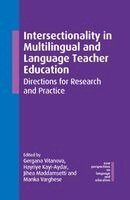
Intersectionality in Multilingual and Language Teacher Education
Av Gergana Vitanova, Hayriye Kayi-Aydar, Jihea Maddamsetti, Manka Varghese
1550 kr
Skickas torsdag 15/10
Beskrivning
Outstanding original application of intersectionality to language teacher education and multilingual classrooms.This book showcases the construct of intersectionality and how it applies to the multiple dimensions of language and multilingual teacher identities. The chapters illustrate how intersectionality affects teachers’ potential for agency and their pedagogical practices.By highlighting intersectionality’s role in teacher education, the book seeks to understand how all forms of oppressive social practices play out in classrooms and educational contexts, and how an intersectional lens can suggest ways in which to counter these in multilingual classrooms and language teaching.The chapters use a range of methodologies to explore theoretical, empirical and pedagogical implications of an intersectional analysis of language teaching. The book’s insights can and should be used to effect change that benefits everyone in the language classroom and the wider educational community.
Produktinformation
- Utgivningsdatum: 2026-09-15
- Mått: 156 x 234 x 16 mm
- Vikt: 491 g
- Format: Inbunden
- Språk: Engelska
- Serie: New Perspectives on Language and Education
- Antal sidor: 210
- Förlag: Multilingual Matters
- ISBN: 9781800419957
Utforska kategorier
Betyg & recensioner
0 recensioner
Inga recensioner tillgängliga.