Inbunden, Engelska, 2012
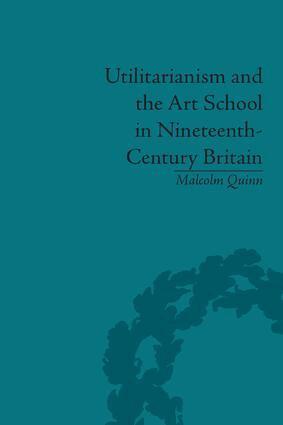
Utilitarianism and the Art School in Nineteenth-Century Britain
2588 kr
Beställningsvara. Skickas inom 10-15 vardagar. Fri frakt över 249 kr.
Beskrivning
The mid-nineteenth century saw the introduction of publicly funded art education as an alternative to the established private institutions. Quinn explores the ways in which members of parliament applied Bentham’s utilitarian philosophy to questions of public taste.
Produktinformation
- Utgivningsdatum: 2012-11-01
- Mått: 156 x 234 x 23 mm
- Vikt: 430 g
- Format: Inbunden
- Språk: Engelska
- Antal sidor: 256
- Förlag: Taylor & Francis Ltd
- ISBN: 9781848932982
Utforska kategorier
Betyg & recensioner
0 recensioner
Inga recensioner tillgängliga.