
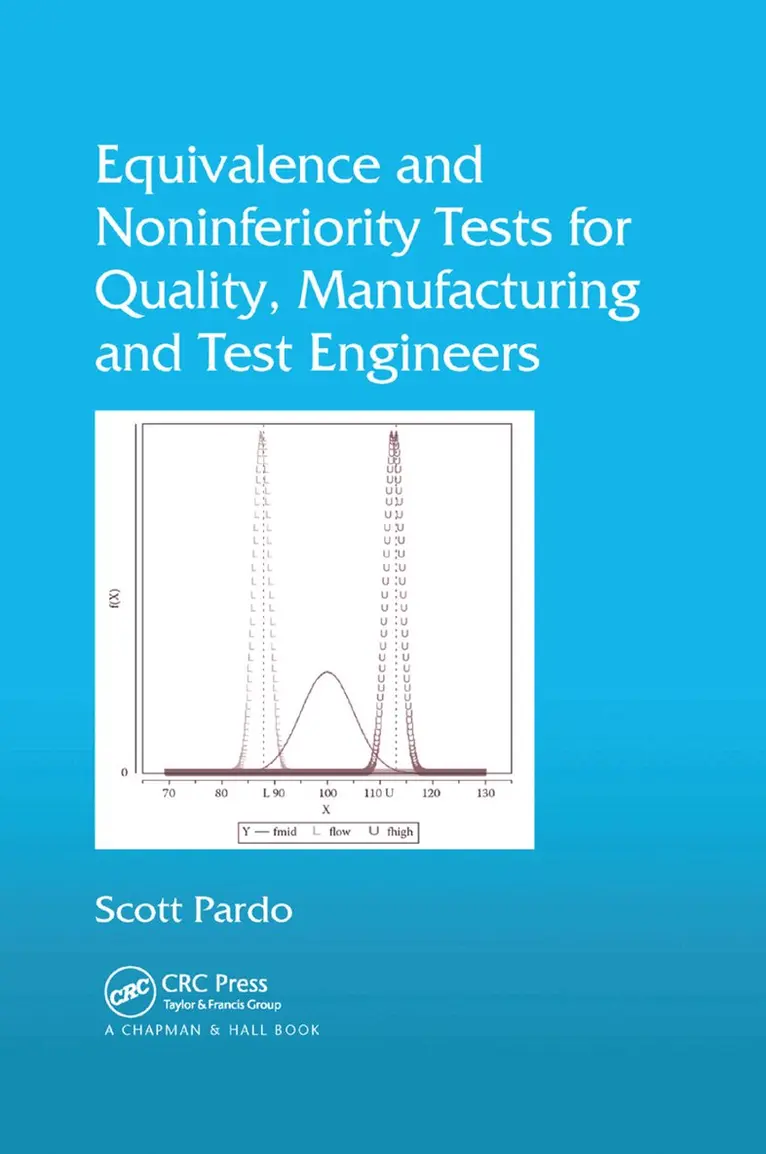
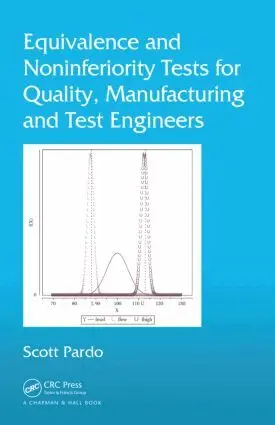
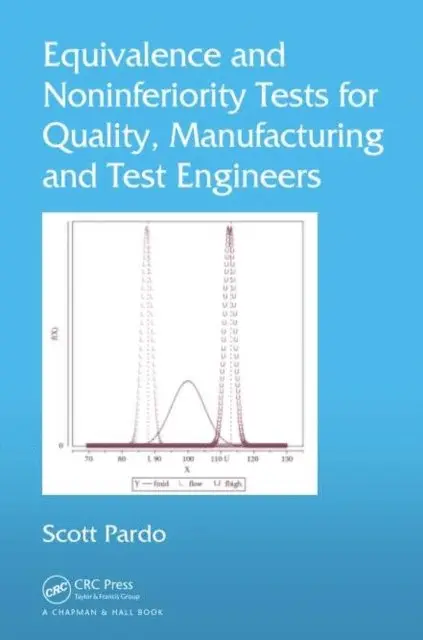
Equivalence and Noninferiority Tests for Quality, Manufacturing and Test Engineers
Scott Pardo
Häftad, 2019
1 027 kr
1 326 kr
Beställningsvara. Skickas inom 10-15 vardagar. Fri frakt över 249 kr.
Scott Pardo
Häftad, 2019
1 027 kr
Scott Pardo, Michael Pardo
Häftad, 2020
797 kr
Scott Pardo
1 191 kr
Scott Pardo, Michael Pardo
Inbunden, 2018
1 802 kr
Michael Pardo, Scott Pardo
932 kr
Michael Pardo, Scott Pardo
932 kr
Scott Pardo
Inbunden, 2013
2 787 kr
Scott Pardo
1 203 kr
Scott Pardo
Inbunden, 2013
2 787 kr
Scott Pardo, Michael Pardo
Häftad, 2020
797 kr
Scott Pardo, Michael Pardo
Inbunden, 2018
1 802 kr
Scott Pardo
1 191 kr
Michael Pardo, Scott Pardo
932 kr
Scott Pardo
1 203 kr
Scott Pardo
Häftad, 2019
1 027 kr
Michael Pardo, Scott Pardo
932 kr
1 326 kr
Beställningsvara. Skickas inom 10-15 vardagar. Fri frakt över 249 kr.
Scott Pardo
Häftad, 2019
1 027 kr
Scott Pardo, Michael Pardo
Häftad, 2020
797 kr
Scott Pardo
1 191 kr
Scott Pardo, Michael Pardo
Inbunden, 2018
1 802 kr
Michael Pardo, Scott Pardo
932 kr
Michael Pardo, Scott Pardo
932 kr
Scott Pardo
Inbunden, 2013
2 787 kr
Scott Pardo
1 203 kr
Scott Pardo
Inbunden, 2013
2 787 kr
Scott Pardo, Michael Pardo
Häftad, 2020
797 kr
Scott Pardo, Michael Pardo
Inbunden, 2018
1 802 kr
Scott Pardo
1 191 kr
Michael Pardo, Scott Pardo
932 kr
Scott Pardo
1 203 kr
Scott Pardo
Häftad, 2019
1 027 kr
Michael Pardo, Scott Pardo
932 kr