Inbunden, Engelska, 2021
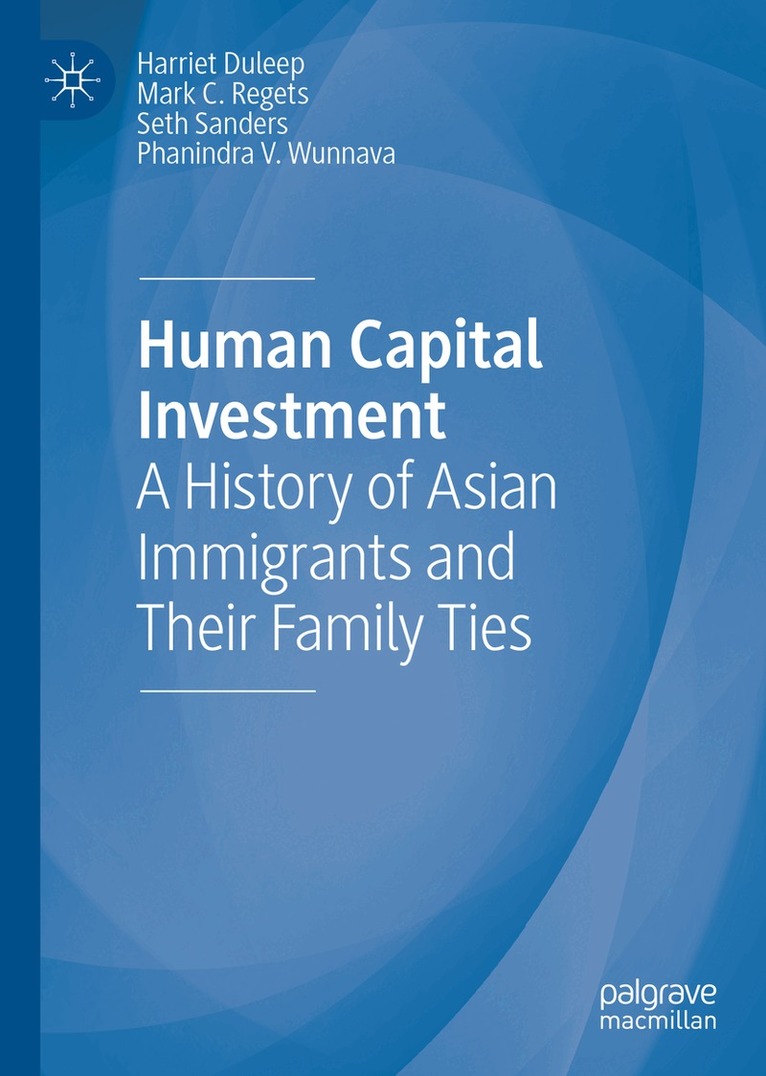
Human Capital Investment
Av Harriet Duleep, Mark C. Regets, Seth Sanders, Phanindra V. Wunnava
1205 kr
Beställningsvara. Skickas inom 10-15 vardagar. Fri frakt över 249 kr.
Beskrivning
In 1965, a family-reunification policy for admitting immigrants to the United States replaced a system that chose immigrants based on their national origin. With this change, a 40-year hiatus in Asian immigration ended. Today, over three-quarters of US immigrants originate from Asia and Latin America. Two issues that dominate discussions of US immigration policy are the progress of post-reform immigrants and their contributions to the US economy.This book focuses on the earnings and human capital investment of Asian immigrants to the US after 1965. In addition, it provides a primer on studying immigrant economic assimilation, by explaining economists’ methodology to measure immigrant earnings growth and the challenges with this approach. The book also illustrates strategies to more fully use census data such as how to measure family income and how to use “panel data” that is embedded in the census.The book is a historical study as well as an extremely timely work froma policy angle. The passage of the 1965 Immigration and Nationality Act set the United States apart among economically developed countries due to the weight given to family unification. Based on analyses by economists—which suggest that the quality of immigrants to the US fell after the 1965 law—policymakers have called for fundamental changes in the US system to align it with the immigration systems of other countries. This book offers an alternative view point by proposing a richer model that incorporates investments in human capital by immigrants and their families. It challenges the conventional model in three ways: First, it views the decline in immigrants’ entry earnings after 1965 as due to investment in human capital, not to permanently lower “quality.” Second, it adds human capital investment and earnings growth after entry to the model. And finally, by taking investments by family members into account, it challenges the policy recommendation that immigrants should be selected for their occupational qualifications rather than family connections.
Produktinformation
- Utgivningsdatum: 2021-02-11
- Mått: 148 x 210 x 21 mm
- Vikt: 464 g
- Format: Inbunden
- Språk: Engelska
- Antal sidor: 270
- Förlag: Springer Nature Switzerland AG
- ISBN: 9783030470821
Utforska kategorier
Betyg & recensioner
0 recensioner
Inga recensioner tillgängliga.