Inbunden, Engelska, 2026
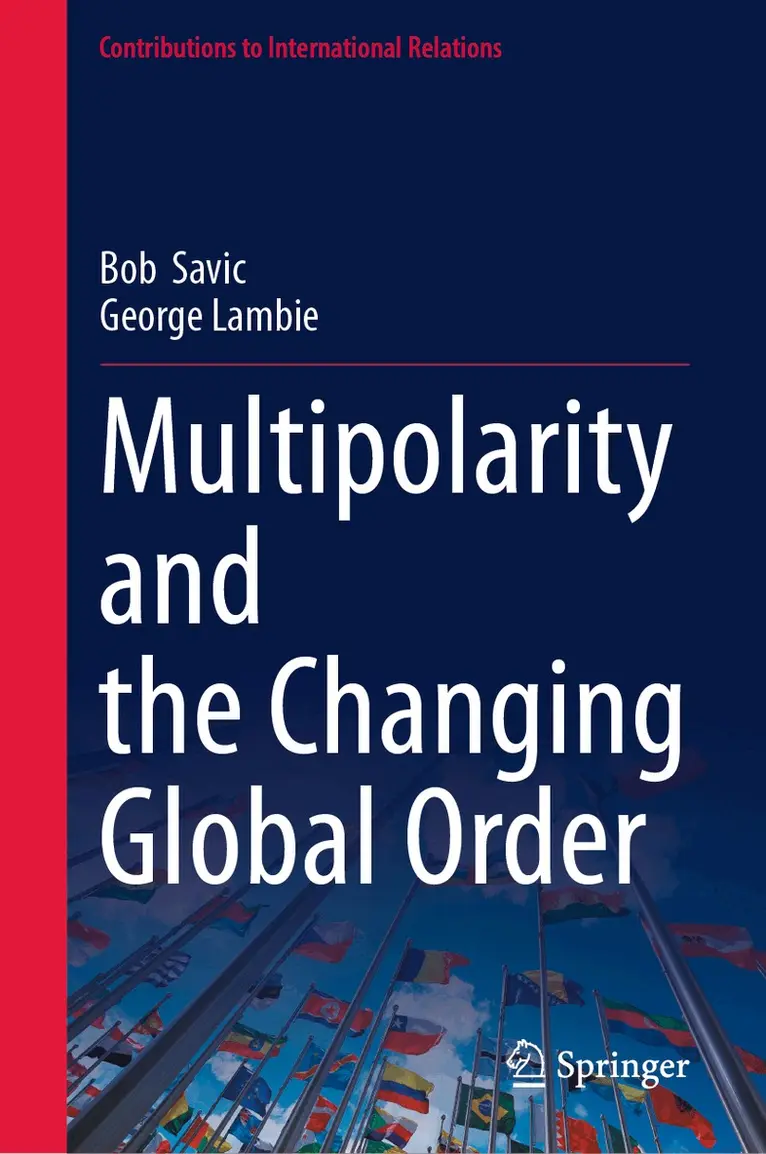
Multipolarity and the Changing Global Order
981 kr
Beställningsvara. Skickas inom 5-8 vardagar. Fri frakt över 249 kr.
Beskrivning
This volume discusses the rise of Multipolarity as a response to the post-Communist presumed victory of Unipolarity through the lenses of geo-politics, international relations and international political economy. When Francis Fukuyama proclaimed the ‘End of History’ at the time of the collapse of the Soviet Communist bloc in the late twentieth century, it was assumed that the West had won not just the Cold War but also consolidated more than half a millennium of hegemonic supremacy over the international order. Globalisation, the most recent and presumed last phase of this trajectory, was expected to become embedded in a transnationally integrated and Unipolar ‘New World Order’ based on Western values and principles. Supported by several decades of policy and academic experience, the authors argue that transnational globalisation in a Unipolar framework is no longer unchallenged and now faces the rise of ‘Multipolarity’ as an increasing number of nations, led by Russia and China, reject the global paradigm. This book gives an objective and informed account of the rise of Multipolarity and its consequences. It proceeds to suggest ways in which the ‘West’ can engage the new Multipolar realities to its best advantage.
Produktinformation
- Utgivningsdatum: 2026-08-03
- Mått: 155 x 235 x 28 mm
- Vikt: 718 g
- Format: Inbunden
- Språk: Engelska
- Serie: Contributions to International Relations
- Antal sidor: 380
- Förlag: Springer Nature Switzerland AG
- ISBN: 9783032217448
Utforska kategorier
Betyg & recensioner
0 recensioner
Inga recensioner tillgängliga.