
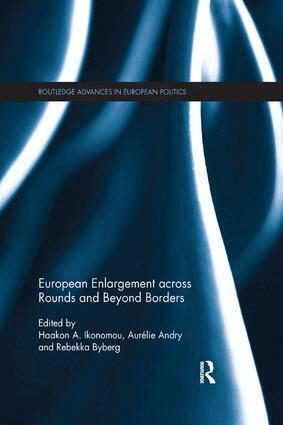
European Enlargement across Rounds and Beyond Borders
Haakon A. Ikonomou, Aurélie Andry, Rebekka Byberg
Häftad, 2019
760 kr
Del i serien Palgrave Studies in the History of Social Movements
2 262 kr
Kommande
Haakon A. Ikonomou, Aurélie Andry, Rebekka Byberg
Häftad, 2019
760 kr
Haakon A. Ikonomou, Aurélie Andry, Rebekka Byberg
Inbunden, 2017
2 783 kr

Rebekka Byberg, Aurelie Andry, Haakon A. Ikonomou
890 kr

Rebekka Byberg, Aurelie Andry, Haakon A. Ikonomou
890 kr





Del i serien Palgrave Studies in the History of Social Movements
2 262 kr
Kommande
Haakon A. Ikonomou, Aurélie Andry, Rebekka Byberg
Häftad, 2019
760 kr
Haakon A. Ikonomou, Aurélie Andry, Rebekka Byberg
Inbunden, 2017
2 783 kr
Rebekka Byberg, Aurelie Andry, Haakon A. Ikonomou
890 kr
Rebekka Byberg, Aurelie Andry, Haakon A. Ikonomou
890 kr