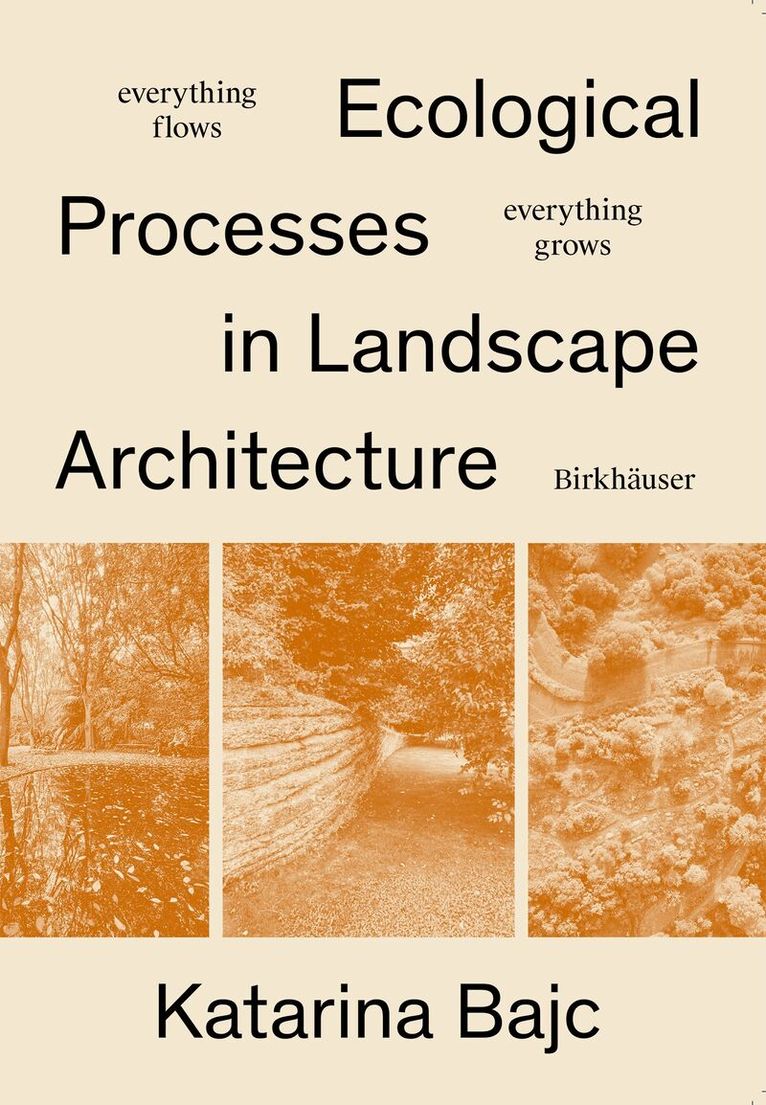
Häftad, Engelska, 2026
Ecological Processes in Landscape Architecture
429 kr
Beställningsvara. Skickas inom 3-6 vardagar. Fri frakt över 249 kr.
Beskrivning
For a long time, the goal of landscape architecture was to achieve a stable landscape image. Such static perception of nature was immortalized in pastoral landscape paintings of the eighteenth-century English park or glossy photographs of postmodern garden compositions. A pictorial approach required the strict control of ecological processes such as erosion, decay, emergence, and changes in plant populations. These were considered unfavorable to the aesthetic experience of the landscape.Today, with a growing consensus on the significance of sustainability, ecological dynamics are becoming inherent to landscape architecture, which opens up new aesthetic possibilities for landscape design. This publication offers examples of how ecological processes can be integrated into landscape architecture practice and roots them in contemporary theories of environmental perception.In-depth exploration of landscape architecture projects that engage with ecological processes through designLandscape design attuned to natural processes is a timely topicPractice-oriented and interdisciplinary approach
Produktinformation
- Utgivningsdatum: 2026-07-20
- Mått: 238 x 25 x 176 mm
- Vikt: 660 g
- Format: Häftad
- Språk: Engelska
- Antal sidor: 264
- Förlag: Birkhauser
- ISBN: 9783035629682
Utforska kategorier
Betyg & recensioner
0 recensioner
Inga recensioner tillgängliga.