Inbunden, Engelska, 2016
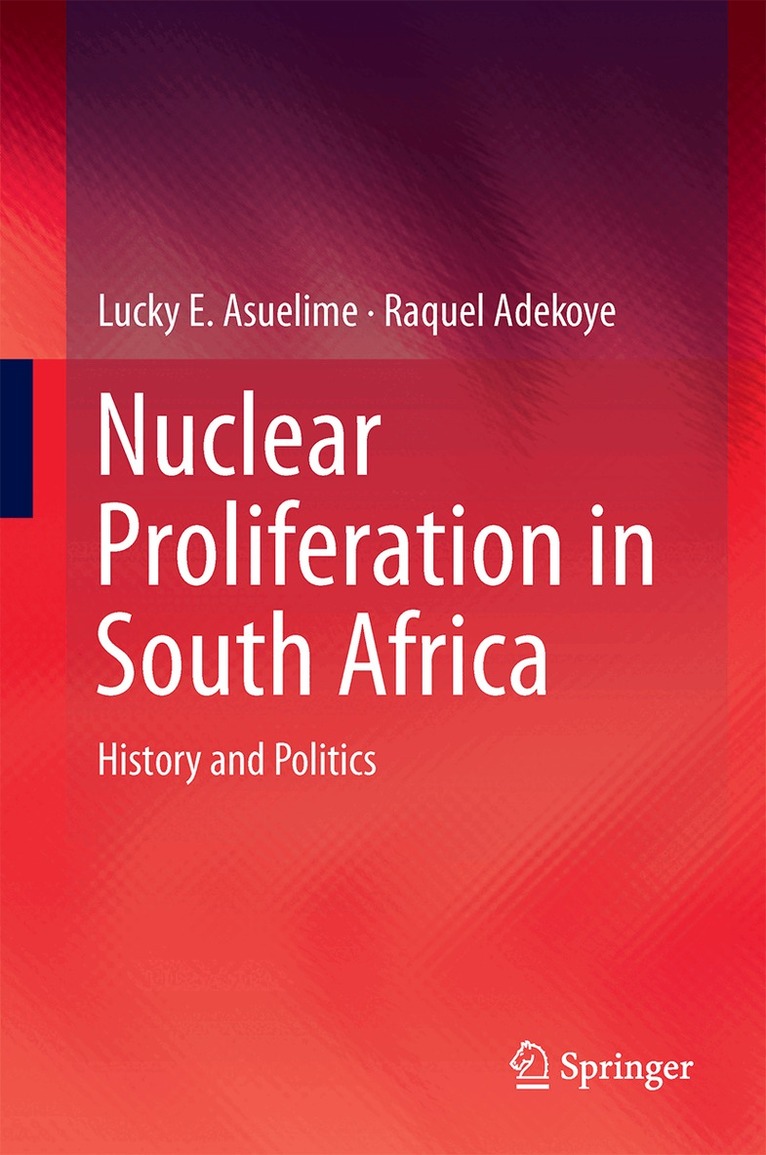
Nuclear Proliferation in South Africa
Av Lucky E. Asuelime, Raquel A. Adekoye
551 kr
Beställningsvara. Skickas inom 10-15 vardagar. Fri frakt över 249 kr.
Beskrivning
This book investigates drivers and trends in nuclear proliferation in the Global South. Based on an in-depth analysis of South Africa’s nuclear history, it examines general causes of proliferation, such as technical capabilities and constraints; a country’s motivation to build a nuclear bomb; and particular domestic and international situations. It also highlights Britain’s role in the development of technological capability in South Africa and explains how nuclear weapons influence international relations. Finally, the study offers effective solutions to the problem of nuclear proliferation in developing countries.
Produktinformation
- Utgivningsdatum: 2016-06-17
- Mått: 155 x 235 x 15 mm
- Vikt: 354 g
- Format: Inbunden
- Språk: Engelska
- Antal sidor: 138
- Upplaga: 16001
- Förlag: Springer International Publishing AG
- ISBN: 9783319333724
Utforska kategorier
Betyg & recensioner
0 recensioner
Inga recensioner tillgängliga.