Inbunden, Engelska, 2018
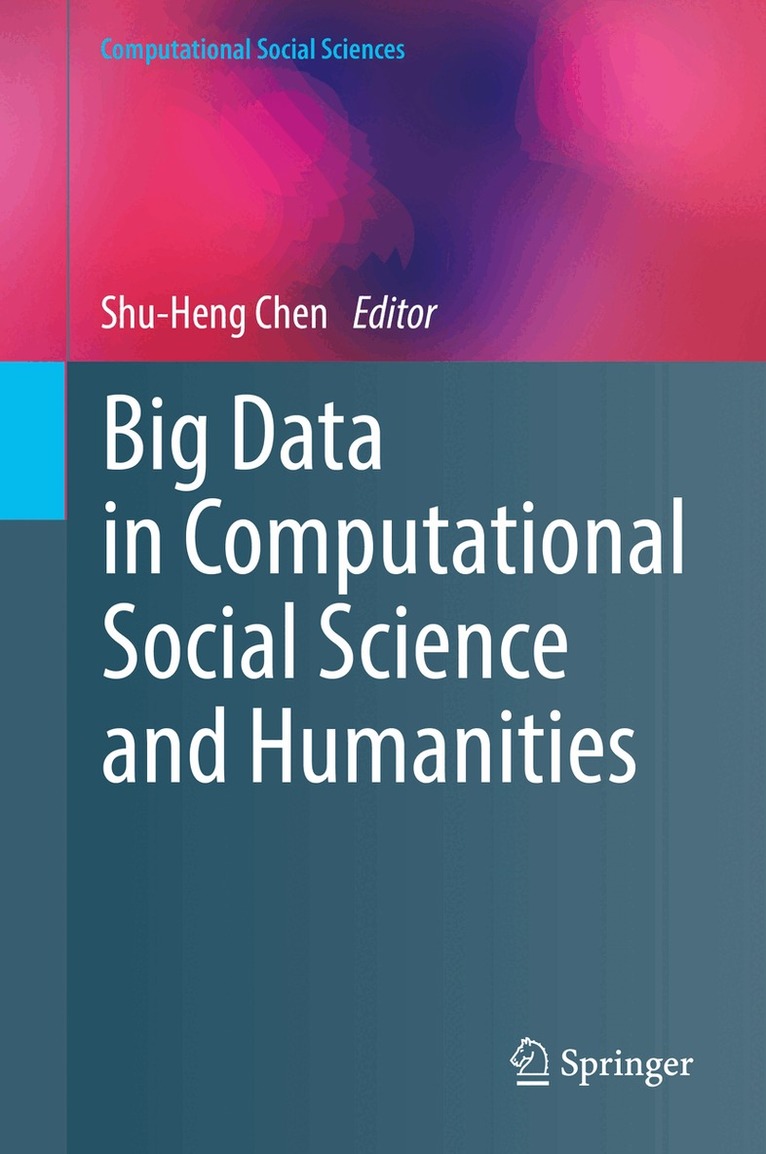
Big Data in Computational Social Science and Humanities
1914 kr
Beställningsvara. Skickas inom 10-15 vardagar. Fri frakt över 249 kr.
Beskrivning
This edited volume focuses on big data implications for computational social science and humanities from management to usage. The first part of the book covers geographic data, text corpus data, and social media data, and exemplifies their concrete applications in a wide range of fields including anthropology, economics, finance, geography, history, linguistics, political science, psychology, public health, and mass communications. The second part of the book provides a panoramic view of the development of big data in the fields of computational social sciences and humanities. The following questions are addressed: why is there a need for novel data governance for this new type of data?, why is big data important for social scientists?, and how will it revolutionize the way social scientists conduct research? With the advent of the information age and technologies such as Web 2.0, ubiquitous computing, wearable devices, and the Internet of Things, digital society has fundamentally changed what we now know as "data", the very use of this data, and what we now call "knowledge". Big data has become the standard in social sciences, and has made these sciences more computational. Big Data in Computational Social Science and Humanities will appeal to graduate students and researchers working in the many subfields of the social sciences and humanities.
Produktinformation
- Utgivningsdatum: 2018-11-29
- Mått: 155 x 235 x 25 mm
- Vikt: 756 g
- Format: Inbunden
- Språk: Engelska
- Serie: Computational Social Sciences
- Antal sidor: 388
- Förlag: Springer International Publishing AG
- ISBN: 9783319954646
Utforska kategorier
Betyg & recensioner
0 recensioner
Inga recensioner tillgängliga.