Communal Christianity
The Life and Loss of a Peasant Vision in Early Modern Germany
E-bok
PDF, Engelska, 20212 325 kr
Läs direkt i Bokus Reader – eller ladda ned till din enhet (PDF kräver ofta zoom och scroll på små skärmar).
Beskrivning
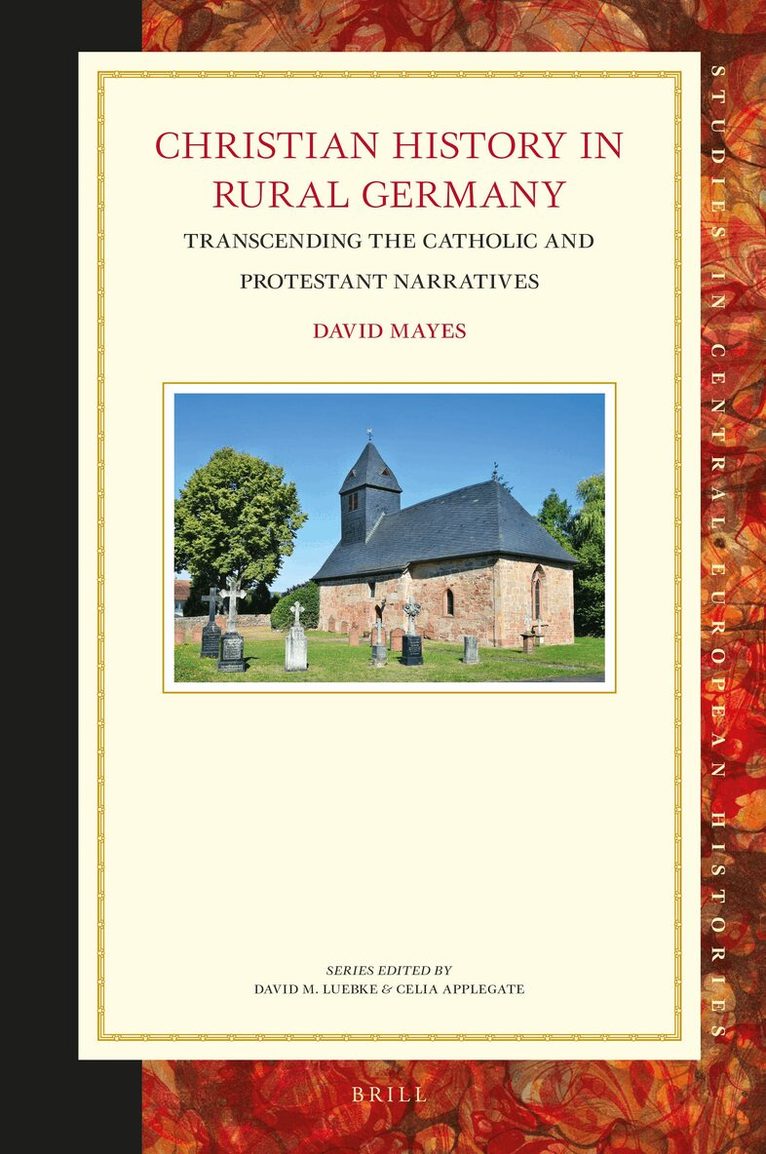
David Mayes proposes a new religious paradigm in early modern rural Germany. "e;Communal Christianity,"e; the religious practice prevalent among peasants in mid-sixteenth-century rural Upper Hesse is juxtaposed with the more formally organized "e;Confessional"e; sects (e.g. Lutheran, Calvinist). The author describes Communal Christianity's characteristics and persistence in the face of attempts at confessionalization during the period of 1576-1648 and links its success in part to the decree of the 1555 Religious Peace of Augsburg that only one confessionalized Christian sect be officially recognized in a territory. Confessional sects became marginalized, and more locally well-established peasant communes retained power. The 1648 Peace of Westphalia encouraged reconciliation of confessionalized Christian sects, paradoxically spurring the decline of Communal Christianity in certain locales.