
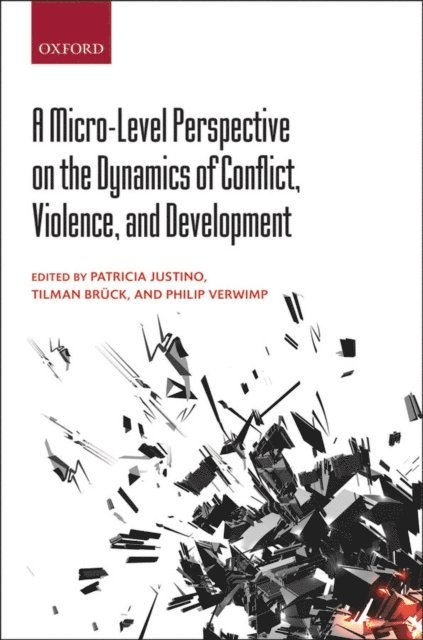
Micro-Level Perspective on the Dynamics of Conflict, Violence, and Development
Philip Verwimp, Tilman Bruck, Patricia Justino
E-bok
20131 509 kr
1 102 kr
Beställningsvara. Skickas inom 10-15 vardagar. Fri frakt över 249 kr.
Philip Verwimp, Tilman Bruck, Patricia Justino
1 509 kr
Patricia Justino, Tilman Bruck, Patricia Justino, Tilman Brück, Philip Verwimp
Inbunden, 2013
2 373 kr

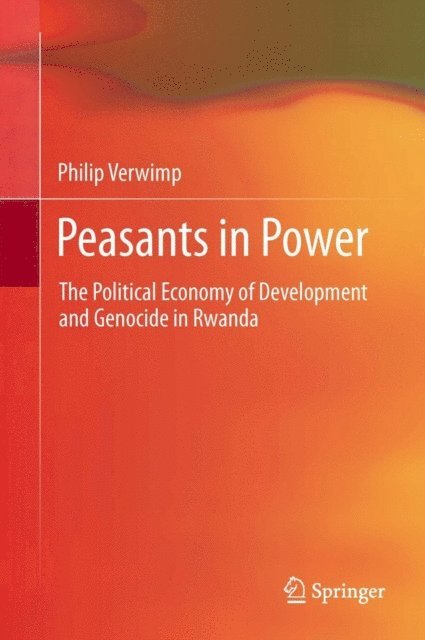
Patricia Justino, Tilman Bruck, Patricia Justino, Tilman Brück, Philip Verwimp
Inbunden, 2013
2 373 kr
Philip Verwimp, Tilman Bruck, Patricia Justino
1 509 kr




1 102 kr
Beställningsvara. Skickas inom 10-15 vardagar. Fri frakt över 249 kr.
Philip Verwimp, Tilman Bruck, Patricia Justino
1 509 kr
Patricia Justino, Tilman Bruck, Patricia Justino, Tilman Brück, Philip Verwimp
Inbunden, 2013
2 373 kr
Patricia Justino, Tilman Bruck, Patricia Justino, Tilman Brück, Philip Verwimp
Inbunden, 2013
2 373 kr
Philip Verwimp, Tilman Bruck, Patricia Justino
1 509 kr
1 102 kr
Beställningsvara. Skickas inom 10-15 vardagar. Fri frakt över 249 kr.
Philip Verwimp, Tilman Bruck, Patricia Justino
1 509 kr
Patricia Justino, Tilman Bruck, Patricia Justino, Tilman Brück, Philip Verwimp
Inbunden, 2013
2 373 kr
Patricia Justino, Tilman Bruck, Patricia Justino, Tilman Brück, Philip Verwimp
Inbunden, 2013
2 373 kr
Philip Verwimp, Tilman Bruck, Patricia Justino
1 509 kr