Philip Verwimp – författare
Visar alla böcker från författaren Philip Verwimp. Handla med fri frakt och snabb leverans.
5 produkter
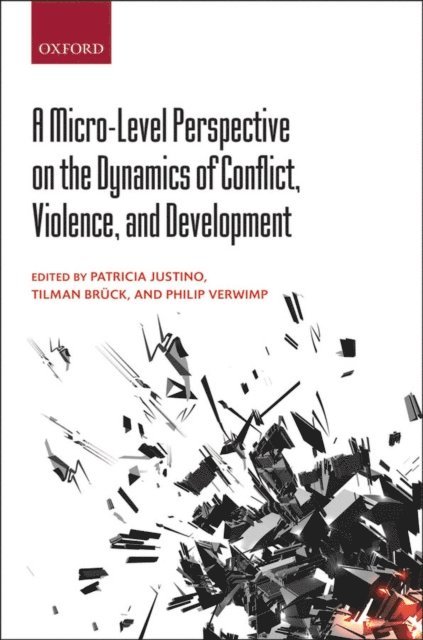
Micro-Level Perspective on the Dynamics of Conflict, Violence, and Development
Av Philip Verwimp, Tilman Bruck m. fl.
E-bok, 2013
1558 kr
Lägg i varukorg
This volume presents an innovative new analytical framework for understanding the dynamics of violent conflict and its impact on people and communities living in contexts of violence. Bringing together the findings of MICROCON, an influential five year research programme funded by the European …
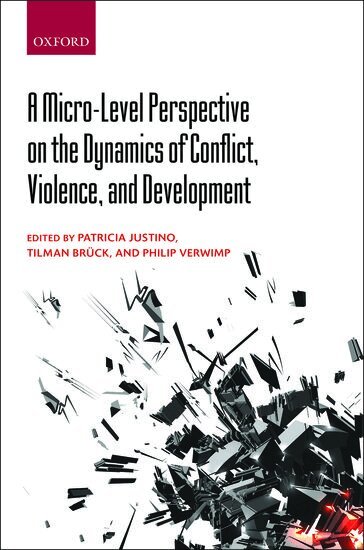
A Micro-Level Perspective on the Dynamics of Conflict, Violence, and Development
Av Patricia Justino, Tilman Bruck m. fl.
Inbunden, 2013
2444 kr
Lägg i varukorg
This volume presents an innovative new analytical framework for understanding the dynamics of violent conflict and its impact on people and communities living in contexts of violence. Bringing together the findings of MICROCON, an influential five year research programme funded by the European …
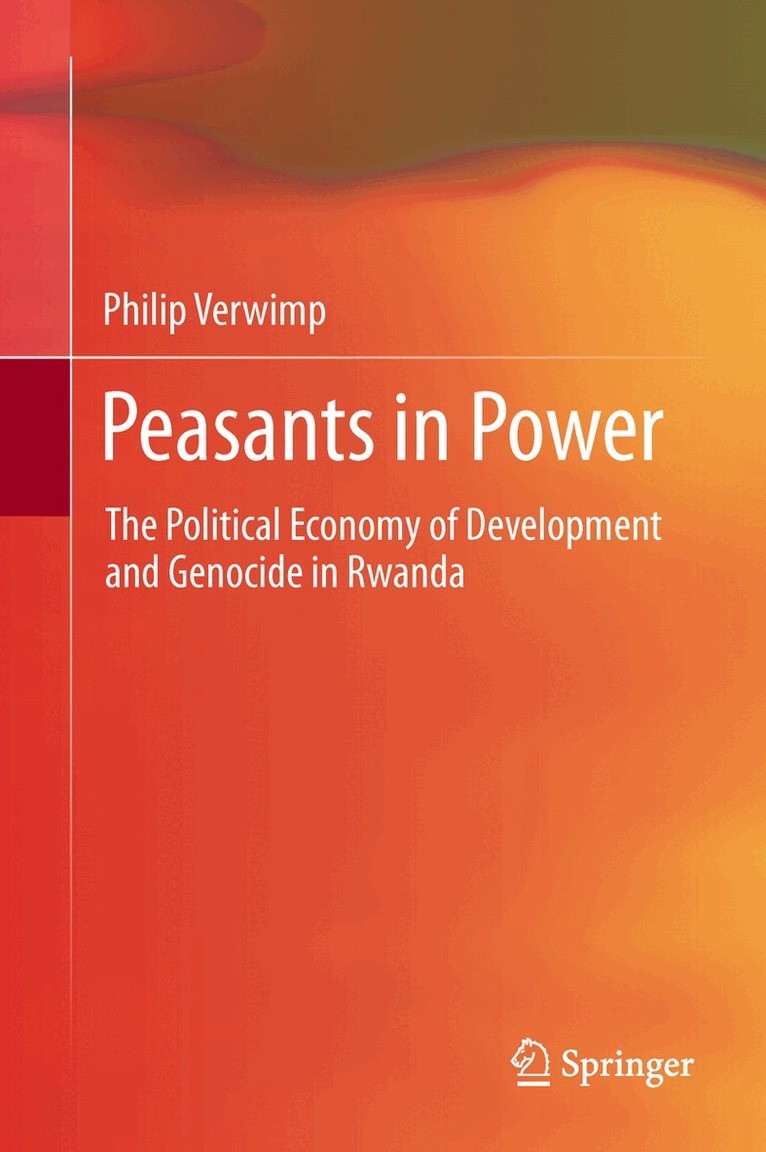
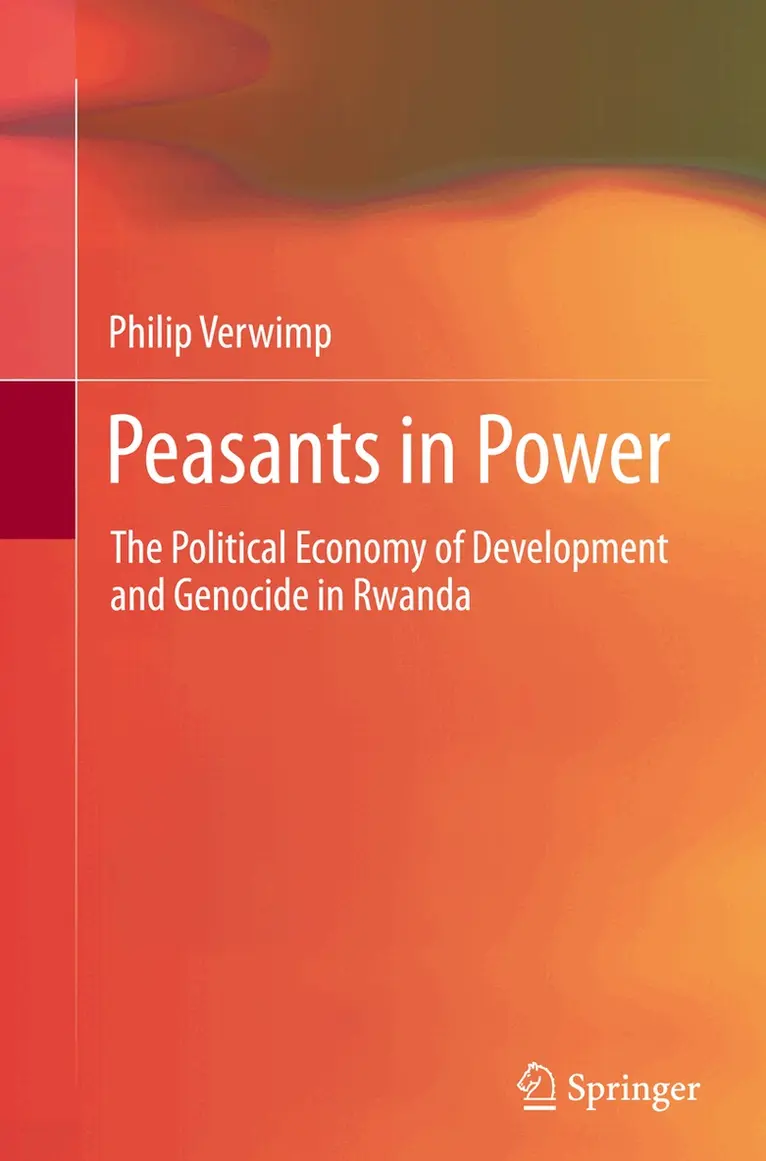
Peasants in Power
The Political Economy of Development and Genocide in Rwanda
Inbunden, 2013
1128 kr
Lägg i varukorg
This book shows how Rwanda’s development model and the organisation of genocide are two sides of the same coin. In the absence of mineral resources, the elite organised and managed the labour of peasant producers as efficient as possible. In order to stay in power and benefit from it, the …
Peasants in Power
The Political Economy of Development and Genocide in Rwanda
E-bok, 2013
1459 kr
Lägg i varukorg
This book shows how Rwanda’s development model and the organisation of genocide are two sides of the same coin. In the absence of mineral resources, the elite organised and managed the labour of peasant producers as efficient as possible. In order to stay in power and benefit from it, the …
Peasants in Power
The Political Economy of Development and Genocide in Rwanda
Häftad, 2015
1098 kr
Lägg i varukorg
This book shows how Rwanda’s development model and the organisation of genocide are two sides of the same coin. In the absence of mineral resources, the elite organised and managed the labour of peasant producers as efficient as possible. In order to stay in power and benefit from it, the …