Inbunden, Engelska, 2018
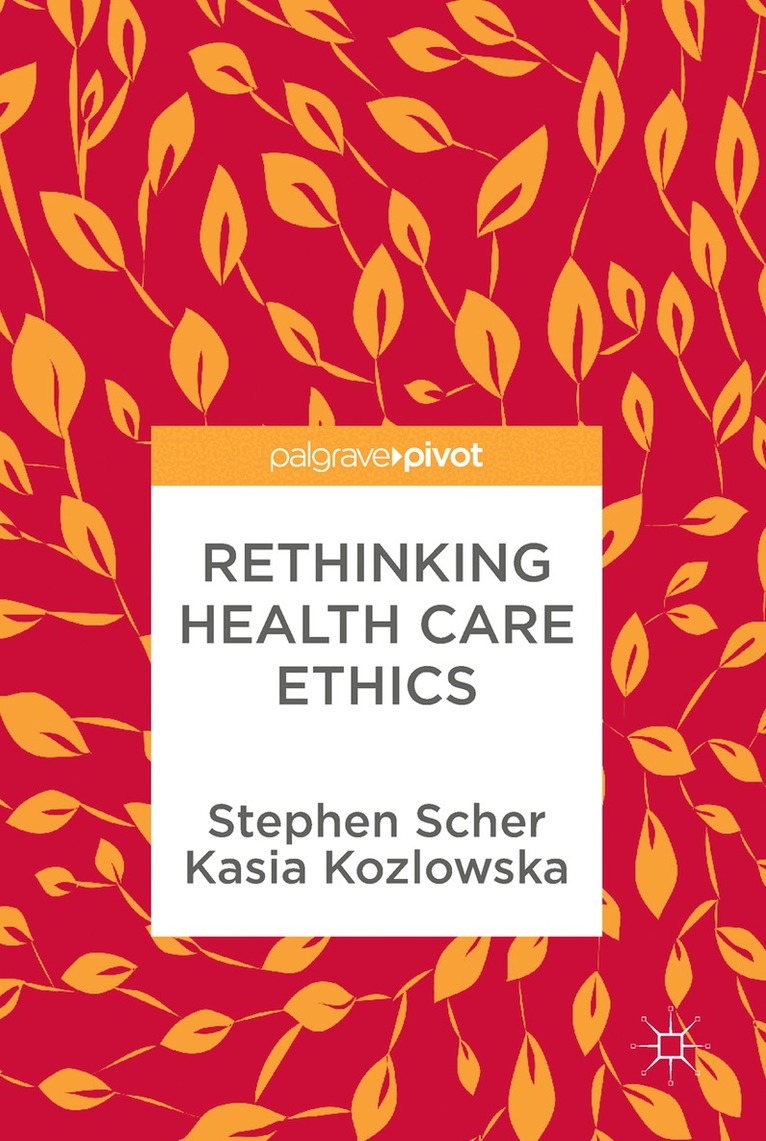
Rethinking Health Care Ethics
Av Stephen Scher, Kasia Kozlowska
312 kr
Beställningsvara. Skickas inom 10-15 vardagar. Fri frakt över 249 kr.
Beskrivning
The goal of this open access book is to develop an approach to clinical health care ethics that is more accessible to, and usable by, health professionals than the now-dominant approaches that focus, for example, on the application of ethical principles. The book elaborates the view that health professionals have the emotional and intellectual resources to discuss and address ethical issues in clinical health care without needing to rely on the expertise of bioethicists. The early chapters review the history of bioethics and explain how academics from outside health care came to dominate the field of health care ethics, both in professional schools and in clinical health care. The middle chapters elaborate a series of concepts, drawn from philosophy and the social sciences, that set the stage for developing a framework that builds upon the individual moral experience of health professionals, that explains the discontinuities between the demands of bioethics and the experience andperceptions of health professionals, and that enables the articulation of a full theory of clinical ethics with clinicians themselves as the foundation. Against that background, the first of three chapters on professional education presents a general framework for teaching clinical ethics; the second discusses how to integrate ethics into formal health care curricula; and the third addresses the opportunities for teaching available in clinical settings. The final chapter, "Empowering Clinicians", brings together the various dimensions of the argument and anticipates potential questions about the framework developed in earlier chapters.
Produktinformation
- Utgivningsdatum: 2018-08-20
- Mått: 148 x 210 x 17 mm
- Vikt: 380 g
- Format: Inbunden
- Språk: Engelska
- Antal sidor: 169
- Upplaga: 18001
- Förlag: Springer Verlag, Singapore
- ISBN: 9789811308291
Utforska kategorier
Betyg & recensioner
0 recensioner
Inga recensioner tillgängliga.