Häftad, Engelska, 2027
Monumentality
657 kr
Kommande
Beskrivning
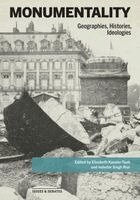
Thiscompelling volume invites readers to reimagine how monuments shape history,identity, and public space. Monumentality is explored as a dynamic andcontested idea—one that moves beyond grand buildings and enduring structuresto understand how societies remember the past and envision thefuture.Engaging scholarly essays, accompanied by focusedreflections on objects held in Getty collections, analyze the emotional,ideological, and technological dimensions of monuments by tracing theirchanging meanings across cultures and historical periods. Spanning themes ofdestruction, circulation, territorialization, and empire, the bookinvestigates topics such as the ruin aesthetic of the Paris Commune, thematerial remnants of Buddhism in India, the construction of Cold War dams,and the influence of Almohad minaret architecture. Throughout, readers willencounter the enduring effects of colonialism, modernization, and settlementson societies around the world—from nineteenth-century West Africa to postwarJapan and Guam to present-day Israel and Ukraine.Together, these studies integrate histories of art, architecture,and urban landscapes to examine the role of monuments in contemporary life.Monumentality offers freshperspectives on what we choose to honor, why the past is preserved (orforgotten), and how the complex narratives embedded in memorials or publicart condition our experience of the present.
Produktinformation
- Utgivningsdatum: 2027-01-19
- Mått: 178 x 254 x undefined mm
- Vikt: 454 g
- Format: Häftad
- Språk: Engelska
- Serie: Issues & Debates
- Antal sidor: 320
- Förlag: Getty Trust Publications
- ISBN: 9798887120676
Utforska kategorier
Betyg & recensioner
0 recensioner
Inga recensioner tillgängliga.