and Resources Commission on Geosciences, Environment – författare
1 290 kr
Skickas
1 255 kr
Skickas
1 473 kr
Skickas
779 kr
Läs direkt efter köp
In the past decade, officials responsible for clean-up of contaminated groundwater have increasingly turned to natural attenuation-essentially allowing naturally occurring processes to reduce the toxic potential of contaminants-versus engineered solutions. This saves both money and headaches. To the people in surrounding communities, though, it can appear that clean-up officials are simply walking away from contaminated sites.
When is natural attenuation the appropriate approach to a clean-up? This book presents the consensus of a diverse committee, informed by the views of researchers, regulators, and community activists. The committee reviews the likely effectiveness of natural attenuation with different classes of contaminants-and describes how to evaluate the "footprints" of natural attenuation at a site to determine whether natural processes will provide adequate clean-up. Included are recommendations for regulatory change.
The committee emphasizes the importance of the public''s belief and attitudes toward remediation and provides guidance on involving community stakeholders throughout the clean-up process.
The book explores how contamination occurs, explaining concepts and terms, and includes case studies from the Hanford nuclear site, military bases, as well as other sites. It provides historical background and important data on clean-up processes and goes on to offer critical reviews of 14 published protocols for evaluating natural attenuation.
649 kr
Läs direkt efter köp
Reducing flood damage is a complex task that requires multidisciplinary understanding of the earth sciences and civil engineering. In addressing this task the U.S. Army Corps of Engineers employs its expertise in hydrology, hydraulics, and geotechnical and structural engineering. Dams, levees, and other river-training works must be sized to local conditions; geotechnical theories and applications help ensure that structures will safely withstand potential hydraulic and seismic forces; and economic considerations must be balanced to ensure that reductions in flood damages are proportionate with project costs and associated impacts on social, economic, and environmental values.
A new National Research Council report, Risk Analysis and Uncertainty in Flood Damage Reduction Studies, reviews the Corps of Engineers'' risk-based techniques in its flood damage reduction studies and makes recommendations for improving these techniques. Areas in which the Corps has made good progress are noted, and several steps that could improve the Corps'' risk-based techniques in engineering and economics applications for flood damage reduction are identified. The report also includes recommendations for improving the federal levee certification program, for broadening the scope of flood damage reduction planning, and for improving communication of risk-based concepts.
974 kr
Läs direkt efter köp
The book examines fluid flow and transport mechanisms, noting the difficulty of modeling solute transport, and identifies geochemical and environmental tracer data as important components of the modeling process. Finally, the book recommends several areas for continued research.
584 kr
Läs direkt efter köp
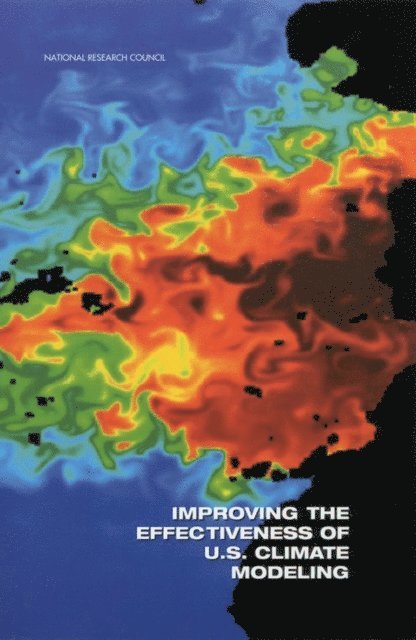
Information derived from climate modeling has become increasingly important in recent years. More and more we understand that climate variability and change impacts society and that dealing with climate-related disasters, conflicts, and opportunities requires the best possible information about the past, present, and future of the climate system. To this end, Improving the Effectiveness of U.S. Climate Modeling describes ways to improve the efficacy of the U.S. climate modeling enterprise, given the current needs and resources. It discusses enhanced and stable resources for modeling activities, focused and centralized operational activities, how to give researchers access to the best computing facilities, the creation of a common modeling and data infrastructure, and research studies on the socioeconomic aspects of climate and climate modeling.
552 kr
Läs direkt efter köp
Regulatory standards are already on the books at the the U.S. Environmental Protection Agency (EPA) to address health risks posed by inhaling tiny particles from smoke, vehicle exhaust, and other sources.
At the same time, Congress and EPA have initiated a multimillion dollar research effort to better understand the sources of these airborne particles, the levels of exposure to people, and the ways that these particles cause damage.
To provide independent guidance to the EPA, Congress asked the National Research Council to study the relevant issues. The result is a series of four reports on the particulate-matter research program. The first two books offered a conceptual framework for a national research program, identified the 10 most critical research needs, and described the recommended timing and estimated costs of such research.
This, the third volume, begins the task of assessing the progress made in implementing the research program. The National Research Council ultimately concludes that the ongoing program is appropriately addressing many of the key uncertainties. However, it also identifies a number of critical specific subjects that should be given greater attention. Research Priorities for Airborne Particulate Matter focuses on the most current and planned research projects with an eye toward the fourth and final report, which will contain an updated assessment.
276 kr
Läs direkt efter köp
The National Marine Fisheries Service (NMFS) employs many fishery scientists with diverse skills. The agency finds that the supply of fishery biologists is adequate to meet most of its demand. However, increasing demands on the agency to understand fish populations and the social and economic conditions in fishing communities have created a need for additional experts in the fields of fisheries stock assessment and social sciences.
NMFS has developed plans for meeting its anticipated staff needs in stock assessment and social sciences and asked the National Research Council (NRC) to convene a workshop to discuss the plans and suggest other actions the agency might take to ensure an adequate supply of experts in these fields. Approximately 30 individuals gathered in Woods Hole, Massachusetts on July 17, 2000 under the auspices of the NRC''s Ocean Studies Board to discuss NMFS'' plans. This document summarizes the presentations and discussions at that one-day workshop. No attempt was made to reach consensus among the participants; thus, the suggestions recorded in this summary represent the personal views of workshop participants, as summarized by NRC staff.
763 kr
Läs direkt efter köp
649 kr
Läs direkt efter köp
892 kr
Läs direkt efter köp
Congress has promoted fisheries science for over a century and its involvement in fisheries management took a great leap forward with passage of the Fisheries Conservation and Management Act of 1976. In the past decade, Congress has requested advice from the National Research Council (NRC) on both national issues (e.g., individual fishing quotas and community development quotas) and the assessments related to specific fisheries (Northeast groundfish). This report was produced, in part, in response to another congressional request, this time related to the assessments of the summer flounder stocks along the East Coast of the United States. Following the initial request, the NRC, National Marine Fisheries Service (NMFS), and congressional staff agreed to broaden the study into a more comprehensive review of marine fisheries data collection, management, and use.
519 kr
Läs direkt efter köp
Groundwater is a basic resource for humans and natural ecosystems and is one of the nation''s most important natural resources. Groundwater is pumped from wells to supply drinking water to about 130 million U.S. residents and is used in all 50 states. About 40 percent of the nation''s public water supply and much of the water used for irrigation is provided by groundwater.
Despite the importance of groundwater as one of our most precious natural resources, an organized, effective program to provide an ongoing assessment of the nation''s groundwater resources does not exist. With encouragement from the U.S. Congress, the USGS is planning for a new program of regional and national scale assessment of U.S. groundwater resources, thus helping bring new order to its various groundwater resources-related activities. The Survey''s senior scientists requested advice in regard to the design of such a program. In response, the committee undertook this study in support of developing an improved program relevant to regional and national assessment of groundwater resources.
This report is a product of the Committee on USGS Water Resources Research, which provides consensus advice on scientific, research, and programmatic issues to the Water Resources Division (WRD) of the U.S. Geological Survey (USGS). The committee is one of the groups that work under the auspices of the Water Science and Technology Board of the National Research Council (NRC). The committee considers a variety of topics that are important scientifically and programmatically to the USGS and the nation, and it issues reports when appropriate.
This report concerns the work of the WRD in science and technology relevant to assessments of groundwater resources on regional and national scales. The USGS has been conducting scientific activity relevant to groundwater resources for over 100 years and, as summarized in Appendix A, today groundwater-related work occurs throughout the WRD.
649 kr
Läs direkt efter köp
It is now becoming clear that relatively few U.S. Department of Energy (DOE) waste sites will be cleaned up to the point where they can be released for unrestricted use. "Long-term stewardship" (activities to protect human health and the environment from hazards that may remain at its sites after cessation of remediation) will be required for over 100 of the 144 waste sites under DOE control (U.S. Department of Energy, 1999). After stabilizing wastes that remain on site and containing them as well as is feasible, DOE intends to rely on stewardship for as long as hazards persist—in many cases, indefinitely. Physical containment barriers, the management systems upon which their long-term reliability depends, and institutional controls intended to prevent exposure of people and the environment to the remaining site hazards, will have to be maintained at some DOE sites for an indefinite period of time.
The Committee on Remediation of Buried and Tank Wastes finds that much regarding DOE''s intended reliance on long-term stewardship is at this point problematic. The details of long-term stewardship planning are yet to be specified, the adequacy of funding is not assured, and there is no convincing evidence that institutional controls and other stewardship measures are reliable over the long term. Scientific understanding of the factors that govern the long-term behavior of residual contaminants in the environment is not adequate. Yet, the likelihood that institutional management measures will fail at some point is relatively high, underscoring the need to assure that decisions made in the near term are based on the best available science. Improving institutional capabilities can be expected to be every bit as difficult as improving scientific and technical ones, but without improved understanding of why and how institutions succeed and fail, the follow-through necessary to assure that long-term stewardship remains effective cannot reliably be counted on to occur.
Long-Term Institutional Management of U.S. Department of Energy Legacy Waste Sites examines the capabilities and limitations of the scientific, technical, and human and institutional systems that compose the measures that DOE expects to put into place at potentially hazardous, residually contaminated sites.
617 kr
Läs direkt efter köp
This workshop report examines the capability of the forecast system to efficiently transfer weather and climate research findings into improved operational forecast capabilities. It looks in particular at the Environmental Modeling Center of the National Weather Service and environmental observational satellite programs. Using these examples, the report identifies several shortcomings in the capability to transition from research to operations. Successful transitions from R&D to operational implementation requires (1) understanding of the importance (and risks) of the transition, (2) development and maintenance of appropriate transition plans, (3) adequate resource provision, and (4) continuous feedback (in both directions) between the R&D and operational activities.
649 kr
Läs direkt efter köp
Despite our reliance on the ocean and its resources, it remains a frontier for scientific exploration and discovery. Seafloor observatories—unmanned systems of instruments, sensors, and command modules—will have power and communication capabilities to provide support for spatially distributed sensing systems and mobile platforms. Illuminating the Hidden Planet is a voyage to the bottom of the sea, advancing oceanographic science further through long time-series measurements, to discover the mysteries of the deep that have, until now, avoided scientific opportunity.
649 kr
Läs direkt efter köp
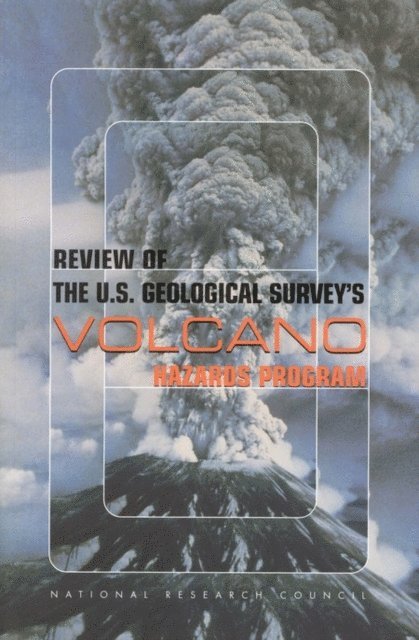
The United States has more than 65 active or potentially active volcanoes, more than those of all other countries except Indonesia and Japan. During the twentieth century, volcanic eruptions in Alaska, California, Hawaii, and Washington devastated thousands of square kilometers of land, caused substantial economic and societal disruption and, in some instances, loss of life. More than 50 U.S. volcanoes have erupted one or more times in the past 200 years. Recently, there have been major advances in our understanding of how volcanoes work. This is partly because of detailed studies of eruptions and partly because of advances in global communications, remote sensing, and interdisciplinary cooperation.
The mission of the Volcano Hazards Program (VHP) is to "lessen the harmful impacts of volcanic activity by monitoring active and potentially active volcanoes, assessing their hazards, responding to volcanic crises, and conducting research on how volcanoes work." To provide a fresh perspective and guidance to the VHP about the future of the program, the Geologic and Water Resources Divisions of the United States Geological Survey (USGS) requested that the National Research Council conduct an independent and comprehensive review.
Review of the U. S. Geological Survey''s Volcano Hazards Program is organized around the three components of hazards mitigation. Chapter 2 deals with research and hazard assessment. Chapter 3 covers monitoring and Chapter 4 discusses crisis response and other forms of outreach conducted by the VHP. Chapter 5 describes various cross-cutting programmatic issues such as staffing levels, data formats, and partnerships. Chapter 6 offers a vision for the future of the Volcano Hazards Program, and Chapter 7 summarizes the conclusions and recommendations of the preceding chapters. Throughout the report, major conclusions are printed in italics and recommendations in bold type.
The committee has written this report for several different audiences. The main audience is upper management within the USGS and the VHP. However, the committee believes that scientists within the VHP will also find the report valuable. The report is written in such a manner as to be useful to congressional staff as well.
974 kr
Läs direkt efter köp
In the three decades since the U.S. Environmental Protection Agency (EPA) was created, the agency''s scientific and technical practices and credibility have been independently assessed many times in reports from the National Research Council (NRC), EPA Science Advisory Board, General Accounting Office, and many other organizations; in congressional oversight and judicial proceedings; and in countless criticisms and lawsuits from stakeholders with interests in particular EPA regulatory decisions. As a previous independent panel put it in the 1992 report Safeguarding the Future: Credible Science, Credible Decisions, EPA''s policy and regulatory work receives a great deal of public attention, but the agency''s scientific performance typically receives a similar degree of attention only when the scientific basis for a decision is questioned. Thus, strong scientific performance is important not only to enable EPA to make informed and effective decisions, but also to gain credibility and public support for the environmental protection efforts of EPA and the nation.
This report is the fourth and final one in a series prepared by two independent expert committees convened by the NRC in response to a request from Congress and to subsequent, related requests from EPA. The Committee on Research Opportunities and Priorities for EPA—the companion committee in this study—was charged to provide an overview of significant emerging environmental issues, identify and prioritize research themes most relevant to understanding and resolving those issues, and consider the role of EPA''s research program in the context of research being conducted or supported by other organizations. That committee published an interim report in 1996 and a final report, Building a Foundation for Sound Environmental Decisions, in 1997. The Committee on Research and Peer Review in EPA was charged to evaluate research management and scientific peer-review practices in the agency. The committee published an interim report in 1995 and this final report.
892 kr
Läs direkt efter köp
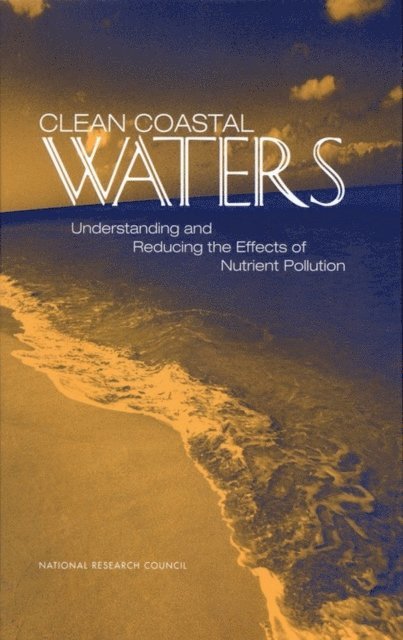
Environmental problems in coastal ecosystems can sometimes be attributed to excess nutrients flowing from upstream watersheds into estuarine settings. This nutrient over-enrichment can result in toxic algal blooms, shellfish poisoning, coral reef destruction, and other harmful outcomes. All U.S. coasts show signs of nutrient over-enrichment, and scientists predict worsening problems in the years ahead.
Clean Coastal Waters explains technical aspects of nutrient over-enrichment and proposes both immediate local action by coastal managers and a longer-term national strategy incorporating policy design, classification of affected sites, law and regulation, coordination, and communication.
Highlighting the Gulf of Mexico''s "Dead Zone," the Pfiesteria outbreak in a tributary of Chesapeake Bay, and other cases, the book explains how nutrients work in the environment, why nitrogen is important, how enrichment turns into over-enrichment, and why some environments are especially susceptible. Economic as well as ecological impacts are examined.
In addressing abatement strategies, the committee discusses the importance of monitoring sites, developing useful models of over-enrichment, and setting water quality goals. The book also reviews voluntary programs, mandatory controls, tax incentives, and other policy options for reducing the flow of nutrients from agricultural operations and other sources.
536 kr
Läs direkt efter köp
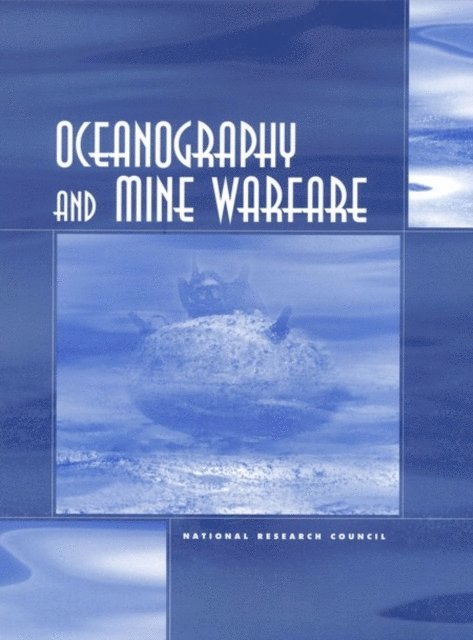
Environmental information is important for successful planning and execution of naval operations. A thorough understanding of environmental variability greatly increases the likelihood of mission success. To ensure that naval forces have the most up-to-date capabilities, the Office of Naval Research (ONR) has an extensive environmental research program. This research, to be of greatest use to the warfighter, needs to be directed towards assisting and solving battlefield problems. To increase research community understanding of the operational demands placed on naval operators and to facilitate discussion between these two groups, the National Research Council''s (NRC) Ocean Studies Board (OSB), working with ONR and the Office of the Oceanographer of the Navy, convened five previous symposia on tactical oceanography.
Oceanography and Mine Warfare examines the following issues: (1) how environmental data are used in current mine warfare doctrine, (2) current procedures for in situ collection of data, (3) the present capabilities of the Navy''s oceanographic community to provide supporting information for mine warfare operations, and (4) the ability of oceanographic research and technology developments to enhance current mine warfare capabilities. This report primarily concentrates on the importance of oceanographic data for mine countermeasures.
584 kr
Läs direkt efter köp
As appreciation of the interdisciplinary and multidimensional character of environmental issues has increased, there have been attempts to address regional needs more directly. One of these, the Regional Marine Research Program (RMRP), was established by Congress in 1990 to provide a mechanism to fund coastal marine research based on regionally-defined priorities. The RMRP legislation established a system of nine regional marine research boards around the United States. Each board was responsible for planning marine research to address issues of water quality and ecosystem health on a regional scale. Although all nine regions received funding for planning activities and development of a research plan, only the Gulf of Maine RMRP received funding for program implementation. The completion of the Gulf of Maine program, in 1997, presents an opportunity to evaluate whether the process for planning and managing the Gulf of Maine research was adequate, whether the research fulfilled the goals of the program, and whether this experience should serve as a model for similar regional programs elsewhere.
Bridging Boundaries through Regional Marine Research is a study of the RMRP, with a specific review of the Gulf of Maine program as well as an assessment of other modesl for regional marine research. This report assesses the need for regional marine research,reviews processes by which regional marine research needs can be defined, and discusses existing programs for regional marine research in the United States. It also identifies short- and long-term approaches that might be taken by NOAA.
519 kr
Läs direkt efter köp
A major objective of the International Space Station is learning how to cope with the inherent risks of human spaceflight—how to live and work in space for extended periods. The construction of the station itself provides the first opportunity for doing so. Prominent among the challenges associated with ISS construction is the large amount of time that astronauts will be spending doing extravehicular activity (EVA), or "space walks." EVAs from the space shuttle have been extraordinarily successful, most notably the on-orbit repair of the Hubble Space Telescope. But the number of hours of EVA for ISS construction exceeds that of the Hubble repair mission by orders of magnitude. Furthermore, the ISS orbit has nearly twice the inclination to Earth''s equator as Hubble''s orbit, so it spends part of every 90-minute circumnavigation at high latitudes, where Earth''s magnetic field is less effective at shielding impinging radiation. This means that astronauts sweeping through these regions will be considerably more vulnerable to dangerous doses of energetic particles from a sudden solar eruption.
Radiation and the International Space Station estimates that the likelihood of having a potentially dangerous solar event during an EVA is indeed very high. This report recommends steps that can be taken immediately, and over the next several years, to provide adequate warning so that the astronauts can be directed to take protective cover inside the ISS or shuttle. The near-term actions include programmatic and operational ways to take advantage of the multiagency assets that currently monitor and forecast space weather, and ways to improve the in situ measurements and the predictive power of current models.
714 kr
Läs direkt efter köp
Environmental indicators, such as global temperatures and pollutant concentrations, attract scientists'' attention and often make the headlines. Equally important to policymaking are indicators of the ecological processes and conditions that yield food, fiber, building materials and ecological "services" such as water purification and recreation.
This book identifies ecological indicators that can support U.S. policymaking and also be adapted to decisions at the regional and local levels. The committee describes indicators of land cover and productivity, species diversity, and other key ecological processes—explaining why each indicator is useful, what models support the indicator, what the measured values will mean, how the relevant data are gathered, how data collection might be improved, and what effects emerging technologies are likely to have on the measurements.
The committee reviews how it arrived at its recommendations and explores how the indicators can contribute to policymaking. Also included are interesting details on paleoecology, satellite imagery, species diversity, and other aspects of ecological assessment.
Federal, state, and local decision-makers, as well as environmental scientists and practitioners, will be especially interested in this new book.
892 kr
Läs direkt efter köp
In 1997, New York City adopted a mammoth watershed agreement to protect its drinking water and avoid filtration of its large upstate surface water supply. Shortly thereafter, the NRC began an analysis of the agreement''s scientific validity.
The resulting book finds New York City''s watershed agreement to be a good template for proactive watershed management that, if properly implemented, will maintain high water quality. However, it cautions that the agreement is not a guarantee of permanent filtration avoidance because of changing regulations, uncertainties regarding pollution sources, advances in treatment technologies, and natural variations in watershed conditions.
The book recommends that New York City place its highest priority on pathogenic microorganisms in the watershed and direct its resources toward improving methods for detecting pathogens, understanding pathogen transport and fate, and demonstrating that best management practices will remove pathogens. Other recommendations, which are broadly applicable to surface water supplies across the country, target buffer zones, stormwater management, water quality monitoring, and effluent trading.
1 055 kr
Läs direkt efter köp
Most U.S. fish stocks are fully or over-exploited, and harvesting in many fisheries far exceeds sustainable levels. The individual fishing quota (IFQ) is a relatively new instrument under which harvesting privileges are allocated to individual fishermen—innovative yet controversial for its feared effect on fishing communities and individual fishermen.
Based on testimony from fishermen, regulators, environmentalists, and others, Sharing the Fish explores how IFQs might address the serious social, economic, and biologic issues raised by depleted fish stocks. In their approach to a national policy on IFQs, the panel makes direct recommendations to Congress, the Secretary of Commerce, the National Marine Fisheries Service, regional fishery management councils, state authorities, and others.
This book provides definitions and examples, reviews legislation and regulations, and includes lessons learned from fisheries on the U.S. East Coast and in Alaska, and in Iceland, New Zealand, and other nations. The committee discusses the public trust doctrine, management of common-pool resources, alternative and complementary approaches to the IFQ, and more.
Sharing the Fish provides straightforward answers that will be important to fishery policymakers and regulators, natural resource economists, fishery managers, environmental advocates, and concerned fishermen and their communities.
617 kr
Läs direkt efter köp
This study was undertaken in recognition of the critical role played by the Energy Resources Program (ERP) of the U.S. Geological Survey (USGS) in the energy future of the United States. The ERP performs fundamental research to understand the origin and recoverability of fossil energy resources and conducts assessments of their future availability. The ERP also provides information and expertise on environmental effects.
795 kr
Läs direkt efter köp
During recent years, large-scale investigations into global climate change and other highly visible issues have taken the lion''s share of declining research funds. At the same time, funding for basic research in such core disciplines as physical oceanography, biological oceanography, chemical oceanography, and marine geology has dwindled.
Global Ocean Science examines how the largest U.S. ocean research programs, such as the Ocean Drilling Program (ODP) and the Joint Global Ocean Flux Study (JGOFS), have significantly contributed to our understanding of the oceans. The book examines the impact of these programs on research, education, and collegiality within this diverse scientific community and offers recommendations to help ensure a vital future for ocean science, including:
Specific results of the programs such as data collected, conceptual breakthroughs, information published, demonstrable use of program products, incorporation of new knowledge into education, and contribution to policymaking and decisionmaking by federal agencies.Mechanisms for efficiently identifying knowledge gaps and research questions, strategic planning of research programs, managing competitive proposals, securing needed resources, and more.This practical book will be welcomed by ocean investigators, users of oceanographic research findings, policymakers, administrators, educators, and students.
714 kr
Läs direkt efter köp
Fluctuations and declines in marine fish populations have caused growing concern among marine scientists, fisheries managers, commercial and recreational fishers, and the public.
Sustaining Marine Fisheries explores the nature of marine ecosystems and the complex interacting factors that shape their productivity. The book documents the condition of marine fisheries today, highlighting species and geographic areas that are under particular stress. Challenges to achieving sustainability are discussed, and shortcomings of existing fisheries management and regulation are examined. The volume calls for fisheries management to adopt a broader ecosystem perspective that encompasses all relevant environmental and human influences.
Sustaining Marine Fisheries offers new approaches to building workable fisheries management institutions, improving scientific data, and developing management tools. The book recommends ways to change current practices that encourage overexploitation of fish resources. It will be of special interest to marine policymakers and ecologists, fisheries regulators and managers, fisheries scientists and marine ecologists, fishers, and concerned individuals.
633 kr
Läs direkt efter köp
Just below our feet is an environment that supports our infrastructure, yields water, provides for agriculture, and receives our waste. Our capacity to describe, or characterize, this environment is crucial to the solution of many resource, environmental, and engineering problems. And just as medical imaging technologies have reduced the need for exploratory surgeries, a variety of technologies hold the promise for rapid, relatively inexpensive noninvasive characterization of the Earth''s subsurface.
Seeing into the Earth examines why noninvasive characterization is important and how improved methods can be developed and disseminated. Looking at the issues from both the commercial and public perspectives, the volume makes recommendations for linking characterization and cost savings, closing the gap between the state of science and the state of the practice, and helping practitioners make the best use of the best methods. The book provides background on:
The role of noninvasive subsurface characterization in contaminant cleanup, resource management, civil engineering, and other areas. The physical, chemical, biological, and geological properties that are characterized. Methods of characterization and prospects for technological improvement.Certain to be important for earth scientists and engineers alike, this book is also accessible to interested lay readers.
618 kr
Läs direkt efter köp
During the 1950s, with the Cold War looming, military planners sought to know more about how to keep fighting forces fit and capable in the harsh Alaskan environment. In 1956 and 1957, the U.S. Air Force''s former Arctic Aeromedical Laboratory conducted a study of the role of the thyroid in human acclimatization to cold. To measure thyroid function under various conditions, the researchers administered a radioactive medical trace, Iodine-131, to Alaska Natives and white military personnel; based on the study results, the researchers determined that the thyroid did not play a significant role in human acclimatization to cold.
When this study of thyroid function was revisited at a 1993 conference on the Cold War legacy in the Arctic, serious questions were raised about the appropriateness of the activity—whether it posed risks to the people involved and whether the research had been conducted within the bounds of accepted guidelines for research using human participants. In particular, there was concern over the relatively large proportion of Alaska Natives used as subjects and whether they understood the nature of the study. This book evaluates the research in detail, looking at both the possible health effects of Iodine-131 administration in humans and the ethics of human subjects research. This book presents conclusions and recommendations and is a significant addition to the nation''s current reevaluation of human radiation experiments conducted during the Cold War.