Michael McGeary – författare
Visar alla böcker från författaren Michael McGeary. Handla med fri frakt och snabb leverans.
20 produkter
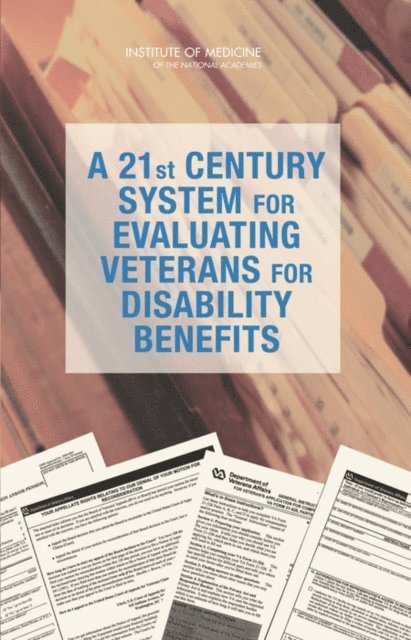
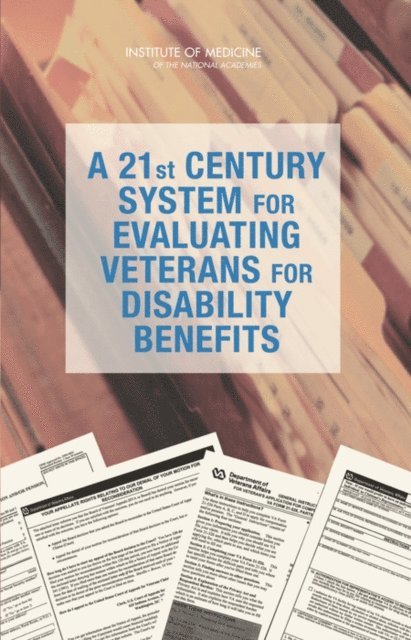
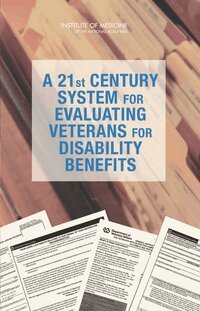
21st Century System for Evaluating Veterans for Disability Benefits
Av Committee on Medical Evaluation of Veterans for Disability Compensation, Board on Military and Veterans Health m. fl.
E-bok, 2007
1097 kr
Lägg i varukorg
21st Century System for Evaluating Veterans'' Disability Benefits recommends improvements in the medical evaluation and rating of veterans for the benefits provided by the Department of Veterans Affairs (VA) to compensate for illnesses or injuries incurred in or aggravated by military service. …
Assessing Medical Preparedness to Respond to a Terrorist Nuclear Event
Workshop Report
Av Institute of Medicine, Board on Health Sciences Policy m. fl.
Häftad, 2009
775 kr
Lägg i varukorg
A nuclear attack on a large U.S. city by terrorists--even with a low-yield improvised nuclear device (IND) of 10 kilotons or less--would cause a large number of deaths and severe injuries. The large number of injured from the detonation and radioactive fallout that would follow would be …
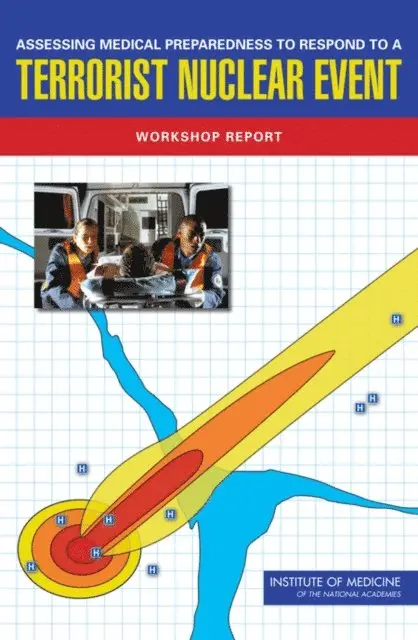
Assessing Medical Preparedness to Respond to a Terrorist Nuclear Event
Workshop Report
Av Committee on Medical Preparedness for a Terrorist Nuclear Event, Board on Health Sciences Policy m. fl.
E-bok, 2009
589 kr
Lägg i varukorg
A nuclear attack on a large U.S. city by terrorists—even with a low-yield improvised nuclear device (IND) of 10 kilotons or less—would cause a large number of deaths and severe injuries. The large number of injured from the detonation and radioactive fallout that would follow would be overwhelming …
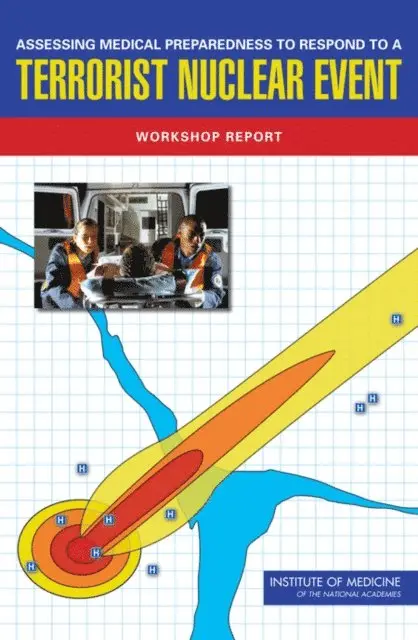
Assessing Medical Preparedness to Respond to a Terrorist Nuclear Event
Workshop Report
Av Committee on Medical Preparedness for a Terrorist Nuclear Event, Board on Health Sciences Policy m. fl.
E-bok, 2009
838 kr
Lägg i varukorg
A nuclear attack on a large U.S. city by terrorists—even with a low-yield improvised nuclear device (IND) of 10 kilotons or less—would cause a large number of deaths and severe injuries. The large number of injured from the detonation and radioactive fallout that would follow would be overwhelming …
21st Century System for Evaluating Veterans for Disability Benefits
Av Committee on Medical Evaluation of Veterans for Disability Compensation, Board on Military and Veterans Health m. fl.
E-bok, 2007
1159 kr
Lägg i varukorg
21st Century System for Evaluating Veterans'' Disability Benefits recommends improvements in the medical evaluation and rating of veterans for the benefits provided by the Department of Veterans Affairs (VA) to compensate for illnesses or injuries incurred in or aggravated by military service. …
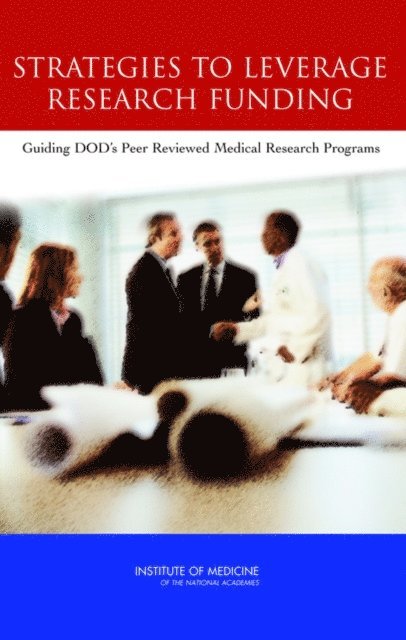
Strategies to Leverage Research Funding
Guiding DOD''s Peer Reviewed Medical Research Programs
Av Committee on Alternative Funding Strategies for DOD's Peer Reviewed Medical Research Programs, Medical Follow-Up Agency m. fl.
E-bok, 2004
820 kr
Lägg i varukorg
Since 1992 the Department of Defense (DOD), through the U.S. Army MedicalResearch and Material Command, has received congressionally earmarked appropriationsfor programs of biomedical research on prostate, breast, and ovarian cancer;neurofibromatosis; tuberous sclerosis; and other health problems. …
NIH Extramural Center Programs
Criteria for Initiation and Evaluation
Av Committee for Assessment of NIH Centers of Excellence Programs, Board on Health Sciences Policy m. fl.
E-bok, 2004
856 kr
Lägg i varukorg
Grants for research centers located in universities, medical centers, and other nonprofitresearch institutions account for about 9 percent of the National Institutes ofHealth budget. Centers are popular because they can bring visibility, focus, andincreased resources to bear on specific diseases. …
Improving the Social Security Disability Decision Process
Av Committee on Improving the Disability Decision Process: SSA's Listing of Impairments and Agency Access to Medical Expertise, Board on Military and Veterans Health m. fl.
E-bok, 2007
981 kr
Lägg i varukorg
The Social Security Administration (SSA) provides Social Security Disability Insurance (SSDI) benefits to disabled persons of less than full retirement age and to their dependents. SSA also provides Supplemental Security Income (SSI) payments to disabled persons who are under age 65. For both …
Using Human Resource Data to Track Innovation
Summary of a Workshop
Av and Economic Policy Board on Science, Technology, Policy and Global Affairs m. fl.
E-bok, 2002
428 kr
Lägg i varukorg
Despite the fact that technology is embodied in human as well as physical capital and that interactions among technically trained people are critical to innovation and technology diffusion, data on scientists, engineers and other professionals have not been adequately exploited to illuminate the …
Using Human Resource Data to Track Innovation
Summary of a Workshop
Av and Economic Policy Board on Science, Technology, Policy and Global Affairs m. fl.
E-bok, 2002
295 kr
Lägg i varukorg
Despite the fact that technology is embodied in human as well as physical capital and that interactions among technically trained people are critical to innovation and technology diffusion, data on scientists, engineers and other professionals have not been adequately exploited to illuminate the …
NIH Extramural Center Programs
Criteria for Initiation and Evaluation
Av Committee for Assessment of NIH Centers of Excellence Programs, Board on Health Sciences Policy m. fl.
E-bok, 2004
572 kr
Lägg i varukorg
Grants for research centers located in universities, medical centers, and other nonprofitresearch institutions account for about 9 percent of the National Institutes ofHealth budget. Centers are popular because they can bring visibility, focus, andincreased resources to bear on specific diseases. …
Strategies to Leverage Research Funding
Guiding DOD''s Peer Reviewed Medical Research Programs
Av Committee on Alternative Funding Strategies for DOD's Peer Reviewed Medical Research Programs, Medical Follow-Up Agency m. fl.
E-bok, 2004
580 kr
Lägg i varukorg
Since 1992 the Department of Defense (DOD), through the U.S. Army MedicalResearch and Material Command, has received congressionally earmarked appropriationsfor programs of biomedical research on prostate, breast, and ovarian cancer;neurofibromatosis; tuberous sclerosis; and other health problems. …
Improving the Social Security Disability Decision Process
Av Committee on Improving the Disability Decision Process: SSA's Listing of Impairments and Agency Access to Medical Expertise, Board on Military and Veterans Health m. fl.
E-bok, 2007
821 kr
Lägg i varukorg
The Social Security Administration (SSA) provides Social Security Disability Insurance (SSDI) benefits to disabled persons of less than full retirement age and to their dependents. SSA also provides Supplemental Security Income (SSI) payments to disabled persons who are under age 65. For both …
Hebridean Solace
My Quarter-Century Living with Cancer
Av Mairi MacBride, Michael McGeary m. fl.
Häftad, 2022
137 kr
Lägg i varukorg
Opening Up
The Making of a Surgeon
Av David Clarke, Michael McGeary
Inbunden, 2023
314 kr
Lägg i varukorg
Using Human Resource Data to Track Innovation
Summary of a Workshop
Av National Research Council, Policy and Global Affairs m. fl.
Häftad, 2002
507 kr
Tillfälligt slut
Despite the fact that technology is embodied in human as well as physical capital and that interactions among technically trained people are critical to innovation and technology diffusion, data on scientists, engineers and other professionals have not been adequately exploited to illuminate the …
NIH Extramural Center Programs
Criteria for Initiation and Evaluation
Av Institute of Medicine, Board on Health Sciences Policy m. fl.
Häftad, 2004
795 kr
Tillfälligt slut
Grants for research centers located in universities, medical centers, and other nonprofit research institutions account for about 9 percent of the National Institutes of Health budget. Centers are popular because they can bring visibility, focus, and increased resources to bear on specific …
Improving the Social Security Disability Decision Process
Av Institute of Medicine, Board on Military and Veterans Health m. fl.
Häftad, 2007
863 kr
Tillfälligt slut
The Social Security Administration (SSA) provides Social Security Disability Insurance (SSDI) benefits to disabled persons of less than full retirement age and to their dependents. SSA also provides Supplemental Security Income (SSI) payments to disabled persons who are under age 65. For both …
21st Century System for Evaluating Veterans for Disability Benefits
Av Institute of Medicine, Board on Military and Veterans Health m. fl.
Häftad, 2007
1014 kr
Tillfälligt slut
21st Century System for Evaluating Veterans' Disability Benefits recommends improvements in the medical evaluation and rating of veterans for the benefits provided by the Department of Veterans Affairs (VA) to compensate for illnesses or injuries incurred in or aggravated by military service. …