Nicholas F. Stang – författare
Visar alla böcker från författaren Nicholas F. Stang. Handla med fri frakt och snabb leverans.
6 produkter
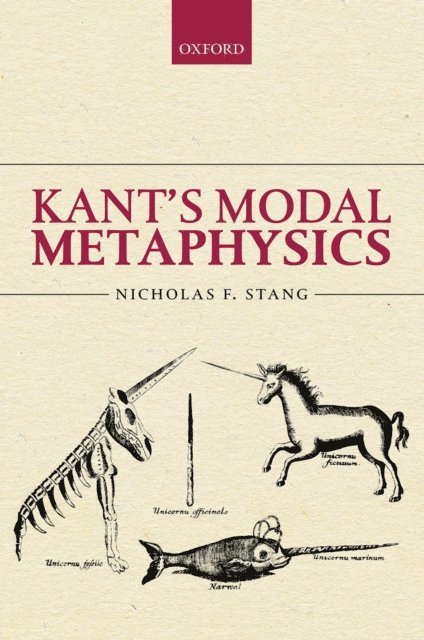
Kant's Modal Metaphysics
E-bok, 2016
1100 kr
Lägg i varukorg
What is possible and why? What is the difference between the merely possible and the actual? In Kants Modal Metaphysics Nicholas Stang examines Kants lifelong engagement with these questions and their role in his philosophical development. This is the first book to trace Kants theory of possibility …
Sensible and Intelligible Worlds
New Essays on Kant's Metaphysics and Epistemology
Av Nicholas F. Stang, Karl Schafer
E-bok, 2022
1503 kr
Lägg i varukorg
The Sensible and Intelligible Worlds represents a new wave of interest in ''the metaphysical Kant''. In recent decades Kant scholars have increasingly become skeptical of interpreting Kant as a philosopher who wished to truly "leave metaphysics behind". The contributors to this volume share a …
Sensible and Intelligible Worlds
New Essays on Kant's Metaphysics and Epistemology
Av Nicholas F. Stang, Karl Schafer
E-bok, 2022
1503 kr
Lägg i varukorg
The Sensible and Intelligible Worlds represents a new wave of interest in ''the metaphysical Kant''. In recent decades Kant scholars have increasingly become skeptical of interpreting Kant as a philosopher who wished to truly "leave metaphysics behind". The contributors to this volume share a …
Kant's Modal Metaphysics
Inbunden, 2016
1591 kr
Lägg i varukorg
What is possible and why? What is the difference between the merely possible and the actual? In Kants Modal Metaphysics Nicholas Stang examines Kants lifelong engagement with these questions and their role in his philosophical development. This is the first book to trace Kants theory of possibility …
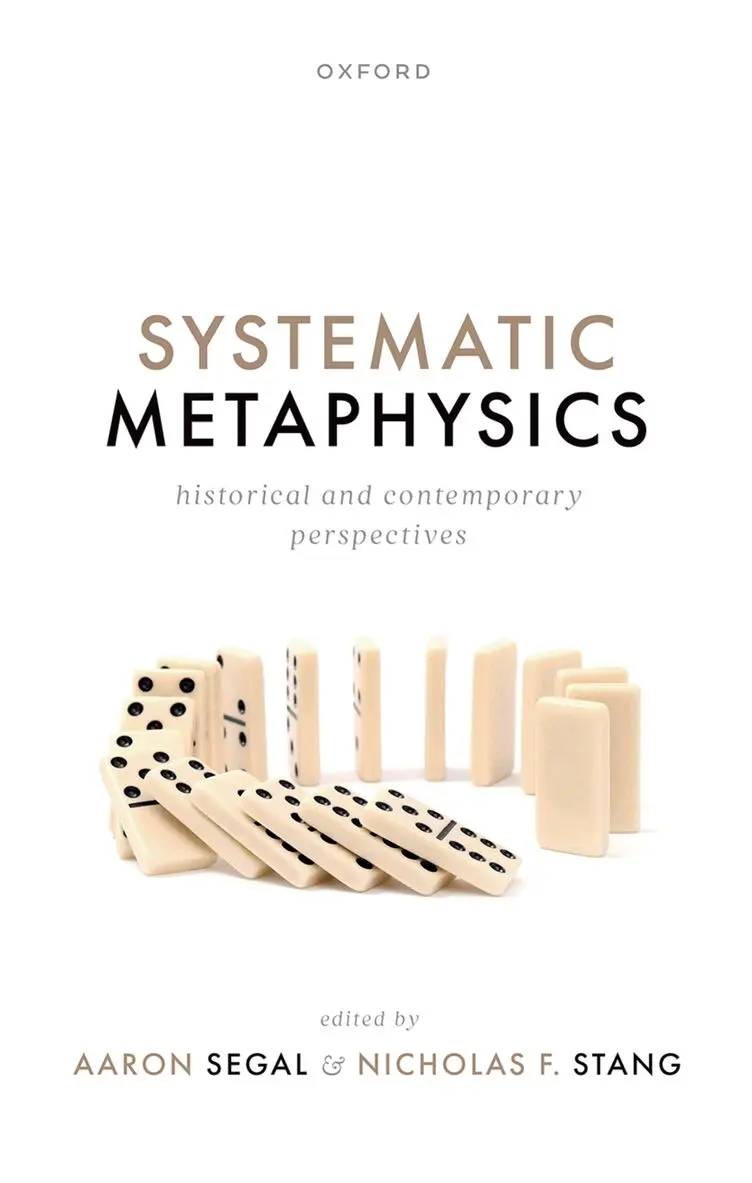
Systematic Metaphysics
Historical and Contemporary Perspectives
Av Aaron Segal, Nicholas F. Stang
Inbunden, 2026
1262 kr
Lägg i varukorg
Contemporary metaphysics is most commonly approached in a piecemeal fashion, not systematically. Even those philosophers who end up with a metaphysical system tend to tackle issues one at a time, and do not presume that doing metaphysics systematically is a pre-condition for doing metaphysics. But …
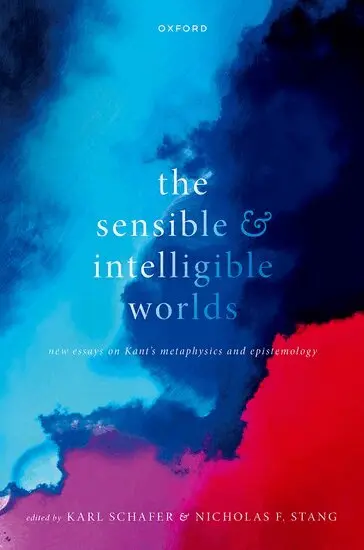
The Sensible and Intelligible Worlds
New Essays on Kant's Metaphysics and Epistemology
Av Karl Schafer, Karl Schafer m. fl.
Inbunden, 2022
1682 kr
Lägg i varukorg
The Sensible and Intelligible Worlds represents a new wave of interest in 'the metaphysical Kant'. In recent decades Kant scholars have increasingly become skeptical of interpreting Kant as a philosopher who wished to truly "leave metaphysics behind". The contributors to this volume share a common …