A Potted History - Böcker
Visar alla böcker i serien A Potted History. Handla med fri frakt och snabb leverans.
26 produkter
26 produkter
178 kr
Kommande
An accessible history of Gloucester from prehistory to the present day highlighting the city's significant events and people.
175 kr
Tillfälligt slut
The Staffordshire city of Lichfield has a wealth of history, much of which is reflected in its many historic buildings and landmarks. Famous as the birthplace of the esteemed writer Dr Samuel Johnson, other notable people who lived in the city were the eighteenth-century actor and playwright David Garrick and Erasmus Darwin, the grandfather of Charles Darwin.In Lichfield: A Potted History, author and local tour guide Teresa Gilmore takes readers on a fascinating exploration of the city’s history through the centuries. What was there before the city was established in the seventh century with the arrival of St Chad? Why did he choose this location? Why was it so heavily contested over during the English Civil War? And how did it grow and develop into the thriving, modern cathedral city we have today? Answers to these questions, and many more, can be found within these pages.Illustrated throughout, this engaging and informative portrait will be of great interest to residents, visitors and all those with links to the city.
178 kr
Skickas
Whitby has a fascinating history, changing roles over the centuries from a religious centre to one of the country’s most important ports and later a resort. The king of Northumbria founded the monastery on the headland in the seventh century and installed St Hilda as the first abbess. Although it was abandoned following attacks by Danish raiders who later settled in the area, the abbey was re-established by the Normans. Following Henry VIII’s Dissolution of the Monasteries, the harbour and new industries were developed in Whitby, including alum mining, shipbuilding and transporting coal. Captain James Cook’s ships Endeavour and Resolution were originally Whitby colliers. Shipowners, merchants and shipbuilders settled in Whitby and built grand houses, alongside the more humble dwellings of those who worked in the port or local industries.The town was also known for its whaling fleet and the production of jet jewellery. From the eighteenth century the town began to be developed as a resort, with more visitors arriving in the nineteenth century when the railway was built, and today is a popular tourist destination. Through successive centuries the author looks at what has shaped Whitby’s history. Illustrated throughout, this accessible historical portrait of the transformation that Whitby has undergone through the ages will be of great interest to residents, visitors and all those with links to the town.
178 kr
Skickas
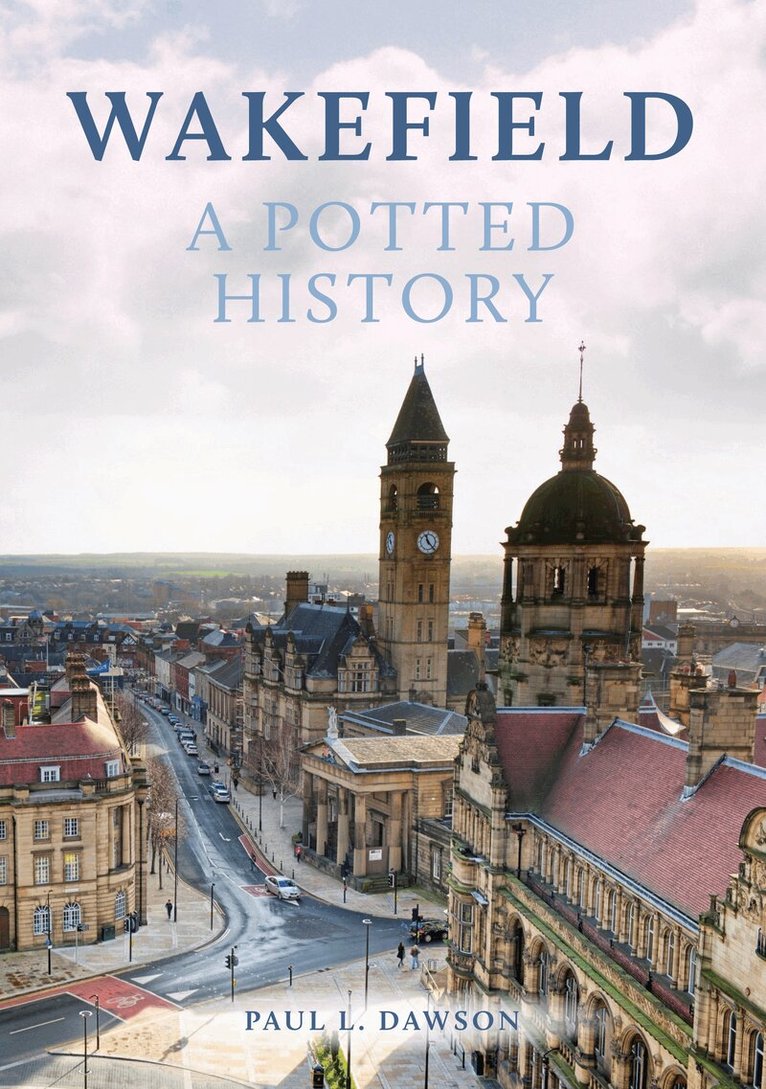
Wakefield was originally a settlement on the River Calder in West Yorkshire, first Anglo-Saxon, then Viking controlled. After the Norman Conquest, the manor passed to the de Warenne family and Wakefield grew into an important market town in the area. In the Wars of the Roses Richard, Duke of York, was killed at the Battle of Wakefield. Wakefield’s prosperity was growing as an inland port and a centre for tanning, the wool trade and coal mining. By the Industrial Revolution, Wakefield was a wealthy town, benefiting from the opening of the Aire & Calder Canal, which enabled it to trade goods, particularly grain and cloth, throughout the country. Wool mills were built in the nineteenth century and Wakefield became the administrative centre in West Riding, given city status in 1888. Although many industries closed in the later decades of the twentieth century, including its extensive coalfields, the city has embarked on a programme of regeneration, which includes the new Hepworth Wakefield art gallery, named after Wakefield-born artist Barbara Hepworth.Through successive centuries the author looks at what has shaped Wakefield’s history. Illustrated throughout, this accessible historical portrait of the transformation that Wakefield has undergone through the ages will be of great interest to residents, visitors and all those with links to the city.
178 kr
Skickas
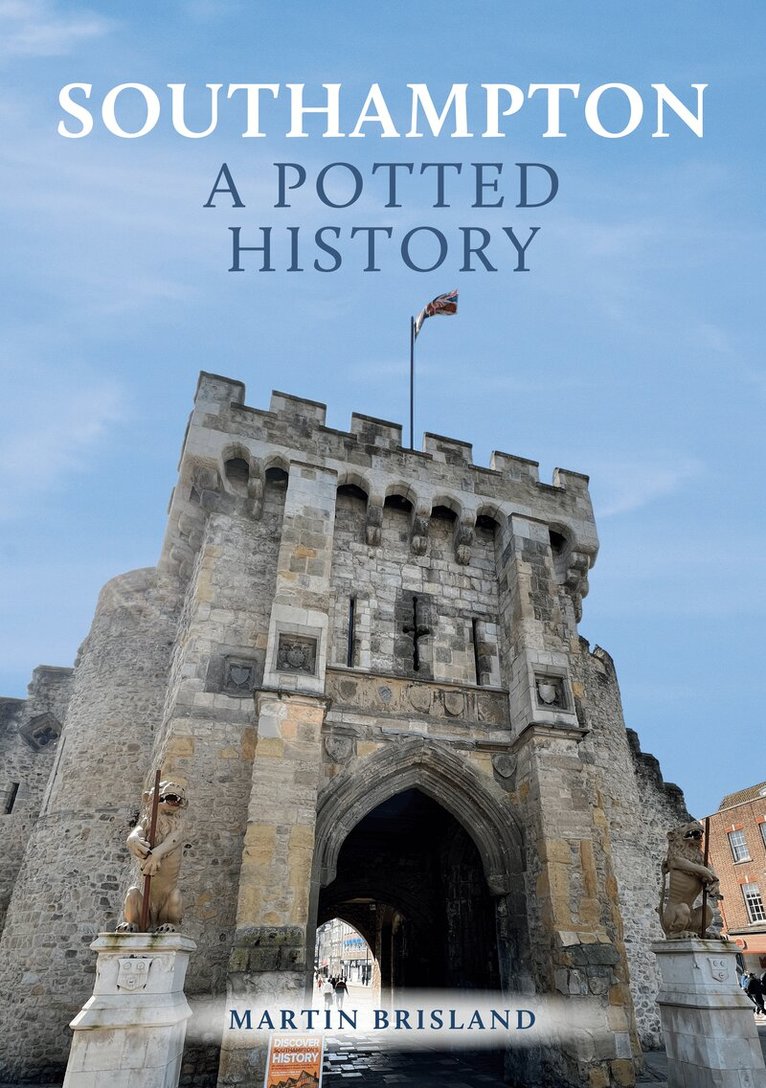
Southampton has been a major port on the south coast of England since the Norman Conquest, when it was a significant departure route for trade to Normandy, as well as for invading forces. Its position meant it was also potentially threatened by forces from abroad and extensive defences were built over the centuries, from its medieval walls to Tudor fortifications along the Solent. In the nineteenth century Southampton Docks were developed and the strategic importance of the city, as well as vital manufacturing sites such as the Supermarine Spitfire factory, meant that Southampton was heavily targeted by German aerial bombardment during the Second World War with heavy destruction of life and buildings. Today Southampton is a major commercial centre and has attracted new industries.Illustrated throughout, this accessible historical portrait of the transformation that Southampton has undergone through the ages will be of great interest to residents, visitors and all those with links to the city.
178 kr
Skickas
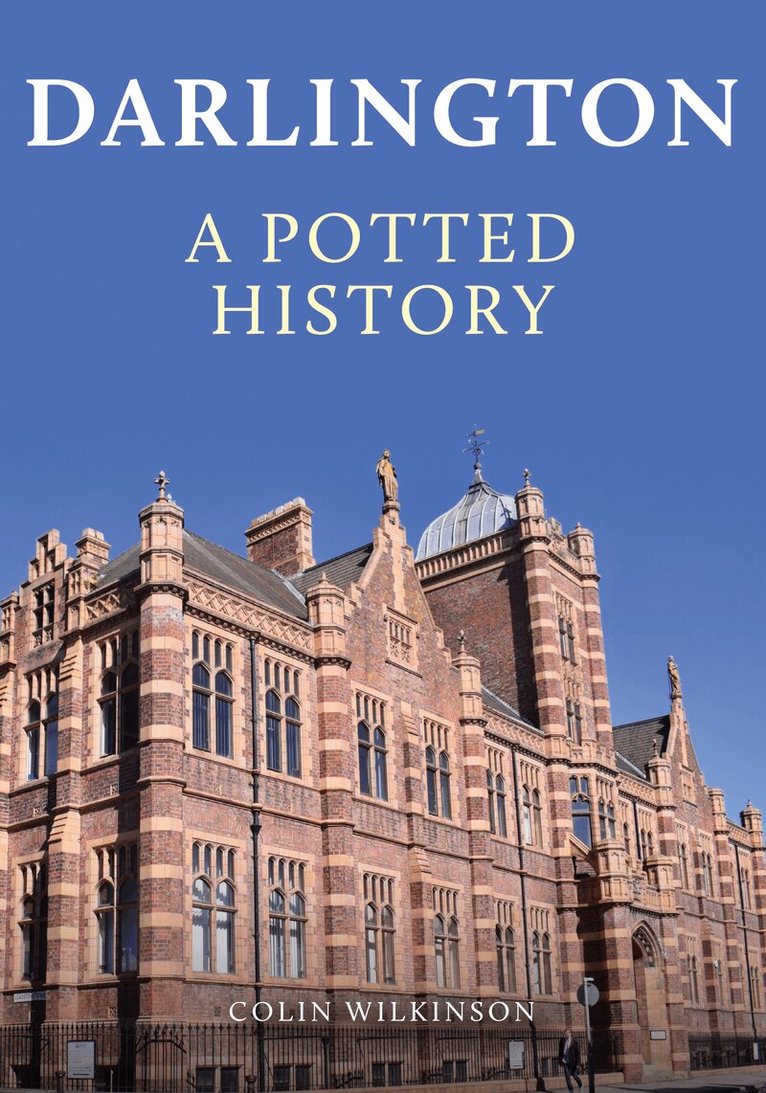
Darlington’s history is popularly seen as the story of Quakers and railways but there is much more to the town’s past than this. From its beginnings as a Saxon settlement, it became the southern stronghold of the land of the Prince Bishops, a market town, had its own Great Fire long before London, provided inns for travellers along the Great North Road, became an industrial centre and faced the twenty-first century with a diversified economy as the old heavy industries closed. Along the way, as the town grew rapidly in the nineteenth century, it was a group of Quaker Darlington businessmen who masterminded the beginnings of Britain’s railway system in the town.This book will look back over the centuries to uncover the fascinating history of the town. Stories of the town’s rebels, reformers, activists, benefactors, heroes and campaigners, England’s first black professional football player, as well as the lives of the ordinary folk, bring the history to life, together with illustrations to show where reminders of the town’s past can still be found.Illustrated throughout, this accessible historical portrait of the transformation that Darlington has undergone through the ages will be of great interest to residents, visitors and all those with links to the town.
178 kr
Skickas
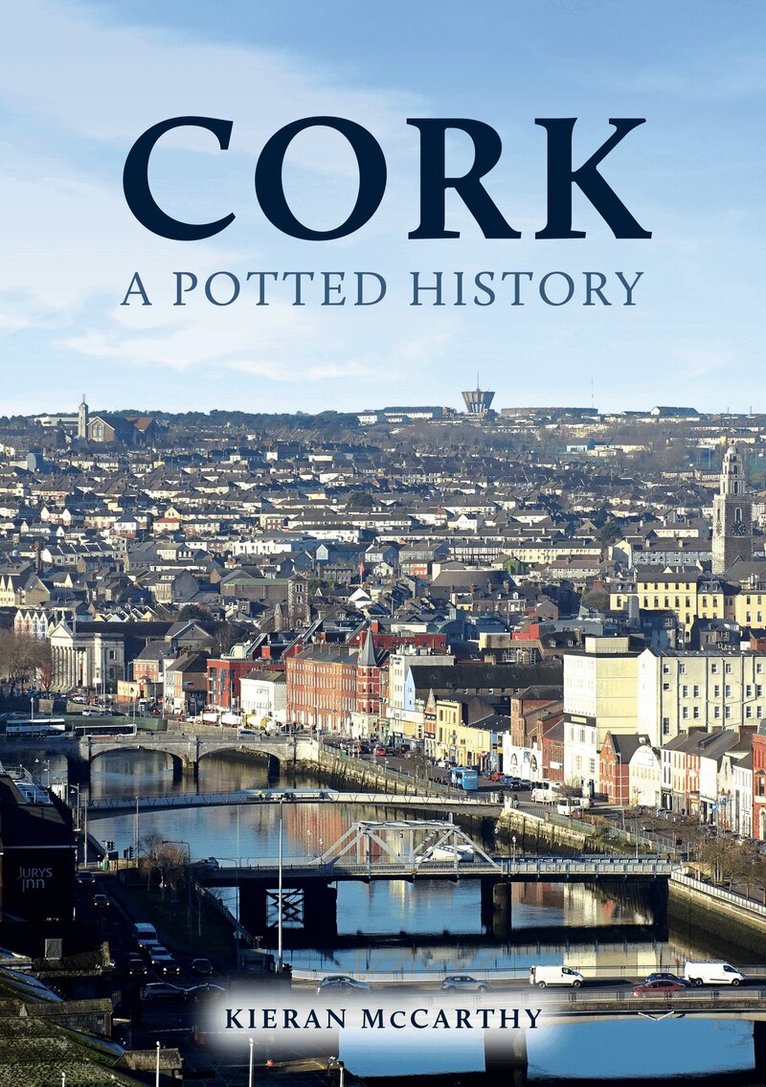
Place matters in Cork. From its marshy foundations at the lowest crossing point of the River Lee, the city spread across its steep suburban hillsides. Journeying from the south of the city to its north prospects reveals a rich range of historic spaces. The urban landscape is filled with stories about its past. Some sites one would pass and stop and contemplate whilst many others one would not give a second look. But a second and even a third look reveals some very historical nuggets about Cork’s development.Cork: A Potted History takes the viewer on a walking trail of fifty sites and takes a line from the city’s famous lake known just as The Lough across the former medieval core and ends in the historic north suburbs of Blackpool. Starting at The Lough – a Cork gem – which once hosted everything from duels to ice-skating and its own tree nursery, the trail then rambles to hidden moats, ancient hospital sites, lost meeting houses, legacies of medieval remnants, across ancient streetscapes to exploring forgotten industrial urban spaces. This book reveals the city’s lesser-known heritage and hidden urban features.
178 kr
Skickas
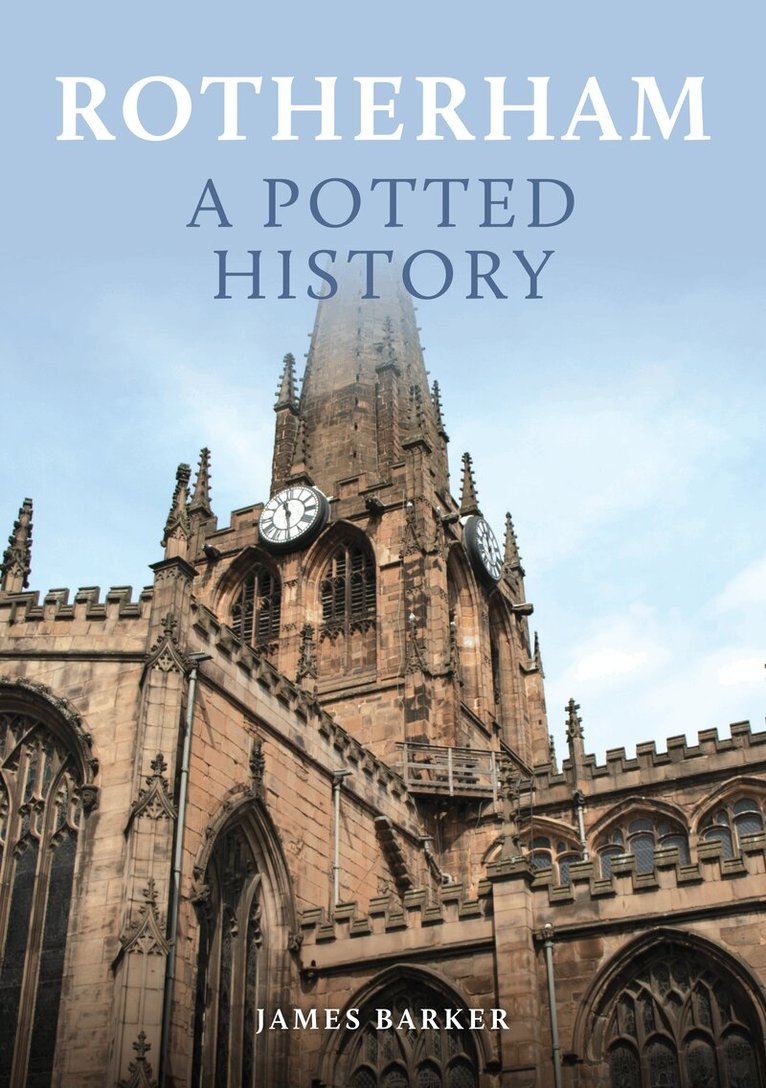
Rotherham’s history dates back to a Roman fort by the River Don, through its mining and industrial past, particularly its steelworks, to today’s busy town in Yorkshire. In the Middle Ages, much of the area around Rotherham was deer parks owned by local lords, and traditional crafts such as coppicing, charcoal burning, milling and tanning were practised by the community. Coal mining, iron production and glass-making were also local industries and these expanded enormously in the Industrial Revolution; mining from the Barnsley seam began between 1840 and 1850 and continued to expand to other coal seams in the years following. Safety standards at the time were lacking and many coal mining disasters happened in the area. The largest steelworks was Templeborough, opened in 1916 to satisfy demand in the First World War and in operation until 1993. Alongside the industrial growth in Rotherham, civic building expanded, with the first public library opening in 1728.Illustrated throughout, this accessible historical portrait of the transformation that Rotherham has undergone through the ages will be of great interest to residents, visitors and all those with links to the town.
178 kr
Skickas
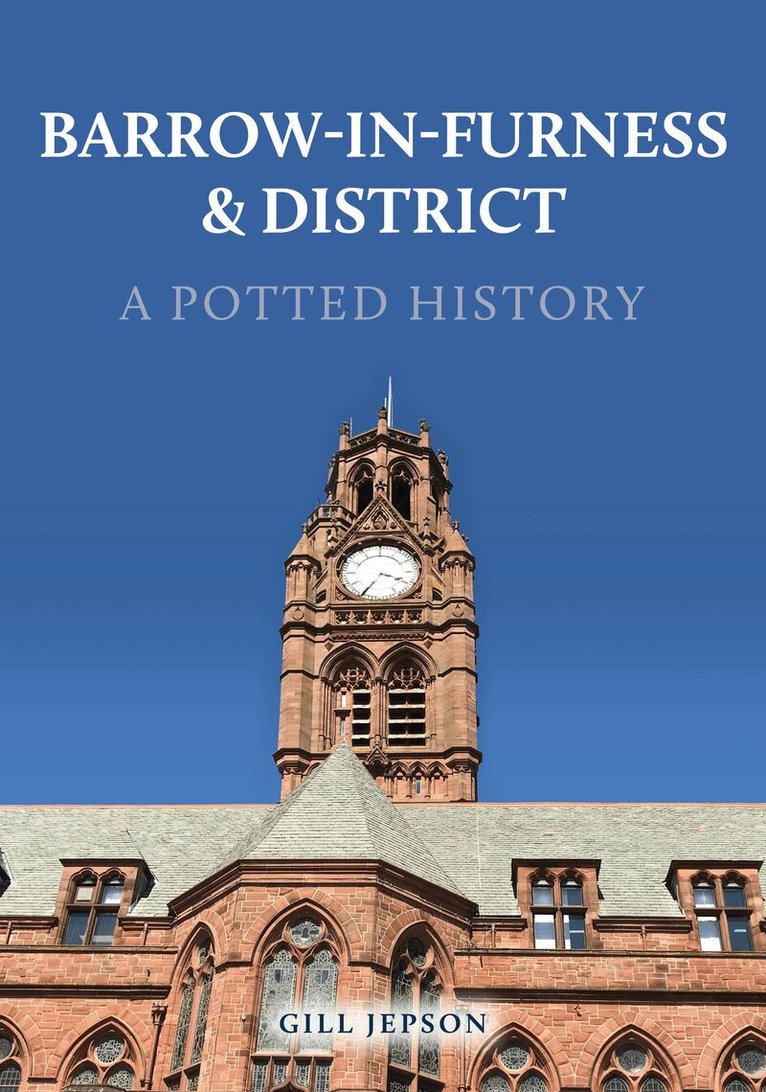
In the Middle Ages, Barrow was a small settlement close to Furness Abbey. The Furness peninsula is still a largely rural area, and Furness Abbey is now a ruin, but the town of Barrow-in-Furness grew during the Industrial Revolution to become an important steel producer and exporter, exploiting the mineral deposits in mines nearby and its position on the coast. Later it became a major manufacturer of naval vessels, best known today for building Royal Navy submarines. The monastic movement played an important part in the settlement and economy of medieval Furness, not only at Furness Abbey but also Conishead Priory, alongside the manorial system. Over the centuries the area experienced Scottish incursion and other invasions, piracy and smuggling, plague, uprisings, the Dissolution of the Monasteries, Civil War battles, the Quaker movement, the attention of Romantic writers and artists, railways and industrialisation and the effect of both World Wars.Illustrated throughout, this accessible historical portrait of the transformation that Barrow and the surrounding area has undergone through the ages will be of great interest to residents, visitors and all those with links to the area.
178 kr
Skickas
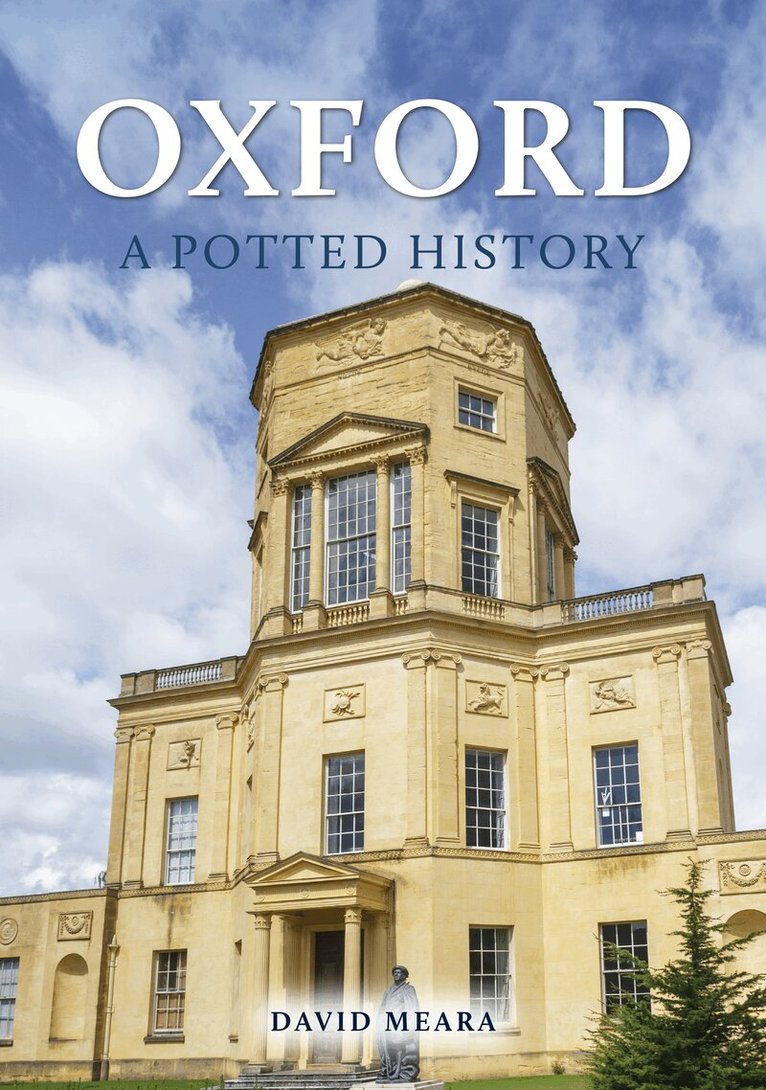
Oxford’s history begins with the story of a king’s daughter, Frideswide, who founded a nunnery in the meadows where the River Thames and River Cherwell meet. A settlement grew up around her shrine, which was built on the site of the present cathedral and it was also a good place for cattle to cross, hence the name ‘Ox-Ford’. A Norman castle was built after the Conquest, and students were first attracted there in the reign of Henry I. The town and university continued to grow through the ravages of the Black Death, and in the Civil War became the home of Charles I’s royal court. The pioneering Radcliffe Observatory was built in the eighteenth century and over the next couple of centuries industrialisation came to Oxford with the canal and railway network, printing and publishing, car manufacturing and brewing among other industries, and suburbs were built to house the working population. Today, alongside its universities, its role as a technological and medical hub is demonstrated by its development of the Oxford-AstraZeneca Covid-19 vaccine, but it is also home to the Oxford Committee for Famine Relief, founded in 1942, which opened its first Oxfam shop in 1949. The shop is still there on Broad Street today.This book will look back over the centuries to uncover the fascinating history of the city. This accessible historical portrait of the transformation that Oxford has undergone through the ages will be of great interest to residents, visitors and all those with links to the city.
178 kr
Skickas
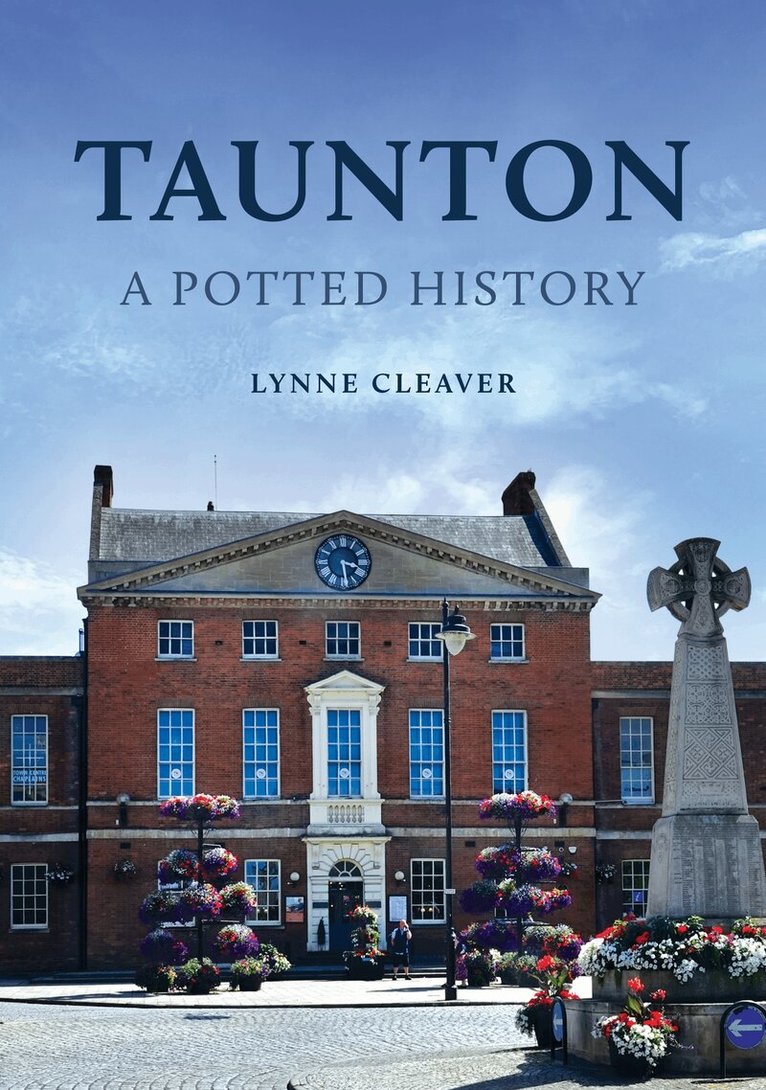
Taunton’s history goes back to Anglo-Saxon times, when it was an important burh and the site of a monastery. The manor was owned by the bishops of Winchester and in the thirteenth century the borough of Taunton became the county town of Somerset. The town and its castle were fought over in the Civil War, changing hands several times, and it was also in Taunton that the Duke of Monmouth crowned himself king in his rebellion in 1685. Judge Jeffreys held a session of the Bloody Assizes in Taunton Castle following the crushing of the rebellion. Taunton entered a period of prosperity in the Georgian era, boosted in the next century by the arrival of the canal system and the railways. Industry came into the town, mainly along the river. Housing increased, and so did the need for infrastructure and the Shire Hall, courts, churches, hospitals, schools and leisure facilities were built, including today’s Brewhouse Theatre and County Cricket Ground. Taunton was granted the status of a Garden Town in 2017 and plans are evolving to extend its housing and develop its spaces into a town fit for the twenty-first century.Illustrated throughout, this accessible historical portrait of the transformation that Taunton has undergone through the ages will be of great interest to residents, visitors and all those with links to the town.
178 kr
Skickas inom 11-20 vardagar
Bicester: A Potted History covers the full history of the town, from the Roman settlement of Alchester that preceded it, through its Saxon, Tudor and Victorian developments, right up to the present day. Some of Bicester’s ancient history remains today. The parish church dedicated to the Saxon Saint Edburg has around 900 years of history, and a priory was also founded in the town in the twelfth century. In recent decades Bicester has seen many new housing developments and expansions, bringing new people to the town. The historic heart of Bicester has remained, but new developments around the edge of the town continue to expand its horizons.Illustrated throughout, this accessible historic portrait of the transformation that Bicester has undergone through the ages will be of great interest to residents, visitors and all those with links to the town.
178 kr
Skickas
From 1100 Lynn’s prominence as an English port town depended on an extensive hinterland embraced by the Great Ouse river system. This privileged geographical position was reinforced by its location on England’s east coast, facing Europe across the North Sea. The Wash haven experienced relative decline after 1750 due to the absence of an expanding industrial hinterland; however, Lynn’s international and coastal trades (grain, coal, timber and wine) remained considerable into the nineteenth century. The coming of the railways in the 1840s robbed the Norfolk town of its geographical advantages. It was rescued by the construction of two enclosed docks linked to the national railway network which sparked an industrial revolution led by engineering factories. The town’s population was growing by 1900, but Lynn’s late Victorian economic growth was not sustained into the 1920s and 1930s. The council sealed an overspill agreement with the Greater London Council in 1962, which heralded a second industrial revolution. Suburban industrial and housing estates were built, though parts of the historic town were also redeveloped. Yet Lynn retains an exceptional historic built environment which connects us with what was for centuries a premier English maritime community.Illustrated throughout, this accessible historical portrait of the transformation that King’s Lynn has undergone through the ages will be of great interest to residents, visitors and all those with links to the town.
178 kr
Skickas
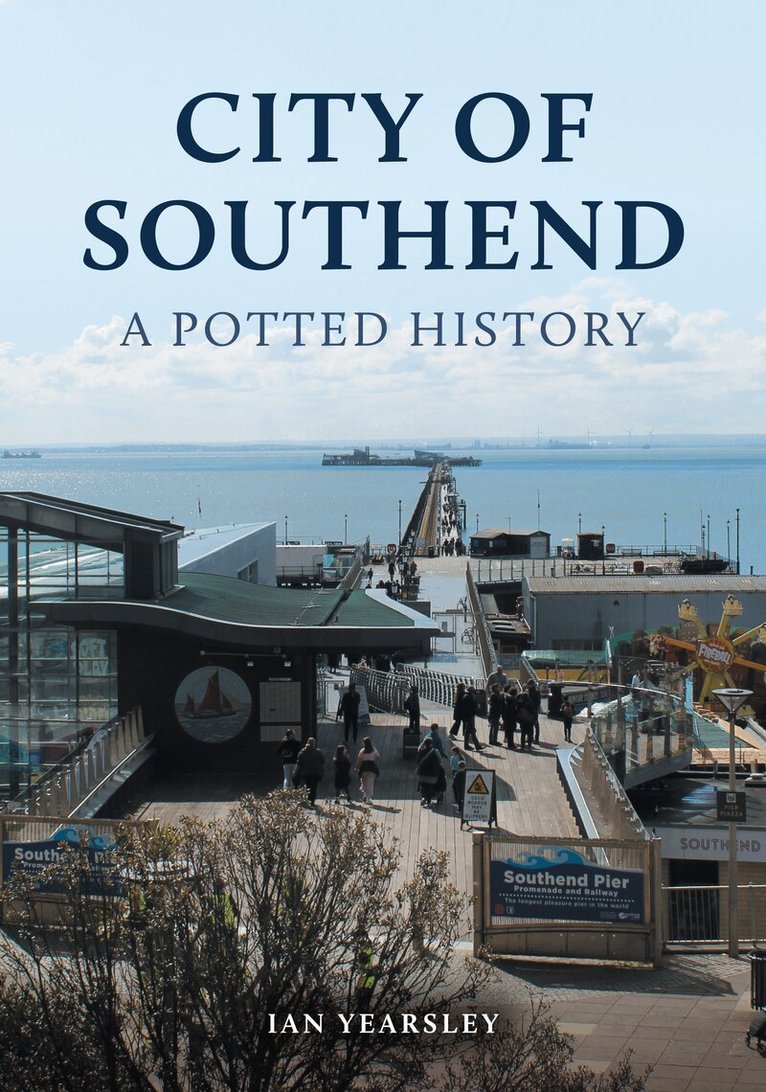
The modern city of Southend-on-Sea has come a long way since its eighteenth-century origins as an oyster fishing hamlet at the south end of Prittlewell parish. Now Southend is a regional employment, shopping and educational centre, attracting 6.5 million visitors a year and housing 180,000 permanent residents. The construction of the Royal Hotel in the 1790s began Southend’s transformation into a resort, but it was the arrival of the railway in 1856 that was the real catalyst for growth. The town’s boundaries expanded three times: in the 1890s, 1910s and 1930s. During the Second World War, Southend played a key part in the defence of London and in the organisation of merchant shipping convoys. By the 1950s and 1960s the town was known far and wide as a mecca for leisure and entertainment. The awarding of city status in 2021, following the senseless murder of Southend West MP Sir David Amess, who had long campaigned for it, was bittersweet but it was also the latest symbol of how Southend has grown.Illustrated throughout, this accessible historical portrait of the transformation that Southend has undergone through the ages will be of great interest to residents, visitors and all those with links to the city.
178 kr
Skickas
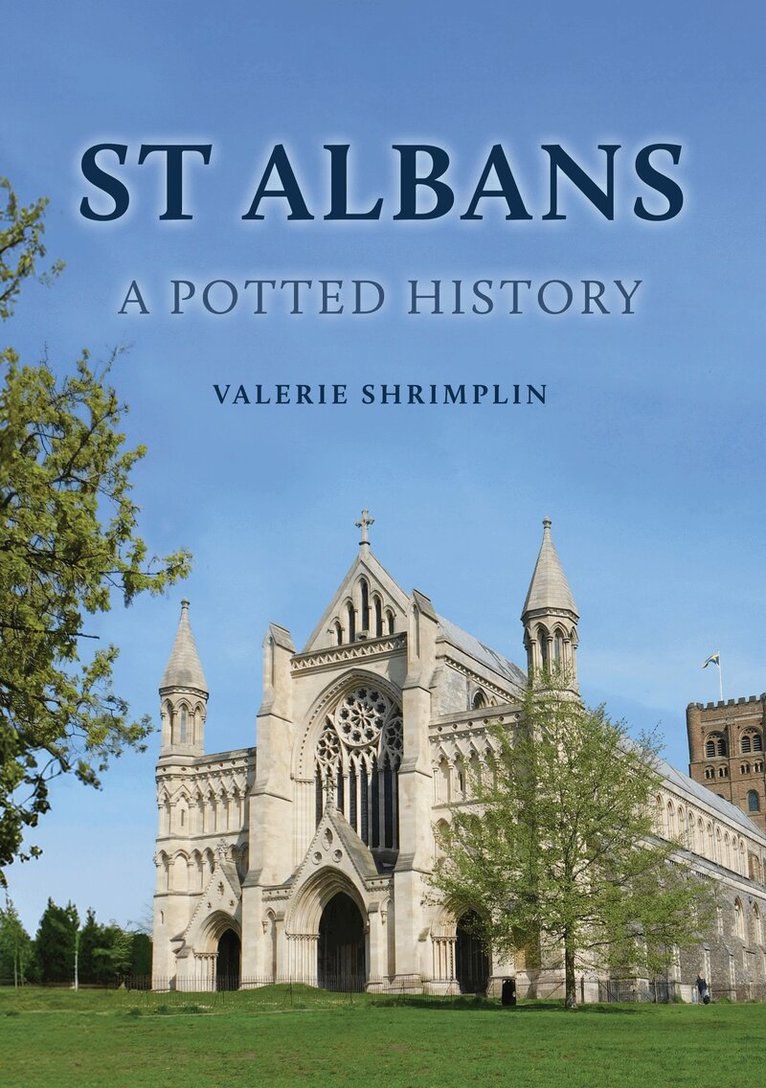
St Albans has an incredibly varied history and has been directly involved in major historical trends and events in Britain from the Romans to the present day. Under the Romans, Verulamium became the second largest town in Britain. The first British Christian saint, Alban, was martyred there and the Anglo-Saxon abbey built on the site became the principal medieval abbey in the country. The Dissolution of the Monasteries under Henry VIII changed the economy of the town and the landscape changed still further during the Industrial Revolution, the town becoming a city in Queen Victoria’s reign. New industries came and went, including the film industry, and today St Albans is moving towards a post-industrialist world, like much of Britain. In so many ways, the history of St Albans is both a microcosm of the history of Britain and also the story of a unique place.Illustrated throughout, this accessible historical portrait of the transformation that St Albans has undergone through the ages will be of great interest to residents, visitors and all those with links to the city.
178 kr
Skickas
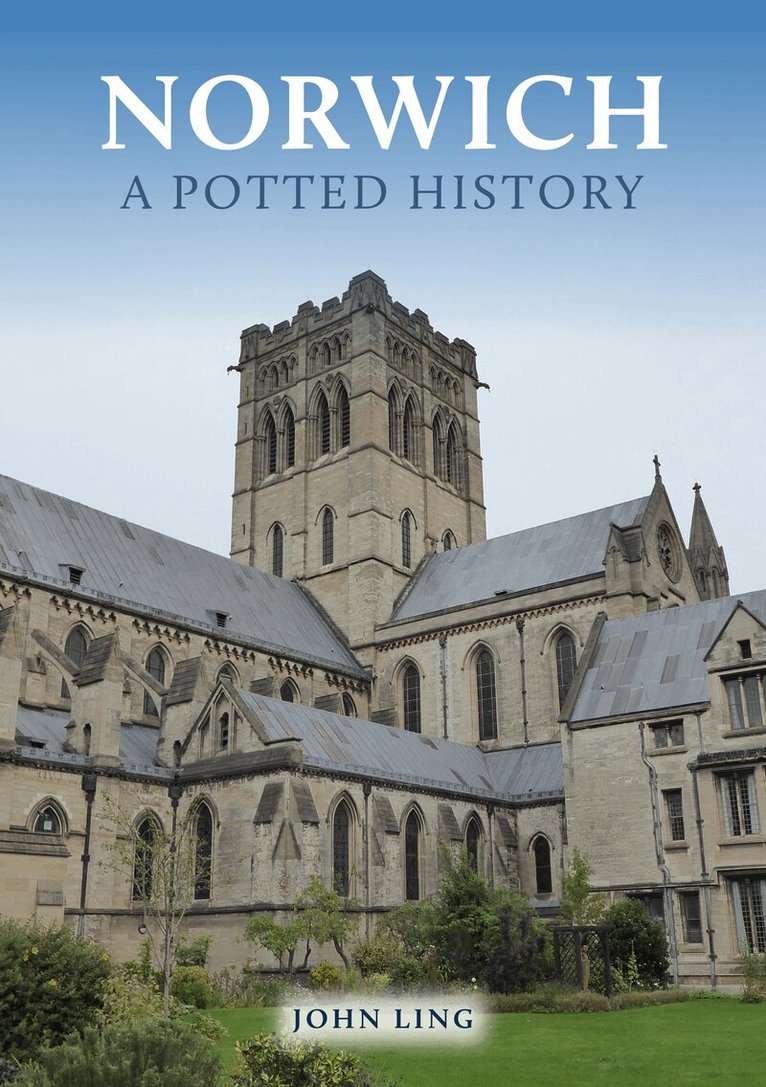
During the Iron Age, much of East Anglia was under the control of the Iceni tribe, whose queen Boudicca is believed to have been born close to present-day Norwich. The roots of the fledgling settlement, then known as Northwic, were laid down in the sixth century and city status was granted by Richard I in 1194. Following the Norman Conquest, Norwich Castle and Cathedral were constructed and a monastery existed alongside the cathedral until the Dissolution. For several centuries Norwich was one of the largest cities in England, becoming an important centre of trade and industry. Key industries included weaving, brewing, shoe making, milling, printing, chocolate making, mustard production and the manufacture of Christmas crackers. The city also gave its name to the insurance giant Norwich Union and was a major banking centre. Norwich suffered many air raids during the Second World War and countless buildings were destroyed, but today it is acknowledged as a centre of the written and performing arts and is a growing tourist destination, with one of the largest outdoor covered markets in Europe.Illustrated throughout, this accessible historical portrait of the transformation that Norwich has undergone through the ages will be of great interest to residents, visitors and all those with links to the city.
178 kr
Skickas
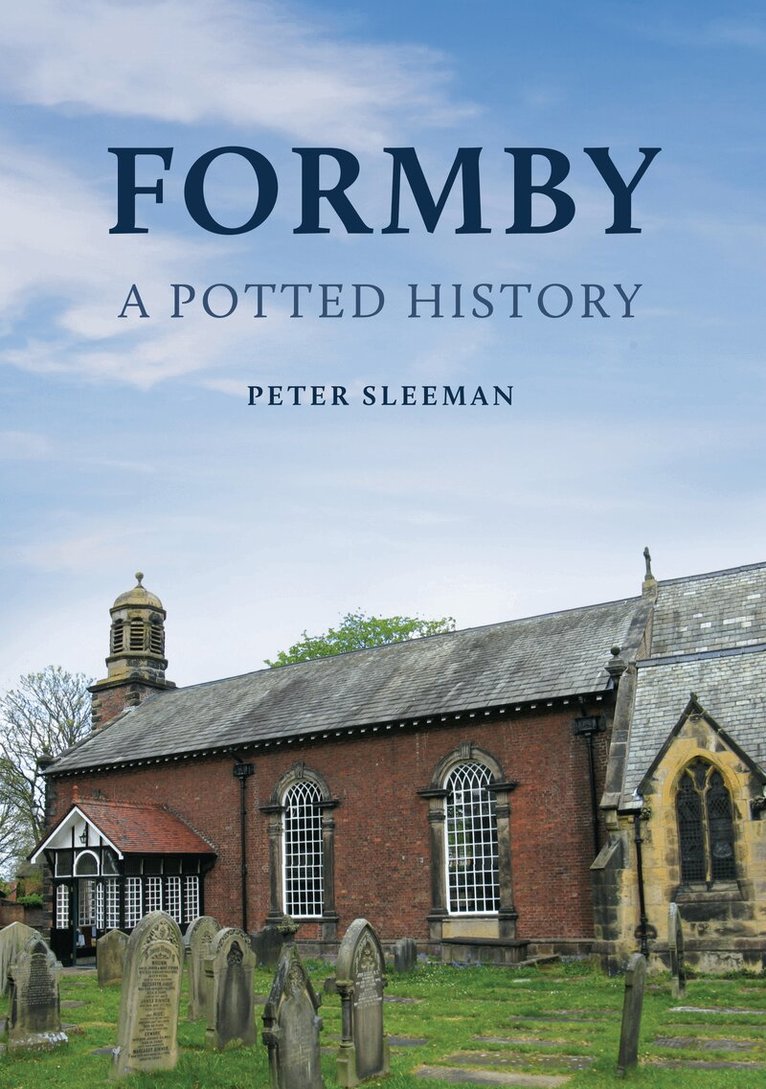
Saxon settlers and Viking invaders defined the early settlement of Formby on the coast of north-west England. The manors that made up the town and small port lived through the Norman Conquest and the Black Death, and it is here that the country’s first lifeboat station was set up, on its beach. But it was the coming of the railways in the nineteenth century that transformed the area, with easy access to Liverpool and new businesses attracted to the town, with large areas of housing built as a result. Today, Formby lies in Merseyside and is a commuter town for Southport and Liverpool and other towns in the conurbation. Many visitors are attracted to its beaches, sand dunes and nature reserves, which are still home to the now rare red squirrel and natterjack toad.Illustrated throughout, this accessible historical portrait of the transformation that Formby has undergone through the ages will be of great interest to residents, visitors and all those with links to the town.
178 kr
Skickas
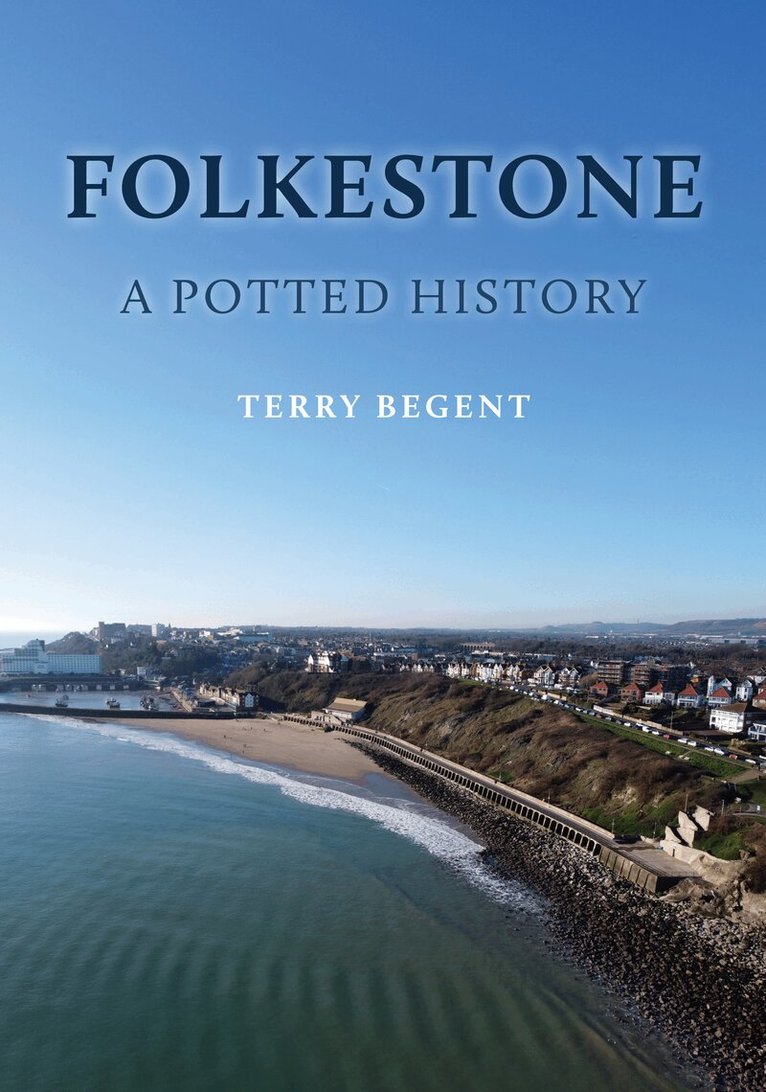
Although Folkestone was just a small fishing village on the coast of the English Channel for much of its existence, it has witnessed many significant events in Britain’s history. The Romans established trade routes from the settlement to the Continent, radiating throughout Britain. Successfully settled by the Saxons in later centuries, Christianity arrived through St Augustine and defences were built against Viking invaders. It later became a limb of the Cinque Ports. Folkestone’s strategic position made it a target of attempted French invasions, and defences were strengthened during the threat of invasion by the Spanish Armada and later Napoleon. The coming of the railways transformed the small town into a fashionable resort, but it remained on the front line in the First and Second World Wars. Although the importance of Folkestone’s harbour diminished after the building of the Channel Tunnel, the town is once again enjoying a resurgence in popularity.Illustrated throughout, this accessible historical portrait of the transformation that Folkestone has undergone through the ages will be of great interest to residents, visitors and all those with links to the town.
178 kr
Kommande
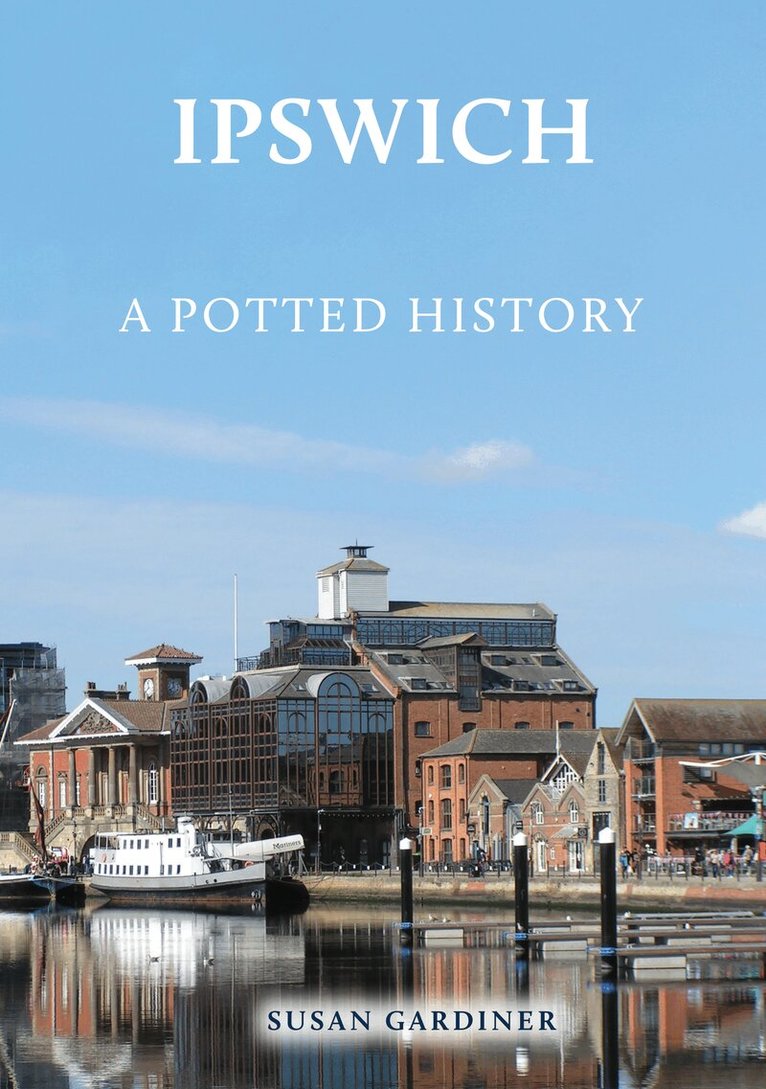
Ipswich grew around its port, established during Anglo-Saxon times for trade with northwestern continental Europe. It became an important religious centre in the Middle Ages, in one of the most populated and wealthy areas of the country. Alongside the docks and the two rivers, the Orwell and Gipping, industries grew up to support the local agricultural economy and the population migrated from surrounding areas as well as from further afield and abroad. The mix has given Ipswich a lively cultural history that remains to the present day and alongside the working dock area much of the waterfront has been redeveloped for leisure and housing, but as with all large towns, particularly ports, Ipswich’s history also encompasses how it had to deal with justice, crime and punishment.Illustrated throughout, this accessible historical portrait of the transformation that Ipswich has undergone through the ages will be of great interest to residents, visitors and all those with links to the town.
173 kr
Skickas
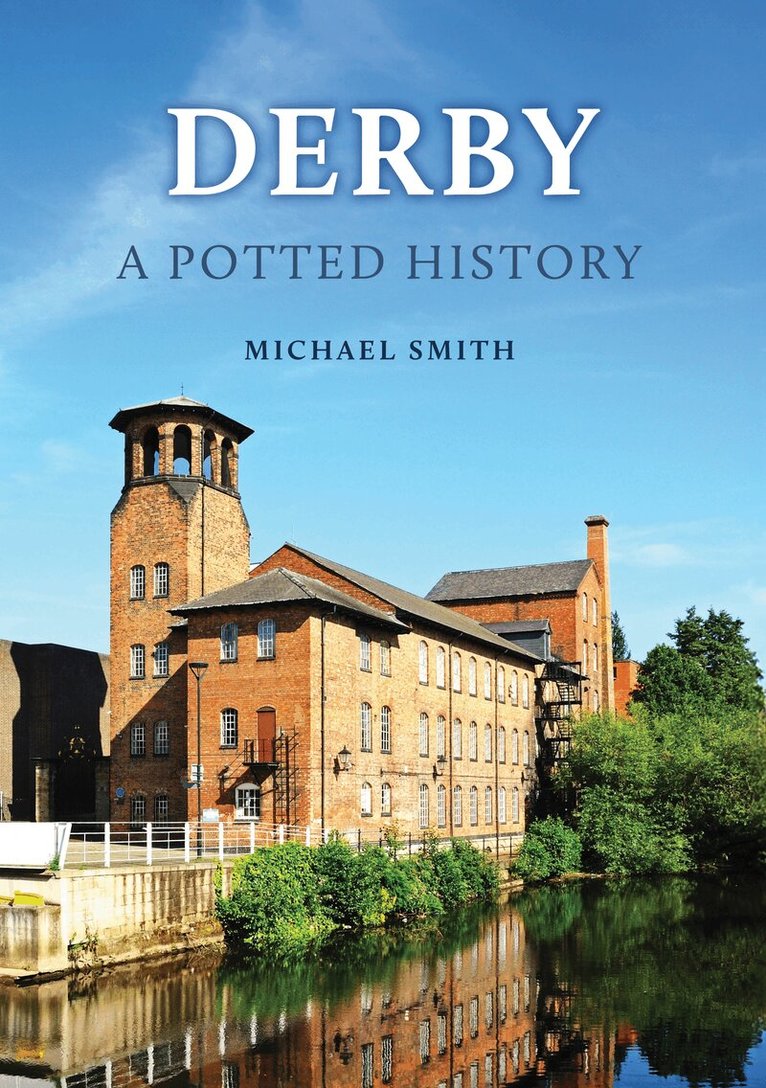
The area around Derby has been inhabited for millennia – from prehistory, through Roman, Anglo-Saxon and Viking settlements. The Mercian queen Ethelflaeda won a significant victory against the Vikings at Derby and the town became an important monastic centre in the Middle Ages and was in the front line of later conflicts during the Civil War and the Jacobite Rebellion. The eighteenth and nineteenth centuries marked the development of industrial Derby, including the new porcelain industry, and at the same time it attracted a group of Enlightenment thinkers, artists, scientists and reforming industrialists, including Erasmus Darwin and Joseph Wright, who were to leave their mark on the country. Famous manufacturing names such as Rolls-Royce made Derby their home and today’s city is now redeveloping itself in a post-industrial world.Illustrated throughout, this accessible historical portrait of the transformation that Derby has undergone through the ages will be of great interest to residents, visitors, and all those with links to the city.
178 kr
Skickas
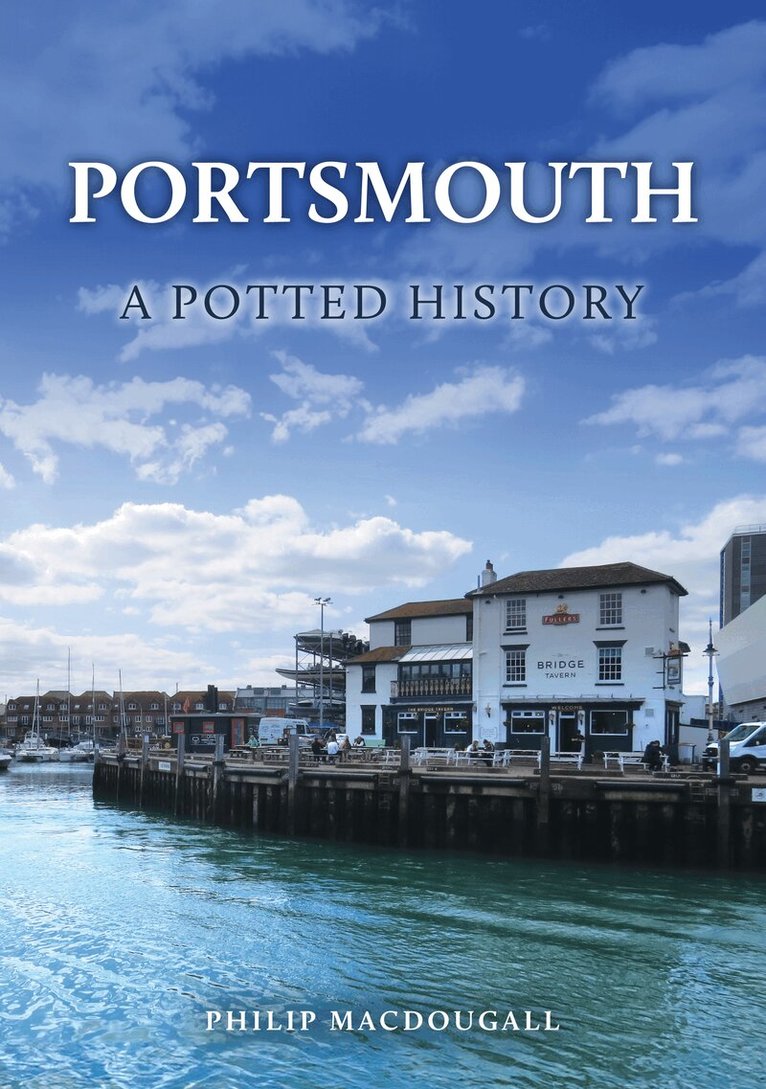
Portsmouth is primarily known for its long-term association with the Royal Navy, the naval dockyard at one time the world’s largest employer of a civilian workforce. Yet there is much more to Portsmouth than being home to Britain’s Senior Service. In Portsmouth: A Potted History, the city’s Roman and Saxon origins on Portsea Island are traced, alongside its rapid growth from the twelfth century onwards as a merchant township specialising in overseas trade. This book describes how its naval and military connections have significantly influenced the way the future city was to develop and also examines how Portsmouth and its people adapted to its long-term conversion into a military-industrial stronghold designed for the defence of the nation. The severe damage the city suffered in the Second World War and the growth of the modern-day metropolitan Portsmouth is also examined, showing how the services and other industries that make today’s diverse city were built.Illustrated throughout, this accessible historical portrait of the transformation that Portsmouth has undergone through the ages will be of great interest to residents, visitors and all those with links to the city.
178 kr
Kommande
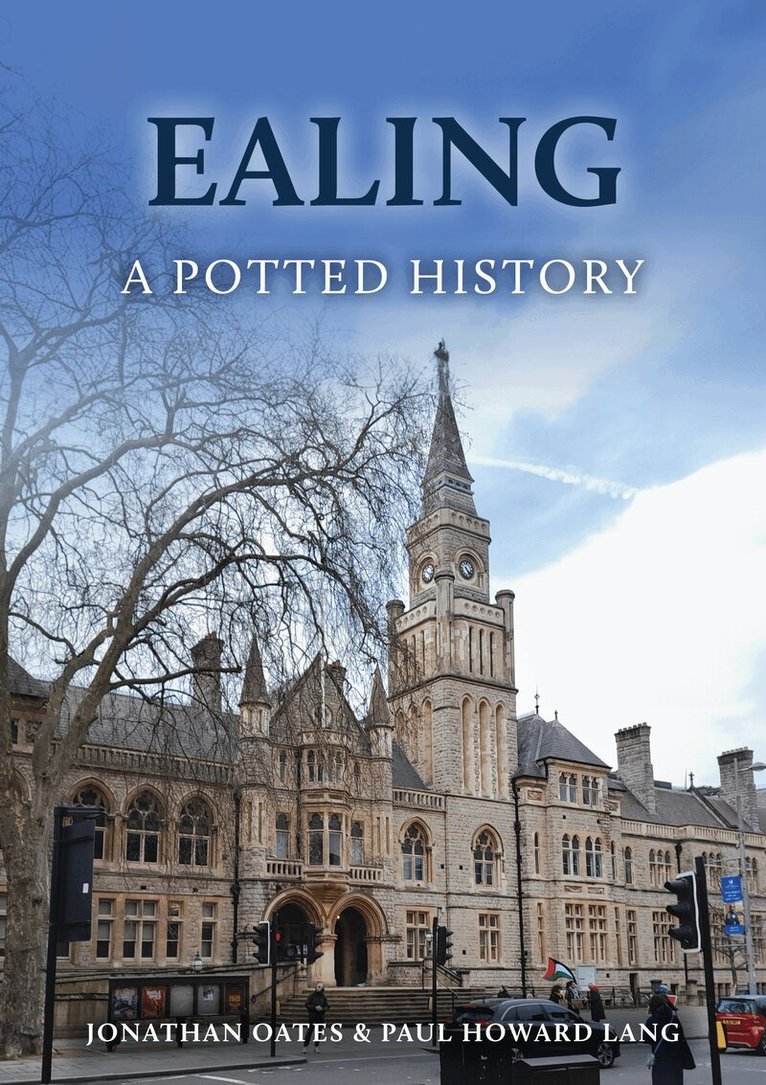
For much of its history Ealing was a rural village in Middlesex, outside London. Improved communications encouraged its development as a market garden for the capital and later it became an attractive suburb in West London, nicknamed ‘Queen of the Suburbs’, a bustling area with beautiful open spaces, historic buildings and even film studios.In Ealing: A Potted History, local historians Dr Jonathan Oates and Paul Howard Lang look back over the centuries to uncover the fascinating history of the district. Illustrated throughout, this accessible historical portrait of the transformation that Ealing has undergone through the ages will be of great interest to residents, visitors and all those with links to the district.
173 kr
Skickas
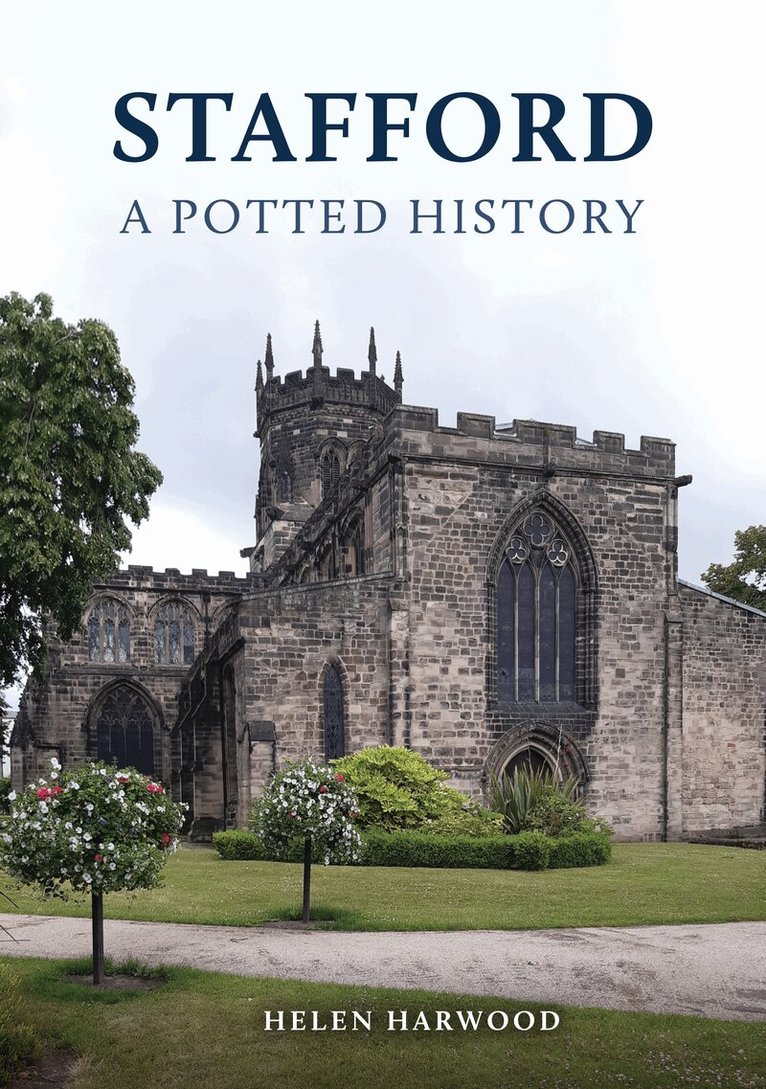
Stafford’s history can be traced back to an Anglo-Saxon settlement, when it became the county town of Staffordshire. The Normans built a castle in the town and a priory was founded nearby. The two medieval churches in the centre of the town also survive from this period. Stafford was fought over during the Civil War and was eventually captured by Parliamentary forces. In later centuries Stafford’s wealth grew from industries such as shoemaking and later engineering, and the arrival of the canal network through the River Sow Navigation and the railway in the nineteenth century. Stafford’s history also features its military connections, the story of crime and punishment in the town, and recreation, not least the foundation of the Stafford Rangers Football Club in 1876 and the opening of Victoria Park in 1908.Illustrated throughout, this accessible historical portrait of the transformation that Stafford has undergone through the ages will be of great interest to residents, visitors and all those with links to the area.
178 kr
Kommande
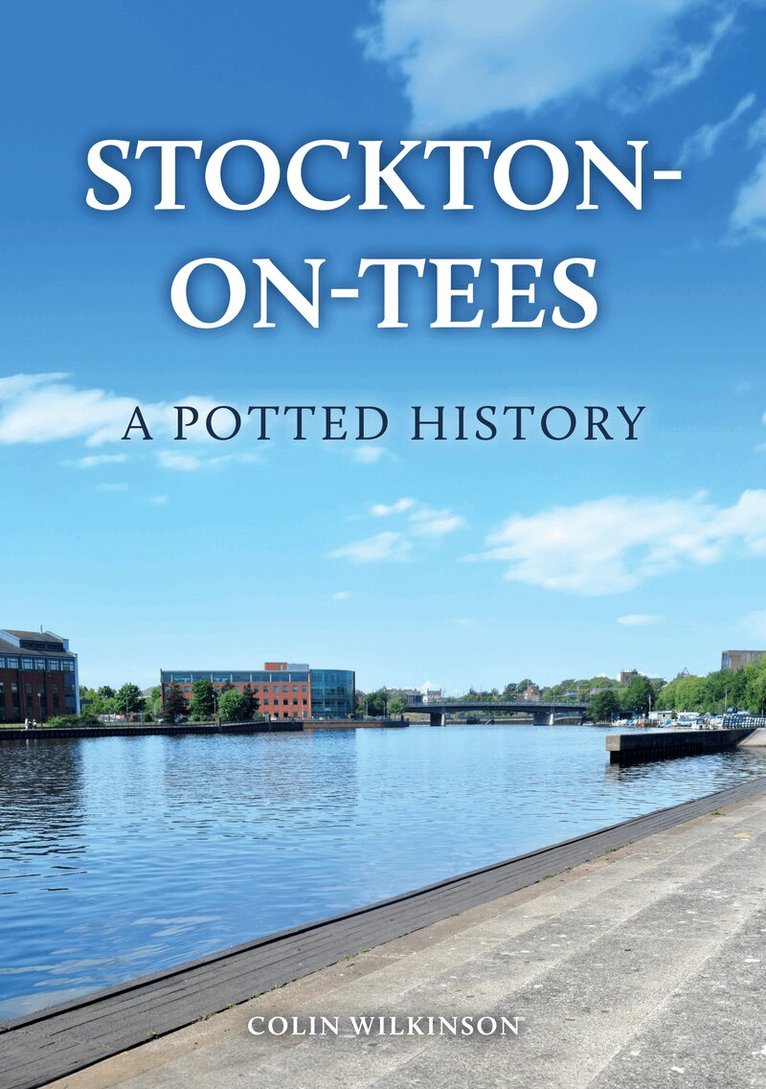
Stockton-on-Tees was a small port and market town in the north-east of England for much of its history. Shipbuilding and other industries gradually established themselves over the years, but it was with the Industrial Revolution that the town received a massive boost. The opening of the pioneering Stockton & Darlington Railway enabled coal to be transported to the port. Industries developed around the discovery of iron ore locally, as well as engineering and potteries, and the population expanded rapidly. The town was transformed by large areas of Victorian dwellings, absorbing neighbouring settlements. By the turn of the twentieth century the town was supported by a thriving market, theatres, pubs, schools, libraries, fairs, parks and churches. The depression of the interwar years and the closure of shipyards saw many lose their jobs, but the period also saw the start of the chemical industry at Billingham, which grew into a vast complex. Although today Stockton has lost much of its traditional industry, sites have been turned into business parks, attracting service industries and a university campus. The story of the town tells of heroes, inventors, business leaders, rioters as well as the lives of ordinary folk.Illustrated throughout, this accessible historical portrait of the transformation that Stockton-on-Tees has undergone through the ages will be of great interest to residents, visitors and all those with links to the town.
178 kr
Kommande
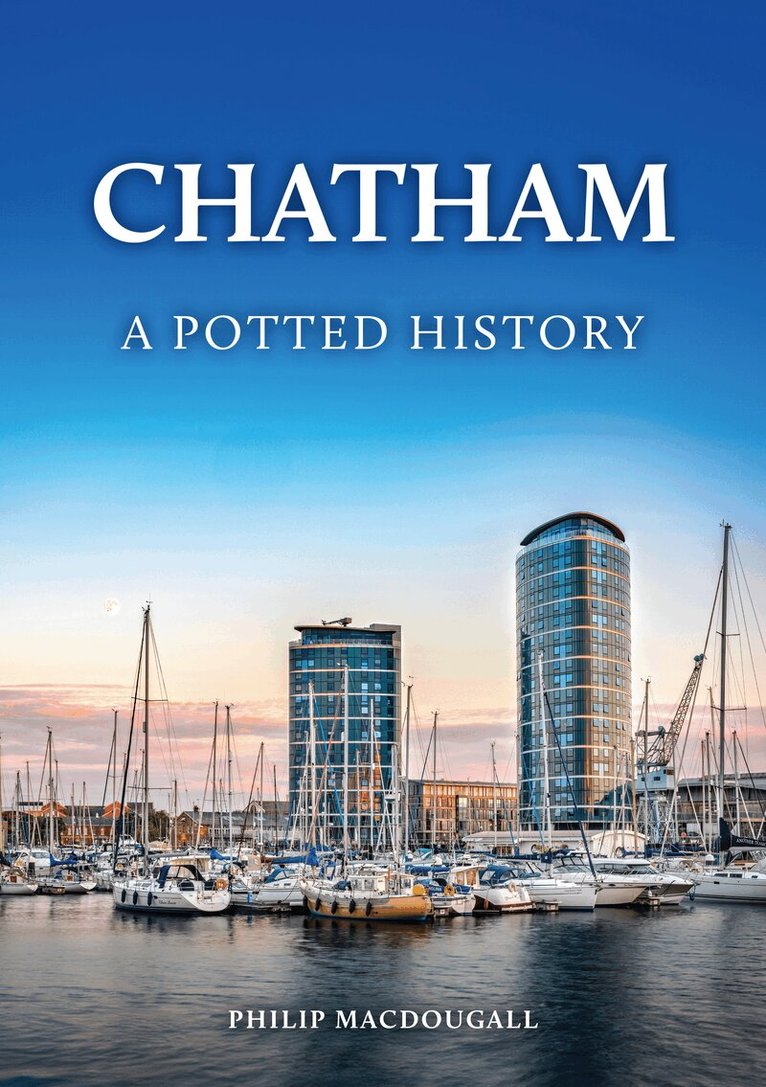
Chatham is primarily known for its long-term association with the Royal Navy; its naval dockyard at one time was one of the world’s largest employers of a civilian workforce. Yet there is much more to Chatham than being home to the Royal Navy. This book presents the history of the town of Chatham, including those who lived alongside the dockyard and those who supported the artisans and labourers employed in the yard. Chatham’s military connections also significantly influenced the way the town developed over the centuries. In the nineteenth century Chatham had an impact on Charles Dickens as he spent his early years in the town, and it influenced his writings later. This book about Chatham and its people shows how this growing community adapted to its long-term conversion into a militaryindustrial stronghold designed for the defence of the nation.Illustrated throughout, this accessible historical portrait of the transformation that Chatham has undergone through the ages will be of great interest to residents, visitors and all those with links to the town.
178 kr
Kommande
Leicester’s history can be traced back to an Iron Age settlement by the River Soar and a subsequent Roman town where the Fosse Way crossed the river. Mediaeval Leicester flourished around its Norman castle, merchants and religious houses but was also subject to plagues and civil war. Industrialisation and coal mining brought wealth into Leicester in the nineteenth century but also prepared the ground for welfare movements and radical politics in the city. Today’s Leicester is a bustling city with a diverse economy – the largest in the East Midlands.Illustrated throughout, this accessible historical portrait of the transformation that Leicester has undergone through the ages will be of great interest to residents, visitors and all those with links to the area.