Qualitative Inquiry: Critical Ethics, Justice, and Activism 5 – serie
Visar alla böcker i serien Qualitative Inquiry: Critical Ethics, Justice, and Activism 5. Handla med fri frakt och snabb leverans.
6 produkter
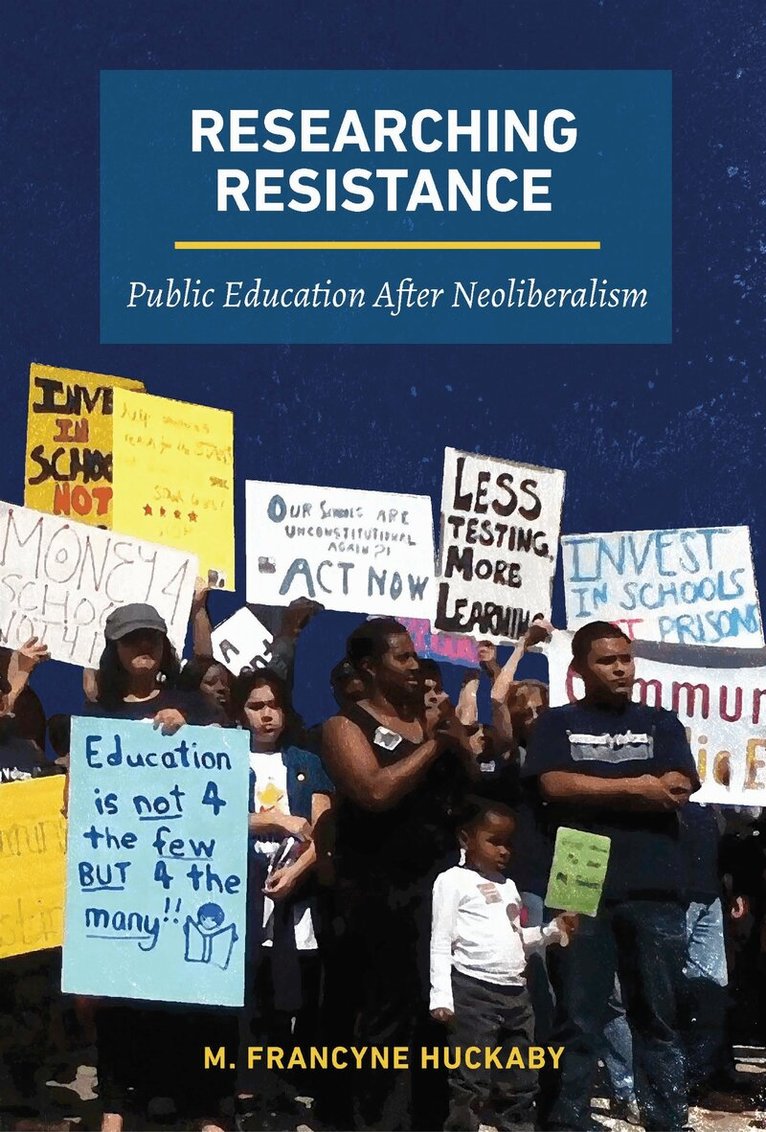
Researching Resistance
Public Education After Neoliberalism
Häftad, 2019
673 kr
Lägg i varukorg
Researching Resistance: Public Education After Neoliberalism serves two vital functions. First, it explores, explicates, and encourages critical qualitative research that engages the arts and born-digital scholarship. Second, it offers options for understanding neoliberalism, revealing its impact …
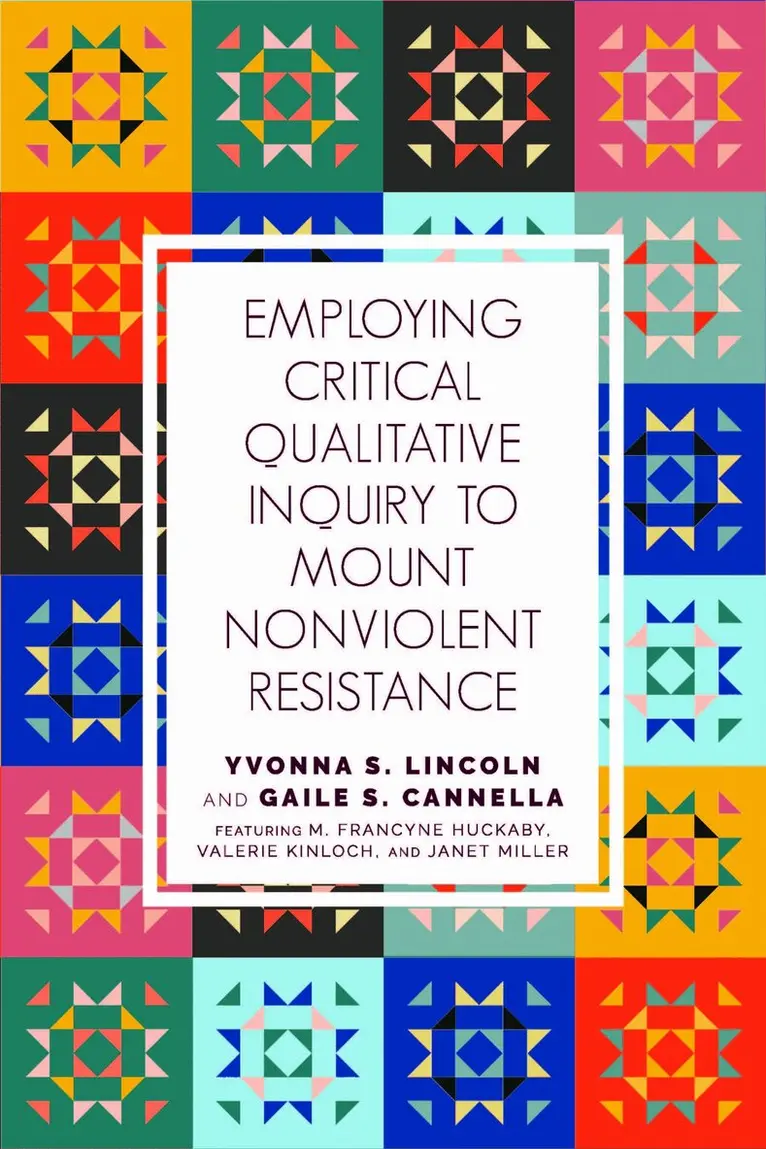
Employing Critical Qualitative Inquiry to Mount Non-Violent Resistance
Av Yvonna S. Lincoln, Gaile S. Cannella
Häftad, 2019
692 kr
Lägg i varukorg
Employing Critical Qualitative Inquiry to Mount Non-Violent Resistance engages researchers with the notion of Critical Qualitative Inquiry (CQI) as a direct practice of resistance. First, the authors define CQI and its criticisms; provide an in-depth examination of the contemporary neoliberal, …
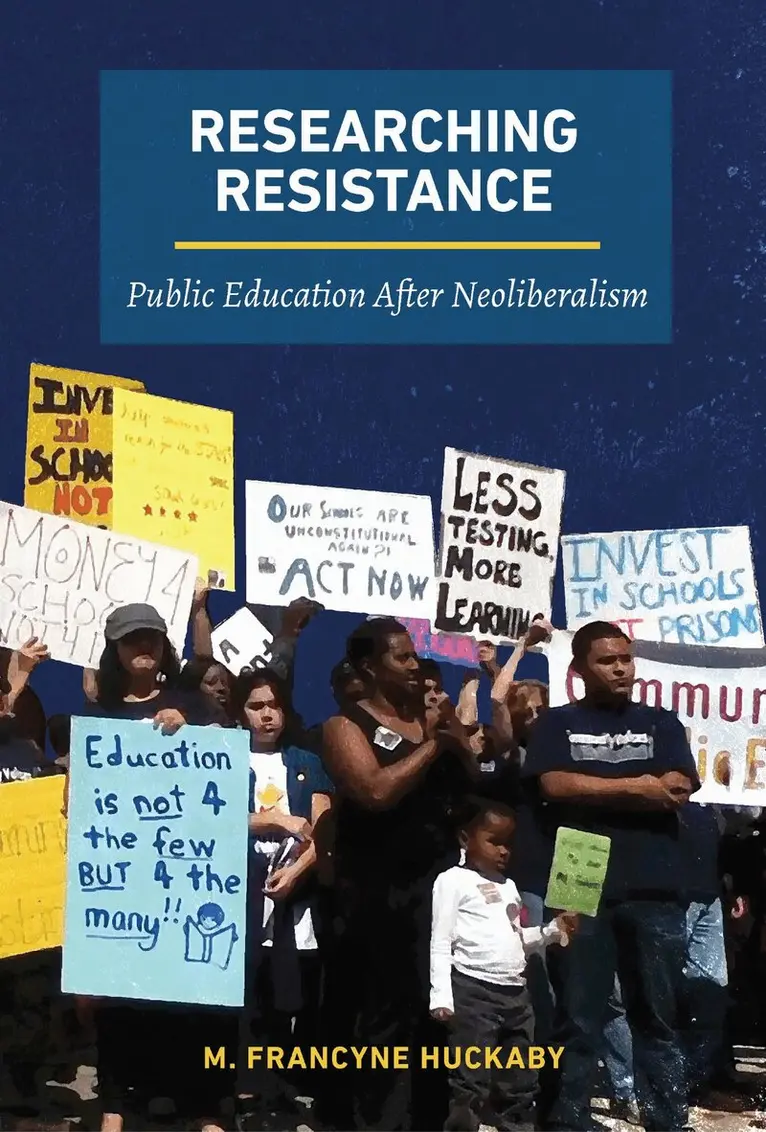
Researching Resistance
Public Education After Neoliberalism
Inbunden, 2019
1750 kr
Tillfälligt slut
Researching Resistance: Public Education After Neoliberalism serves two vital functions. First, it explores, explicates, and encourages critical qualitative research that engages the arts and born-digital scholarship. Second, it offers options for understanding neoliberalism, revealing its impact …
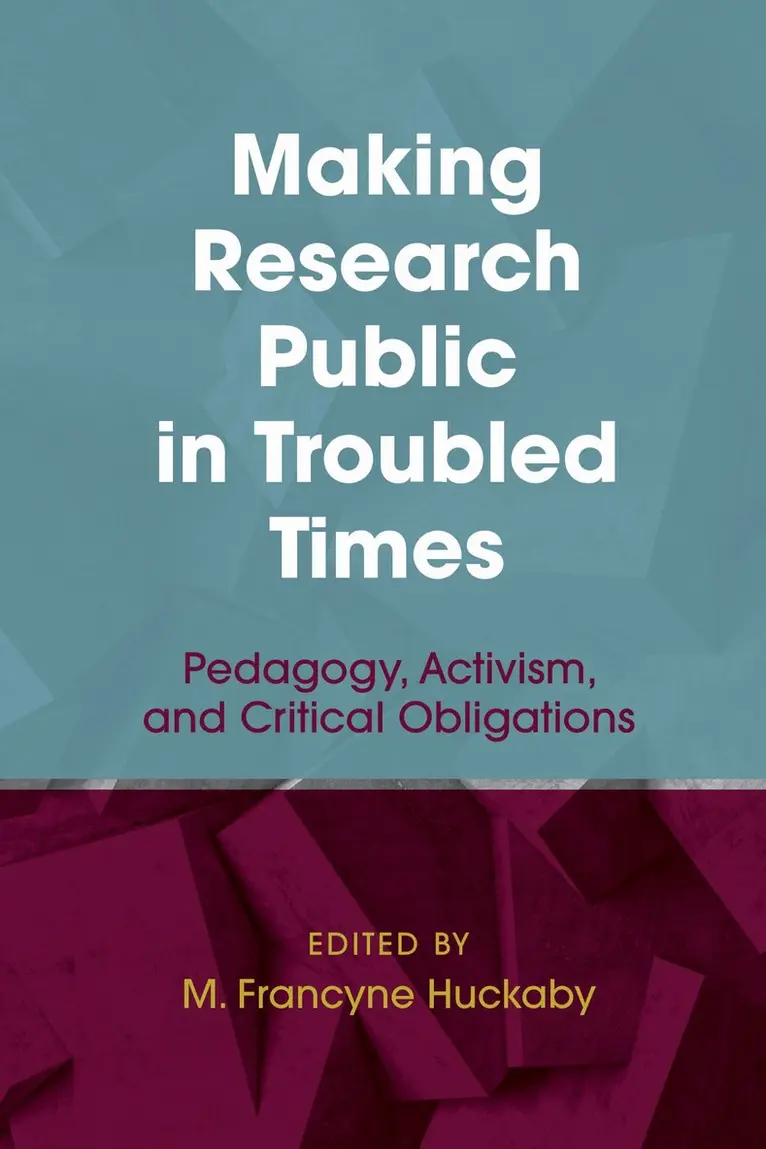
Making Research Public in Troubled Times
Pedagogy, Activism, and Critical Obligations
Av Julianne Cheek, M. Franicine Huckaby
Inbunden, 2018
1750 kr
Tillfälligt slut
These are certainly troubled times in which neoliberal capitalist patriarchy and the tyranny of racism and domination are continually reinscribed on the bodies and lives of so many. However, critical researchers understand the necessity for, as well as the difficulty of, using research to …
Making Research Public in Troubled Times
Pedagogy, Activism, and Critical Obligations
Av Julianne Cheek, M. Franicine Huckaby
Häftad, 2018
524 kr
Tillfälligt slut
These are certainly troubled times in which neoliberal capitalist patriarchy and the tyranny of racism and domination are continually reinscribed on the bodies and lives of so many. However, critical researchers understand the necessity for, as well as the difficulty of, using research to …
Employing Critical Qualitative Inquiry to Mount Non-Violent Resistance
Av Yvonna S. Lincoln, Gaile S. Cannella
Inbunden, 2019
1801 kr
Tillfälligt slut
Employing Critical Qualitative Inquiry to Mount Non-Violent Resistance engages researchers with the notion of Critical Qualitative Inquiry (CQI) as a direct practice of resistance. First, the authors define CQI and its criticisms; provide an in-depth examination of the contemporary neoliberal, …