Teaching, Engaging, and Thriving in Higher Ed – serie
Visar alla böcker i serien Teaching, Engaging, and Thriving in Higher Ed. Handla med fri frakt och snabb leverans.
17 produkter
17 produkter
Häftad, Engelska, 2024
154 kr
Skickas inom 10-15 vardagar
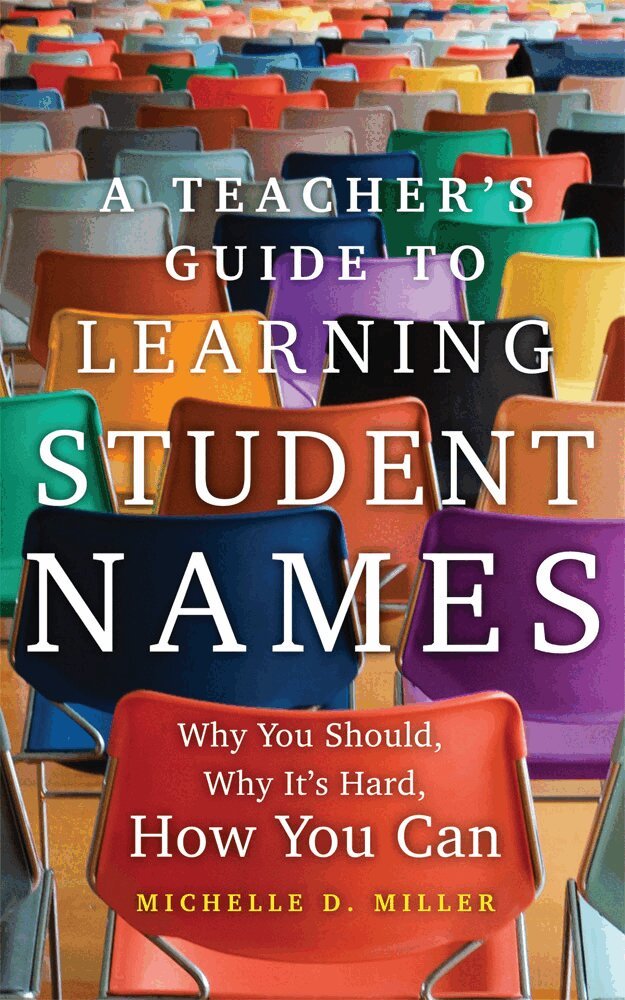
If teachers want an inclusive, engaging classroom, they must learn their students’ names. Sound advice, certainly, but rarely does it come with practical guidance—which is precisely what this book offers. Eschewing the random tips and mnemonic tricks that invariably fall short, Michelle D. Miller offers teachers a clear explanation of what is really going on when we learn a name, and a science-based approach for using this knowledge to pedagogical advantage.Drawing on a deep background in the psychology of language and memory, Miller gives a lively overview of the surprising science of learning proper names, along with an account of why the practice is at once so difficult and yet so critical to effective teaching. She then sets out practical techniques for learning names, with examples of activities and practices tailored to a variety of different teaching styles and classroom configurations. In her discussion of certain factors that can make learning names especially challenging, Miller pays particular attention to neurodivergence and the effects of aging on this special form of memory. A Teacher’s Guide to Learning Student Names lays out strategies for putting these techniques into practice, suggests technological aids and other useful resources, and explains how to make name learning a core aspect of one’s teaching practice.With its research-based strategies and concrete advice, this concise and highly readable guide provides teachers of all disciplines and levels an invaluable tool for creating a welcoming and productive learning environment.
Inbunden, Engelska, 2024
1 025 kr
Skickas inom 10-15 vardagar
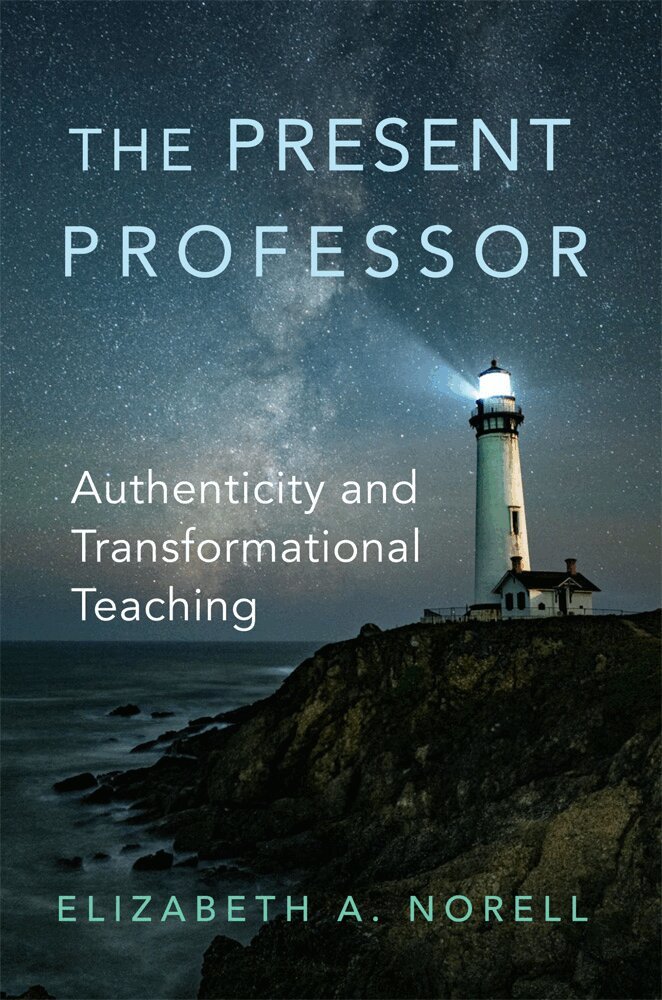
It’s hard to learn when you’re under stress, and a lot harder when your teacher is struggling with stress, too. In a world where stress is unavoidable—where political turmoil, pandemic fallout, and personal challenges touch everyone—this timely book offers much-needed guidance for cutting through the emotional static that can hold teachers back. A specialist in pedagogical strategies with extensive classroom experience, Elizabeth A. Norell explains how an educator’s presence, or authenticity, can be critical to creating transformational spaces for students. And presence, she argues, means uncovering and understanding one’s own internal struggles and buried insecurities—stresses often left unconfronted in an academic culture that values knowing over feeling. Presenting the research on how and why such inner work unlocks transformational learning, The Present Professor equips educators with the tools for crafting a more authentic presence in their teaching work.At a time of crisis in higher education, as teachers struggle to find new ways to relate to, think about, and instruct students, this book holds a key. Implementing more inclusive pedagogies, Norell suggests, requires sorting out our own identities. In short, if we want to create spaces where students have the confidence, comfort, and psychological safety to learn and grow, we have to create spaces where we do, too. The Present Professor is dedicated to that proposition, and to helping educators build that transformational space.
Häftad, Engelska, 2024
261 kr
Skickas inom 10-15 vardagar
It’s hard to learn when you’re under stress, and a lot harder when your teacher is struggling with stress, too. In a world where stress is unavoidable—where political turmoil, pandemic fallout, and personal challenges touch everyone—this timely book offers much-needed guidance for cutting through the emotional static that can hold teachers back. A specialist in pedagogical strategies with extensive classroom experience, Elizabeth A. Norell explains how an educator’s presence, or authenticity, can be critical to creating transformational spaces for students. And presence, she argues, means uncovering and understanding one’s own internal struggles and buried insecurities—stresses often left unconfronted in an academic culture that values knowing over feeling. Presenting the research on how and why such inner work unlocks transformational learning, The Present Professor equips educators with the tools for crafting a more authentic presence in their teaching work.At a time of crisis in higher education, as teachers struggle to find new ways to relate to, think about, and instruct students, this book holds a key. Implementing more inclusive pedagogies, Norell suggests, requires sorting out our own identities. In short, if we want to create spaces where students have the confidence, comfort, and psychological safety to learn and grow, we have to create spaces where we do, too. The Present Professor is dedicated to that proposition, and to helping educators build that transformational space.
Inbunden, Engelska, 2025
1 025 kr
Skickas inom 10-15 vardagar
In these days of an ever-expanding internet, generative AI, and term paper mills, students may find it too easy and tempting not to cheat, and teachers may think they can’t keep up. What’s needed, and what Tricia Bertram Gallant and David A. Rettinger offer in this timely book, is a new approach—one that works with the realities of the twenty-first century, not just to protect academic integrity but also to maximize opportunities for students to learn.The Opposite of Cheating presents a positive, forward-looking, research-backed vision for what classroom integrity can look like in the GenAI era, both in cyberspace and on campus. Accordingly, the book outlines workable measures teachers can use to better understand why students cheat and to prevent cheating while aiming to enhance learning and integrity.Bertram Gallant and Rettinger provide practical suggestions to help faculty revise the conversation around integrity, refocus classes and students on learning, reconsider the structure and goals of assessment, and generally reframe our response to cheating. At the core of this strategy is a call for teachers, academic staff, institutional leaders, and administrators to rethink how we “show up” for students, and to reinforce and fully support quality teaching, learning, and assessment. With its evidentiary basis and its useful tips for instructors across disciplines, levels of experience, and modes of instruction, this book offers a much-needed chance to pause, rethink our purpose, and refocus on what matters—creating classes that center human interactions that foster the personal and professional growth of our students.
Häftad, Engelska, 2025
254 kr
Skickas
In these days of an ever-expanding internet, generative AI, and term paper mills, students may find it too easy and tempting not to cheat, and teachers may think they can’t keep up. What’s needed, and what Tricia Bertram Gallant and David A. Rettinger offer in this timely book, is a new approach—one that works with the realities of the twenty-first century, not just to protect academic integrity but also to maximize opportunities for students to learn.The Opposite of Cheating presents a positive, forward-looking, research-backed vision for what classroom integrity can look like in the GenAI era, both in cyberspace and on campus. Accordingly, the book outlines workable measures teachers can use to better understand why students cheat and to prevent cheating while aiming to enhance learning and integrity.Bertram Gallant and Rettinger provide practical suggestions to help faculty revise the conversation around integrity, refocus classes and students on learning, reconsider the structure and goals of assessment, and generally reframe our response to cheating. At the core of this strategy is a call for teachers, academic staff, institutional leaders, and administrators to rethink how we “show up” for students, and to reinforce and fully support quality teaching, learning, and assessment. With its evidentiary basis and its useful tips for instructors across disciplines, levels of experience, and modes of instruction, this book offers a much-needed chance to pause, rethink our purpose, and refocus on what matters—creating classes that center human interactions that foster the personal and professional growth of our students.
Inbunden, Engelska, 2025
1 025 kr
Skickas inom 10-15 vardagar
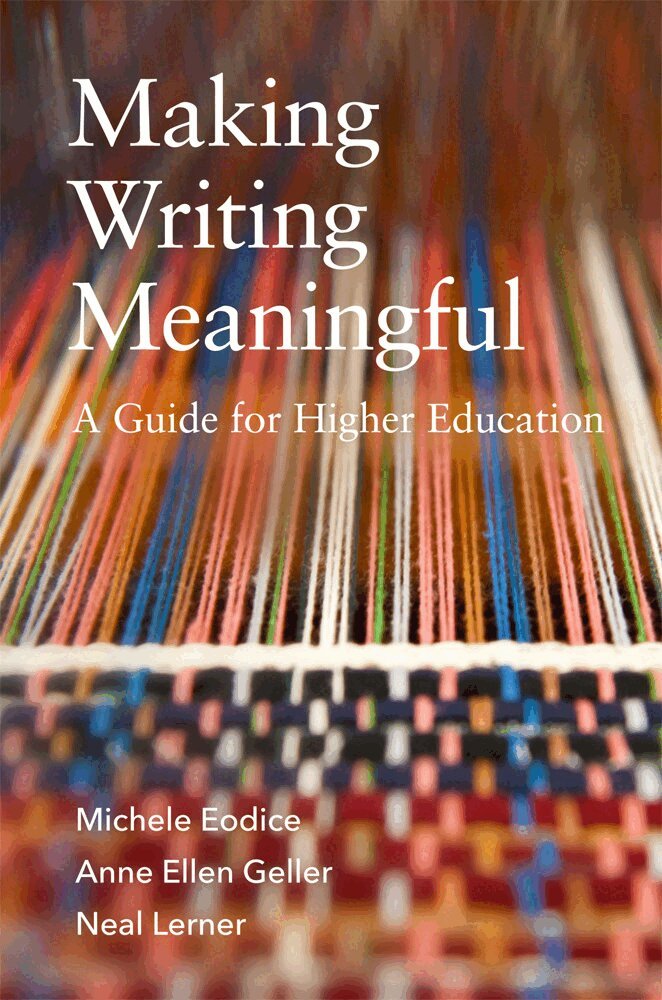
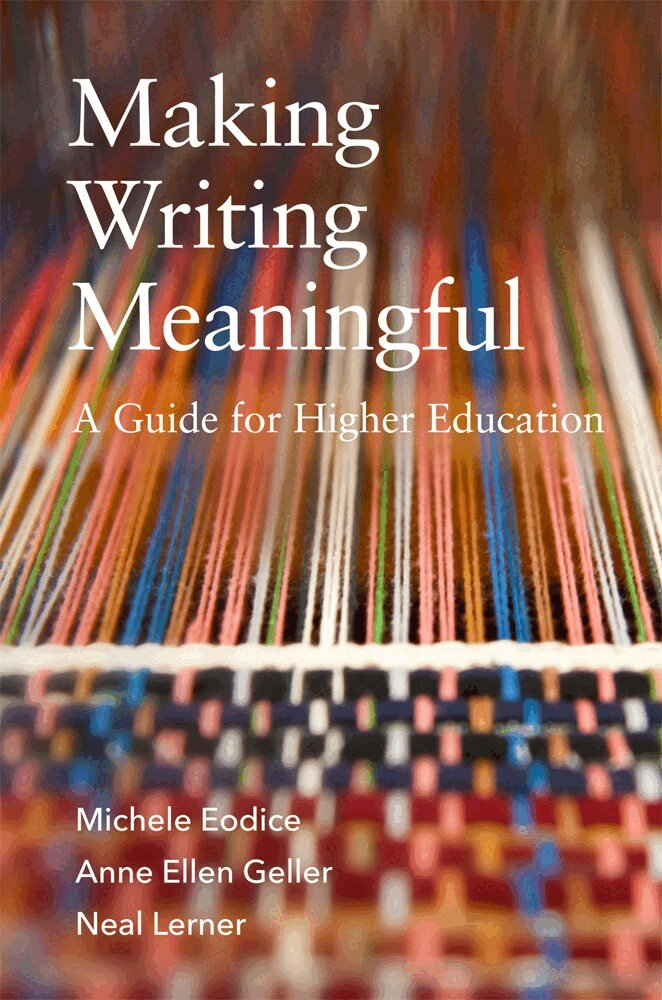
It seems obvious: students will have more meaningful writing experiences if we offer more opportunities for their writing to be meaningful for them. But what does that mean? What makes writing meaningful for students? What, really, makes students want to write? The authors of this practical little book asked precisely that, and the answers they gathered from students across disciplines, majors, and institutions over several years inform their advice in Making Writing Meaningful: A Guide for Higher Education.The critical lessons that Michele Eodice, Anne Ellen Geller, and Neal Lerner took from their survey research, as well as from their own classrooms and workshops, are these: Students want their writing to be consequential, to build on connections with their lives, their world, and their futures, and to foster an inclusive learning experience. The authors delved further into these findings by asking what role identities—whether racial, ethnic, or cultural—played in students’ approach to writing and by exploring what students found meaningful in writing during experiences such as disruption, dislocation, and loss; personal, economic, and health challenges; and political, racial, and societal conflict. The resulting guide pairs a wealth of new data with pedagogical strategies and reflective exercises to help instructors of all kinds connect more effectively with their students—and to help students connect their lives and their writing in meaningful and productive ways.Making Writing Meaningful writing makes for a richer, more successful learning experience, and this book invites students and teachers alike to take advantage of the guidance offered here to foster connections that will serve students—and the world—well beyond academia.
Häftad, Engelska, 2025
208 kr
Skickas inom 10-15 vardagar
It seems obvious: students will have more meaningful writing experiences if we offer more opportunities for their writing to be meaningful for them. But what does that mean? What makes writing meaningful for students? What, really, makes students want to write? The authors of this practical little book asked precisely that, and the answers they gathered from students across disciplines, majors, and institutions over several years inform their advice in Making Writing Meaningful: A Guide for Higher Education.The critical lessons that Michele Eodice, Anne Ellen Geller, and Neal Lerner took from their survey research, as well as from their own classrooms and workshops, are these: Students want their writing to be consequential, to build on connections with their lives, their world, and their futures, and to foster an inclusive learning experience. The authors delved further into these findings by asking what role identities—whether racial, ethnic, or cultural—played in students’ approach to writing and by exploring what students found meaningful in writing during experiences such as disruption, dislocation, and loss; personal, economic, and health challenges; and political, racial, and societal conflict. The resulting guide pairs a wealth of new data with pedagogical strategies and reflective exercises to help instructors of all kinds connect more effectively with their students—and to help students connect their lives and their writing in meaningful and productive ways.Making Writing Meaningful writing makes for a richer, more successful learning experience, and this book invites students and teachers alike to take advantage of the guidance offered here to foster connections that will serve students—and the world—well beyond academia.
Inbunden, Engelska, 2025
1 025 kr
Skickas inom 10-15 vardagar
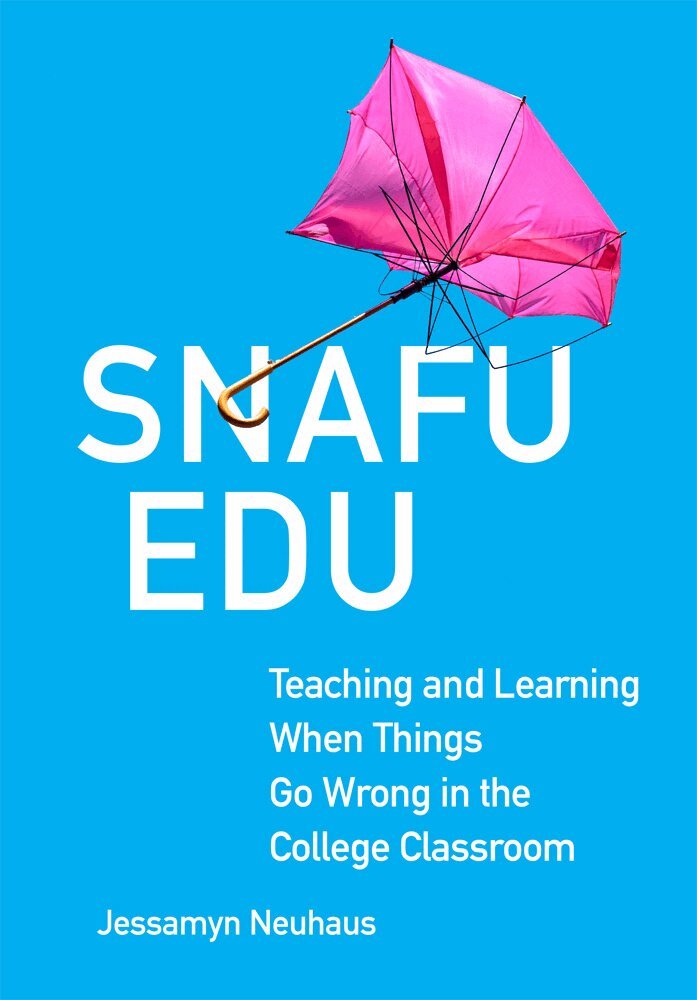
No matter how skilled, thoughtful, and well-prepared professors are- or how motivated and engaged their students might be- things sometimes go wrong. In this empowering, smart, and refreshingly frank book, Jessamyn Neuhaus offers college educators a roadmap for anticipating and navigating these inevitable snafus - and keeping the course of teaching and learning on track. Clear-eyed about the rarely acknowledged foul-ups that teachers invariably confront, Snafu Edu provides evidence-based insights into why these things happen and practical, workable strategies for recognizing, responding to, repairing, and reducing them. Snafu Edu identifies five major reasons for systemic and individual snafus in the field - inequity, disconnection, distrust, failure, and fear - and shows how understanding underlying causes can help educators perceive the problem and take appropriate measures. These measures are part of a problem-solving approach that Neuhaus calls STIR: stop, think, identify, and repair. She details course design principles and pedagogical practices to reduce major teaching and learning snafus by increasing equity, building connections, fostering trust, enabling success, and increasing agency for both educators and students. Looking beyond 'classroom management' and 'conflict resolution,' Snafu Edu carefully and clearly grounds its lessons in the real context of education, where institutional structures, systemic injustices, individual and collective history, and the complexity of human interactions mean there will always be snafus. Like a preparedness kit for natural disasters, the book gives teachers an educational 'go-bag' of insights, strategies, and practices to have at the ready when things go sideways.
Häftad, Engelska, 2025
275 kr
Skickas inom 10-15 vardagar
No matter how skilled, thoughtful, and well-prepared professors are- or how motivated and engaged their students might be- things sometimes go wrong. In this empowering, smart, and refreshingly frank book, Jessamyn Neuhaus offers college educators a roadmap for anticipating and navigating these inevitable snafus - and keeping the course of teaching and learning on track. Clear-eyed about the rarely acknowledged foul-ups that teachers invariably confront, Snafu Edu provides evidence-based insights into why these things happen and practical, workable strategies for recognizing, responding to, repairing, and reducing them. Snafu Edu identifies five major reasons for systemic and individual snafus in the field - inequity, disconnection, distrust, failure, and fear - and shows how understanding underlying causes can help educators perceive the problem and take appropriate measures. These measures are part of a problem-solving approach that Neuhaus calls STIR: stop, think, identify, and repair. She details course design principles and pedagogical practices to reduce major teaching and learning snafus by increasing equity, building connections, fostering trust, enabling success, and increasing agency for both educators and students. Looking beyond 'classroom management' and 'conflict resolution,' Snafu Edu carefully and clearly grounds its lessons in the real context of education, where institutional structures, systemic injustices, individual and collective history, and the complexity of human interactions mean there will always be snafus. Like a preparedness kit for natural disasters, the book gives teachers an educational 'go-bag' of insights, strategies, and practices to have at the ready when things go sideways.
Inbunden, Engelska, 2025
1 025 kr
Skickas inom 10-15 vardagar
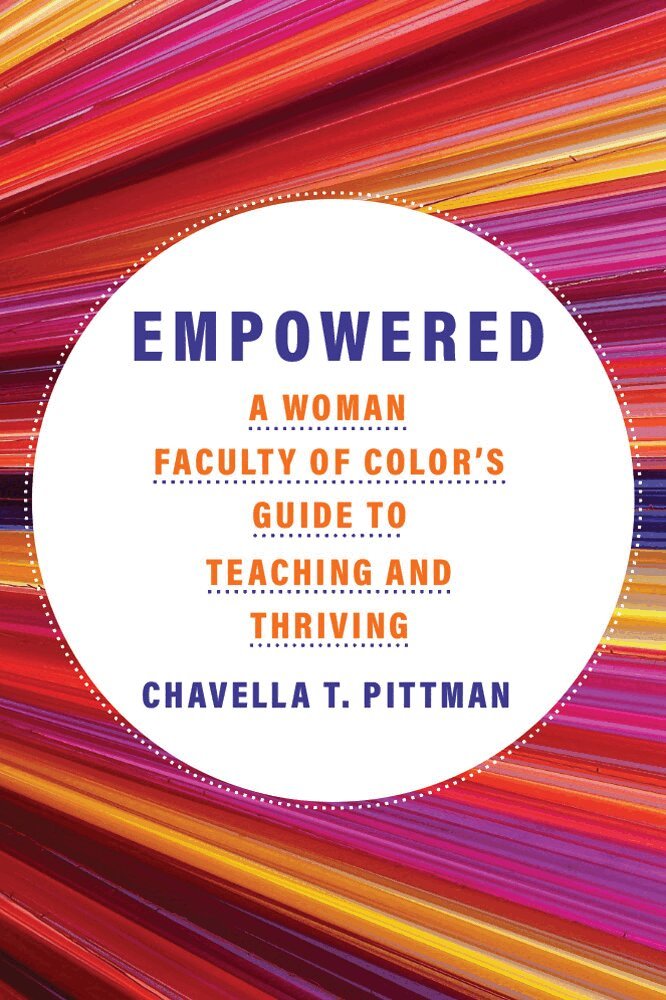
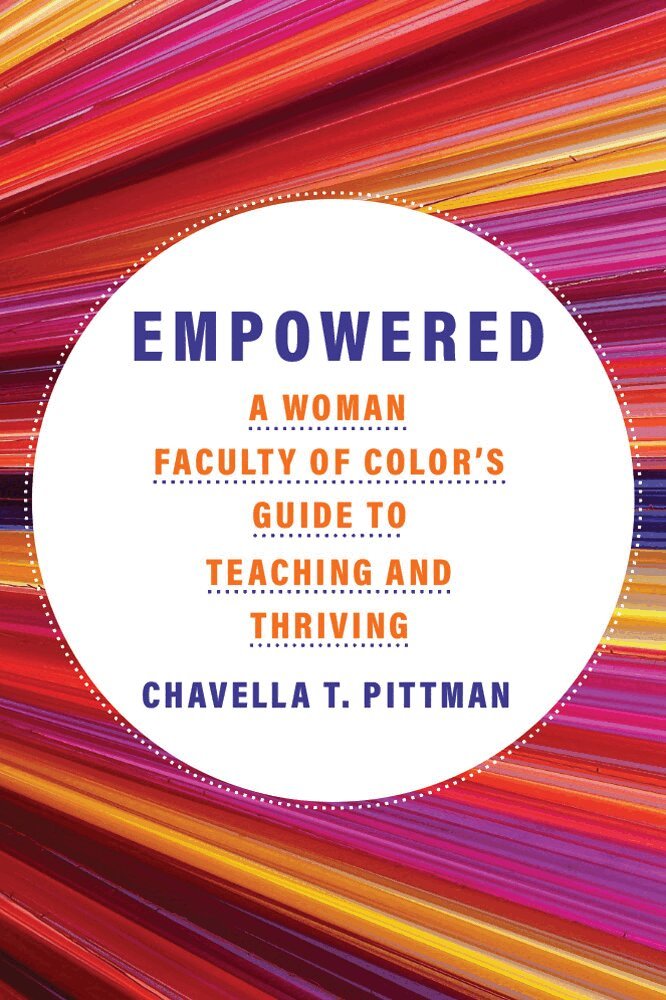
Experience tells us, and studies confirm, that women faculty of color are among the most overworked, unfairly criticized, and least rewarded individuals serving higher education today. They are also the most thwarted when it comes to the basic goals of an academic career: tenure, security, and personal satisfaction. This, despite ranking as some of the most talented teachers we have: Women faculty of color disproportionately overdeliver on higher education's loftiest promise - preparing students to contribute to the world. In this book, these highly effective, overworked, underappreciated women will find expert guidance, encouragement, and practical steps to meet the outsized challenges women of color face in academia, and finally get what they 39 ve long since earned. In Empowered, Chavella T. Pittman distills decades of practice to show women faculty of color how to be unapologetically authentic in their teaching, speak up in reviews about their classroom excellence, and to offer themselves compassion. And, to recover a sense of joy in what they do. Drawing on extensive research, Pittman provides active measures for withstanding intersectional race and gender tensions, exercises to inoculate against toxic dynamics, and tools to resist being silenced and support being heard. Through these empowering strategies and exercises, women faculty of color can become the most powerful versions of themselves in their classrooms, and go on to make the most of their careers, contributions, and lives.
Häftad, Engelska, 2025
261 kr
Skickas inom 5-8 vardagar
Experience tells us, and studies confirm, that women faculty of color are among the most overworked, unfairly criticized, and least rewarded individuals serving higher education today. They are also the most thwarted when it comes to the basic goals of an academic career: tenure, security, and personal satisfaction. This, despite ranking as some of the most talented teachers we have: Women faculty of color disproportionately overdeliver on higher education's loftiest promise - preparing students to contribute to the world. In this book, these highly effective, overworked, underappreciated women will find expert guidance, encouragement, and practical steps to meet the outsized challenges women of color face in academia, and finally get what they've long since earned. In Empowered, Chavella T. Pittman distills decades of practice to show women faculty of color how to be unapologetically authentic in their teaching, speak up in reviews about their classroom excellence, and to offer themselves compassion. And, to recover a sense of joy in what they do. Drawing on extensive research, Pittman provides active measures for withstanding intersectional race and gender tensions, exercises to inoculate against toxic dynamics, and tools to resist being silenced and support being heard. Through these empowering strategies and exercises, women faculty of color can become the most powerful versions of themselves in their classrooms, and go on to make the most of their careers, contributions, and lives.
Del 8 - Teaching, Engaging, and Thriving in Higher Ed
Joyful Online Teacher (Volume 8)
Finding Our Fizz in Asynchronous Classes
Inbunden, Engelska, 2026
1 025 kr
Skickas inom 10-15 vardagar
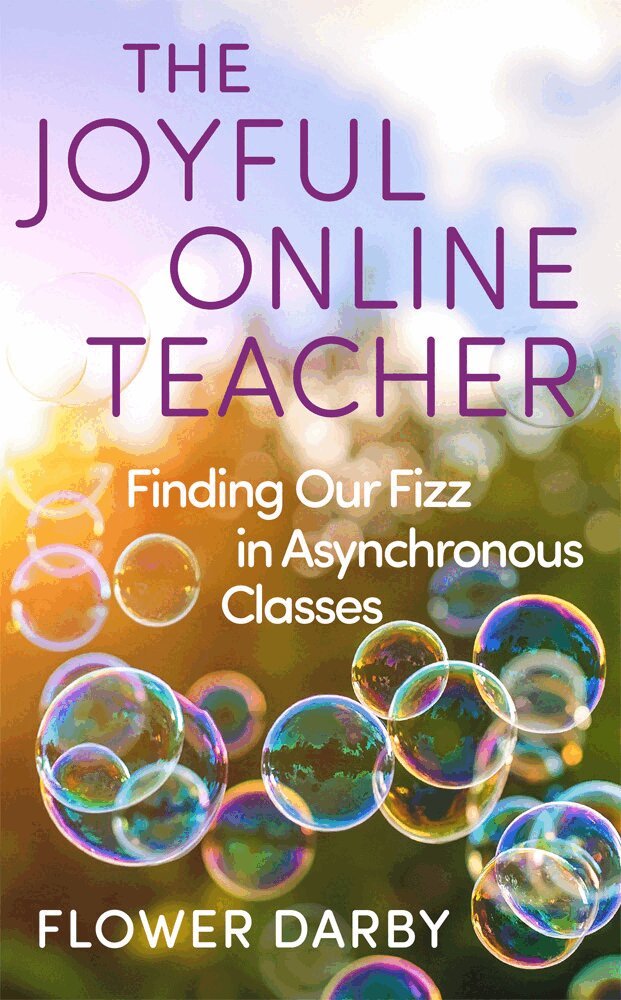
The happier the teacher, the better the learning experience—for instructor and student alike. With this equation at its core, The Joyful Online Teacher provides practical guidance for making distance learning infinitely more enjoyable and effective, and for improving the online teaching experience in asynchronous classes that often take place in Learning Management Systems (LMSs) like Canvas or Blackboard Learn, and where instructors and students rarely interact in real time, contributing to low completion rates. One of the most pervasive challenges in distance learning is the absent online instructor; and one clear reason for this problem is the often unsatisfying nature of teaching online. A leading voice on online education, Flower Darby draws on the sciences of learning, emotion, and motivation, three decades of her own teaching, extensive research on online student experience, and the stories of joyful online teachers to present concrete tips for making online teaching more rewarding. The key, Darby suggests, is learning to love teaching online. To that end, her book offers instructors accessible, inspiring, common-sense hacks for connecting with students, finding passion, navigating the structural inequities of higher ed, and more—all with a focus on building rapport and relationships, the central ingredients of happiness and satisfaction. These time-tested strategies and hard-won insights promise to help online teachers find meaning, purpose, and, yes, joy in their work—and, consequently, to fulfill the enormous, largely untapped potential of online education.
Del 8 - Teaching, Engaging, and Thriving in Higher Ed
Joyful Online Teacher Volume 8
Finding Our Fizz in Asynchronous Classes
Häftad, Engelska, 2026
188 kr
Skickas
The happier the teacher, the better the learning experience—for instructor and student alike. With this equation at its core, The Joyful Online Teacher provides practical guidance for making distance learning infinitely more enjoyable and effective, and for improving the online teaching experience in asynchronous classes that often take place in Learning Management Systems (LMSs) like Canvas or Blackboard Learn, and where instructors and students rarely interact in real time, contributing to low completion rates. One of the most pervasive challenges in distance learning is the absent online instructor; and one clear reason for this problem is the often unsatisfying nature of teaching online. A leading voice on online education, Flower Darby draws on the sciences of learning, emotion, and motivation, three decades of her own teaching, extensive research on online student experience, and the stories of joyful online teachers to present concrete tips for making online teaching more rewarding. The key, Darby suggests, is learning to love teaching online. To that end, her book offers instructors accessible, inspiring, common-sense hacks for connecting with students, finding passion, navigating the structural inequities of higher ed, and more—all with a focus on building rapport and relationships, the central ingredients of happiness and satisfaction. These time-tested strategies and hard-won insights promise to help online teachers find meaning, purpose, and, yes, joy in their work—and, consequently, to fulfill the enormous, largely untapped potential of online education.
Inbunden, Engelska, 2026
994 kr
Kommande
Universal Design for Learning (UDL) has been widely and effectively used across colleges and universities to create flexible learning environments and minimize barriers to higher education. UDL at Scale gives campus leaders and administrators the tools to expand UDL's reach. A call to action and a how-to guide, the book offers an executive-focus understanding of the background, research, and practical steps for framing, testing, and adopting universal design for learning at a systemic level. Thomas J. Tobin, a leading speaker and researcher on the topic of UDL, provides an evidence-based model for mid-level and senior administrators, with real-life stories from educators who have adopted UDL practices to address enrollment, persistence, and retention concerns—and along the way lower barriers for students, instructors, and staff members. UDL at Scale will help campus leaders define challenges, build a team of UDL champions, create compelling messaging for a campus-wide community, map goals and measurements for UDL-at-scale projects, and assess the work and creativity that colleagues put into becoming a UDL institution. Throughout, Tobin presents ideas for designing systems that give agency and space for all involved in the processes of teaching and learning that occur at universities. Looking beyond classrooms and courses, his insights and suggestions extend to the support offices and staff who interact with students (such as librarians, tutors, and counselors) and are instrumental to creating a campus-wide climate of inclusion and welcome. Last—but certainly not least—Tobin argues that lowering access barriers campus-wide also makes good financial sense, and UDL at Scale shows readers how to do it.
Häftad, Engelska, 2026
188 kr
Kommande
Universal Design for Learning (UDL) has been widely and effectively used across colleges and universities to create flexible learning environments and minimize barriers to higher education. UDL at Scale gives campus leaders and administrators the tools to expand UDL's reach. A call to action and a how-to guide, the book offers an executive-focus understanding of the background, research, and practical steps for framing, testing, and adopting universal design for learning at a systemic level.Thomas J. Tobin, a leading speaker and researcher on the topic of UDL, provides an evidence-based model for mid-level and senior administrators, with real-life stories from educators who have adopted UDL practices to address enrollment, persistence, and retention concerns—and along the way lower barriers for students, instructors, and staff members. UDL at Scale will help campus leaders define challenges, build a team of UDL champions, create compelling messaging for a campus-wide community, map goals and measurements for UDL-at-scale projects, and assess the work and creativity that colleagues put into becoming a UDL institution. Throughout, Tobin presents ideas for designing systems that give agency and space for all involved in the processes of teaching and learning that occur at universities. Looking beyond classrooms and courses, his insights and suggestions extend to the support offices and staff who interact with students (such as librarians, tutors, and counselors) and are instrumental to creating a campus-wide climate of inclusion and welcome.Last—but certainly not least—Tobin argues that lowering access barriers campus-wide also makes good financial sense, and UDL at Scale shows readers how to do it.
Inbunden, Engelska, 2026
994 kr
Kommande
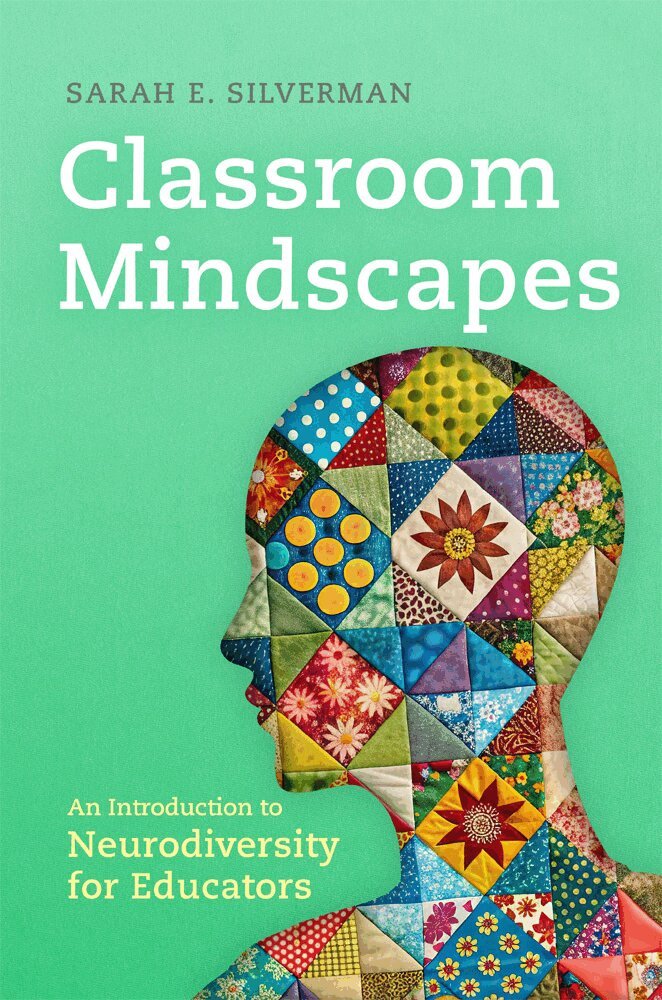
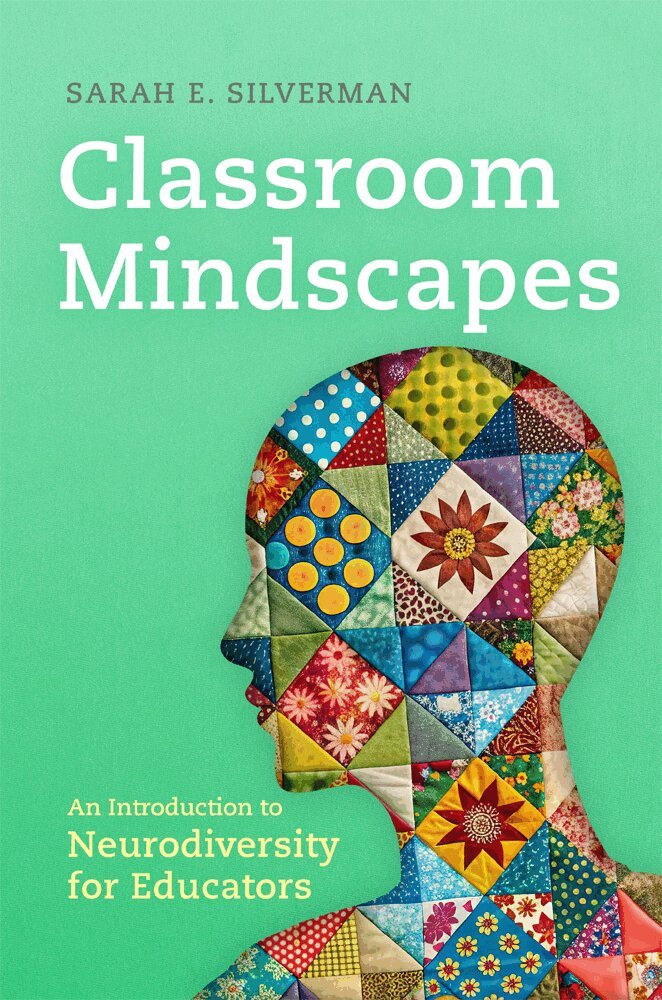
With campuses seeing greater numbers of neurodivergent students, and neurodivergence becoming a larger component of inclusive education, Classroom Mindscapes offers a much-needed primer in the concept, terms, and history of neurodiversity for college faculty and staff, as well as a clear overview of its relationship to disability and its role and potential applications in higher education. Written by a neurodivergent scholar and faculty developer, the book provides curious educators with an informed, practical introduction to what neurodiversity is, where it comes from, and what it means for teaching and learning.Although neurodiversity and disability are overlapping concepts, Sarah E. Silverman draws out the significant differences between such categories—and reveals how the system of disability accommodations in higher education does not always support neurodivergent students and staff. Accordingly, she introduces an approach called "teaching in the neurodiversity paradigm," which views teaching as a practice of navigation and negotiation among multiple, sometimes contrasting needs of students and teachers. This approach targets certain "pressure points" in the classroom, where neurodiversity comes to bear, such as group assignments, class participation expectations, and practical activities like labs. Illustrated with anecdotes from Silverman's own experience and consulting work, her book gives readers a useful, thought-provoking firsthand look at the complexity and opportunity offered when we view teaching and learning through the lens of neurodiversity.
Häftad, Engelska, 2026
236 kr
Kommande
With campuses seeing greater numbers of neurodivergent students, and neurodivergence becoming a larger component of inclusive education, Classroom Mindscapes offers a much-needed primer in the concept, terms, and history of neurodiversity for college faculty and staff, as well as a clear overview of its relationship to disability and its role and potential applications in higher education. Written by a neurodivergent scholar and faculty developer, the book provides curious educators with an informed, practical introduction to what neurodiversity is, where it comes from, and what it means for teaching and learning.Although neurodiversity and disability are overlapping concepts, Sarah E. Silverman draws out the significant differences between such categories—and reveals how the system of disability accommodations in higher education does not always support neurodivergent students and staff. Accordingly, she introduces an approach called "teaching in the neurodiversity paradigm," which views teaching as a practice of navigation and negotiation among multiple, sometimes contrasting needs of students and teachers. This approach targets certain "pressure points" in the classroom, where neurodiversity comes to bear, such as group assignments, class participation expectations, and practical activities like labs. Illustrated with anecdotes from Silverman's own experience and consulting work, her book gives readers a useful, thought-provoking firsthand look at the complexity and opportunity offered when we view teaching and learning through the lens of neurodiversity.