Crisis, Conflict and Security in Central and Eastern Europe - CEU Press – Serie
Visar alla böcker i serien Crisis, Conflict and Security in Central and Eastern Europe - CEU Press. Handla med fri frakt och snabb leverans.
4 produkter
4 produkter
1 936 kr
Skickas inom 10-15 vardagar
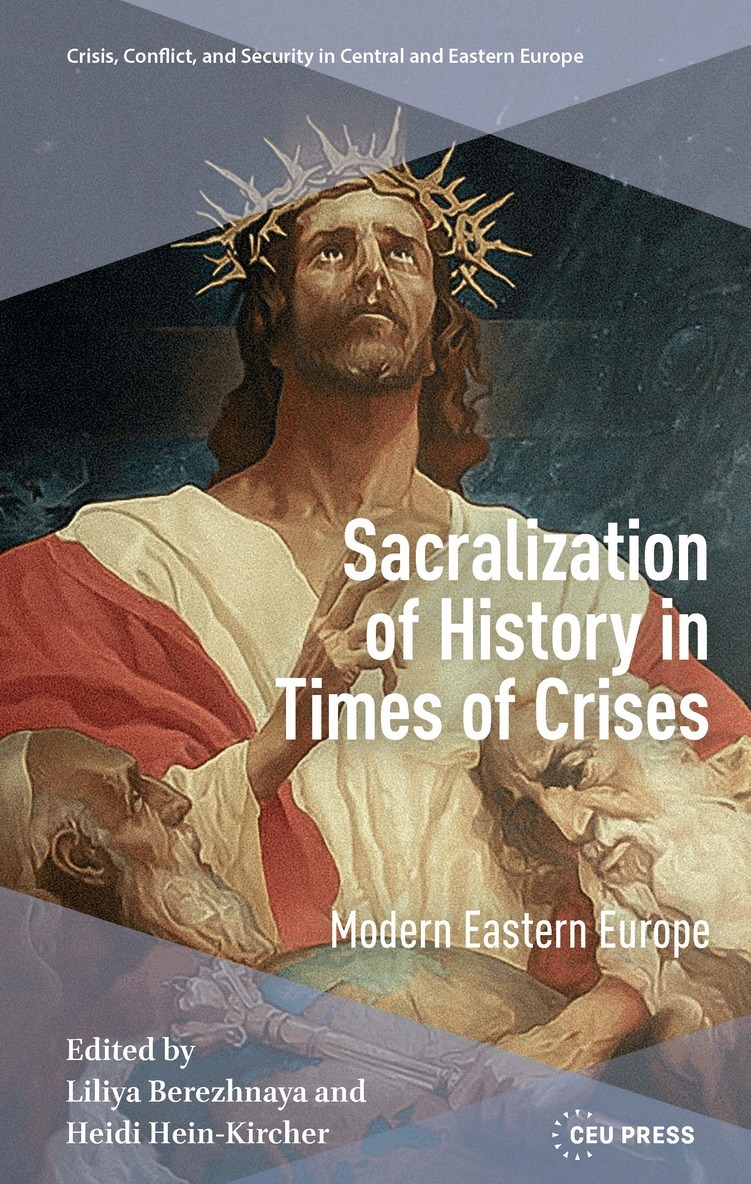
This book explores the sacralization of history with a focus on modern Eastern Europe where the erasure of Soviet traditions has triggered a search for specific "usable pasts". It discusses the importance of sacralization in memory and identity-building politics and the complex interplay between religion, history, and identity, particularly within the context of crises and conflict situations, by showing the historical roots of these processes.The contributors seek to identify the political, societal and religious actors promoting the sacralization of history. They consider which networks promote sacralized visions of history and who is excluded from the sacralized community of national belonging. They also explore which historical topics seem best suited for the sacralization of history and question what happens to the rituals, objects, or spaces, formerly regarded as sacral: are they profaned, neglected, or re-inscribed by new national histories, and is there a religious language of national history? These are the major questions of this book.
1 868 kr
Skickas inom 10-15 vardagar
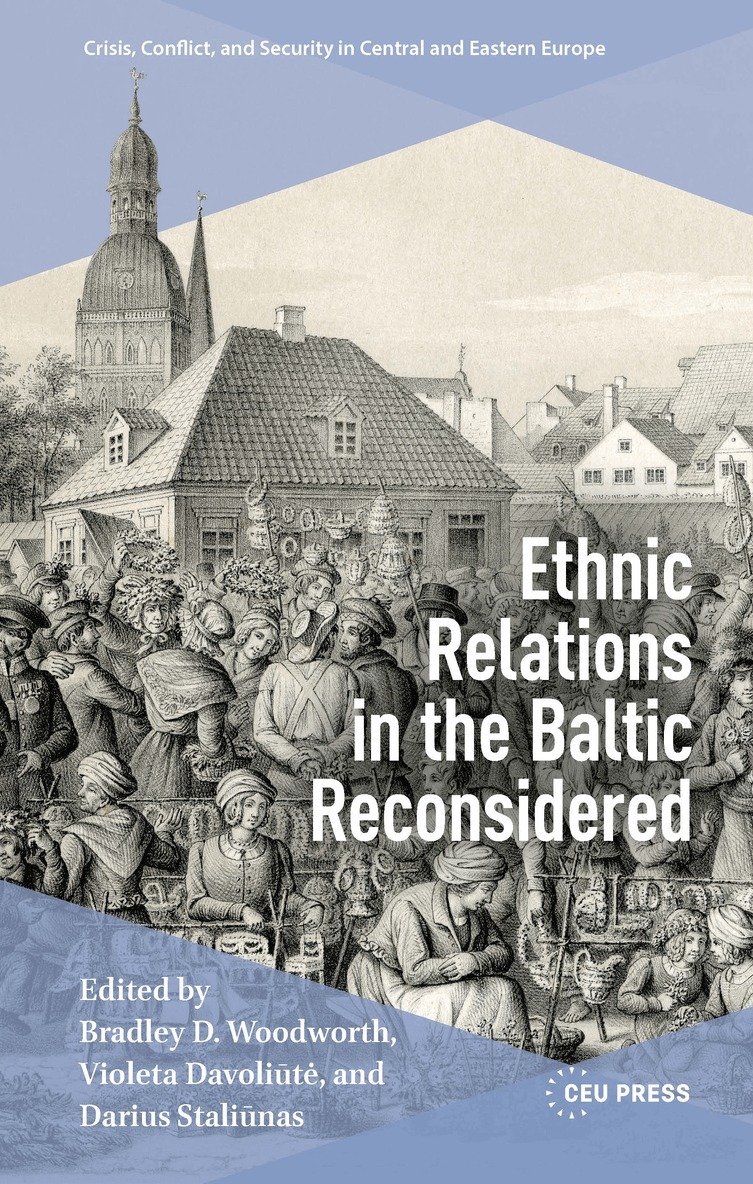
This collected volume offers an original perspective on the Baltic region by examining the intricate relationships between its diverse ethnic groups from the mid-nineteenth century to the present. Rather than focusing solely on national narratives or comparisons of historical development, the book analyzes ethnic relations through the lenses of identity, governance, empire, and violence. The nearly constant redrawing of geographic borders and boundaries among communities during this period destabilized fixed identities, generating novel, hybrid ways of self-identification along with a hardening of oppositions. Innovative forms of coexistence came with violent, sometimes genocidal conflicts. The contributors explore topics such as evolving senses of belonging, the impact of imperial and Soviet rule, instances of cooperation and conflict, and the legacies of historical trauma. By incorporating new sources and interdisciplinary approaches, they update traditional understandings of nations and nationalism in the Baltic region and provide insights relevant to similar regions.
1 340 kr
Kommande
Women’s rights activism and the reformation of the legal thought in early twentieth-century Poland were deeply intertwined—sometimes contradictory, yet mutually dependent—shaping debates around the 1932 abortion law and challenging traditional views on female sexuality and motherhood. Set against political transformation, economic hardship, and societal pressure, this book explores the clash between liberal “moral reform” ideas and the ideal of the “traditional” Polish family. Through individual stories from rural Suwalki county, it reveals how precarity, gender roles, and state expectations influenced women’s choices, with abortion often serving as necessary healthcare and survival. Rich in legal case studies, it offers scholars and readers a comprehensive overview of interwar sexuality debates and timely reflections on how these issues resonate today. This interdisciplinary work highlights the enduring impact of the male gaze in decisions affecting women’s lives.
1 714 kr
Skickas inom 10-15 vardagar
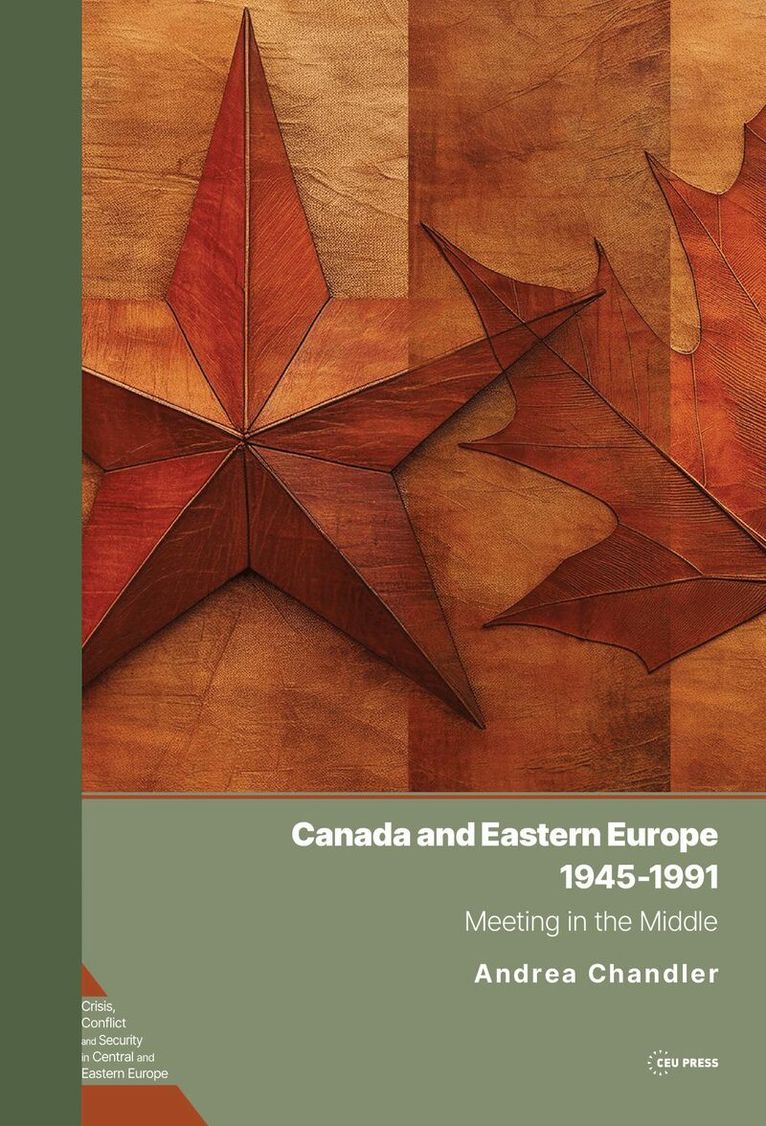
How democratic regimes should engage with authoritarian regimes, or self-proclaimed authorities in states under occupation, has long been a subject of debate. The work examines Canada's relations with member-states of the Warsaw Pact during the Cold War. Central and East European communist states were nominally independent but established under occupation. Canadian leaders explored whether engaging in foreign relations with these countries would encourage liberalization or embolden dictatorships. Over time, Canada's position evolved as a policy of encouraging bilateral and multilateral diplomacy, while calling for the respect of human rights. However, Canada's economic relationship with East European states was at times at cross-purposes with its democratic principles. Andrea Chandler concludes that while Canada did play a role in encouraging democratization, the country's leaders did not sufficiently consider the impact of these policies on the citizens of Warsaw Pact countries.This book treats Canada’s engagement with Hungary, Poland, the German Democratic Republic, Romania, Bulgaria and Czechoslovakiaduring the Cold War, in which the Western countries of the North Atlantic Treaty Organization (including Canada) had an adversarial relation with the Soviet bloc nations.